8 Picturesque Small Towns in The Pacific Northwest for a Weekend Retreat
Forks averages 120 inches of rain a year. Sequim, in the same Washington peninsula about 90 miles east, averages 16. That kind of microclimate jump in a single drive is what makes Pacific Northwest weekend trips memorable. Drive south from Sequim and you hit Oregon beaches at Cannon Beach and Manzanita. Cross into Idaho and you climb into McCall's mountain lake country and Stanley's Sawtooth peaks. The eight towns ahead each deliver a different version of a regional weekend retreat.
Cannon Beach, Oregon

Cannon Beach sits on the northern Oregon coast about 90 minutes west of Portland with around 1,500 residents and a four-mile beach. Haystack Rock, the 235-foot basalt sea stack just offshore, is the photo magnet for the entire Oregon Coast and one of the most-protected nesting sites for tufted puffins on the West Coast (the surrounding shore is a federally designated marine garden, no climbing on the rock). At low tide, the tide pools at the base hold sea stars, anemones, and hermit crabs and run roughly two hours either side of the low. Ecola State Park, on the headland north of town, holds the trail to Indian Beach (used as a stand-in for the original Goonies filming location) and views down to the Tillamook Head Lighthouse two miles offshore. Sleepy Monk Coffee Roasters and Pelican Brewing on the south end of town handle the morning and evening rotations respectively.
Forks, Washington

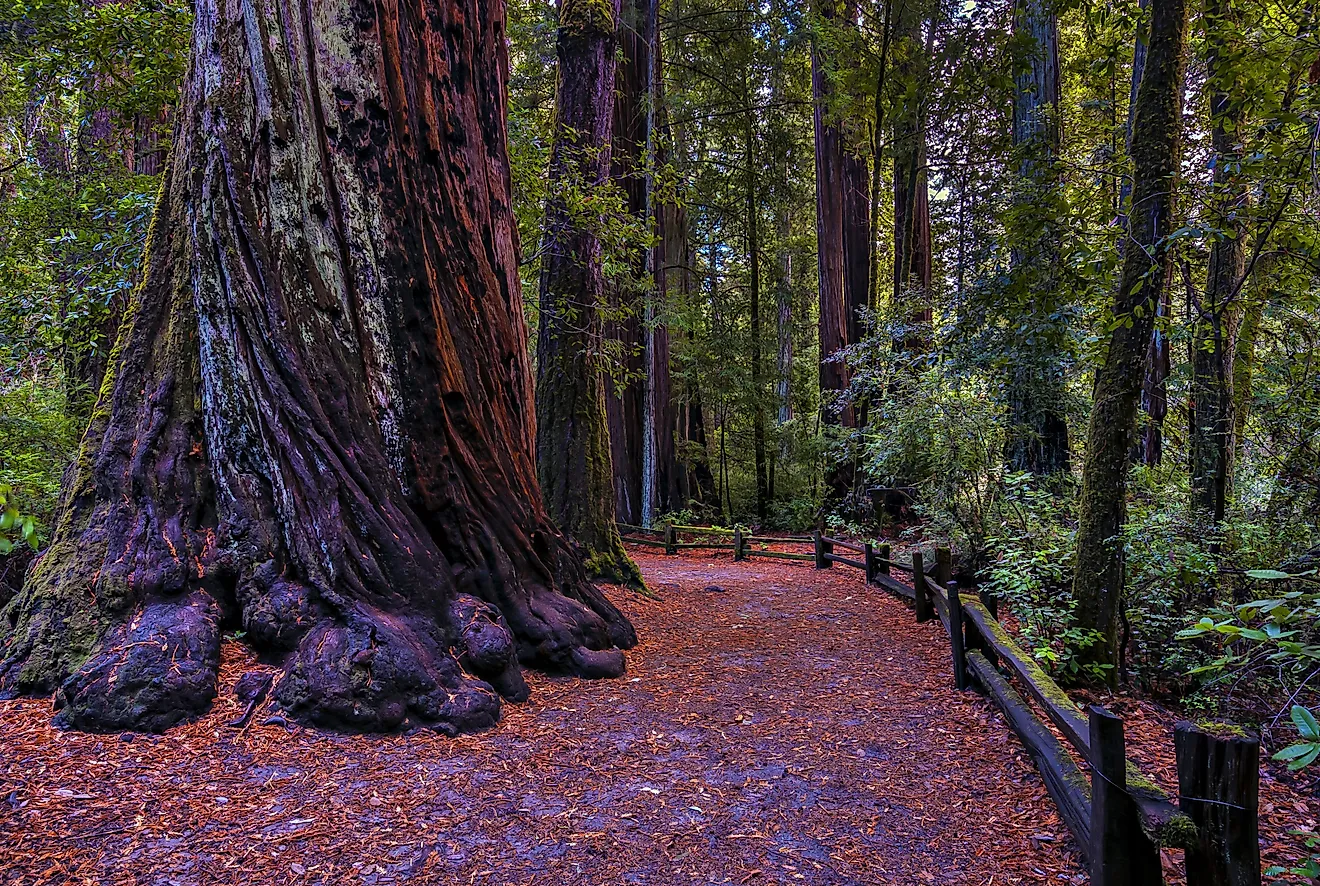
Forks sits on the western side of the Olympic Peninsula and averages around 120 inches of rainfall a year, making it the wettest town in the contiguous United States. The town gained an unexpected second life after Stephenie Meyer set the Twilight novels here without ever having visited; the Forks Visitor Center now runs free Twilight-themed maps and self-guided tours of "Bella's house" and "the Cullen house" (both private homes used in the books but not the films). Olympic National Park surrounds the town on three sides with the Hoh Rain Forest (one of the largest temperate rainforests in the country), Rialto Beach with its sea stacks and driftwood, and Lake Crescent's clear blue water. The Kalaloch and Ruby Beach stretches of coast lie about 30 miles south. The town's working economy is still logging and fishing, with native salmon and steelhead runs in the Hoh, Sol Duc, and Bogachiel rivers.
Gig Harbor, Washington

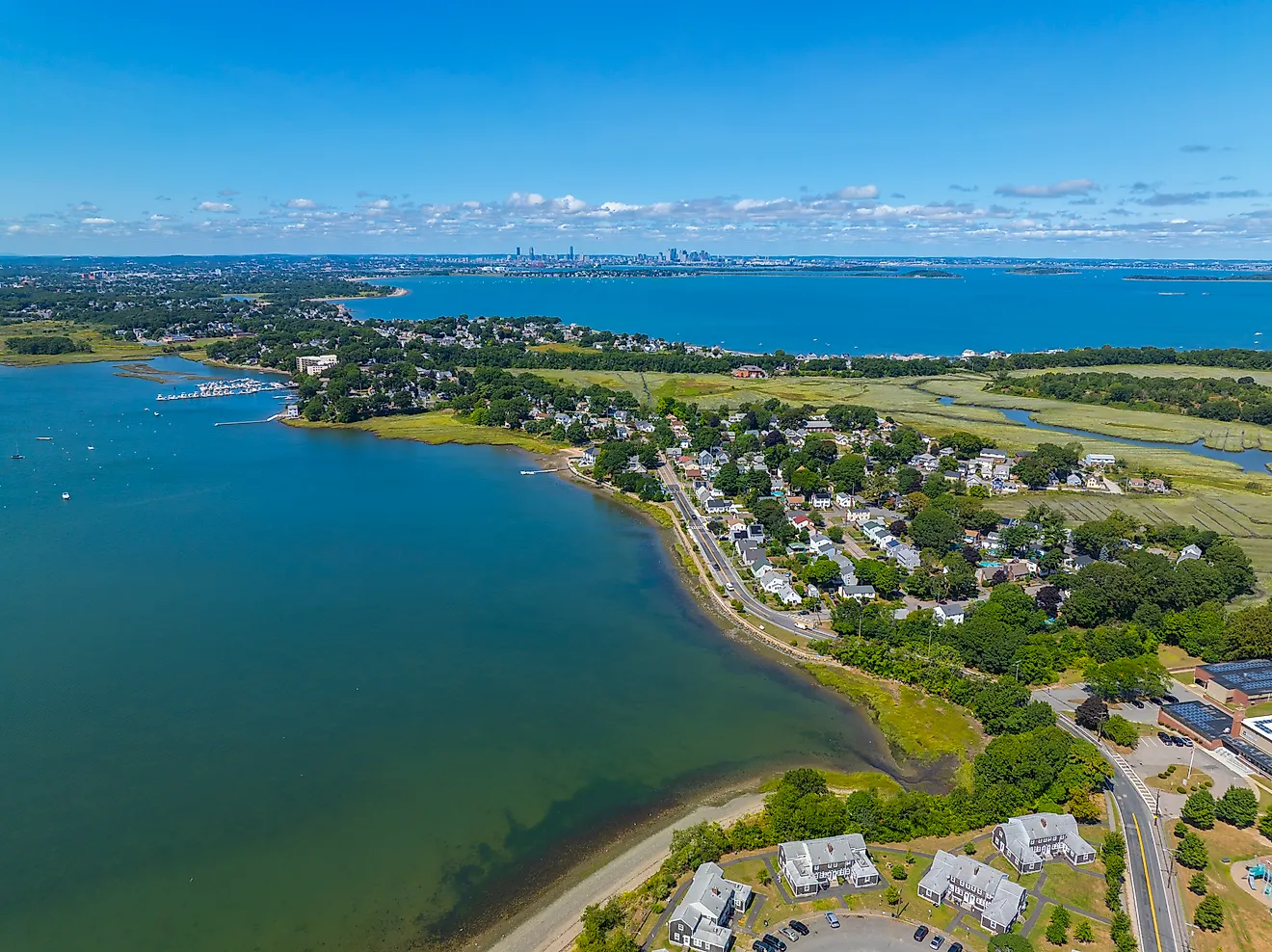
Gig Harbor sits on a sheltered bay off Puget Sound, about 45 minutes southwest of Seattle across the Tacoma Narrows Bridge. The town's name comes from the U.S. Wilkes Expedition of 1841, when surveyors entered the harbour in a small ship's gig. Croatian immigrants founded the local commercial fishing industry in the 1880s, and the town still runs a working fleet alongside recreational boats. The Harbor History Museum on Skansie Brothers Park holds the restored 1929 fishing vessel Shenandoah inside its main gallery. Sunrise Beach Park on Colvos Passage and Kopachuck State Park both offer waterfront with views over to Fox Island. Tides Tavern, a working waterside pub since 1973, is the unofficial town gathering spot. The local pace tracks closer to a fishing village than a Seattle commuter suburb despite the proximity.
Manzanita, Oregon

Manzanita is a small Oregon coast village of around 600 residents on a seven-mile stretch of beach south of Cannon Beach. Neahkahnie Mountain rises 1,680 feet directly behind town, with a hiking trail to the summit that delivers some of the best ocean overlooks on the entire Oregon coast (the trailhead is in Oswald West State Park to the north). The beach itself is wide, flat, and almost always quieter than the more-famous Cannon Beach stretch up the road. Manzanita Beach allows driving on the sand at the south end during off-season, useful for surf fishers. The downtown grid runs about four blocks of cafés, art galleries, and small restaurants including the Big Wave Café for seafood at any meal. Oregon governor Oswald West, who in 1913 declared all Oregon beaches public state highway, kept a cabin near Manzanita.
McCall, Idaho

McCall sits on the south shore of Payette Lake in Valley County, Idaho, at 5,021 feet of elevation about 100 miles north of Boise. With around 4,000 residents, it runs as a four-season resort town with two ski areas nearby (Brundage Mountain and Tamarack Resort) and a swimmable lake all summer. Brundage holds 1,920 skiable acres and 1,921 feet of vertical, with consistently the highest seasonal snowfall in Idaho. Tamarack Resort, between McCall and Donnelly, runs another 2,800 acres with similar vertical and a Mediterranean-style village base. Payette Lake, a 5,330-acre glacial lake, supports kayaking, sailing, and paddleboarding from town. The Winter Carnival each January (running since 1924) draws about 60,000 visitors over ten days for snow-sculpture competitions and ice-themed events.
Sequim, Washington

Sequim (pronounced "skwim") sits in the rain shadow on the north side of the Olympic Peninsula, receiving only about 16 inches of rain a year, despite the nearby Hoh Rain Forest averaging more than 12 feet. That microclimate makes Sequim the Lavender Capital of North America, with around a dozen lavender farms across the Sequim-Dungeness Valley that open for tours during the Sequim Lavender Festival each July. The Dungeness National Wildlife Refuge sits on the longest natural sand spit in the United States at 5.5 miles, with a working 1857 lighthouse at the tip (open for guided walks scheduled around tides). Olympic Game Farm just outside town is a drive-through wildlife park with bison, elk, and Kodiak bears used historically in Disney nature films. The Jamestown S'Klallam Tribe runs the 7 Cedars Casino and Resort on the east side of town.
Stanley, Idaho

Stanley sits in the Sawtooth Valley at 6,290 feet of elevation with a year-round population of just 116 (it swells significantly in summer). The town is the gateway to the Sawtooth National Recreation Area, a 756,000-acre federal preserve holding 700 lakes and four mountain ranges (Sawtooth, White Cloud, Boulder, and Smoky). The Salmon River, also called the "River of No Return," begins as a small creek in the valley above town and grows into one of the longest free-flowing rivers in the U.S. outside Alaska, with rafting outfitters running day trips out of Stanley all summer. The town sits inside the Central Idaho Dark Sky Reserve, the first such reserve designated in the United States (2017) and one of the largest in the world; on clear nights the Milky Way is plainly visible. Redfish Lake, 5 miles south, holds a small lodge and a sandy beach against the Sawtooth peaks.
White Salmon, Washington

White Salmon sits on a 600-foot bluff above the Columbia River on the Washington side of the Columbia River Gorge, directly across from Hood River, Oregon (the Hood River Bridge, opened in 1924, connects the two). Mt. Adams, the second-tallest peak in Washington at 12,281 feet, rises about 35 miles north of town. The town sits on the dry side of the Cascade Mountain range where marine and continental climates meet, producing the reliable westerly summer winds that make the Columbia Gorge one of the world's premier windsurfing and kiteboarding destinations. The White Salmon River, designated Wild and Scenic in 1986, runs into the Columbia at the town's south edge and offers Class III and IV rafting trips. Husum Falls on the lower river is the tallest commercially raftable waterfall in the country at around 10 feet. The downtown holds galleries, breweries, and Bavarian-style architecture from the town's German settlers in the 1890s.
Pacific Northwest's Weekend Retreats
The Pacific Northwest's small towns each carry a distinct version of the regional experience. Cannon Beach and Manzanita run the Oregon coast pair. Forks and Sequim split the Olympic Peninsula between the wettest and driest microclimates within an hour's drive of each other. Gig Harbor delivers the Puget Sound fishing-village version. McCall and Stanley run the Idaho mountain weekends with very different scales (one a four-season resort town, one a high-valley basecamp). And White Salmon handles the Columbia Gorge with its windsurfing economy and its bluff-top downtown. Eight different weekend retreats, all under one regional umbrella.