8 Off-The-Beaten-Path Towns In Delaware
Arden sits just shy of the Pennsylvania border and was laid out in 1900 as a single-tax arts colony. Wyoming was the shipping point that made Delaware a peach power in the 1890s. Odessa traded its old name, Cantwell's Bridge, for a Black Sea grain port it hoped to imitate. These towns carry histories that most Delaware residents pass without noticing. Eight of them are worth a slow afternoon and a closer look.
Milton

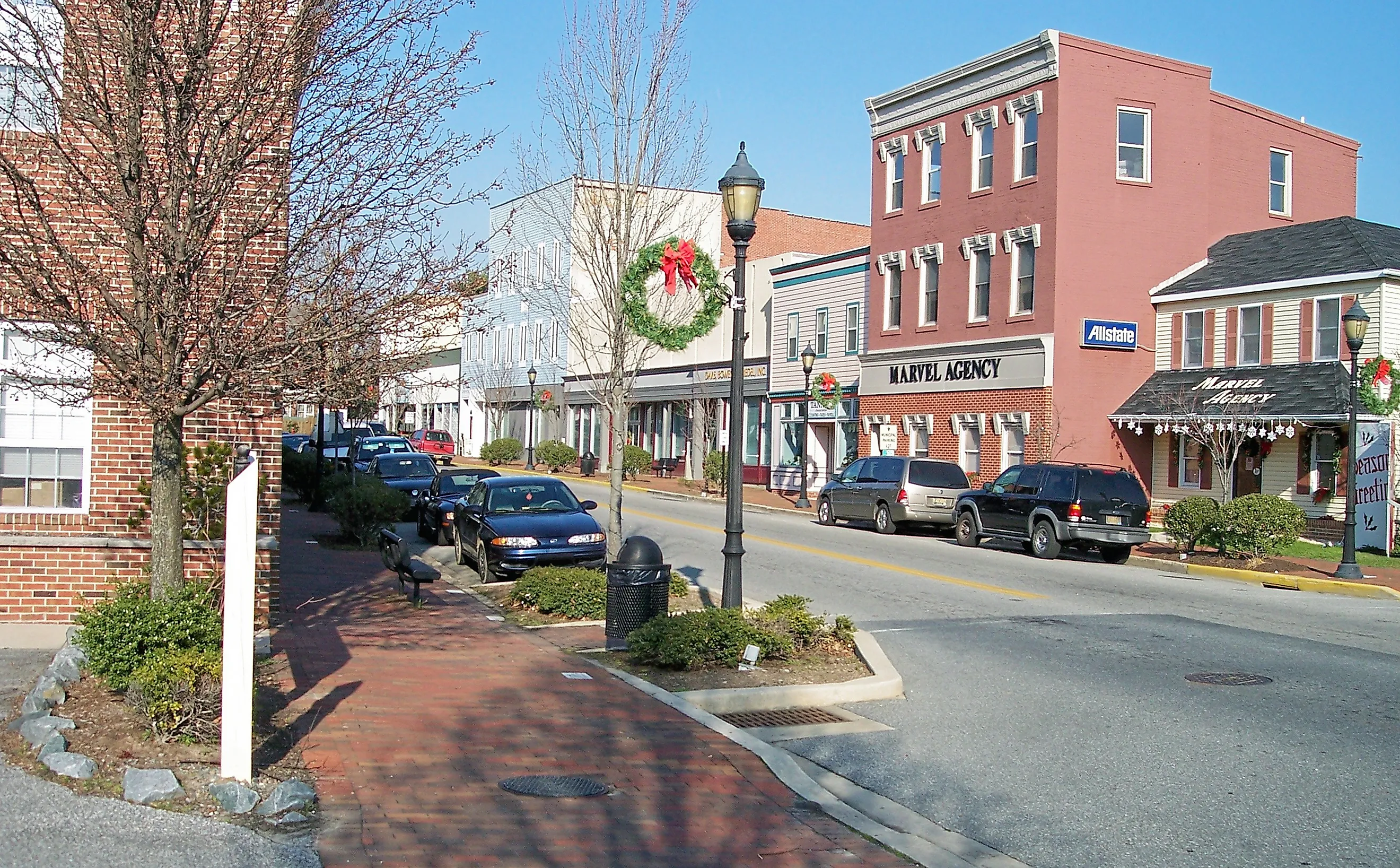
Sussex County's village of Milton sits at the head of navigation on the Broadkill River, where shipbuilders once launched schooners from the foot of Union and Federal streets. Settlers knew it as Head of Broadkiln until 1807, when the Delaware legislature renamed it for the poet John Milton. The town later became a major producer of holly wreaths and decorations and took the nickname "Holly Capital of the World." Those days have passed, but Milton is still a quiet town worth a slow afternoon.
Many will know Milton as home to Dogfish Head's brewery and tasting room. Dogfish Head got its start in 1995 as Brewings & Eats in Rehoboth Beach, then the smallest commercial brewery in the country. The Milton brewery is open for tours today. Visitors may opt to stay at the Dogfish Inn, a branded property in nearby Lewes. If beer is not your bag, you might prefer a night at the Milton Theatre on Union Street. This century-old performing arts center hosts musical, theater, and comedic performances. Milton Memorial Park, also on Union Street, sits along the river with walking paths and water views. Each year on the Saturday after Thanksgiving, the park hosts Light Up the Park, a community gathering with holiday carols, Christmas lights, and hot cocoa.
Wyoming

Wyoming, in Kent County, was not named after the state but after the Wyoming Valley in Pennsylvania. The Reverend John J. Pierce moved here from that valley in 1865, bought land, and laid out building lots, and residents who wanted to break with neighboring Camden voted to rename their village, then called West Camden, in his honor. Wyoming was also known as the "Peach Center" of Delaware, the main point for shipping peaches and other produce. That history is honored each year in the Wyoming Peach Festival, held on the first Saturday in August.
If you want to pick your own peaches or browse other local produce, stop by Fifer Orchards, one of the last working orchards in Kent County. A farm store, a u-pick area, and activities for children all happen here. Wyoming Park, within the town limits, has a playground, pavilions, grills, and picnic tables. Between the orchard and the festival, Wyoming keeps its farming past close to the surface.
Odessa

Odessa is one of Delaware's oldest towns and one of its more unusual. It sits on the Appoquinimink River in New Castle County and grew up around a toll bridge built in 1731, taking the name Cantwell's Bridge. In 1855, with the railroad routed through nearby Middletown and the river trade slipping away, the town renamed itself Odessa after the Black Sea grain port, hoping to revive its own role as a grain-shipping center.
Odessa's historic district is protected by the Historic Odessa Foundation, which sponsors annual events such as the Odessa Brewfest in September. The district is a stretch of tree-lined streets and colonial homes from the 18th and 19th centuries, among them the Corbit-Sharp House, built in the 1770s. Cantwell's Tavern, a restored 19th-century tavern on Main Street, still serves food and drink. Stop in for a meal after a day walking among the district's colonial homes.
Milford

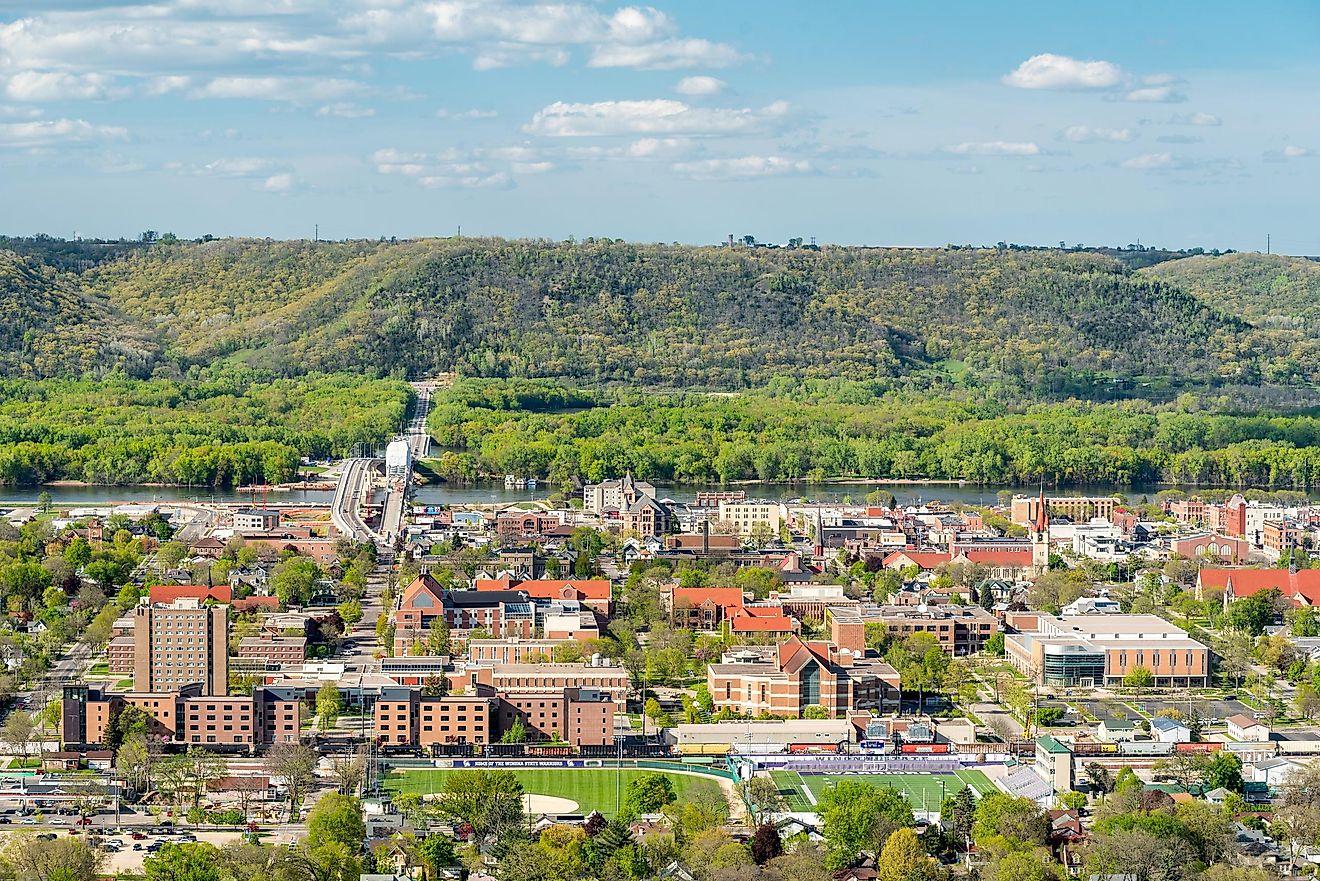
Sitting in both Kent and Sussex Counties along the Mispillion River, Milford is about a half-hour's drive from Delaware's beaches. Its Mispillion Riverwalk runs through the heart of town and offers a quiet stroll along the water. Abbott's Mill Nature Center adds another outdoor stop, with trails, a pond, picnic areas, a boardwalk, live animals, and a historic working gristmill.
Beer lovers should check out Mispillion River Brewing, a local craft brewery with a roomy taproom and a lawn for live music and food trucks. One of the highlights of the year is the Bug & Bud Festival, named for the ladybug, a local emblem, and the spring buds of the season. Held in late April, this family-oriented festival features food, crafts, and activities for all ages.
Arden

New Castle County's Arden gives off artsy vibes the moment you drive in, just shy of the Pennsylvania border. The town was founded in 1900 as a single-tax community based on the economic philosophy of Henry George and the ideas of the Arts and Crafts movement. The arts remain central to Arden, as venues such as the nearby Candlelight Theatre show, hosting live theater and other events. Many visitors single out the Arden Craft Shop Museum, which collects and displays artifacts of the town's history in the arts.
Gardening is also vital to Arden's character. The village holds a "Tree City USA" designation, with more than 80 percent of it shaded by tree canopy. The Arden Club promotes both arts and crafts and gardening and holds the popular Arden Fair on the Saturday of Labor Day weekend, with food, entertainment, and crafts on display. Seven miles north of Wilmington, this small town stays quiet enough to feel much farther.
Bridgeville

If scrapple and apples ring a bell, you might already know Bridgeville in Sussex County. Each October, the Apple Scrapple Festival draws thousands to the small town about 30 miles south of Dover. Apple and scrapple production are important parts of Bridgeville's heritage and are celebrated during the festival. Bridgeville, whose settlement dates to the 1730s, when a bridge was built over a branch of the Nanticoke called Bridge Branch, has been called "Delaware's Front Porch" to emphasize its hospitality and historic district.
History surrounds you in Bridgeville, starting with the Sudler House, circa 1730, the oldest structure still standing in the town. The Eratt House, circa 1750, is another historic home near Marshyhope Creek. Conclude your visit by grabbing a bite to eat and a drink at Jeff's Taproom & Grille on Market Street. You might even decide to make the town's motto, "if you lived here, you'd be home now," a reality.
Delaware City

Delaware City is an incorporated city in New Castle County, set along the Delaware River with much of its 19th-century character still intact. Strolling down Clinton Street, you can admire the historic district and its Victorian, Federal, and Greek Revival storefronts and homes. Stop by Dolly Spanker's, the longtime waterfront seafood restaurant and bar that older regulars still know as Crabby Dick's.
A visit to Delaware City would not be complete without venturing to Pea Patch Island to see Fort Delaware State Park. To get there, take the ferry across the river. Pea Patch Island, in the middle of the Delaware River, houses the park, a restoration of a Civil War fort that tells the stories of those who served and were imprisoned there. Check out the Pea Patch Island nature preserve while you are there. It is one of the largest nesting sites for ibises, egrets, and herons on the Atlantic coast north of Florida. Between the fort, the ferry, and the bird colonies, Delaware City rewards a detour.
Magnolia

Magnolia, in Kent County, is truly off the beaten path and small. It covers just 0.2 square miles. Its size belies its history, though. A sign placed at the historic John B. Lindale House in 1896 declares Magnolia "the center of the universe around which the earth revolves." The town sits about a mile from the St. Jones River and roughly 15 miles from both the state capital, Dover, and Delaware's beaches.
Magnolia is a historic village, with homes such as the Lindale House and the Matthew Lowber House, circa 1774, still standing. If you are hungry and need a place the whole family can enjoy, check out Magnolia Restaurant on South Main Street for food and drink. The walkable grid of Main, Walnut, and Thorn streets makes the town's early architecture easy to see on foot.
Where Delaware Slows Down
Delaware's smaller towns offer more than quiet streets. Delaware City brings together riverfront history and a working wildlife colony. Wyoming keeps its agricultural roots visible through orchards and a seasonal festival. Arden carries the state's arts-and-crafts experiment into its second century, while Magnolia holds onto early homes on a grid you can walk in minutes. Each one stores a piece of Delaware's past that the better-known stops tend to skip.