10 Picture-Perfect Main Streets In Washington
Within a day's drive in Washington, travelers can stroll Bavarian-inspired plazas, Victorian waterfronts, Old West boardwalks, Norwegian storefronts and Viking murals, and brick commercial districts shaped by the railroad and wine trade. Winthrop pairs frontier-style architecture with sweeping North Cascades scenery. Leavenworth embraces an alpine identity unlike anywhere else in the Pacific Northwest. La Conner blends waterfront charm with easy access to the Skagit Valley's famous tulip fields. Together, these 10 main streets showcase the many ways a town's history and landscape can shape its character.
Ellensburg

Ellensburg rebuilt its downtown after a catastrophic fire in 1889, and the resulting collection of brick Romanesque Revival storefronts on Pearl Street still defines the commercial core of the largest city in Kittitas County. Central Washington University, established in 1891, anchors the community's educational and cultural life a short walk from the historic district and provides a consistent audience for the downtown's arts programming.
The Clymer Museum of Art on Third Avenue maintains a permanent collection of works by Western artist John Ford Clymer alongside rotating exhibitions showcasing regional and national artists throughout the year. The Kittitas County Historical Museum, with more than 9,000 square feet of display space, covers the county's history through antique automobiles, military memorabilia, and an archive of local photographs. The First Friday Art Walk, running continuously for more than 25 years, connects galleries and studios across the downtown on the first Friday of each month. Each Labor Day weekend, the Ellensburg Rodeo, consistently ranked among the top 10 professional rodeos in the United States, takes over the fairgrounds adjacent to the historic district.
Winthrop

Winthrop's downtown exists by design. When the North Cascade Highway opened in the 1960s and brought new traffic through the Methow Valley, locals rebuilt their commercial district in a deliberate Wild West style, adding wooden boardwalks, false-front facades, and frontier-era storefronts that have since become the town's defining feature. The result is one of the most photographed main streets in north-central Washington, set against the blue-grey peaks of the North Cascades rising above the valley floor.
Glassworks of Winthrop, an artisan shop along the boardwalk, sells hand-blown glassware and gifts produced locally. The Shafer Historical Museum, a short walk from the main street, holds original pioneer-era buildings and artifacts tracing the Methow Valley's early settlement. The Old Schoolhouse Brewery operates inside a restored 1910 schoolhouse with views of the Chewuch River from its outdoor seating. Each May, the '49er Days celebration, an 80-year tradition celebrating the town's Western heritage, brings street fairs and events to the boardwalk. The Methow Trail System, with more than 120 miles of groomed trails threading through the surrounding valley, gives Winthrop its year-round outdoor backbone and keeps visitors returning through ski season and summer alike.
Leavenworth

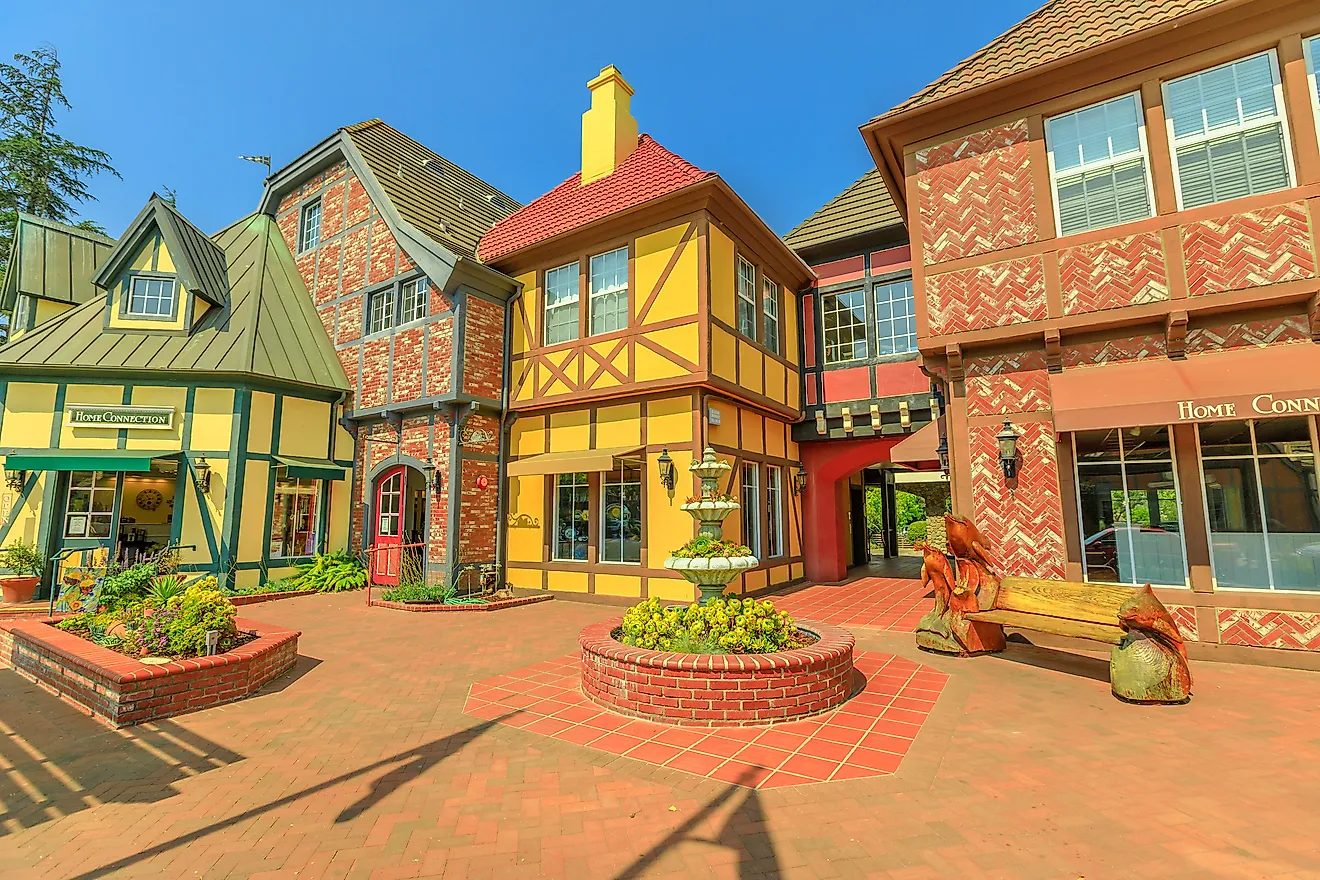
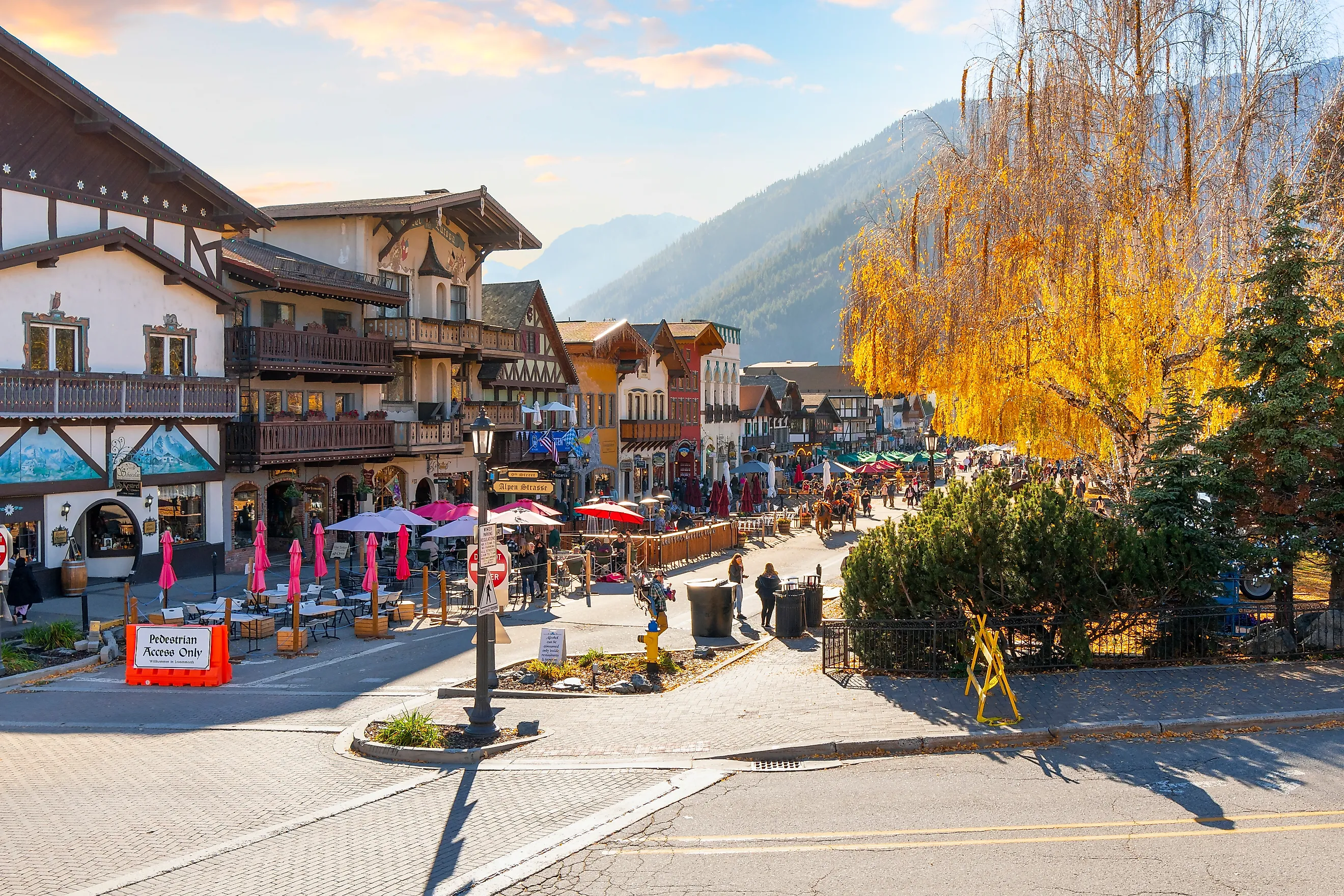
In the early 1960s, Leavenworth faced economic collapse after the railroad rerouted and the timber industry declined. Rather than accept the loss, the community voted to reinvent itself as a Bavarian alpine village, remodeling every storefront in the style of a German mountain town and anchoring the transformation with festivals, beer gardens, and seasonal decorations. The result is a main street unlike anything else in the Pacific Northwest. Front Street Park, the green heart of the downtown, hosts rotating seasonal events year-round: an Oktoberfest that fills the streets in autumn, a Christmas lighting event with half a million bulbs, and a summer concert series.
The Nutcracker Museum displays more than 9,000 nutcrackers from around the world and offers one of the more unexpected cultural detours in the state. The Heidleburger Drive-In, a local institution operating since 1970, delights the outdoor dining crowd with classic fare and Cascade Mountain views. River rafting on the Wenatchee River, which runs directly through town, draws kayakers and white-water enthusiasts through the summer months. The Waterfront Park gives visitors an open-air vantage point directly over the river, and nearby trailheads at Icicle Gorge and Snow Lakes provide hiking access into the surrounding Cascade wilderness for those extending the trip beyond the storefronts.
Port Townsend

Port Townsend occupies the northeastern tip of the c and was designated a National Historic Landmark in 1977 for its collection of Victorian-era commercial and residential architecture, one of the best-preserved examples of a late 19th-century port town on the West Coast. Water Street, the main commercial corridor, runs along the waterfront with original brick storefronts, galleries, and cafes dating to the 1880s and 1890s, when the town expected to become the terminus of the transcontinental railroad and built accordingly.
Fort Worden State Park, a decommissioned military fort converted into a 434-acre state park at the northern edge of town, provides hiking trails, beach access, and a 1904 lighthouse still standing on the headland. Chetzemoka Park, the city's oldest park, sits on a bluff above the water with lawns and flower gardens overlooking Admiralty Inlet. Pope Marine Park on the waterfront completes the trio of green spaces accessible on foot from the main street. The town's arts community runs strong through organizations like Centrum, which brings writers, musicians, and artists to Fort Worden for residencies and workshops throughout the year.
Walla Walla

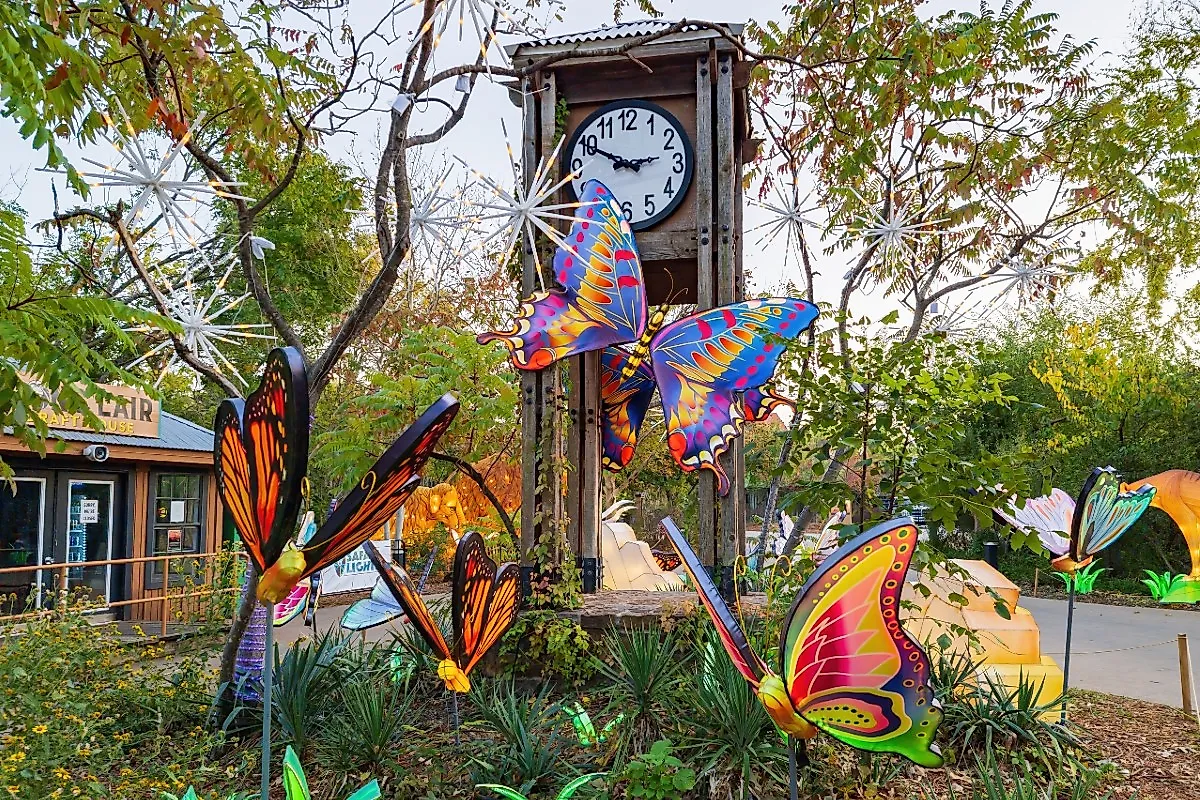
Walla Walla's main commercial district centers on a vintage bronze clock that has become a landmark for the city, surrounded by brick storefronts that give the downtown a look unchanged in the essentials since the early 20th century. More than 30 tasting rooms for the region's 120-plus wineries operate within walking distance of the main street, making this one of the most concentrated wine-tasting corridors in Washington without requiring a car to reach the vineyards.
The Fort Walla Walla Museum, a complex of 17 structures on the grounds of the original 1856 fort, covers pioneer history, the Oregon Trail, and the Native American cultures of the region through period buildings and artifacts. Patina Farms, a working flower farm on the edge of the valley, runs workshops and open-field days through the growing season. Whitman College, founded in 1882 and occupying a campus adjacent to the downtown, brings a consistent cultural calendar to the city, including the Lakum Duckum Park on campus grounds along Mill Creek. The Marcus Whitman Hotel, a 1928 landmark rising above the main street, gives the skyline its signature nine-story tower.
La Conner

First Street runs along the Swinomish Channel in La Conner, and the combination of the narrow waterfront lane, the working-channel boat traffic, and the surrounding Skagit Valley farmland gives the town a visual identity rooted firmly in its agricultural and maritime history. Each April, the fields within a few miles of the main street erupt in tulip color during the Skagit Valley Tulip Festival, drawing visitors from across the Pacific Northwest.
The Museum of Northwest Art, a contemporary art museum on First Street, presents rotating exhibitions focused on artists of the Pacific Northwest alongside a permanent collection. The Gaches Mansion, a Victorian home built in 1891 on the bluff above town, now serves as the Museum of Northwest Quilt and Fiber Arts with a collection spanning centuries of textile work. La Conner Seafood and Prime Rib, one of the town's longtime waterfront restaurants, offers outdoor seating with direct Swinomish Channel views. Hotel Planter, a renovated historic property on First Street with 12 rooms and a covered courtyard, is the town's most distinctive overnight option.
Poulsbo

Front Street in Poulsbo winds along the edge of Liberty Bay on the Kitsap Peninsula, and the Scandinavian-inspired storefronts, Viking murals, and Norwegian-language signage on the buildings reflect the town's founding by Norwegian immigrants in the 1880s. The nickname "Little Norway" has held for well over a century and remains accurate: the downtown's architectural identity is genuinely rooted in its heritage rather than later revival, distinguishing it from theme-town peers elsewhere in the state.
Sluys Poulsbo Bakery, a local institution producing Scandinavian-style pastries and breads, anchors one end of the commercial strip. The Verksted Gallery presents rotating fine art exhibitions reflecting the Nordic and Pacific Northwest artistic tradition. The Poulsbo Maritime Museum, housed near the waterfront, covers the seafaring history that brought Norwegian settlers to Liberty Bay. Each May, the Viking Fest fills the downtown with a parade, carnival, and street fair celebrating the town's cultural roots. Across the bay, the Olympic Mountains provide the backdrop that originally drew the Norwegian settlers to this particular inlet.
Coupeville

Coupeville, the second-oldest incorporated town in Washington, sits at the center of Ebey's Landing National Historical Reserve on Whidbey Island, and dozens of buildings within the reserve appear on the National Register of Historic Places. The waterfront commercial strip along Front Street gives the town its familiar silhouette: a row of 19th-century wooden buildings facing the wharf and Penn Cove beyond, with the Olympic Mountains visible across the water on clear days.
The Coupeville Wharf, extending over the cold waters of Penn Cove, offers kayak rentals and direct access to the cove where the town's famous mussels are farmed. Fort Casey Historical State Park, a 1903 coastal defense installation about two miles from the main street, preserves its original lighthouse, artillery batteries, and underground bunkers, all open to the public. The Price Sculpture Forest, a wooded sculpture museum with century-old trees and native plants winding through the acreage, provides a quieter counterpart to the waterfront activity. The Front Street Grill remains the go-to dining destination for Penn Cove mussels prepared at their source.
Langley

Langley sits on a bluff at the southern end of Whidbey Island with views across Saratoga Passage to the Cascade Mountains, and its compact Second Street carries Washington State's Creative District designation, tracing its artistic lineage back to 1915 when the historic Brackenwood Artists Colony first formed. The one-square-mile downtown encompasses galleries, theaters, dance studios, performance venues, and restaurants within a genuinely walkable district that feels entirely self-contained.
The Clyde Theatre, a historic cinema with original balcony seating still intact, screens films and hosts occasional live events in the heart of the downtown. Prima Bistro operates a waterfront deck above the bluff with a French-meets-Pacific Northwest menu and views over the passage. The Saltwater Fish House and Oyster Bar meets the town's seafood demand with Puget Sound catches and a raw bar. Wildlife watchers find the bluff-top setting useful year-round for spotting orcas, gray whales, and bald eagles moving through Saratoga Passage below the main street. The Whidbey Island Film Festival, held each autumn, draws filmmakers and audiences to venues across the downtown.
Snohomish

Snohomish built its post-industrial identity around antiques, and the concentration of dealers along First Street earned it the title of Antique Capital of the Northwest. More than 30 antique shops operate in the Victorian and Edwardian brick storefronts that line the historic commercial district, making it possible to spend an entire afternoon moving through interconnected showrooms.
First Street is separated from the working farmland beyond by the Snohomish River, and the open agricultural landscape visible from the eastern end of the strip gives the downtown an unusual rural-edge quality. Bob's Corn and Pumpkin Farm and Mountainview Blueberry Farm sit just across the river and draw seasonal visitors who combine the antiques circuit with a pick-your-own afternoon in the surrounding fields. The 1910 Carnegie Library, still standing near the commercial center, reflects the civic ambition of the town's logging-era peak.
Washington's Main Street Range
Washington's most memorable main streets succeed because no two feel quite alike. Some preserve the architectural legacy of the nineteenth century, while others reinvented themselves through bold community vision or remain closely tied to the landscapes that surround them. Whether overlooking the Salish Sea, situated beneath the North Cascades, or serving as the heart of wine country, these streets balance local history with vibrant shops, restaurants, galleries, and public spaces. Together, they showcase the remarkable diversity of Washington's small towns and make a compelling case for exploring the state one main street at a time.