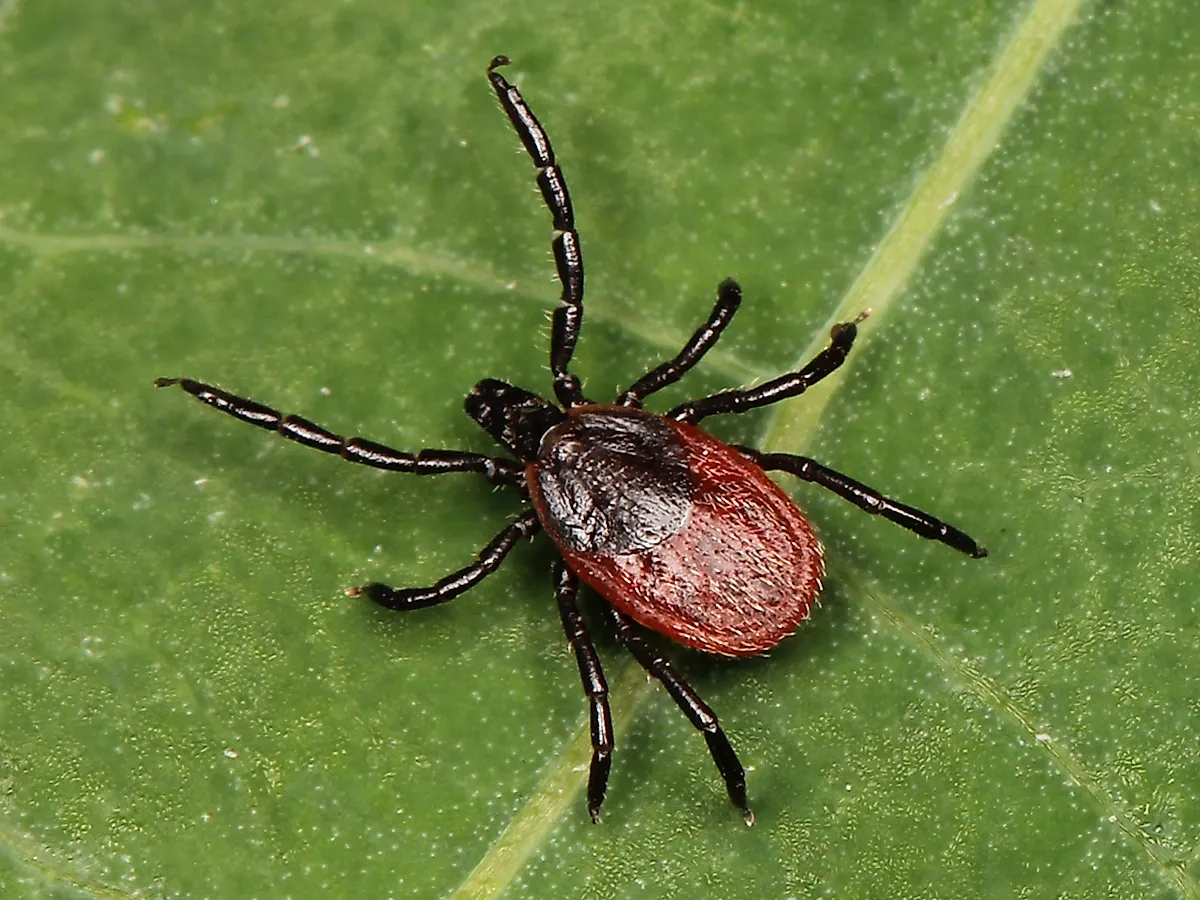
5 Tick Infested Areas In Oregon
Ticks are turning up in record numbers across Oregon's most-hiked ground this year. Federal health officials logged the most reported tick bites nationwide in nearly a decade. The Western Black-legged Tick and its cousins favor a handful of specific Oregon habitats. They wait in tall meadow grass and the damp brush of shaded river corridors. Some even shelter in the old rodent-run cabins of the eastern Cascades. The five spots ahead show exactly where Oregon's ticks concentrate.
Powell Butte Nature Park

Just east of Portland, Powell Butte Nature Park has become one of Multnomah County's most closely watched spots for tick activity. The 611-acre extinct cinder cone rises in a mix of meadow, forest, and wetland near the headwaters of Johnson Creek. The CDC points to exactly this combination of tall grass, brush, and roaming wildlife as prime tick habitat.
County vector crews confirmed the surge in the spring of 2026 by "flagging" the trails, dragging white canvas through the grass to collect and count ticks. The effort followed a wave of unusual tick sightings across the park.
The species most tied to this landscape is the American dog tick (Dermacentor variabilis), which waits on tall grass and low brush before latching onto deer, coyotes, and other passing hosts. In the Northeast, blacklegged ticks (Ixodes scapularis) drive widespread Lyme disease, but Oregon's tick-borne disease risk stays much lower. Multnomah County has tied its local Lyme cases to travel outside the state rather than to parks like Powell Butte. The risk stays low, though American dog ticks here can still carry Rocky Mountain spotted fever and tularemia.
The grassy edges of popular routes carry the highest exposure, including the 3.6-mile Orchard and Cedar Grove Loop and the 1.9-mile Summit Lane Loop via the Wildhorse and Mountain View Trails. These paths cross open meadows where ticks climb the vegetation and "quest" for passing hosts, mostly in spring and early summer.
Rogue River-Siskiyou National Forest

Thousands of visitors cool off in the blue-green water of the Illinois River each summer, including along the Rogue River National Recreation Trail linking Grave Creek and Foster Bar. That trail sits within the nearly 1.8-million-acre Rogue River-Siskiyou National Forest, one of Oregon's largest national forests. The forest reaches south toward the California border, and the ground around the recreation trail holds prime habitat for the Western Black-legged Tick, whose activity peaks between May and July.
This tick is the state's primary Lyme disease vector, according to the Oregon Health Authority. The Rogue River Recreation Trail and the Wild Rogue Wilderness carry the low shrubs and tall grass it prefers.
Also within the forest, the Illinois River corridor holds a dense Douglas-fir canopy that keeps the ground cool into late spring. Sword fern, poison oak, and leaf litter build the humid cover these ticks need to complete their three-host life cycle. Risk peaks in late spring, when overlooked nymphs move through the low brush along riverside trails.
Deschutes National Forest

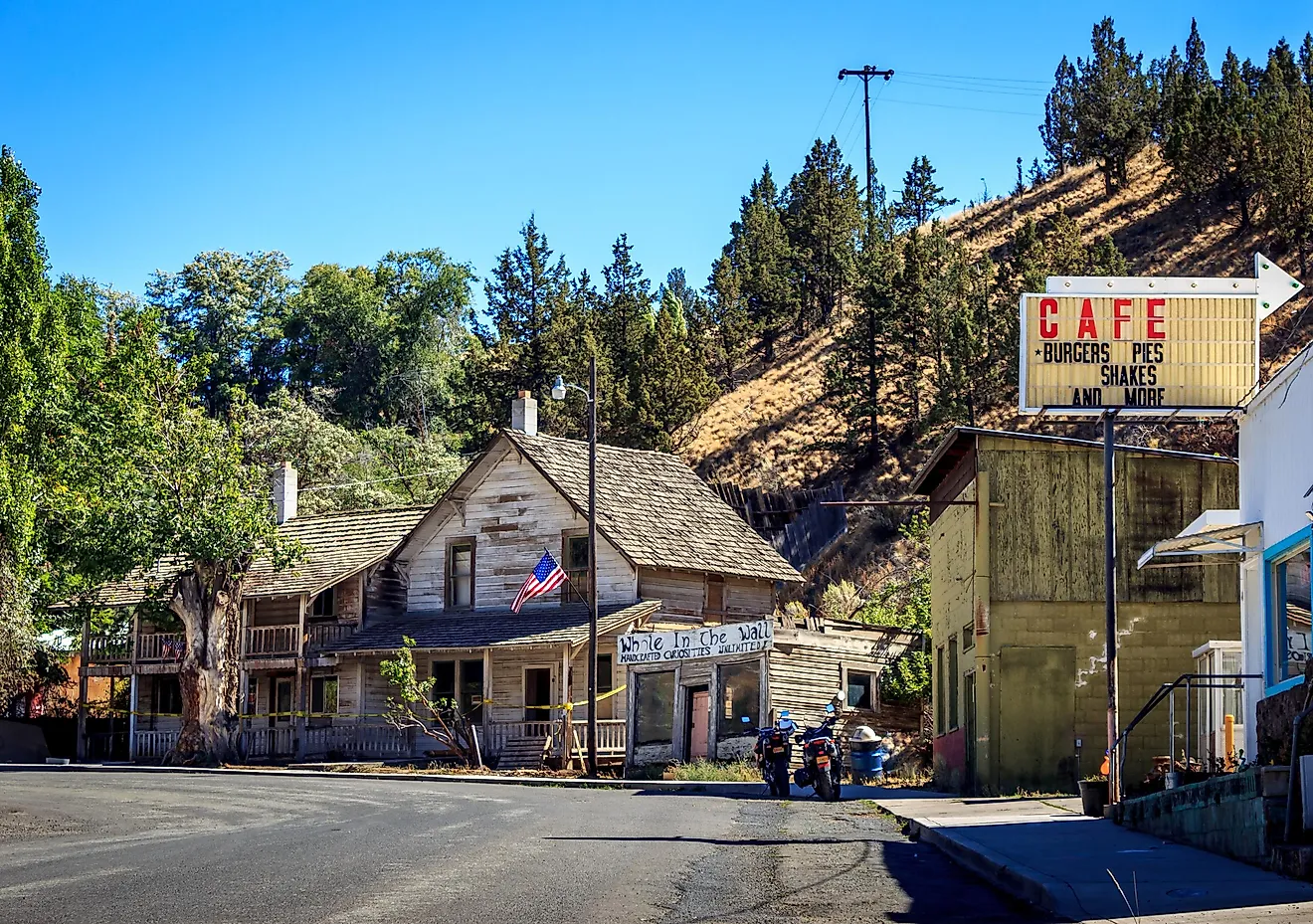
In the eastern Cascades, the tick threat inside Deschutes National Forest works differently than it does west of the mountains. The danger here is not trailside grass but the old rustic cabins and rodent-run structures at higher elevations.
Unlike hard-bodied ticks that wait on grass for a host, the soft tick (Ornithodoros hermsi) does not "quest" outdoors at all. It shelters in crevices inside and around cabins and feeds at night, often for only a few minutes. Those quick bites can go unnoticed, and the CDC links this tick to the bacterium behind soft tick relapsing fever. The Oregon Health Authority ties the risk to rodent-accessible cabins in remote and seasonal parts of eastern Oregon, including areas of Deschutes County.
The forest is known for rustic Forest Service guard stations, log cabins, and yurts that hikers can book overnight. They include the Fall River Guard Station from the 1930s and Green Ridge Lookout, a 1960s fire tower with views of Mount Jefferson. Neither site is tied to a documented tick bite, but structures like these draw rodents and raise the odds of meeting a soft tick.
Mount Hood National Forest

The Salmon River drainage on the western flank of Mount Hood National Forest is one of Oregon's few places where both the Western Black-legged Tick and the Rocky Mountain Wood Tick are established. Their habitat concentrates in the drainage's moist river corridors rather than spreading evenly across the forest. The Salmon River and Salmon Butte trails, near the Green Canyon Campground, run straight through the ground the CDC flags for these species.
The river's narrow valley floor holds late-season moisture from snowmelt and shaded runoff, feeding thick stands of alder, vine maple, and fern. Those damp pockets let ticks survive well into the dry summer.
Lower elevations near Hood River and in the Columbia River Gorge carry the same ticks, mostly in spring and early summer.
Rogue Valley

The Rogue Valley in southern Oregon blends oak savanna, irrigated bottomland, and dry foothill woodland. That patchwork builds steady tick habitat along its trails and greenways.
The valley's warm, dry summers and mild winters have earned it comparisons to California's Napa Valley and built a strong wine-growing scene. That same climate keeps its trails and vineyard edges among the likelier spots in southern Oregon to pick up a tick.
The valley's main human-biting ticks are the Western Black-legged Tick, the Pacific Coast tick (Dermacentor occidentalis), which spreads Pacific Coast tick fever, and the American dog tick. All three show up in Oregon's public health surveillance. The risk concentrates in a few places: the shaded brush of the Bear Creek Greenway between Ashland and Medford, the oak-and-grass edges around the Upper and Lower Table Rock trails, and the deer-heavy foothill routes near Lower Rogue River access points.
Enjoying Oregon's Trails Without the Worry
A day at Powell Butte, a walk along the Rogue River Trail, or an afternoon in Mount Hood's forests does not have to hinge on a fear of ticks. Knowing the ground they favor is what keeps a hike safe: the grassy trail edges, the shaded river valleys, and the rodent-run cabins. Oregon's ticks and their diseases behave differently than in much of the country, and a quick body check after every outing stays the simplest protection.