8 Main Streets Where Northern California Comes Alive
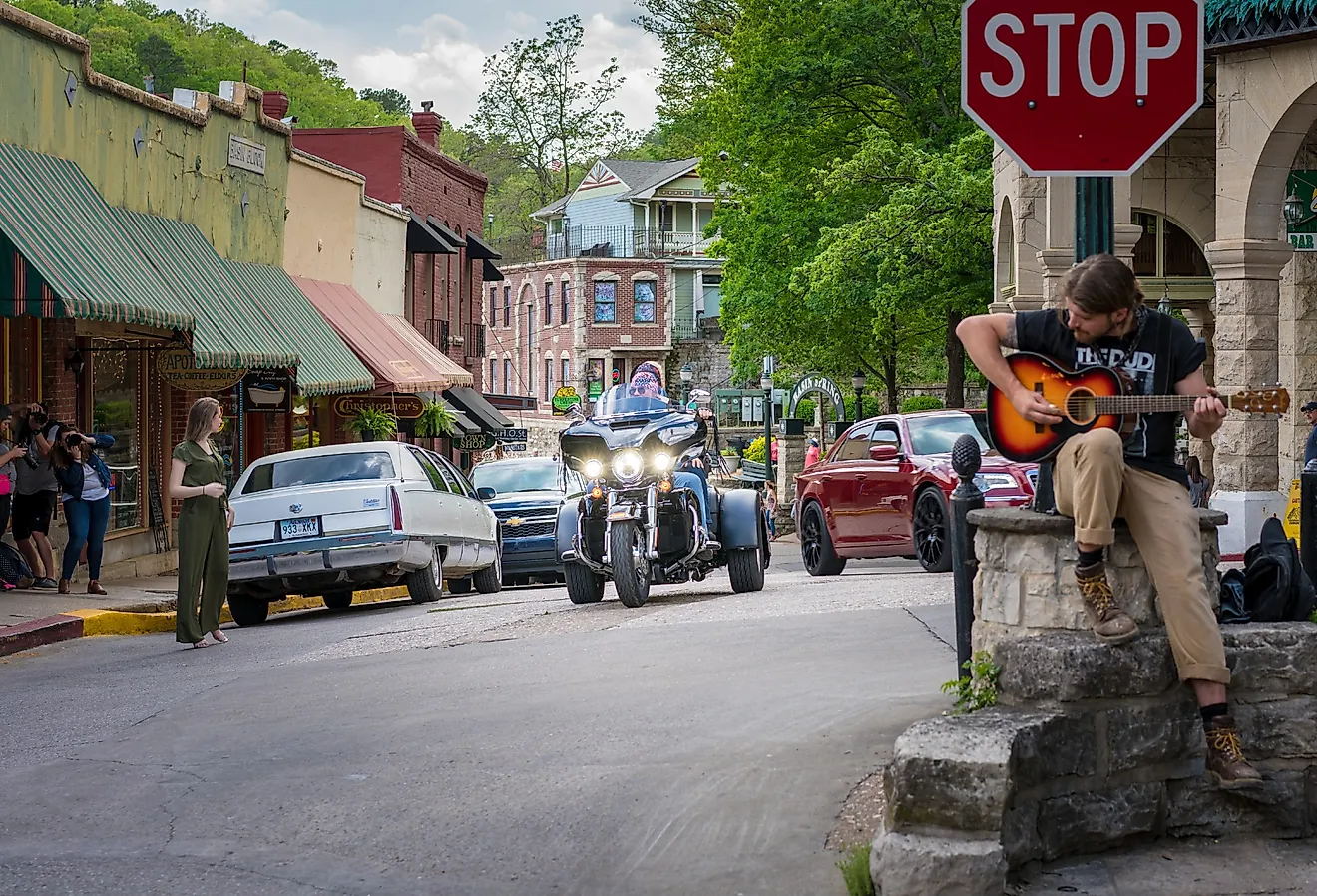
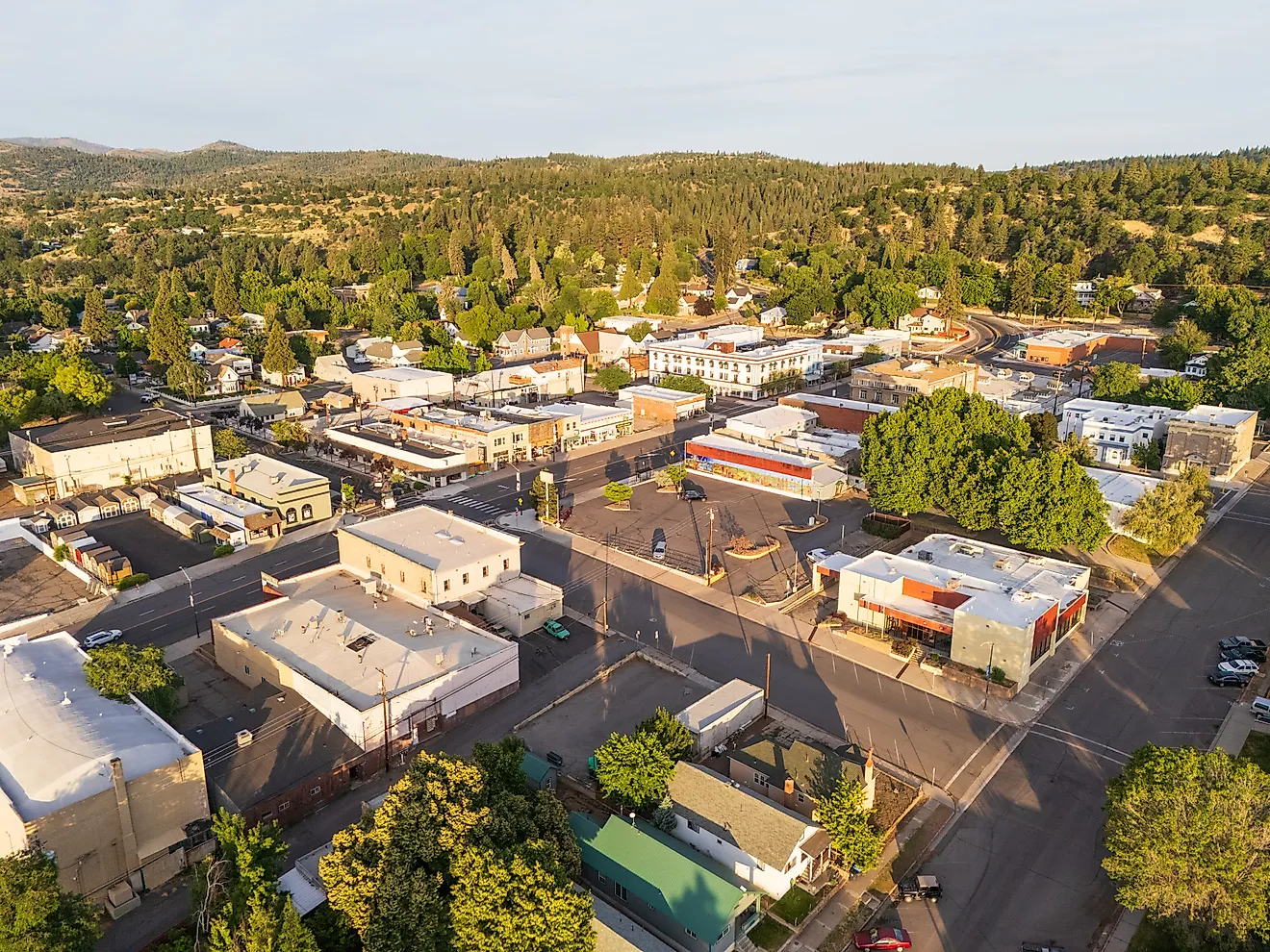
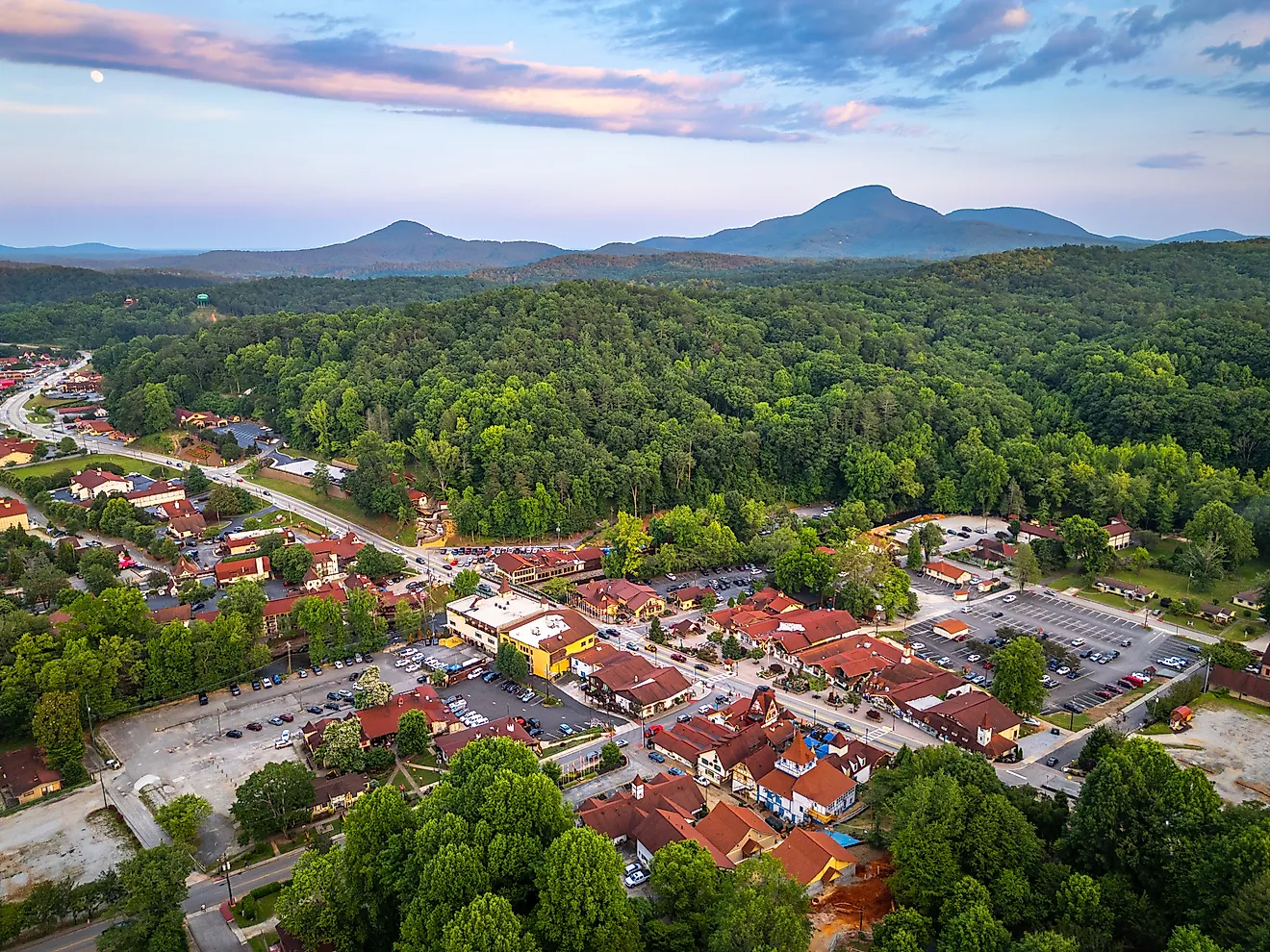
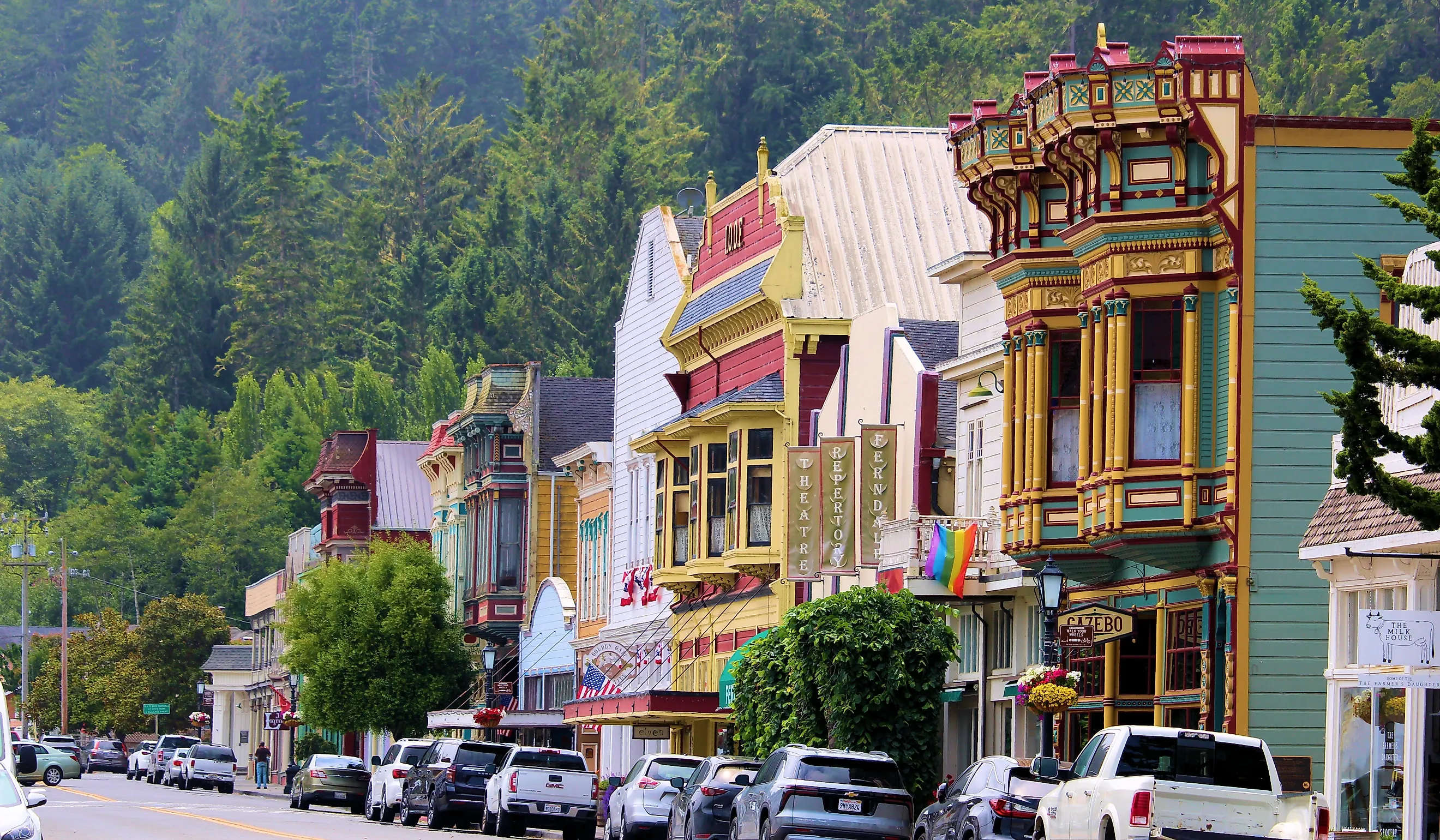
Northern California's downtowns were each raised by a different industry, and most of them are still trading out of the buildings that industry paid for. On Broad Street in Nevada City, a theater that opened in 1865 sells tickets up the block from a cocktail bar working out of another Gold Rush storefront. Out on the Humboldt coast, Ferndale's Main Street lines up Victorian storefronts built with dairy money, and a working forge and a repertory theater occupy them now. Around Sonoma Plaza, tasting rooms and garden cafes ring the square where the Bear Flag Revolt broke out in 1846. The eight main streets below are alive and thriving in a modern world built by some of the country's original economic drivers, and each honors that history in its own unique way.
Nevada City

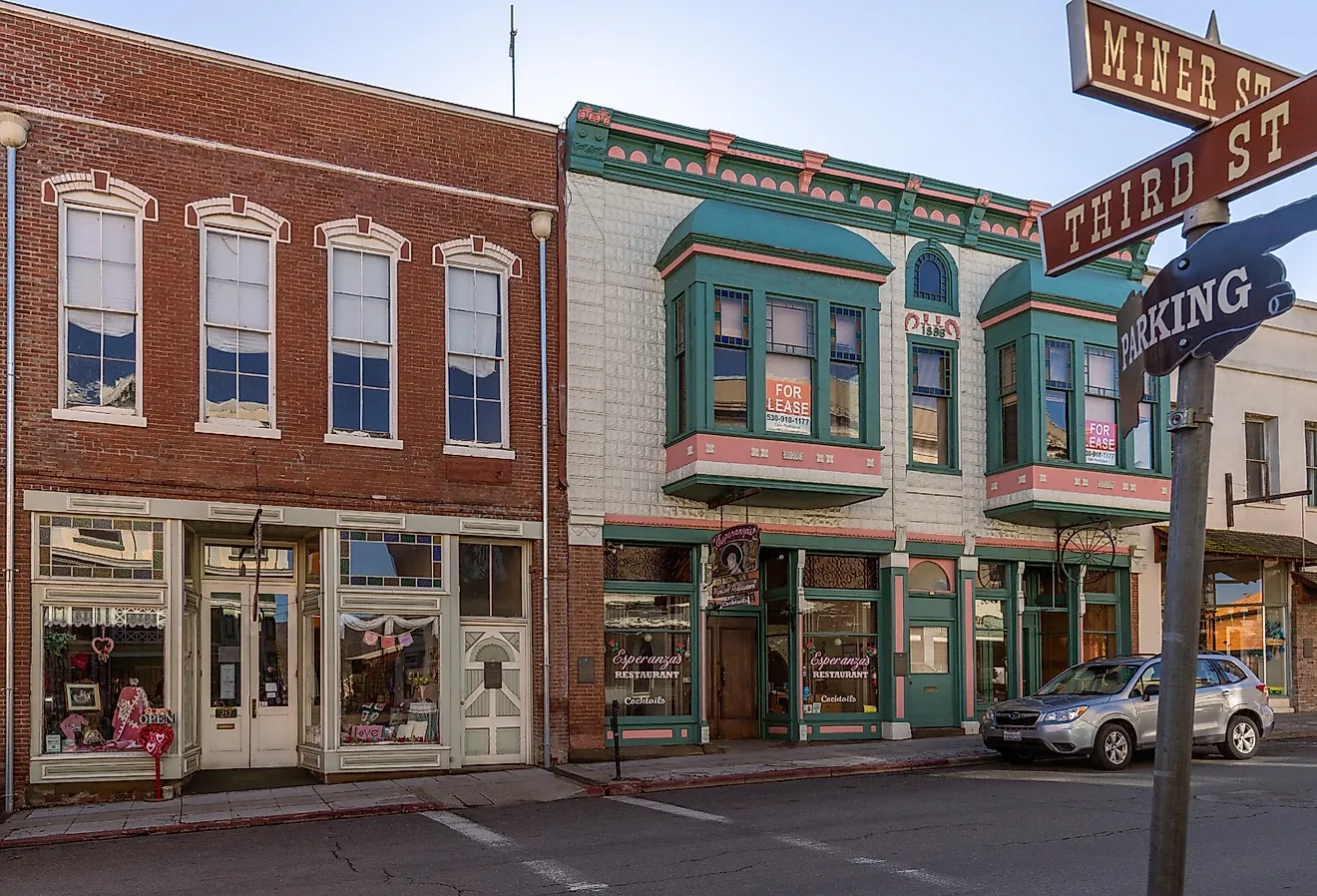
Broad Street in Nevada City is a present-day reminder of California's Gold Rush. Prospectors struck rich diggings on Deer Creek in the fall of 1849, and many of the brick buildings raised in the boom years that followed still line the downtown. The Nevada Theatre is one of them. It opened in 1865 and is California's oldest existing theater building, and it continues to host live performances and film screenings. The Empire Mine State Historic Park is a short drive away in Grass Valley, where the surface works and the owner's cottage survive from one of the state's richest gold mines. For a drink a few doors down, the Golden Era Lounge pours cocktails and books live music regularly.
Ferndale

Ferndale is one of those places that reads as stuck in time, with Victorian storefronts that still carry one of this state's most important industries: dairy farming. European settlement dates to 1852, and the town grew as local ranchers shipped butter and dairy products throughout the region. The Ferndale Museum offers a closer look at the town's farming roots and the Native American history of the surrounding valley. Theater lovers can catch a performance at the Ferndale Repertory Theatre on Main Street, which has staged live productions for decades. Before leaving town, stop by The Blacksmith Shop, a working forge and gallery where smiths sell hand-forged ironwork in a trade that once kept Humboldt County's ranches and mills running.
Sutter Creek

Sutter Creek's main street is another one reminiscent of California's Gold Rush. The Sutter Creek Theatre, built in 1919 by John Ratto as a silent film house, has been restored and remains a gathering place for concerts and live entertainment. Knight Foundry, established in 1873, is the last water-powered foundry and machine shop in the United States. It still holds the equipment that once supplied Gold Country mines, and it opens for tours on scheduled Saturdays. The Monteverde Store Museum a few steps away preserves a country store that opened in the 1890s and closed for good in 1971, its shelves left stocked exactly as the last owner walked away from them. Taken together, the preserved architecture along this main street is what earned Sutter Creek its nickname as the Jewel of the Mother Lode.
Mendocino

On a completely different note, Mendocino's main street tells the story of a coastal community built by lumber workers and fishermen after the first sawmill reached Big River in 1852. The Kelley House Museum occupies an 1861 home on Albion Street. Its exhibits trace how logging and shipping shaped the village before tourism arrived. Just beyond downtown, Mendocino Headlands State Park opens ocean views from trails that circle the cliffs surrounding the town. The Highlight Gallery on Kasten Street shows furniture, ceramics, jewelry, and sculpture from Northern California makers. For a meal or a coffee between all that, Mendocino Cafe on Lansing Street keeps a casual room and a deck above the village.
Healdsburg

Healdsburg is known around the world for wine, but the town's history stretches back to its early days as an agricultural center along the Russian River. The Healdsburg Museum and Historical Society traces that shift, covering the farming and ranching that came first and the wine industry that reshaped the region afterward. The town square sits in the heart of the downtown grid, with the shops and tasting rooms of the surrounding blocks facing onto it. For a meal, Barndiva on Center Street builds its menus around Sonoma County growers. Outside the main streets, the Russian River offers kayaking and swimming along the working landscape that shaped this community long before wine did.
Sonoma

Speaking of wine country, Sonoma's downtown is where the state's early history and modern wine culture meet. The city grew around Sonoma Plaza, the largest in California, which served as a center of government and trade during the Mexican and early American periods. The plaza was also the site of the 1846 Bear Flag Revolt, an event that helped push California toward statehood. Inside Sonoma State Historic Park, visitors can explore preserved buildings tied to the area's Mexican and early American history. Mission San Francisco Solano stands at the northeast corner of the plaza as the last and northernmost of the twenty-one Alta California missions, founded in 1823 and the only one established under independent Mexico. After the historic sites, Sunflower Caffé serves coffee and meals in the garden behind Salvador Vallejo's old adobe on the west side of the plaza.
Auburn

Auburn's Main Street area grew from the California Gold Rush, when miners arrived searching for fortune along the American River. Much of that history remains visible, with nineteenth-century buildings now serving a new generation of businesses. The Gold Rush Museum occupies the old Auburn Depot building on Lincoln Way and reopened in 2018 with a mining tunnel and an indoor panning stream. Just south of Old Town, the Bernhard Museum Complex fills an 1851 building that started as the Traveler's Rest Hotel and later supported a working winery. Outdoor enthusiasts can head to the Auburn State Recreation Area, where trails follow the North and Middle Forks of the American River through former mining landscapes. Back downtown, The Pour Choice on Sacramento Street runs a craft coffee bar and taproom out of a restored storefront.
Fort Bragg

Like Mendocino, Fort Bragg's Main Street reflects Northern California's history as it was shaped by the timber trade and the Pacific Ocean. The site began as a military post in 1857, and the town that followed was incorporated in 1889 and grew into a major logging center. The Guest House Museum preserves that history inside an 1892 house that the Union Lumber Company built for visiting executives, with exhibits covering the logging industry and early residents. The Skunk Train still leaves the depot at the foot of Laurel Street, running vintage cars through the redwood forests that once fueled the local economy. North of downtown, Glass Beach sits within MacKerricher State Park, where decades of dumped refuse were ground down into the smooth glass that now covers the shoreline. For fresh seafood and harbor views, Princess Seafood serves an all-female fishing crew's catch at Noyo Harbor, a mile south of Main Street.
Reading a Main Street
Northern California's main streets reveal the stories behind the landscapes people already know. The redwoods and the vineyards may draw the eye first, but these downtowns explain the communities that built the region. The buildings are the evidence: a foundry that still runs on water and a store left stocked from the day its owner locked the door. Each one survived because the industry that raised it left enough behind to be worth keeping. Sometimes the clearest way to understand a place is to stand where its story began and experience the characters and setting firsthand.