8 Coolest Small Towns in South Carolina for a Summer Vacation
South Carolina summer means a specific kind of trip: barrier-island beach days, Lowcountry boil dinners, and a lot of porch sitting between the two. Sullivan's Island holds the actual Civil War starting line and a quiet wide beach. Edisto Beach skipped the resort era entirely and still has zero high-rises along the strand. Kiawah Island runs a 10-mile beach that consistently shows up on national best-of lists. Travelers Rest and Newberry give a counterpoint, with Blue Ridge access and Piedmont history when the beach gets old. Eight towns, eight different summer rhythms.
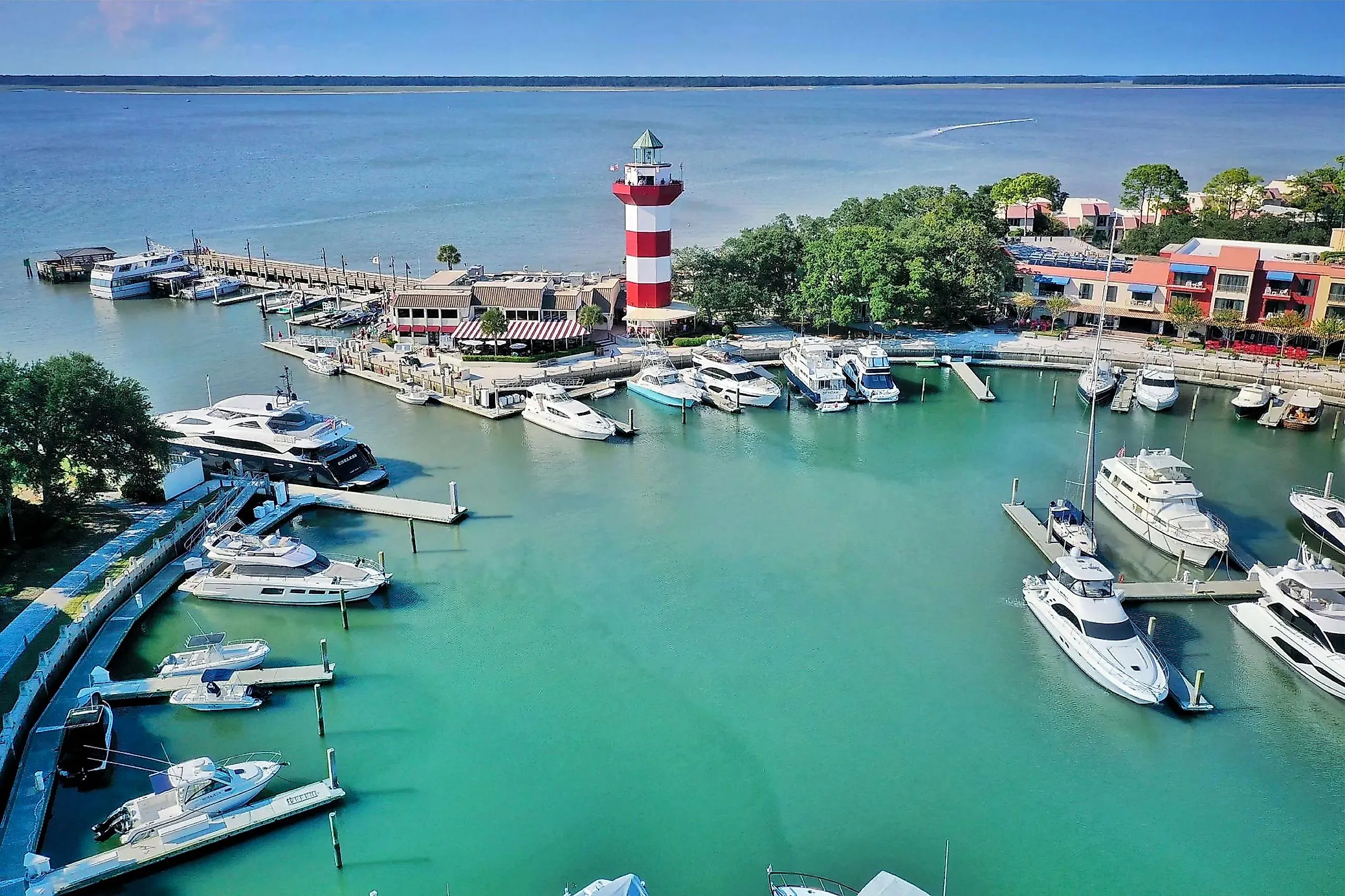
Hilton Head

Hilton Head Island is the largest of the South Carolina barrier islands by both area and population, at about 41 square miles and 38,000 year-round residents (which roughly triples in peak summer). Twelve miles of beach handle the headline activity, with Coligny Beach Park and Driessen Beach Park as the most accessible public access points. Beyond the beach, the island carries more than 250 holes of golf including Harbour Town Golf Links (home of the RBC Heritage on the PGA Tour each April).
The Pinckney Island National Wildlife Refuge to the immediate northwest offers about 14 miles of trails through marsh and maritime forest. The Coastal Discovery Museum at Honey Horn covers Gullah-Geechee culture, native plants, and coastal ecology across a 68-acre site with hiking trails. Sea Pines Forest Preserve in the southern tip of the island runs more interpretive trails through 605 acres of native habitat.
Travelers Rest

Travelers Rest is the inland summer alternative for South Carolinians who want mountain air without leaving the state. The town of about 7,000 sits in the northwest corner of the state as the southern gateway to the Blue Ridge Mountains. The Prisma Health Swamp Rabbit Trail is the headline feature: a 22-mile paved path along an old railroad corridor connecting Travelers Rest to Greenville and the Furman University campus, with about 600,000 annual users.
Paris Mountain State Park (10 minutes south) and Jones Gap State Park (20 minutes north) cover hiking, swimming, and waterfall hunting (Rainbow Falls in Jones Gap drops 100 feet through a moss-covered rock face). Hotel Domestique above town is the cyclist's overnight pick, founded by retired professional cyclist George Hincapie. The downtown food scene punches above its size, with Sidewall Pizza and Tandem Creperie running through the warmer months.
Sullivan's Island

Sullivan's Island holds the actual Civil War starting line. Confederate batteries at Fort Moultrie fired the opening shots of the war at Fort Sumter on April 12, 1861, and Fort Moultrie is now part of Fort Sumter and Fort Moultrie National Historical Park. The barrier island covers about three square miles and houses fewer than 2,000 year-round residents, which keeps summer beach crowds modest compared to nearby Folly Beach.
The 140-foot Sullivan's Island Lighthouse (also called the Charleston Light), completed in 1962, is the only US lighthouse with an elevator and remains the youngest major lighthouse in the country. Poe's Tavern handles the food and beer scene with a menu of burgers named after Edgar Allan Poe's works; Poe served at Fort Moultrie in 1827 as a young soldier, which is how the name landed here. Station 22 and The Obstinate Daughter both run waterfront dinner scenes for evenings after the beach.
Edisto Beach

Edisto Beach is what the South Carolina coast looked like before the resort era arrived in the 1970s. No high-rises along the strand, no chain hotels (the town has a single-story development restriction that effectively bans them), and a year-round population under 1,000. The town anchors Edisto Island, a working sea island about 45 minutes south of Charleston where the tomato farms and shrimp boats still operate at commercial scale.
Edisto Beach State Park covers more than 1,200 acres of maritime forest and beachfront with camping and a 4-mile interpretive trail through one of the largest stands of Spanish moss-draped live oaks on the South Carolina coast. The Edisto Island Museum traces the island's history from Native settlement through Gullah-Geechee culture, plantation agriculture, and the post-Civil War freedmen's communities. Botany Bay Plantation Heritage Preserve six miles north delivers the famous boneyard beach where weathered live oak skeletons stand in the surf.
Newberry

Newberry is the central-Piedmont counterpoint that skips the beach entirely. The town of about 10,000 sits between Columbia and Greenville and dates to 1789. The Newberry Opera House, built in 1881 and on the National Register, runs a year-round concert and theater calendar with acoustics that book major touring acts (the venue seats 426 with a fully restored 19th-century interior). Newberry College, founded in 1856, anchors the small-college calendar with sports and lectures.
The Wells Japanese Garden on Lindsay Street is the surprise summer stop, a meditative half-acre laid out in the 1930s by Mary Goodwin Wells in memory of her husband. Downtown's brick storefronts have filled in with restaurants and coffee shops over the past decade, and the Saturday morning farmers market runs spring through fall.
Daufuskie Island

Daufuskie Island is the southernmost inhabited sea island in South Carolina and is accessible only by boat, ferry, or charter helicopter (no bridge has ever been built to the island). The year-round population sits between 500 and 600, and the island remains a stronghold of Gullah culture, the African American community descended from enslaved West Africans who lived on the sea islands. Pat Conroy taught school here in 1969 and wrote about the experience in The Water Is Wide.
About three miles of beach edge the Atlantic, and visitors typically explore by golf cart along sandy roads. The Billie Burn Museum on the north shore holds local artifacts and Gullah history. The Bloody Point Lighthouse marks the southern tip, and the Haig Point Lighthouse on the north shore is the second-oldest standing rear range light in the United States (built 1873). Daufuskie Rum Company runs a craft distillery on the island, and Marshside Mama's serves Lowcountry boil with marsh views.
Kiawah Island

Kiawah Island is the high-end resort island of the South Carolina coast, with a year-round population around 1,800 and a 10-mile beach that consistently ranks among the best in the country. Kiawah Island Golf Resort holds five courses including the Ocean Course that hosted the 2012 and 2021 PGA Championships (and is scheduled to host again in 2031). Beachwalker Park at the southern end of Kiawah is the only fully public-access portion of the island, with restrooms, showers, and a picnic area in maritime forest.
Bobcats, alligators, and loggerhead sea turtles all use the island, with the loggerhead nesting season running May through October (the Kiawah Island Turtle Patrol monitors and protects more than 200 nests per year). Captain Sam's Inlet on the southern tip changes shape every few years as sand redistributes, and shorebirds use the area heavily for resting and feeding during migration.
Georgetown

Georgetown was established in 1729 (charter granted) and laid out in 1734 as the third-oldest town in South Carolina behind Charleston and Beaufort. The Prince George Winyah Episcopal Church, organized in 1721, predates the town itself. The Kaminski House Museum on the Sampit River walks visitors through 18th- and 19th-century rice-plantation history (Georgetown produced more than half of America's rice crop in the antebellum period), and the Rice Museum traces the crop that built the Lowcountry economy.
The Harborwalk runs along the waterfront with restaurants, shops, and tour-boat docks for trips out to Hobcaw Barony (a 16,000-acre research preserve) and the Georgetown Lighthouse on North Island. The downtown Front Street strip handles the food scene with seafood spots, breweries, and pie shops. Brookgreen Gardens about 15 miles south of town covers 9,100 acres of formal sculpture gardens (the largest collection of American figurative sculpture in the country) and adjoining preserve land.
Eight Towns, Eight Summer Rhythms
Hilton Head runs the resort-scale summer. Sullivan's Island holds the Civil War history with a quiet beach. Edisto Beach keeps the no-high-rise throwback feel. Daufuskie runs the ferry-only Gullah-culture summer. Kiawah delivers the PGA-grade golf weekend. Georgetown anchors the colonial-waterfront summer. Travelers Rest and Newberry pull the inland counterpoint, with Blue Ridge access and Piedmont history. Whatever rhythm fits the trip, the state has a town shaped to it.