8 Connecticut Towns Where Time Stands Still
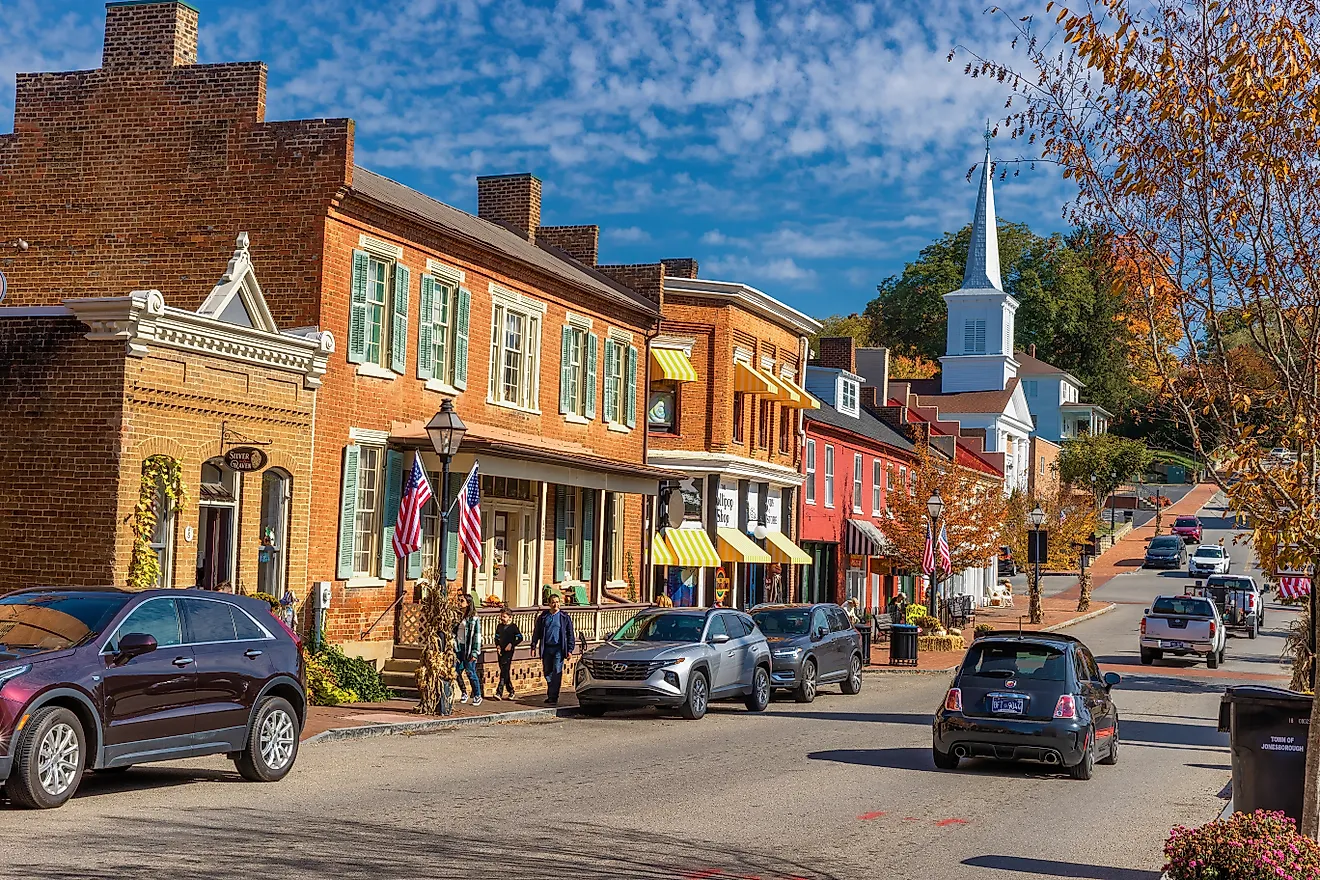
Connecticut is home to some of America’s oldest sites and attractions, whether you explore the largest living maritime museum in Mystic, stay at one of the oldest continuously operated inns in Old Saybrook, or wander the galleries at one of the oldest contemporary art museums in Ridgefield. Lovely historic towns offering movie-set perfection are found across the state, from the rolling hills of the Berkshires to the banks of the state’s flowing rivers and coastal towns on Long Island Sound to lovely rural towns in the Litchfield Hills.
To experience the time-traveling effects of New England's well-preserved history, visit these eight Connecticut towns where time stands still.
Chester

Chester’s riverside setting is quintessential New England, nestled in the Lower Connecticut River Valley. Chester’s sawmills and lumberyards kept the town docks busy and included one of the most extensive lumber and ship plank building outfits in the state.
The Chester-Hadlyme ferry, launched by Captain Jonathan Warner in 1769, is now one of the last ferries still crossing the Connecticut River. The original privately owned operator, Warner’s Ferry, transported supplies during the Revolutionary War. Today, visitors take the short ferry ride for its scenic views of the river and the majestic mansion rising up from Gillette Castle State Park. William Gillette’s modern medieval-style stone castle is surrounded by serene, wooded grounds where you can stroll along the river or book a tour to see the castle’s elegant interior.

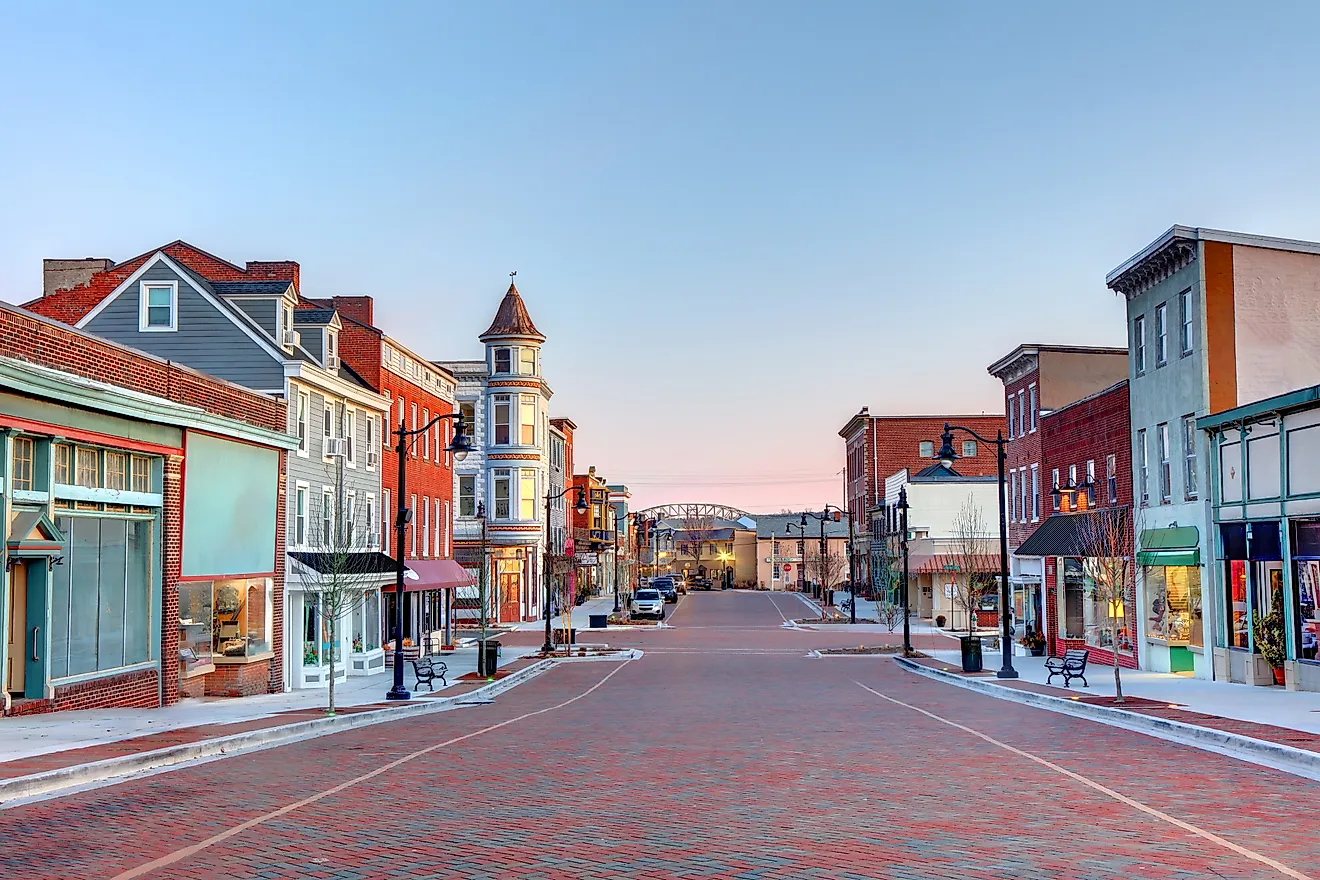
Chester’s downtown is lined with historic 19th-century shop fronts and colorful clapboard façades that follow the gentle curve of Main Street. The Little House Brewing Company is a cozy downtown destination in an almost 200-year-old building where the taproom offers the perfect setting to sample their selection of small-batch brews.
Exceptional eateries offer diverse cuisines and dining experiences in lovely historic settings. The charming restaurant Brushmill by the Waterfall sits in a rustic 1800s grist and saw mill with a back terrace overlooking the gently cascading waterfall along the Pattaconk. The menu includes a tasting option with chef-selected dishes designed to surprise and delight guests.
Kent

Historic Kent sits on the Housatonic River in the scenic Litchfield Hills near the New York state border. Incorporated in 1739, the town once relied on a thriving iron ore and farming industry. The hills come alive with vibrant red, gold, and orange foliage in the fall, enhancing the rural charm of the pastoral farmland.
The combination of historic homes, rolling hills, and treelined downtown streets would feel almost untouched if not for the hum of modern traffic. Kent Barns’ collection of restored and rebuilt historic barns along Main and Maple Streets houses galleries, restaurants, and shops like the Woodford's General Store. The general store sells locally produced products from regional farms and businesses, along with a selection of home décor items.
Kent Falls Brewing Company sits on a working farm at the foot of the hills just outside of town. Their rustic tasting room offers “Petite Pours” from its selection of craft beers and a shop to take your favorites home.
Snap some selfies at Bulls Bridge spanning the Housatonic. The historic covered bridge is surrounded by a scenic section of the Appalachian Trail, where you can discover waterfalls, a gorge, and river views. Take the Kent Falls Covered Bridge to Kent Falls State Park, where a short paved trail leads to the falls. The more challenging Kent Falls Steps Trail allows you to experience the varying cascades of the 250-foot falls fed by Falls Brook.
Litchfield

Nothing takes you back to simpler times like a New England Green. Litchfield is nestled in the Litchfield Hills, where the village green and colonial architecture are central to one of the most historic locations in Connecticut. Founded in 1715, Litchfield’s sophisticated homes and colonial heritage drew attention in the late Victorian era, ensuring the town’s buildings and historic ambience were forever preserved.
Immerse yourself in the life of a 19th-century student at the Tapping Reeve House and Litchfield Law School. Between 1774 and 1833, Tapping Reeve and James Gould’s unique approach to modern law was essential in educating over 1,000 young men.
Visit the oldest continuously operated movie theater in Connecticut at Bantam Cinema & Arts Center. Watch a movie in the 1929 theater, enjoying a cocktail or locally sourced craft beer and wine, and munching on warm, buttery popcorn.
Treat yourself to ice cream at Peaches ‘n Cream for a selection of freshly made, hand-scooped treats from classics like Cherry Vanilla with maraschino cherries and nicely spiked Rum Raisin to flavors like Cranberry Walnut and Apple Cinnamon.
Combine great food with a twist of notoriety while enjoying drinks or a meal at the Market Place Tavern. Housed in the historic jail built for British prisoners of war in 1812, the authentic cell blocks overlook the tavern’s three-story bar. Iron-barred windows and exposed brick walls create an intriguing contrast to the warm leather booths and rustic barn wood accents for a highly unusual yet pleasing dining experience.
Old Saybrook

Old Saybrook is a charming town on Long Island Sound, once central to coastal trade. The Connecticut River was a popular transport route to reach ships destined for the ocean.
Dating back four centuries, the streets along the Old Saybrook Historic Walking Tour offer a glimpse into various architectural styles spanning the 17th, 18th, and 19th centuries, from saltboxes to more prosperous Georgian houses, Greek-influenced Federal houses, and classically ornate Victorians.

Get a look inside one of the oldest homes at Hart House and Gardens. General William Hart built the house for his wife in 1767. The elegant nine-window façade and detailed cornices hint at the prosperity of the original owners, while the interiors tell visitors the General was well-traveled. Avant-garde décor, from the English tiles, wainscoting, and paneling to effective space optimization with corner fireplaces and cupboards, reflects Colonial trends. The elegant garden design features period-appropriate elements, balancing fruit trees and herbs for the kitchen with elegant roses, annuals, and perennials for viewing pleasure.
The Griswold Inn in nearby Essex is one of the oldest continuously operated inns in America. The cozy spot maintains many of the original characteristics from the time it opened in 1776. Enjoy a glass of wine by the fire in the Taproom, or indulge in an elegant chef-prepared meal in the historic dining rooms.
Pomfret

Pomfret is a rural village in the northeastern corner of Connecticut, where the ample waterways served as suitable sites for mills and helped drive early commerce. The town was claimed as English property in 1686 and incorporated in 1713. The peaceful countryside seems unaffected by modern amenities aside from the odd car encountered along the roadways.
The 1,000-plus acres at Mashamoquet Brook State Park are an excellent spot to experience the history and natural beauty of Pomfret. Pomfret’s last surviving mill building, Brayton Grist Mill, sits at the park entry on the brook. It is partially restored to its original 1890 condition, and the wood and cast-iron turbine is all that remains of the grinding equipment. The park is also home to the infamous Wolf Den, where it is said Israel Putnam shot Connecticut’s last documented wolf in 1742.
Take a tour at Sharpe Hill Vineyard, where 100 acres and lovely views offer a picturesque setting to sample award-winning wines. With over 450 medals in International tasting, this winery in the scenic countryside offers a selection of fine wines. Their Zagat-rated gourmet restaurant is beyond charming but is temporarily closed.
Relax at "Connecticut's Best Country Café," according to Yankee Magazine. Located in a restored, early 19th-century barn, The Vanilla Bean Café has been a Pomfret landmark since 1989. Friendly service, a creative menu, and a laid-back atmosphere make it the ideal spot for a snack, glass of wine, or full meal.
Mystic

With its picturesque location on the Mystic River, the New England town of Mystic had a somewhat turbulent history. From conflicting land claims in the 1630s to confusing jurisdiction in the 1650s and a land split in the early 1700s, Mystic finally found itself in or around 1890.
The river is central to the town’s charm, with the Mystic Drawbridge connecting the two sides of town for over a century. S&P Oyster offers exceptional views of the river and Bascule Bridge, where waterfront dining is all about sipping cocktails, fresh seafood, and indulgent gastro-pleasures.

The historic waterfront and seaport are dotted with reminders of the town’s seafaring past with colonial-era sea captains’ homes, charming churches, shops, and eateries. At the west end of town sits the famous Mystic Pizza, immortalized in the film of the same name. The restaurant has served its secret recipe of movie fame since 1973, and people flock to the old-school pizza joint to find out whether it really is that epic.
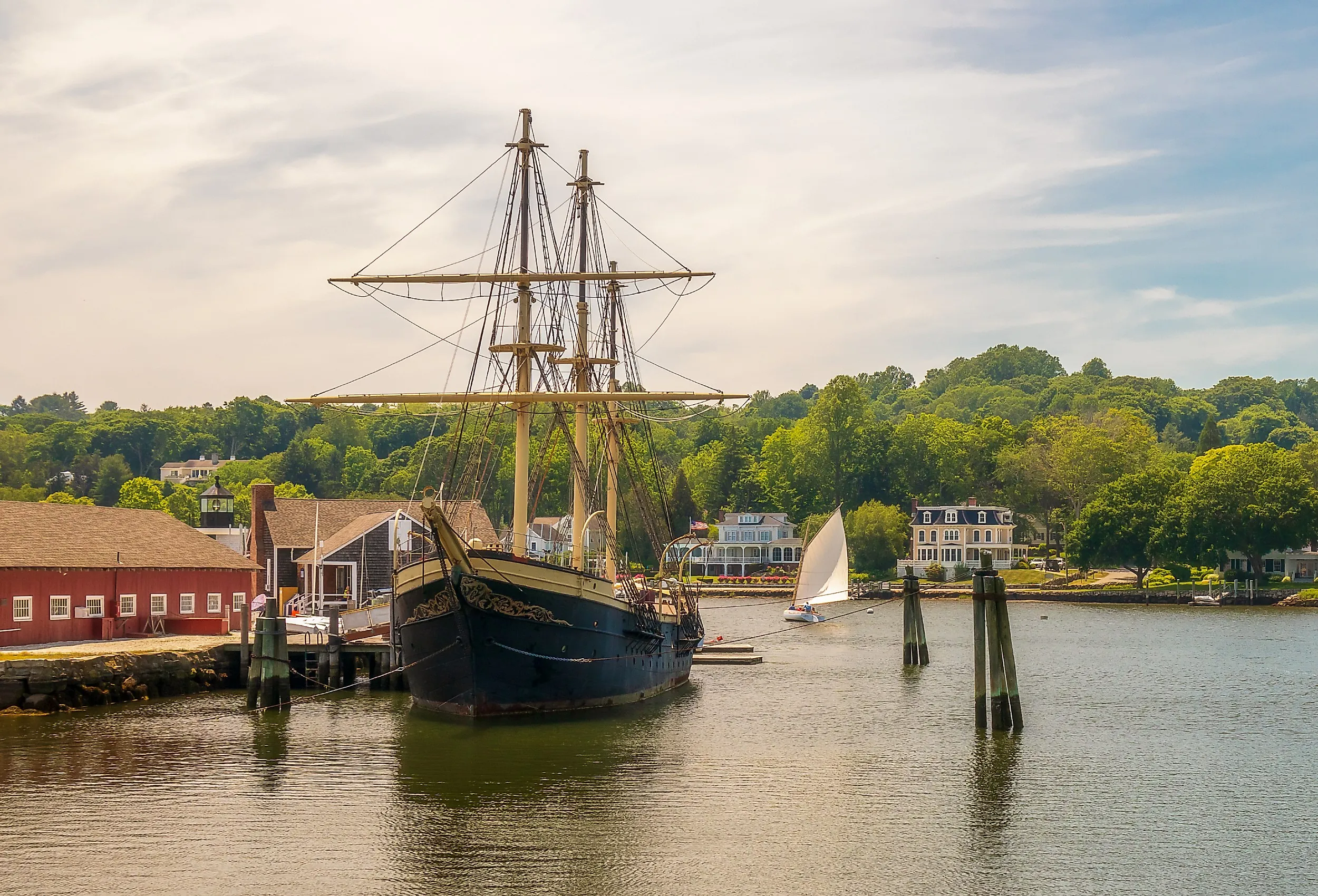
Art lovers will discover light-filled galleries and river views at the Mystic Museum of Art, where the work of southeastern Connecticut artists includes Robert Brackman, Beatrice Cuming, and Henry Ward Ranger. Mystic Seaport Museum is a recreated 19th-century Seaport Village exploring maritime history through exhibitions, a working shipyard, and exciting experiences on the water. The Museum’s flagship, the Charles W. Morgan, is the last wooden whaleship in existence, and interpreters demonstrate 19th-century skills in the historic village.
Norwich

Situated where the Yantic and Shetucket rivers form the Thames, Norwich was founded by settlers from Saybrook in 1659 and was a thriving harbor by the mid-1700s. The accessible facilities at Chelsea Landing attracted larger vessels, creating robust trading between Connecticut and the West Indies. The Heritage Riverfront Park Walkway along the Yantic River and Norwich Harbor describes the origins of Chelsea Landing and follows a brief strip of City streets ending at Yantic Falls.
The real thrills begin along the Millionaires’ Triangle Walking Trail, where you can discover the swankier side of the town’s history. Norwich claimed more millionaires per capita than any other city in the country in the mid-19th century, and the extravagant Victorian architecture at Norwich’s most desirable addresses offers a glimpse at the town’s finest homes. As you explore the area, you can imagine couples in their Victorian finery promenading along Chelsea Parade, a triangular green space installed in 1797 to enhance the value of prominent homes in the area.
Waterfront dining and drinks at These Guys Brewing Company overlooking the Thames River is a true Norwich experience. Sample craft beers and locally inspired food with a mix of surf, turf, and pub classics.
Discover emerging artists at the Norwich Arts Center (NAC) Gallery, a local art space designed to offer a place for local talent to display their work. It is the longest ongoing cooperative gallery in southeastern Connecticut, where rotating exhibits offer new opportunities to view a diverse collection of work.
Ridgefield

Ridgefield’s location in the Berkshires was purchased from the Ramapo Indians by 24 Long Island Sound families in 1708. Each family was allotted 7.5 acres and helped establish the town. By the 1820s, the town was prospering with shops along the main street, inns to accommodate vacationers, and large summer homes for prosperous New Yorkers. Over 500 historic structures of architectural and historical significance take visitors back three centuries.
Visit the galleries that helped launch the careers of many local artists at the Aldrich Contemporary Art Museum. Explore the works on display in the galleries or discover the sculptures in the beautifully maintained gardens.
Ridgefield’s Museum in the Streets installation is a self-guided tour that takes you to the town’s most notable historic sites. You can also wander the town looking for historic plaques marking the age and significance of properties.
The home converted into the town’s first tavern by Timothy Keeler in 1772 is now the Keeler Tavern Museum. Located in the center of town, the museum is set on 4 acres with lovely gardens, and the tavern’s interiors feature period furniture and household items from the 18th and 19th centuries.
Stroll along the historic main street to find a spot for drinks or dinner. The Lantern is a charming gastropub with mosaic tile floors, exposed brick, and cozy booths perfect for enjoying elevated pub fare and libations.
Connecticut's history goes beyond the nostalgia of Norman Rockwell’s New England. These eight Connecticut towns spark the imagination with visions of ancient mariners heading out to sea, elegant Victorians strolling manicured parks, and struggling entrepreneurs making their fortunes in Colonial America. Whether you take a road trip or hop a train, these eight Connecticut towns where time stands still are worth exploring.