4 Rattlesnake Hotspots In Washington
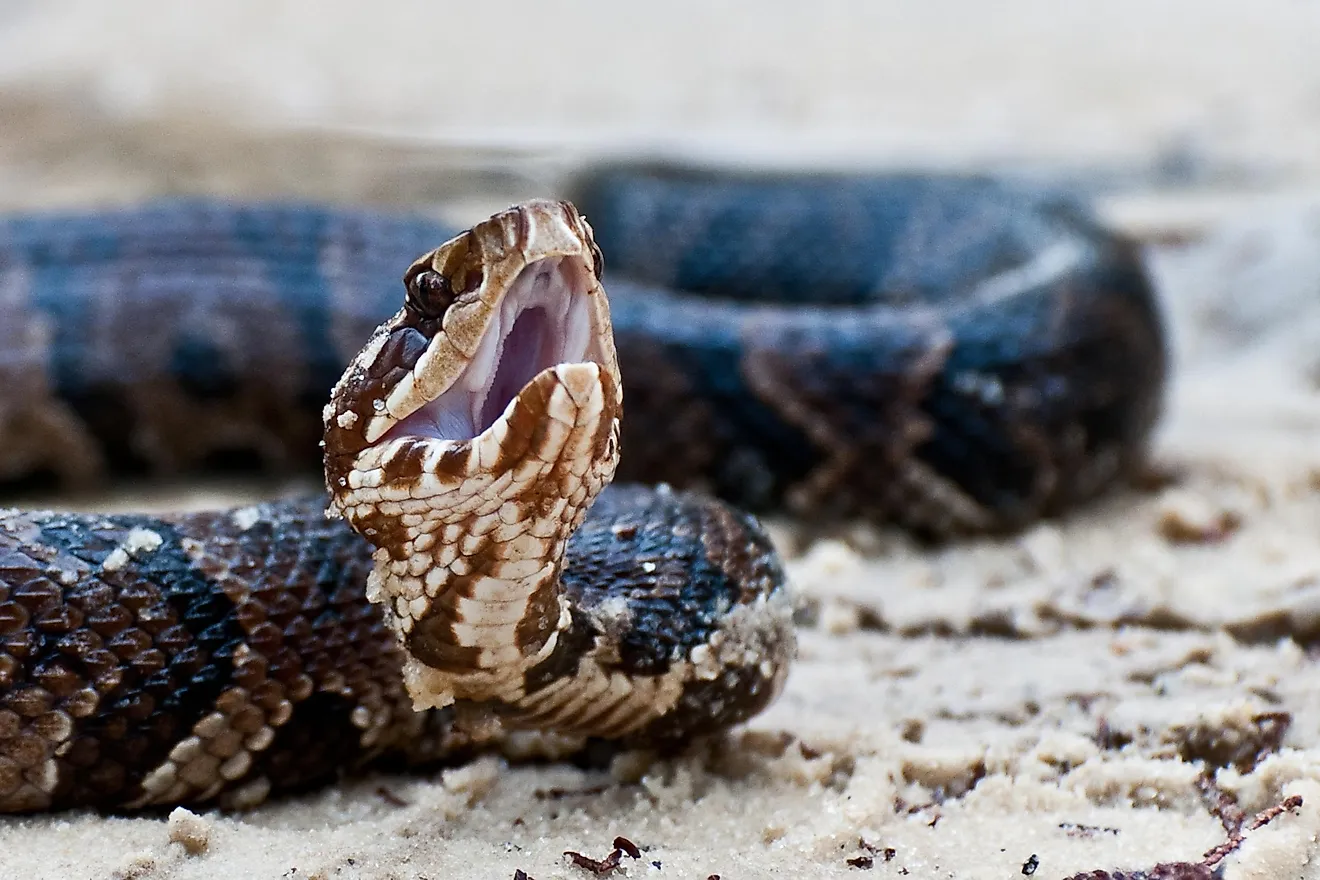
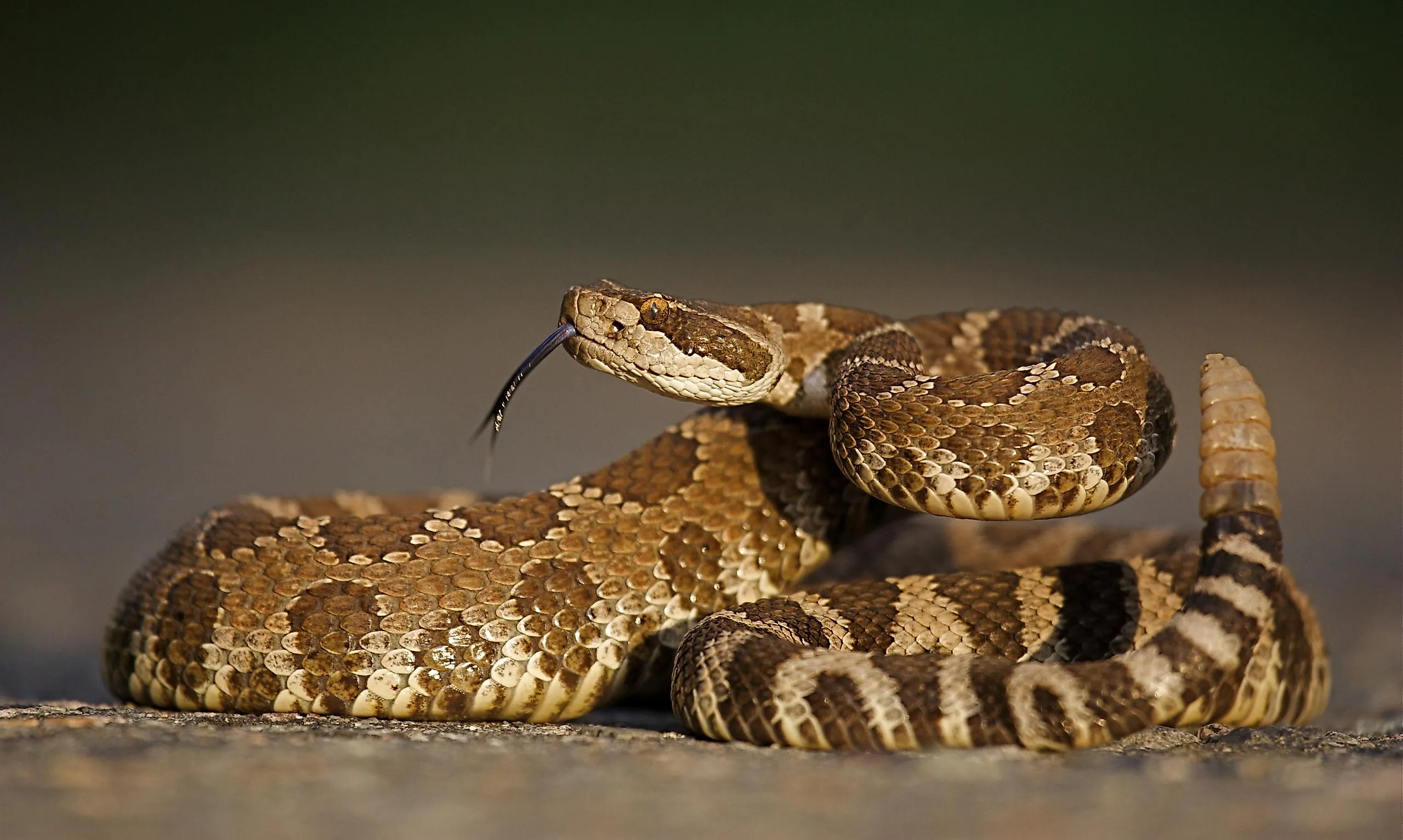
Washington State shares its wild spaces with only one native rattlesnake species: the western rattlesnake, sometimes referred to locally as the Northern Pacific rattlesnake. These snakes can be easily recognized by the tell-tale rattle at the tip of their tails, their triangular heads, and the two small pits located between their eyes and nostrils. Western rattlesnakes are typically gray, olive, tan, or brown, with large dark blotches along their backs.
Western rattlesnakes are not widespread across the entire state, however. They occur inland, primarily east of the Cascade Range, where the climate is drier and warmer. Though there is a lot of fear around rattlesnakes, they play an important ecological role by controlling populations of rodents and other small mammals. In fact, western rattlesnakes are generally shy and defensive rather than aggressive, and most bites occur when someone accidentally steps on or attempts to handle them. Read on to learn more about snake safety and the top rattlesnake hotspots in Washington state.
Columbia River Gorge

The Columbia River Gorge, one of the nation's largest scenic areas, is a well-known rattlesnake habitat, particularly on the Washington side near arid eastern sections. The steep basalt cliffs, open grasslands, and sun-exposed rocky slopes make for great hiking trails, but are also prime habitats for the western rattlesnake. Trails above river level, especially in warmer months, can bring hikers into rattlesnake territory, and the abundance of rodents and protected denning sites in rock crevices makes this region ideal for sustaining stable populations of this species of snake. Staying on the trail greatly reduces the chances of encountering a rattlesnake, as they prefer areas without humans. Though the Columbia River Gorge is a hotspot for rattlesnakes, with proper safety precautions, nature can still be enjoyed by hikers, outdoor enthusiasts, and snakes alike.
Yakima River Canyon

Stretching between Ellensburg and Yakima, this canyon is classic rattlesnake country. The dry, shrubby landscape with sagebrush, bunchgrass, and exposed rock offers excellent camouflage and basking opportunities for western rattlesnakes. South-facing slopes are particularly attractive to snakes in spring and fall, and outdoor enthusiasts, especially hikers, climbers, and anglers, frequently report sightings here. The canyon’s relatively undisturbed habitat makes it even more attractive to rattlers. By watching where you sit down or place your hands, especially climbers reaching into crevices, snake encounters can be avoided. Despite fears of snakes, the Yakima River Canyon remains a safe place for family-friendly rafting, hiking, and camping in Washington state.
Lake Chelan

Within the Okanogan-Wenatchee National Forest, Lake Chelan State Park is one of Washington’s most popular state parks. The lake itself is the deepest in the state, and one of the deepest in the United States at its maximum depth, drawing visitors in for fishing and boating. While the higher elevations around Lake Chelan are generally too cool for rattlesnakes, the lower, drier eastern slopes and rocky shoreline areas provide suitable conditions, and the mix of steep terrain, sparse vegetation, and warm microclimates allows them to live in this area peacefully. Spring and early summer are peak activity times, when snakes emerge from winter dens to bask along rocky outcrops and open areas. Staying alert while getting in and out of the water, especially along rocky shorelines, helps to deter snake encounters. There are also many marked trails around the lake, as well as designated swimming and boat launch sites that snakes tend to avoid due to human traffic in those areas.
Hanford Reach National Monument

One of the largest undisturbed shrub-filled ecosystems in the Pacific Northwest, Hanford Reach offers expansive rattlesnake habitat. Over 57,000 acres of land are open to be explored by visitors, nearly all of which is prime rattlesnake territory. Limited development and restricted public access in some areas have helped preserve natural denning sites and prey populations. The sandy soils, sagebrush flats, and rocky bluffs along the Columbia River create textbook western rattlesnake terrain. This region is often considered one of the most significant strongholds for the species in Washington. By staying out of protected sites for wildlife, snakes do not feel threatened for space and are less likely to be encountered. If you do see a snake outside of one of these areas, it is still important to give it space and stay on marked trails.
Snake Safety For Rattlesnakes in Washington State

Historically, the western rattlesnake has inhabited Washington for thousands of years. As agriculture and development expanded into eastern Washington, habitat fragmentation reduced their range in some areas. Today, they remain most common in rocky canyons, grasslands, river bluffs, and arid open country where they can bask in the sun and den in rocky crevices during winter. These areas also provide rodent-rich hunting grounds for the snakes to feed. Although these areas are ideal for rattlesnakes, they are also popular locations for hiking, swimming, and other outdoor activities. By following some simple safety tips, people and rattlesnakes can coexist in the same environment without fear.
The most important rule is to stay aware of your surroundings. If you get too close to a snake, it may react defensively. By staying aware, this can be avoided. If you do see a snake, leave space and never attempt to handle it. To help avoid snakes completely, stay on marked trails and stay educated as to what areas have a rattlesnake population.
Final Note
While rattlesnakes are an important and natural part of Washington’s eastern ecosystems, encounters are relatively rare when hikers and adventurers stay alert and prepared. Understanding where rattlesnakes live and why they thrive there helps outdoor enthusiasts explore safely while respecting the role this species plays in the state’s unique landscape. Washington is full of nature to explore for those who do it safely.