8 Best Small Towns To Retire In Utah
Retirement in a Utah small town can mean ski mornings at the country's largest resort, ranger-led hikes in red rock country, or volunteering at a museum that predates the state's first art college program. The state offers a wide enough range that the right town depends on what you want your week to look like: trail riding from your front door, a regular tee time, a thirty-minute drive to a Shakespeare festival, or all three. Eight towns stand out for their balance of recreation, services, and scale.
Park City

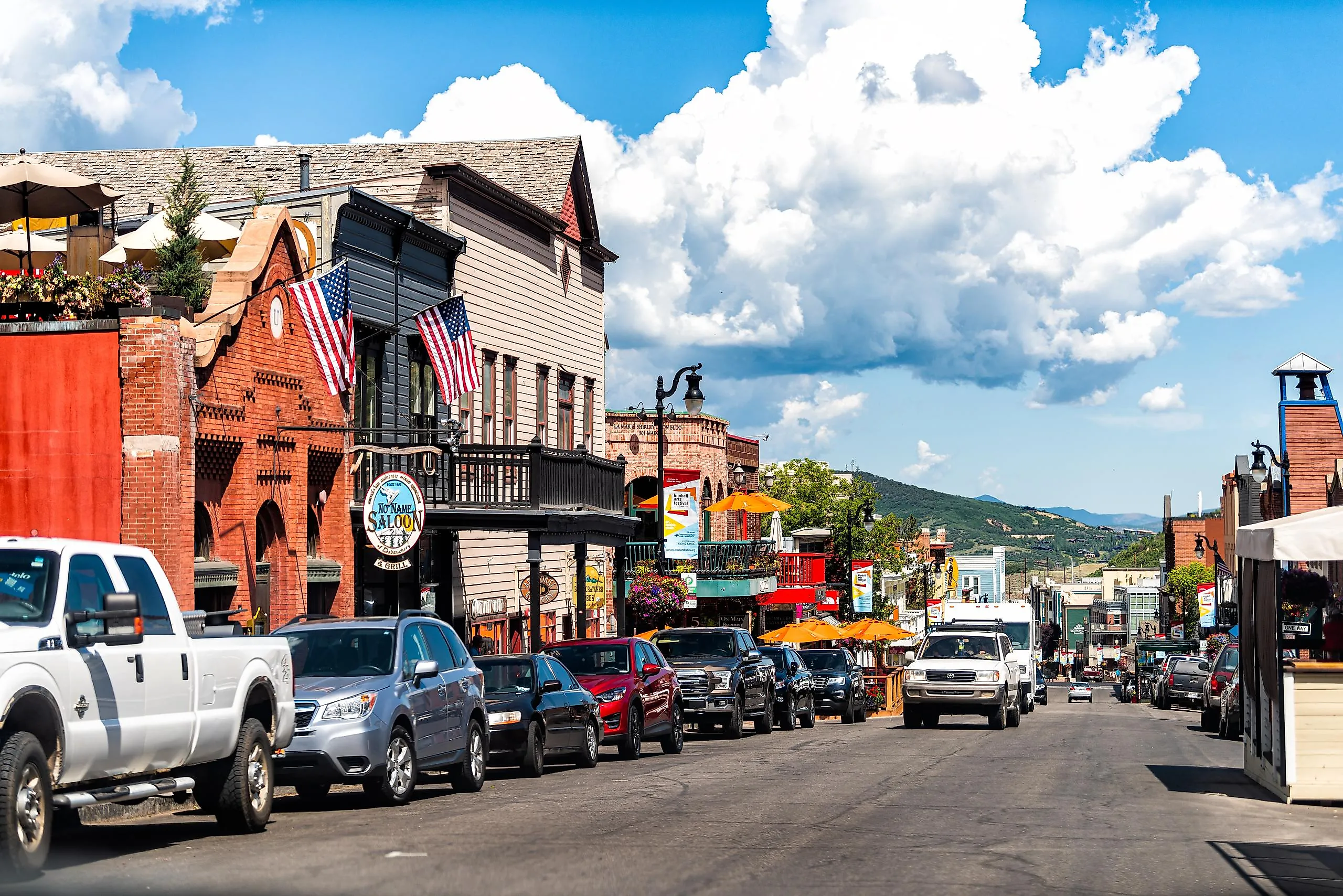
Park City sits in the Wasatch Mountains about 35 miles east of Salt Lake City and revolves, more than any other town on this list, around its ski hill. Park City Mountain Resort covers 7,300 acres of skiable terrain across 348 trails and 41 lifts, the largest single ski resort in the United States since the 2015 connection of the original resort with Canyons Village. For retirees who want to ski into their seventies, the trail mix runs heavy on intermediate terrain.
Off the mountain, downtown Park City and the Main Street Historic District preserve much of the 1880s mining-era architecture, with the Egyptian Theatre (a 1926 vaudeville house, now a year-round performance venue) anchoring one end of the strip. Riverhorse on Main remains the longstanding dining-out fixture. The Park City Museum on Main Street covers the silver-mining history that built the town, and the Sundance Film Festival every January brings ten days of films, panels, and crowds to streets a retiree might prefer to leave for the duration.
Moab

Moab works for active retirees who'd rather hike than ski. The town sits at the gateway to two national parks: Arches National Park, with more than 2,000 documented sandstone arches across 76,000 acres, and Canyonlands National Park just south, where the Colorado and Green rivers carve a mesa-and-canyon landscape across 337,000 acres. Arches alone runs the gamut: Balanced Rock (a 128-foot formation reachable by a 0.3-mile loop) for a quick stop, or the more demanding 3-mile round trip to Delicate Arch for a half-day commitment.
Closer in, the Slickrock Bike Trail covers 10.5 miles of Navajo sandstone north of town and is internationally known among mountain bikers, though plenty of older residents stick to walking it. Mill Creek Waterfall, accessible by a short hike east of town, gives you a swimming hole that runs cold even in August. The Moab Recreation & Aquatic Center provides a year-round lap pool and fitness facility, which matters in a desert town where summer highs routinely cross 100 degrees.
Bountiful

Bountiful sits about 10 miles north of Salt Lake City in the foothills of the Wasatch Range and offers something most of this list doesn't: full access to a major airport, major medical centers, and a major-league sports market without actually living in the city. The 18-hole Bountiful Ridge Golf Course climbs into the foothills with views back across the Salt Lake Valley, and the North Canyon Trail (about 6 miles round trip) runs into the same hills behind it.
Downtown Main Street holds independent shops, including Lost and Found Thrift, which rotates a regular selection of vintage furniture and household items. The Bountiful Davis Art Center hosts rotating exhibits and classes, and the Chalk Art Festival every June draws regional artists to chalk over the Main Street pavement during a weekend of music and food trucks. The Bountiful Utah Temple, built in 1995 on the bench above town, is a landmark visible from much of the valley.
Richfield

Richfield is the central-Utah option, set in the Sevier River valley about 165 miles south of Salt Lake City. The Cove View Golf Course, an 18-hole municipal layout, runs across the valley floor with views back to the Tushar Mountains. Richfield City Park provides a quiet greenspace, and Bar 86 on Main Street keeps a regular crowd through dinner and into the evening.
The Sevier Valley Center on the Snow College Campus brings concerts, basketball, and rodeo to a 5,500-seat arena, which is unusual for a town of Richfield's size. The bigger draw, though, is Fishlake National Forest just east of town. The forest covers 1.4 million acres and contains Fish Lake itself, a 2,500-acre natural mountain lake that's one of the largest in Utah and a serious destination for splake and rainbow trout. The Pando aspen clone within the forest, a single organism with more than 47,000 genetically identical stems, may be the largest living thing on earth by mass.
Cedar City

Cedar City, in southwestern Utah at the foot of the Markagunt Plateau, has built its identity around the Utah Shakespeare Festival, which has run every summer since 1961 on the campus of Southern Utah University. The festival is one of the oldest and largest Shakespeare festivals in North America, and the season typically runs from June through October across three theaters, including the open-air Engelstad Shakespeare Theatre, which opened in 2016 as a replica of the Globe.
The Southern Utah Museum of Art, on the same campus, is free and holds a permanent collection focused on regional artists. The Frontier Homestead State Park Museum on the north side of town preserves horse-drawn vehicles, a pioneer iron works, and other 19th-century Mormon settler artifacts. For outdoor recreation, Cedar City sits at the edge of Dixie National Forest, the largest national forest in Utah at nearly 2 million acres, with Cedar Breaks National Monument (a 10,000-foot rim with hoodoo formations) just 23 miles east.
Midway

Midway sits in the Heber Valley on the back side of the Wasatch, settled by Swiss immigrants in the 1860s and still leaning into that heritage with Swiss-style architecture and the annual Swiss Days festival every Labor Day weekend. The town's setting puts a retiree within a short drive of three full-scale ski resorts (Park City, Deer Valley, and Sundance) without paying Park City prices to live there.
Wasatch Mountain State Park borders the town and covers about 22,000 acres of canyons, mountain meadows, and four 18-hole golf courses. The trail network runs more than 70 miles for hiking, biking, and ATV use. Soldier Hollow, within the park, hosted the 2002 Olympic Nordic events and now operates year-round for cross-country skiing, tubing, and summer biathlon. The Homestead Crater, a 65-foot-deep mineral hot spring inside a beehive-shaped limestone dome, allows soaking and even certified scuba diving in the water below the dome's natural skylight.
Clearfield

Clearfield is a Davis County suburb about 28 miles north of Salt Lake City, set between the Wasatch foothills and the eastern shore of the Great Salt Lake. The Clearfield Aquatic & Fitness Center anchors the town's recreation infrastructure with an indoor pool, a lazy river, an indoor track, and a weight room, all within walking distance of several senior-friendly housing developments. Steed Park provides ball fields, a walking trail, and a small pond.
The bigger draw is Antelope Island State Park, reached by a 7-mile causeway across the lake. The 28,000-acre island holds free-roaming herds of American bison (around 700 head, one of the oldest managed herds in the country), pronghorn, and mule deer, plus more than 36 miles of hiking and biking trails. The Great Salt Lake Shorelands Preserve south of Clearfield protects 4,400 acres of brackish wetland critical to migratory birds. Salt Lake City itself sits 30 minutes away on I-15.
Springville

Springville, just south of Provo in the Provo-Orem metro area, calls itself Art City, and the claim has historical backing. The Springville Museum of Art traces its origins to a 1903 donation by sculptor Cyrus Dallin and painter John Hafen, making it the oldest visual fine arts museum in Utah. The current Spanish Colonial Revival building was completed in 1937 as a Works Progress Administration project, expanded in 1964 and again in 1998. The permanent collection now holds more than 2,600 works, with strengths in Utah art, twentieth-century Soviet Realism, and the annual Spring Salon (running since the 1920s).
The town's location offers practical advantages: Provo Airport, Utah's second-busiest commercial airport, is about ten minutes away; the Provo-Orem area provides extensive medical services; and Wayne Bartholomew Family Park gives residents a sandy beach for paddling. The Fifth Water Hot Springs Trail, about 30 minutes east in the Uinta-Wasatch-Cache National Forest, runs about 4.5 miles round trip to a series of mineral pools at the base of a waterfall, popular for soaking after the spring snowmelt.
Settling Down In Utah
Each of these eight towns offers a different angle on Utah retirement. Park City and Midway lean alpine and active, with skiing, golf, and high-elevation summers. Moab and Cedar City put you next door to the most striking landscapes the state has to offer. Bountiful and Clearfield trade some of the recreation for proximity to Salt Lake City's services and infrastructure. Richfield and Springville fall in between, with the cultural draws (Snow College arena, the SMA, and a Shakespeare festival within driving distance) that make the smaller-town pace work. Match the town to your week, and the retirement follows.