9 Most Relaxing Southern United States Towns
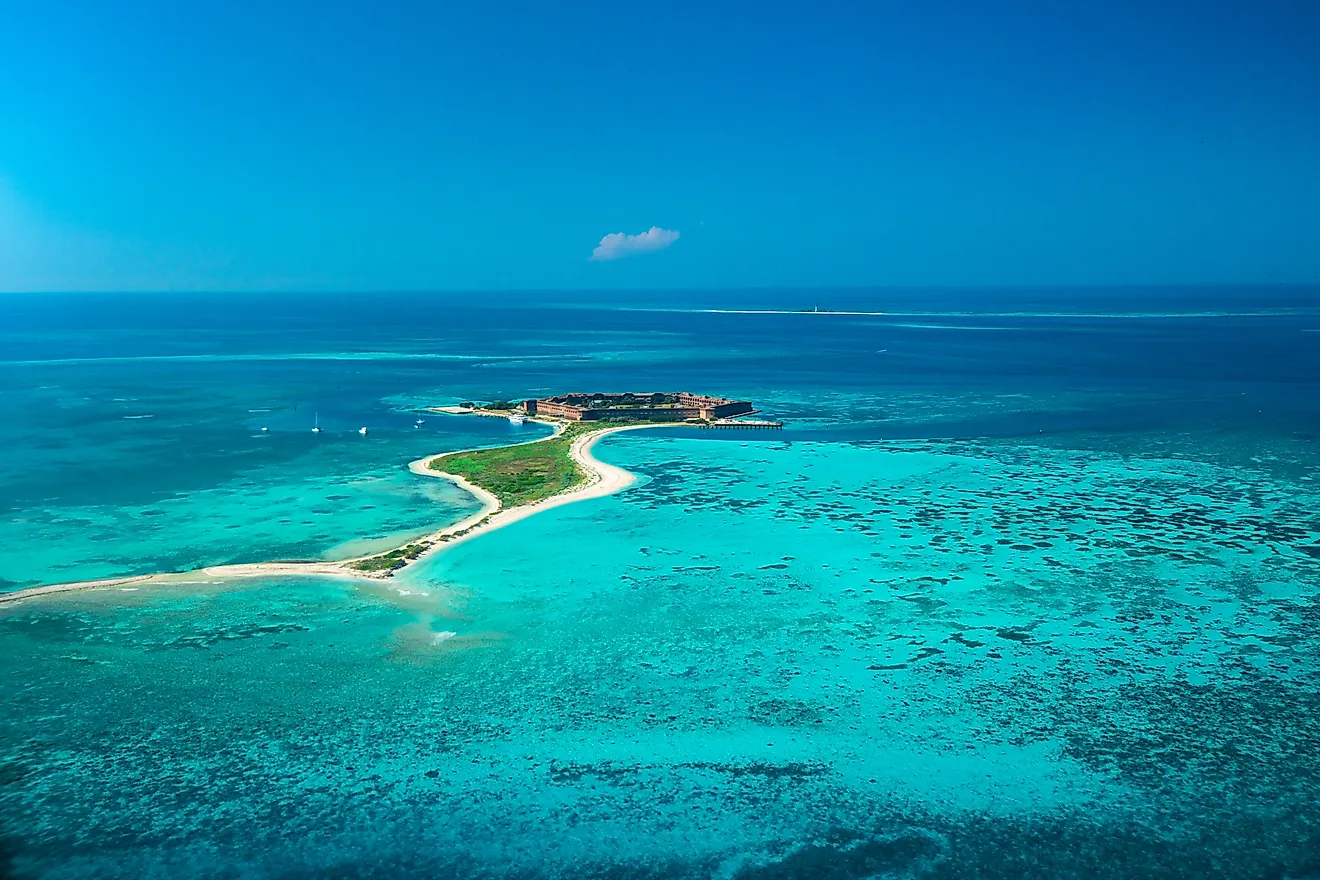
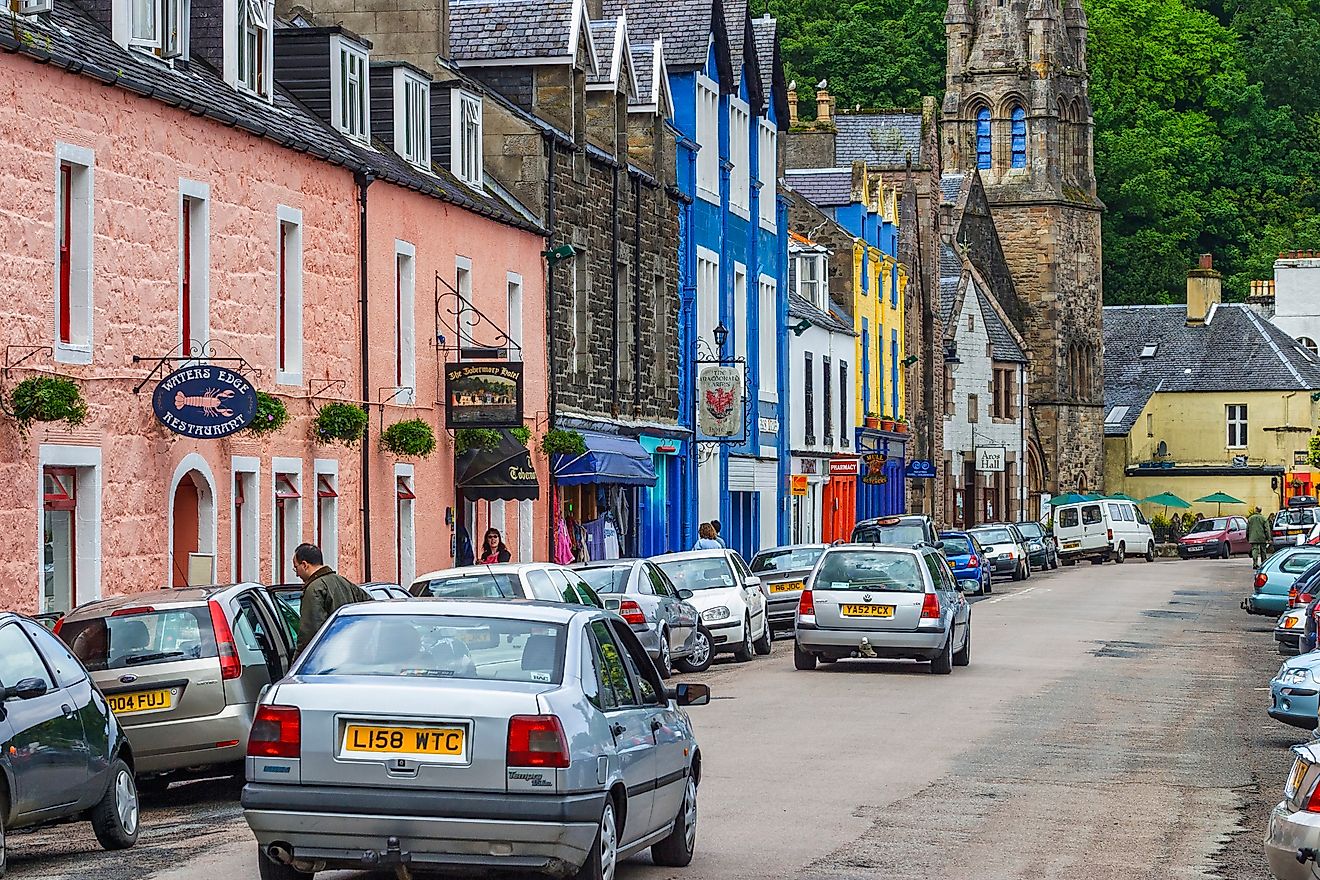
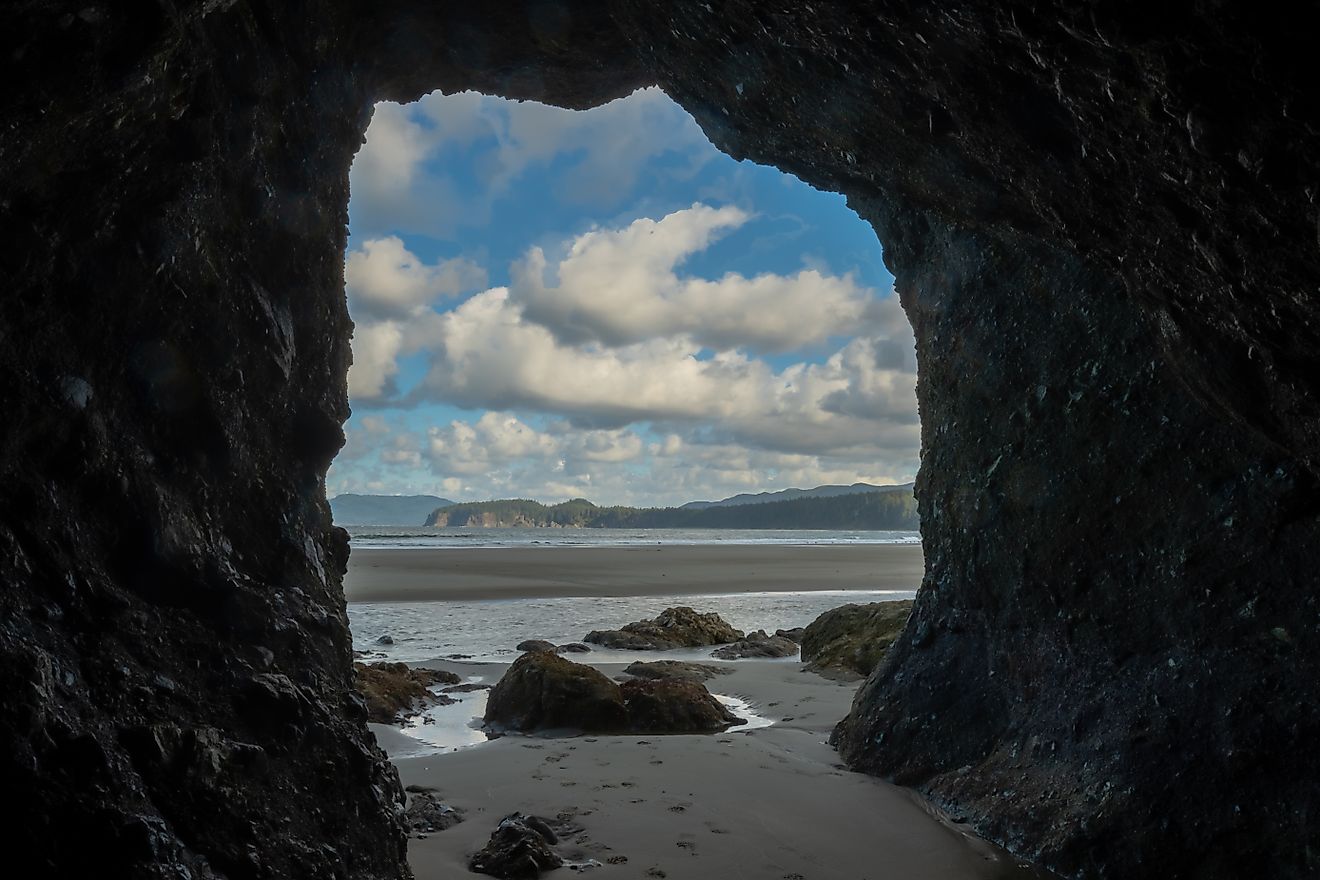
The South has a particular talent for helping people slow down, and a lot of it comes down to landscape. Coastal marshes set the pace in Apalachicola and Port St. Joe in ways that no urban planner could replicate: shrimp boats, open shorelines, and waterfronts where there's genuinely nothing pushing you to move faster. Up in the mountains, Brevard and Blowing Rock do the same thing differently, with forest trails and the kind of elevation that makes the rest of the world feel a long way off. The nine towns below are top US contenders for a calm, unhurried week away.
Apalachicola, Florida

At the mouth of the Apalachicola River, where it spills into the Gulf of Mexico, Apalachicola moves at the pace of working docks and shifting tides. Shrimp boats and fishing skiffs drift in and out of view, and the riverfront stays open and unhurried. The boardwalk and shaded Riverfront Park trace the shoreline with benches that mostly stay empty.
Activity gathers along a short stretch of U.S. 98 where traffic remains light. Even midday is subdued, with more local trucks than visitors. Across the bridge to St. George Island, the landscape opens into miles of uninterrupted shoreline. With no high-rises or retail corridors, the coast stays raw and spacious: sand, surf, and seabirds riding the wind.
Brevard, North Carolina

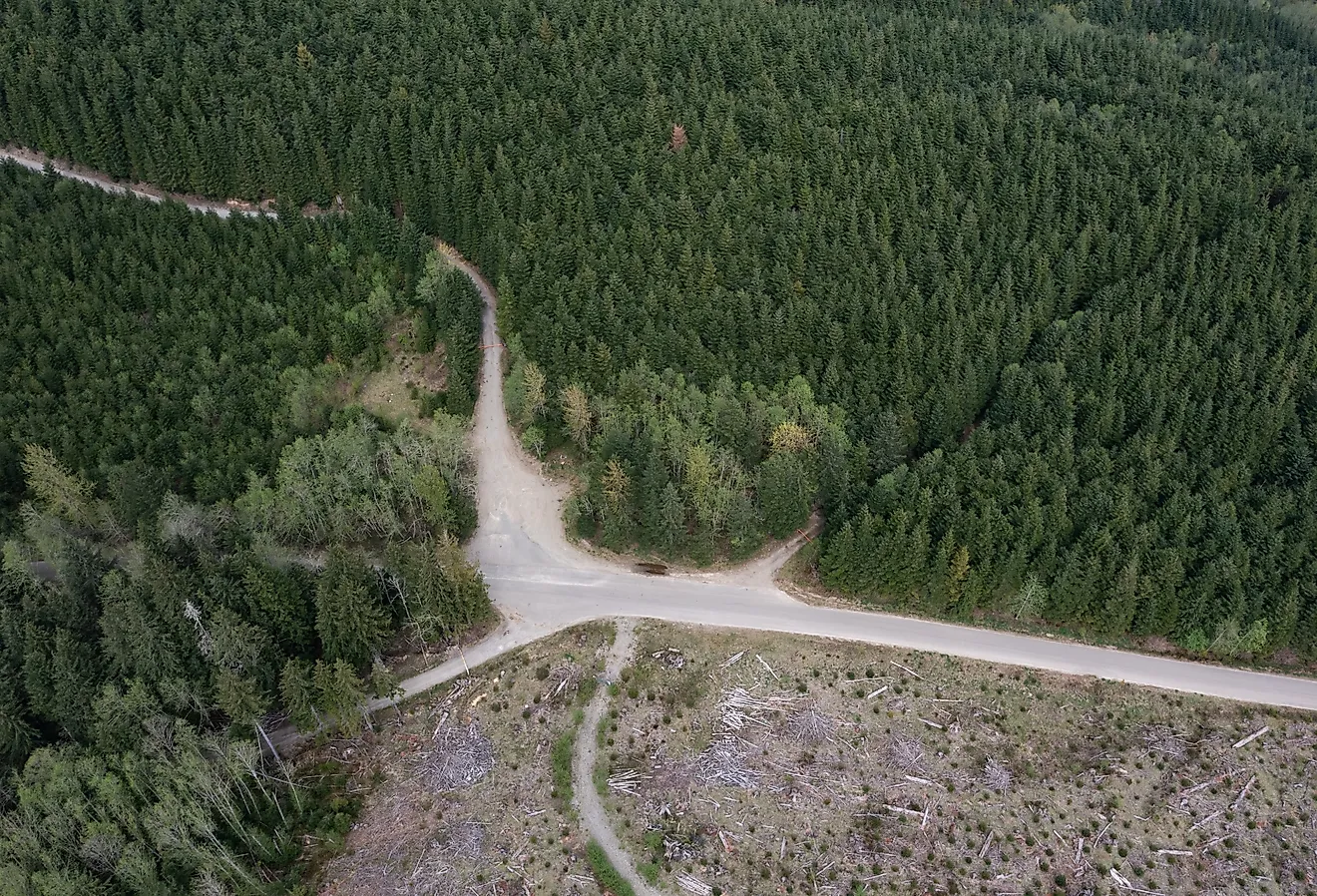
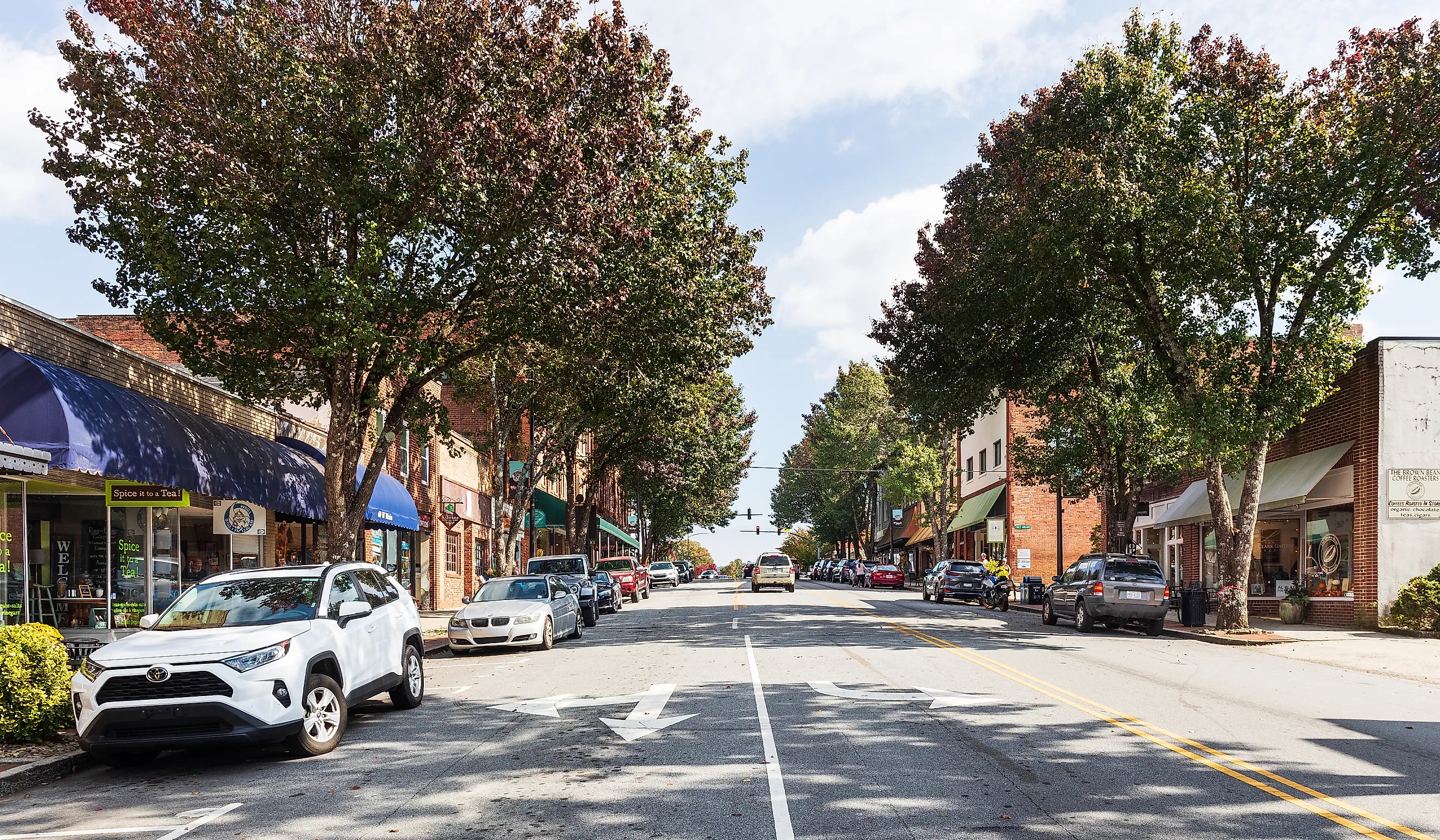
Brevard sits at the edge of Pisgah National Forest, the half-million-acre protected federal forest that defines this corner of North Carolina. Transylvania County, where the town sits, is sometimes called the Land of Waterfalls and counts more than 250 named waterfalls within its borders, several of them within a short drive of downtown. Trails wind through deep green woodland, and daily life in town moves without urgency. Main Street stays small, traffic stays light, and the storefronts blend into the shaded sidewalks rather than dominating them.
Blowing Rock, North Carolina

Blowing Rock is compact, walkable, and easy to explore on foot. The Blue Ridge Mountain village holds about 1,300 year-round residents and centers on a Main Street built around galleries and small shops. The Blowing Rock Art & History Museum sits a block off Main and rotates regional exhibits.
A short drive up the Blue Ridge Parkway, Moses Cone Memorial Park covers 3,500 acres of the former Cone family estate, with 25 miles of carriage trails winding through fields and forest at a pace built for walking. The Craftsman's Trail, a 20-minute loop near the Manor House, makes a good shorter option for an afternoon.
Port Royal, South Carolina

Port Royal sits along the Beaufort River with the Intracoastal Waterway running just offshore. Marsh grasses, tidal creeks, and broad river views set the tone, and most of the shoreline remains open to the public rather than walled off by private development. The Sands is the local public beach, with a fishing pier and a boardwalk that invite slow walks or just sitting to watch the tide turn.
The streets are short and residential, with bikes, golf carts, and pedestrian paths handling most of the local traffic. The town is small enough that orientation takes about a day. After that, the pace is what people stay for.
Mentone, Alabama

Mentone sits atop Lookout Mountain in northeast Alabama, with development spread along Highway 117 rather than gathered into a dense downtown. Brow Park, the Mentone Arts Center, and the shops at Log Cabin Village are scattered across a few miles of two-lane road. DeSoto Falls, in the adjacent DeSoto State Park, drops 104 feet into a sandstone gorge and stays one of the cooler places in town on a hot afternoon.
Mentone gets very little pass-through traffic. Most visitors arrive intentionally and stay within a small radius, which keeps noise and congestion low. Even during peak weekends, the crowd disperses across the mountain rather than concentrating in one place.
St. Marys, Georgia

St. Marys stretches along the St. Marys River at the southern edge of Georgia, with the Howard Gilman Waterfront Park offering a fishing pier and shaded green space at the river's edge. The shoreline avoids high-rises and dense commercial blocks, with views that open across the channel to the Florida side.
The river still shapes the town's rhythm. The year-round Cumberland Island ferry departs from downtown, moving quietly through the harbor on its 45-minute crossing to the Cumberland Island National Seashore. Downtown stays compact and walkable, with more foot traffic than vehicles. Beyond it, residential streets fade quickly into tree cover and the soundtrack drops down to insects and birds.
Abingdon, Virginia

Abingdon opens onto the Virginia Creeper Trail, a 34-mile former rail line that winds through quiet forest, slips past clear creeks, and crosses weathered trestle bridges. The trail's western terminus is in Abingdon at the Green Spring Road trailhead, a short distance from downtown.
The town center is easy to explore on foot, with brick sidewalks running through a 20-block historic district along Main Street. Multilane roads give way quickly to two-lane routes leading into the surrounding countryside, where rolling farmland and country roads create a landscape that feels quiet and spread out even during busier seasons. The Barter Theatre, founded in 1933 in a former Methodist church across from the Martha Washington Inn, runs year-round productions and is the State Theatre of Virginia.
Port St. Joe, Florida

Port St. Joe sits along St. Joseph Bay on the Florida Panhandle, with the marina and waterfront moving at a steady, easy rhythm. Boats glide in and out, and anglers spend long stretches on the docks. Open views stretch across the bay uninterrupted by high-rises. Docks, seawalls, and natural shoreline define the edge rather than dense commercial development.
The town's core stays compact, laid out on a small grid with shops, cafés, and residences within short walking distance of each other. With no resort strip, daily movement stays local rather than being funneled through commercial corridors. Beyond downtown, residential streets give way to coastal vegetation and the quiet pace that brings people here in the first place.
Jekyll Island, Georgia

Access to Jekyll Island is limited by design, and that restriction shapes everything that follows. With no through-traffic, movement slows immediately upon arrival, shifting from highways to a single looping road that circles forest, dunes, and shoreline.
Natural space dominates the island instead of development pressing against the coast: maritime forest, tidal flats, and long stretches of beach that stay visually open. The historic district, formerly the Jekyll Island Club retreat for Gilded Age industrialists, feels spacious with its large oak trees draped in Spanish moss and its open lawns creating space rather than density. Most residents move around the island by bike, which reinforces a pace shaped more by distance and environment than by urgency.
Time to get away and relax
Taken together, these nine towns show how strongly landscape can influence the pace of life. In St. Marys and Port St. Joe, waterfronts and marshes naturally limit density, keeping development close to the water rather than sprawling into commercial centers. In mountain settings like Brevard and Mentone, elevation and forest cover play the same role: roads are fewer, terrain is more restrictive, and activity disperses into trails, overlooks, and open land rather than concentrated downtown blocks.