8 Best Places To Live On The Gulf Coast In 2026
The Gulf Coast runs from the Florida Panhandle through Alabama and Mississippi to the Texas brush country, and the towns that hold up best for living are the ones that haven't traded their working coastal character for resort polish. Apalachicola still moves oysters off its docks. Fairhope still draws crowds to a public pier on Mobile Bay every evening at sunset. Cedar Key sits on a cluster of Florida islands with maybe 700 residents and a hotel that's been there since 1859. The eight towns below offer functional infrastructure (hospitals, walkable downtowns, art and music scenes that aren't seasonal) at price points that haven't yet caught up with the Florida Keys or 30A.
Apalachicola, Florida

Oysters and river commerce built Apalachicola, and the historic storefronts and waterfront docks still carry that working character. Dr. John Gorrie, a local physician, invented mechanical refrigeration here in the 1840s while trying to cool yellow fever patients. The John Gorrie Museum tells that story. George E. Weems Memorial Hospital handles emergency services in town, with larger services in Tallahassee about 90 minutes east.

Daily life runs on the river and the bay. The Owl Cafe on Avenue D pulls a regular dinner crowd for regional seafood. Up the Creek Raw Bar at the marina serves freshly harvested oysters and smoked fish dip. Apalachicola Chocolate and Coffee Company on Market Street handles the espresso side of the morning. Lafayette Park has a boardwalk and fishing pier that locals work into their walking routines, and Orman House Historic State Park preserves a Greek Revival home from 1838 (note that the Chapman Botanical Gardens next door are closed for construction through 2026). On weekends, residents paddle Apalachicola Bay, browse the Water Street galleries, or fish from the Battery Park waterfront.
Mexico Beach, Florida

Hurricane Michael hit Mexico Beach in October 2018 as a Category 5 storm and destroyed most of the town. The version of Mexico Beach standing today is the post-2018 rebuild, which means almost everything is built to current hurricane code and the housing stock is younger than it has been in decades. The beach itself, white quartz sand backed by turquoise water, was always the draw and is what brought people back. Ascension Sacred Heart Gulf in nearby Port St. Joe handles emergency and inpatient care.

The Welcome Center on Highway 98 is the easiest way to plug into local events. Killer Seafood is the long-running takeout favorite, with the Simmerin' Sauce that gets ordered on top of almost everything. Mango Marley's runs casual waterfront dining. Canal Park and the public beach access points cover the daily-walk side of things. The El Governor RV Park sits directly on the Gulf for residents and visitors using mobile setups. The town's public pier is still working through its FEMA-supported rebuild, but the shoreline itself is back in full use.
Cedar Key, Florida

Cedar Key is a cluster of small Gulf islands with a population of around 700 and an economy that has run on clams, fish, and cedar for most of two centuries. In the 1800s the town was Florida's second-largest port. Today it leans into its size: clam aquaculture is still the main industry, and a small but committed arts community has built up around the working waterfront. UF Health Shands in Gainesville, about 60 miles east, handles full-service hospital care.

The Island Hotel and Restaurant has been operating since 1859, and the dining room remains the long-running institution for fresh-caught seafood and live music. FishBonz on Third does sandwiches and grouper baskets for the casual end of things. The Cedar Key Historical Society Museum covers the lumber and pencil-mill years. The Cedar Key Arts Center keeps a working calendar of exhibits, classes, and the well-attended Cedar Key Old Florida Celebration of the Arts each spring. For outdoor time, Cedar Key Scrub State Reserve and Cedar Key Museum State Park run shaded trails through some of the better birding habitat on the Gulf.
Fairhope, Alabama

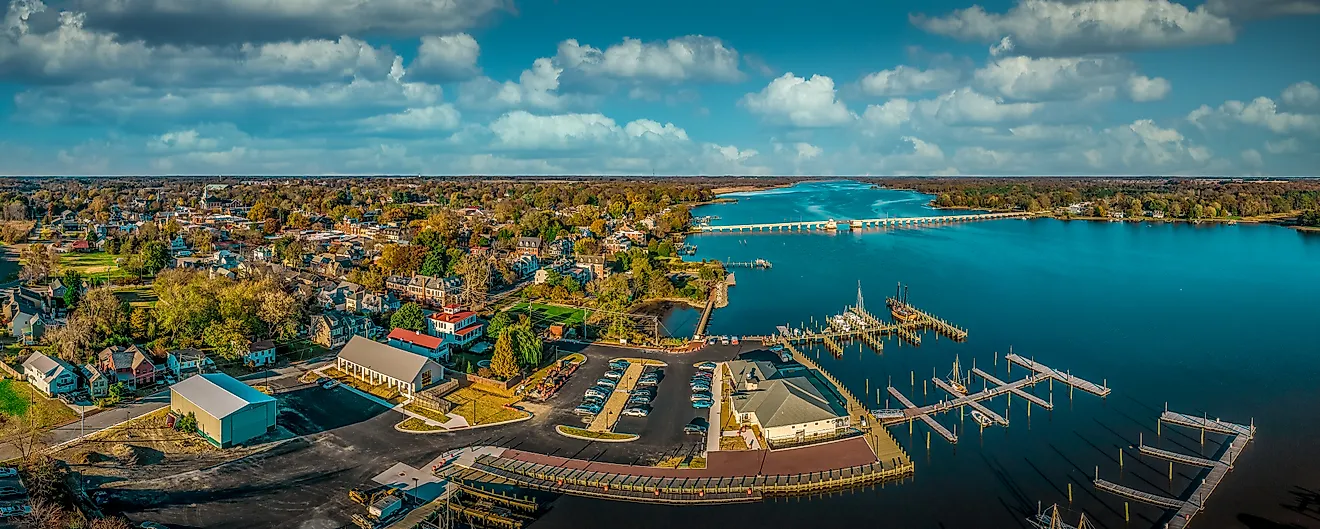
Fairhope was founded in 1894 as a single-tax colony based on the economic theories of Henry George, which sounds obscure but actually shaped the town's layout: communal land ownership, deliberately preserved waterfront, generous public space. Fairhope still owns the bluff overlooking Mobile Bay and the Fairhope Pier, which is the public anchor of the town's evening routine. Thomas Hospital handles inpatient care and emergency services.

The arts scene punches well above what a town of 25,000 should support. The Eastern Shore Art Center keeps a busy exhibition and class schedule. The Fairhope Museum of History fills in the single-tax-colony backstory. Panini Pete's, on De La Mare Avenue, is the local standard for beignets and lunch sandwiches. Fairhope Brewing Company handles the craft beer end. The Fairhope Pier itself draws a daily sunset crowd, which is the closest thing the town has to a public ritual. The annual Arts and Crafts Festival, held each March, is one of the larger juried shows on the Gulf Coast.
Ocean Springs, Mississippi

Walter Anderson is the reason Ocean Springs reads the way it does. The painter spent decades on Horn Island, just offshore, producing thousands of watercolors and drawings of Gulf wildlife that now form the core of the Walter Anderson Museum of Art's collection. His brother Peter founded Shearwater Pottery, which has been turning out distinctive ceramics in town since 1928. That artistic infrastructure shapes the rest of the local culture.

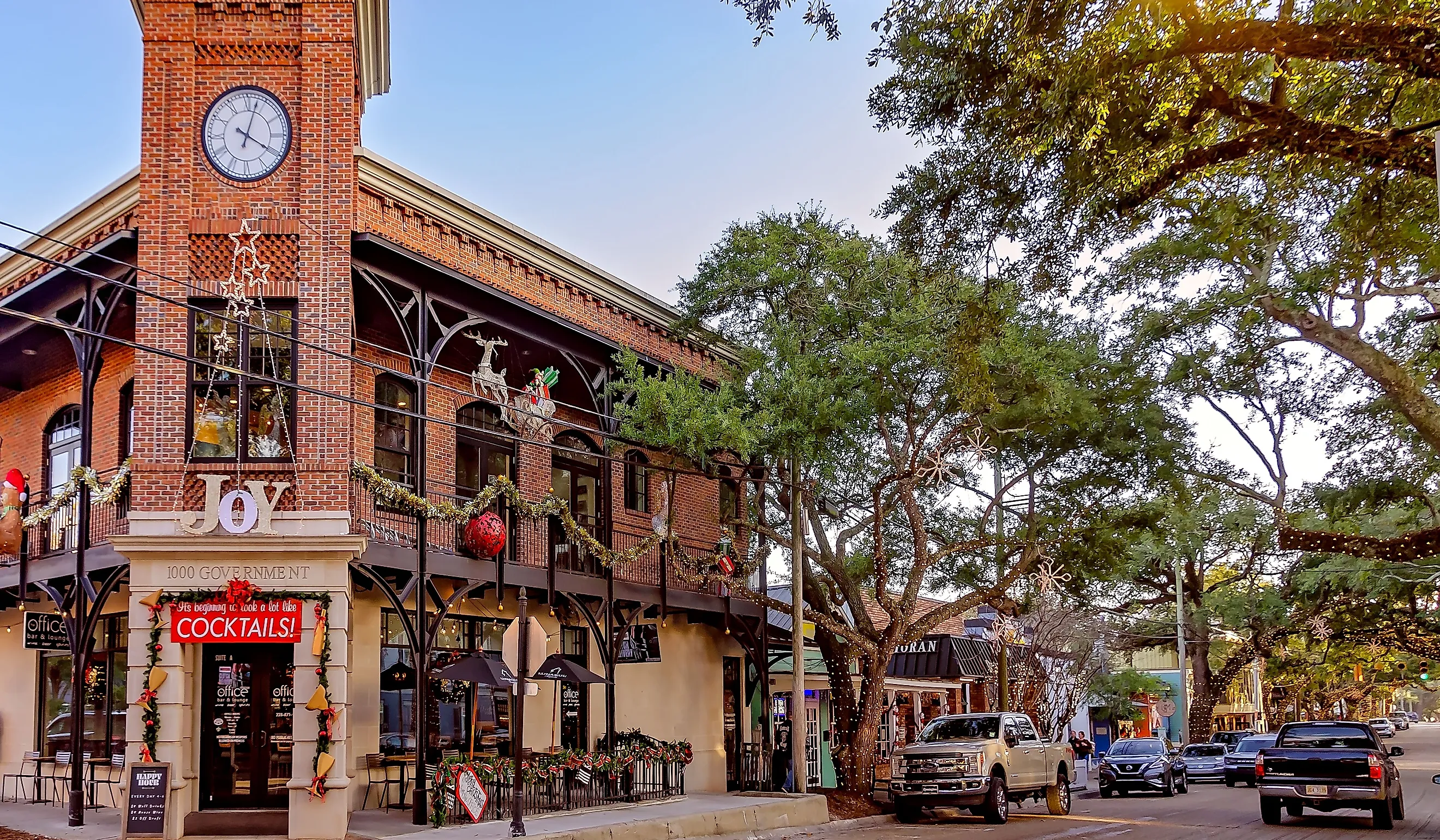
Ocean Springs Hospital, part of the Singing River Health System, runs full emergency and inpatient services. Phoenicia Gourmet on Bienville Boulevard is the Lebanese-Mediterranean standard for the area. Tato-Nut Donut Shop, working out of a small storefront on Government Street, makes potato-flour donuts that pull a steady morning line. Fort Maurepas Park has a public beach, playground, and replica fort on the original 1699 French settlement site. The Peter Anderson Arts and Crafts Festival, held the first weekend of November, fills downtown with about 400 vendors and pulls thousands of visitors from across the South.
Bay St. Louis, Mississippi

French explorers under Iberville first set up camp at the bay in 1699, which makes Bay St. Louis one of the oldest European settlements on the Mississippi coast. Locals call it "A Place Apart," and the historic Beach Boulevard frontage has the kind of small art galleries, walkable storefronts, and unhurried pace that lend the slogan some credibility. Hurricane Katrina hit hard in 2005, which means much of the rebuilt streetscape is now twenty years deep. Ochsner Medical Center - Hancock provides hospital, surgical, and emergency services.

The Mockingbird Café handles morning coffee and live music. The Blind Tiger covers waterfront dining for the dinner crowd. The 100 Men Hall on Necaise Avenue is the most historically significant venue in town: a Black music hall that hosted Etta James, Big Joe Turner, and James Booker during segregation, restored in 2010 and now running cultural programming for all ages. The Garfield Ladner Pier extends into the Mississippi Sound for fishing and walking. Buccaneer State Park, six miles west in Waveland, has Gulf beach access, a wave pool, and full camping facilities.
Rockport, Texas

Rockport sits on Aransas Bay and has been quietly rebuilding since Hurricane Harvey hit it directly in 2017. The Rockport Center for the Arts moved into a new Austin Street campus in 2022 after the original building was destroyed in the storm, and that rebuild has anchored the post-Harvey downtown revival. The town pulls birders during the spring and fall migrations, anglers most of the year, and a steadily growing population of artists who appreciate Aransas County's slower pace.

ER 24/7 Rockport, a department of Corpus Christi Medical Center, handles 24-hour emergency care. Charlotte Plummer's Seafare Restaurant in neighboring Fulton has been the Gulf seafood standard since 1979. Rockport Daily Grind handles morning coffee. Rockport Beach is the public beach in town, with calm water suited to kids and kayakers. Goose Island State Park, ten minutes north, has a coastal live oak called the Big Tree that is estimated at over 1,000 years old. It survived Harvey and most of the storms before that.
Port Lavaca, Texas

Port Lavaca sits roughly halfway between Corpus Christi and Houston, and the town has run on commercial fishing and the port economy long enough that it doesn't depend on tourism the way some coastal towns do. Matagorda Bay and Lavaca Bay frame the town on either side and produce some of the better redfish, trout, and flounder fishing on the Texas coast. Memorial Medical Center handles 24-hour emergency services and inpatient care.
Texas Traditions Grill and Bar is the local standard for a hearty meal. The Calhoun County Museum covers the area's complicated history, including the LaSalle expedition that landed at nearby Indianola in 1685. Lighthouse Beach has a boardwalk, a birding tower, and shaded picnic areas, which make it the closest thing the town has to a community front porch. Magnolia Beach, fifteen minutes south, has the calm water for swimming and kayaking. Port Lavaca's median home price runs lower than most of the rest of this list, which is part of why it lands in this slot.
Why These Gulf Coast Towns Stand Out in 2026
Mild winters in the mid-50s, lower-than-average cost of living, and a coastline that stretches across four states give the Gulf Coast a deep bench of livable towns. The eight here cover most of the practical retirement and relocation priorities: Apalachicola and Cedar Key for working coastal character, Mexico Beach and Bay St. Louis for post-storm rebuilds that have aged into themselves, Fairhope and Ocean Springs for the strongest arts infrastructure, and Rockport and Port Lavaca for the Texas end where the fishing economy still runs the calendar.