8 Most Affordable Towns to Retire on the Atlantic Coast
Retiring on the Atlantic Coast is one of the most popular retirement plans in the country, and one of the most expensive. Coastal real estate is in heavy demand at every latitude, and the bidding pressure has pushed median prices in many beach towns well past what most retirement budgets can handle. Affordable options still exist if you know where to look. The eight towns below are arranged north to south along the coast, each paired with the local healthcare, tax, and demographic context that actually matters when relocating in retirement. Home values reflect mid-2026 figures and shift continuously, so the numbers below should be read as benchmarks rather than current quotes.
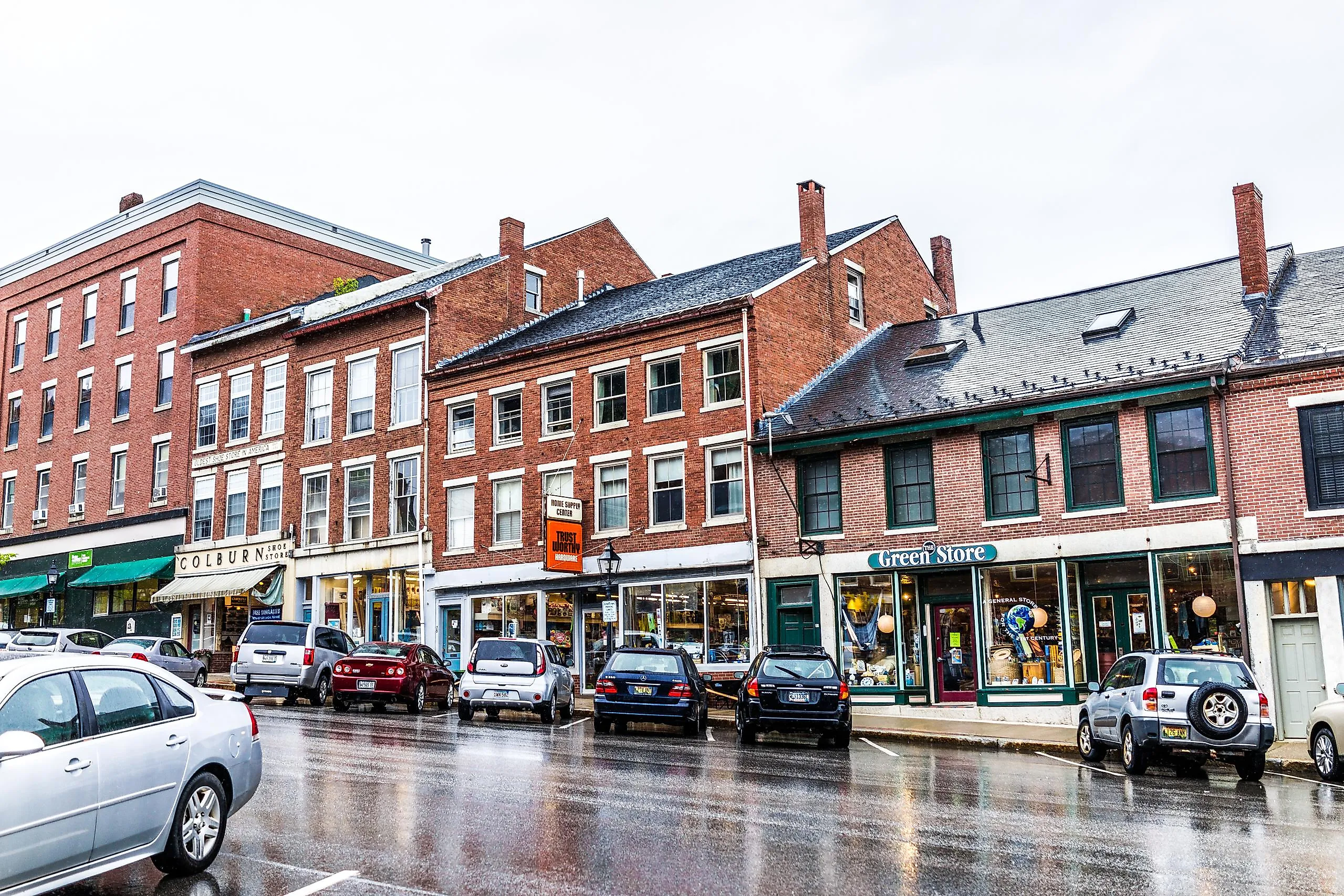
Belfast, Maine

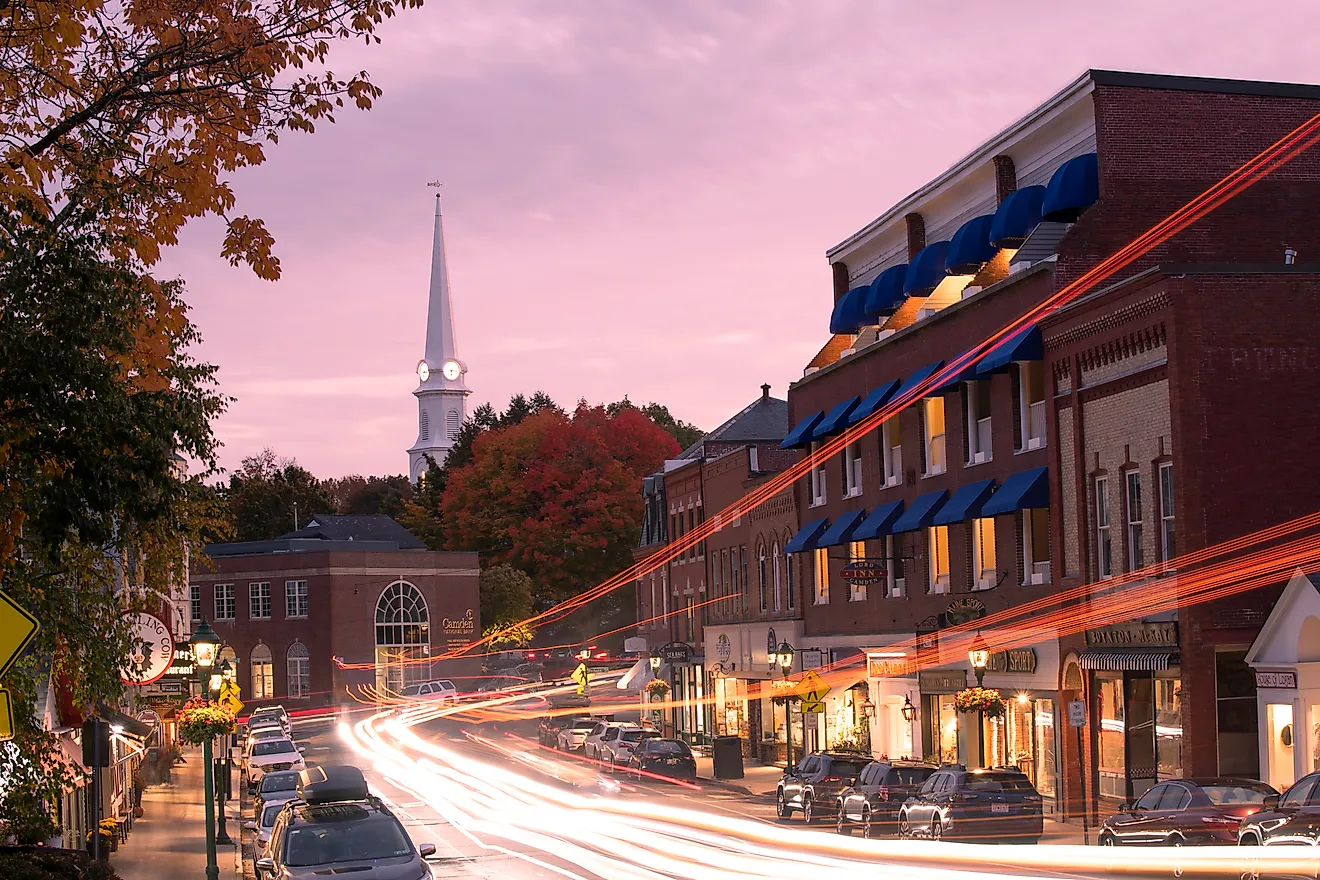
Belfast sits on Penobscot Bay at the mouth of the Passagassawakeag River, about 45 miles east of the state capital at Augusta, and houses about 7,100 residents. Median home values run around $440,000, which makes Belfast one of the more affordable coastal Maine towns in a market where the better-known names (Camden, Rockport, Bar Harbor) routinely top a million dollars. The median age is around 60, with roughly one in five residents 65 or older, and the town has built a reputation as a Maine retirement community on those numbers.
The Belfast Rail Trail and Belfast City Park (the latter dating to 1904 and covering about 17 acres) give residents accessible walking and birding routes within town. Sandy Point Beach in nearby Stockton Springs offers a saltwater swim. Senior College, a nonprofit lifelong-learning organization, runs adult-education classes for residents 50 and older. Healthcare is handled in town by Waldo County General Hospital, which keeps emergency care close. Maine's tax profile is mixed for retirees: the state does not tax Social Security, but it does tax other retirement income at progressive rates up to 7.15 percent, and property taxes run above the national average.
Ellsworth, Maine

Ellsworth sits at the falls of the Union River about 30 miles east of Belfast and serves as the gateway to Acadia National Park and Mount Desert Island. The town is more inland-coastal than oceanfront (Lamoine State Park, the nearest direct ocean access, is about 20 minutes away), but the trade-off is significantly lower prices than the Bar Harbor area immediately to the south. Median home values run around $450,000, with about 31 percent of residents 60 or older.
The Black House Museum, a registered national historic landmark from the 1820s, opens for tours in summer, and the wooded trails on the surrounding property stay open year-round. The Downeast Scenic Railroad operates restored century-old passenger coaches on seasonal trips through the inland forests. Branch Lake, minutes from town, has a public sandy beach and clear water for warmer-weather swimming. Northern Light Maine Coast Hospital is in town for emergencies, and the proximity to Acadia is one of the strongest non-financial reasons to retire here.
New London, Connecticut

New London sits at the mouth of the Thames River on Long Island Sound. It is more of a working port and college town than a traditional beach retirement community, which is partly why home values stay reasonable for the region: median values run around $300,000, well below the Connecticut state median. Four colleges anchor the area, including Connecticut College on a hilltop campus overlooking the Thames.
The Lyman Allyn Art Museum, founded in 1932, holds more than 17,000 objects spanning African, Asian, American, and European collections. Fort Trumbull State Park preserves military structures and offers walking access to the river. The Connecticut College Arboretum runs to about 750 acres of natural woodland and gardens. Healthcare in town is handled by Lawrence and Memorial Hospital. The big caveat for retirees considering New London is Connecticut's tax profile, which is among the less retiree-friendly in the Northeast: the state taxes pension income and IRA and 401(k) distributions at standard rates, with Social Security taxed above certain income thresholds. Retirees with substantial taxable retirement income should run the numbers carefully before committing.
Berlin, Maryland

Berlin sits about 8 miles inland from Ocean City on Maryland's Eastern Shore and offers most of the lifestyle benefits of the Maryland coast at a fraction of the price. Ocean City home values average well above a million dollars; Berlin's run around $370,000. The town's Main Street has been recognized by the National Trust for Historic Preservation as one of America's most preserved small downtowns, and the entire central district is a National Register Historic District anchored by the 1895 Atlantic Hotel.
For day-to-day living, Berlin offers walkable Main Street shops, restaurants, and farmers' markets, with the actual Atlantic beaches a 15-minute drive east. Assateague Island National Seashore, with its wild horses and undeveloped Atlantic shoreline, is about 12 miles south. Atlantic General Hospital sits two miles north of downtown for emergency care. Maryland's retiree tax profile is mixed: the state does not tax Social Security, and there is a pension exclusion of up to $39,500 for residents 65 or older, but it does tax other retirement income at standard rates.
Myrtle Beach, South Carolina

A long-running classic of American retirement, Myrtle Beach has nearly 90 golf courses (Tidewater Golf Club and the Robert Trent Jones-designed Dunes Golf and Beach Club among the best known), 60 miles of Atlantic beach, and a senior population north of 30 percent. Median home values run around $310,000, which puts Myrtle Beach on the affordable end of major Atlantic retirement markets despite being one of the most popular ones.
The beaches stretch from Cherry Grove on the north side through Litchfield and Pawleys Island to the south, all within a short drive of downtown. Grand Strand Medical Center handles emergency care in town. South Carolina's tax profile is among the friendlier in the country for retirees: the state does not tax Social Security, allows a deduction of up to $10,000 on other retirement income, and adds an additional $15,000 deduction for residents 65 or older. Property taxes are also relatively low.
Brunswick, Georgia

Brunswick is the affordable mainland gateway to the Golden Isles (St. Simons, Sea Island, and Jekyll Island), each of which has direct Atlantic beaches but home prices several times higher than the mainland equivalent. Brunswick itself sits along a network of marsh-fed rivers, with the actual ocean a 10 to 20-minute drive across the causeway depending on which island you choose. Median home values in Brunswick run around $310,000.
The Historic Ritz Theatre, dating from the early 20th century, hosts performances downtown. Heritage Oaks Golf Club gives residents an in-town course. Pine Haven Stables and Riding Academy offers lessons for retirees who want to take up horseback riding. Healthcare is handled by Southeast Georgia Health System, with Baptist Medical Center Nassau across the Florida line in Fernandina Beach as a backup option. Georgia's retirement tax profile is one of the more attractive in the South: the state does not tax Social Security and provides a retirement income deduction of up to $65,000 per person for residents 65 and older.
Daytona Beach, Florida

Daytona Beach is one of the rare Atlantic-facing Florida beach towns where the retirement math still works out. Median home values run around $280,000, which is well below the Florida coastal average and reflects the fact that Daytona has not been gentrified the way New Smyrna or Vero Beach have. The town's hard-packed Atlantic beach (one of the few in the country firm enough to drive on) runs 23 miles along the ocean, and the Halifax River provides a second waterway running parallel inland.
For retirees, Daytona offers the standard Florida combination that drives so much retirement migration: warm year-round climate, broad medical infrastructure (AdventHealth Daytona Beach and Halifax Health Medical Center are both in town), and Florida's signature retiree tax profile of no state income tax, no Social Security tax, no estate tax, and no inheritance tax. Embry-Riddle Aeronautical University and Daytona State College add a college-town dimension. The Daytona International Speedway is a draw for one part of the population and easy enough to ignore for those who'd rather skip the race weekends. About 22 percent of residents are 65 or older.
Fort Pierce, Florida

Fort Pierce sits along the Indian River Lagoon on Florida's Treasure Coast, about 60 miles north of West Palm Beach. The town has one of the best all-weather inlets on the Florida coast, which makes it a popular base for boating retirees, and median home values run around $325,000. Florida's retiree-friendly tax structure (no state income tax, no Social Security tax) is the same here as in Daytona.
The Indian River Lagoon supports kayaking, fishing, and dolphin tours practically from any waterfront in town. The undeveloped beaches at Avalon State Park and Pepper Park give residents Atlantic access without the high-rise development of Palm Beach County to the south. HCA Florida Lawnwood Hospital handles emergency care in town, and HCA Florida St. Lucie Hospital sits a short drive south in Port St. Lucie. Demographics skew older here: about 26 percent of residents are 60 or above.
Settling On The Atlantic
Affordable Atlantic Coast retirement is a moving target. The towns that fit the bill in 2026 are the ones that have been overshadowed by their better-known neighbors: Berlin in the shadow of Ocean City, Daytona Beach next to New Smyrna, Brunswick across the causeway from St. Simons. The eight towns above each fill a different latitude of the same coast, with different climates, tax profiles, and lifestyles built into the trade. Home values are benchmarks rather than promises and shift quickly in coastal markets, so the smarter approach is to use this list as a shortlist for an actual visit and to verify current numbers and tax rules with a local realtor and a CPA before making any move.