8 Best Places To Live In South Australia
The state of South Australia often gets overlooked next to the eastern seaboard. The eight towns ahead each pair four genuinely distinct seasons with an overall mild climate and the kind of regional access that makes daily life run smoothly. Wine country sits within an hour of the coast. Wetlands meet the desert at the edge of the Outback. German artisan villages, Cornish copper-mining ports, and Riverland farming communities all run different versions of the state's identity. Median house prices across the state run well below capital-city levels. Each community ahead pairs in-town healthcare access with a workable daily commute or self-contained local economy.
Wallaroo

Wallaroo sits on the western side of the Yorke Peninsula as one of the three "Copper Triangle" towns (with Moonta and Kadina) built on 19th-century Cornish copper mining. The town's Cornish heritage still shows up in the Kernewek Lowender, the largest Cornish festival in the world, held every two years in May. Wallaroo Heritage and Nautical Museum on Jetty Road, set in the former 1865 post office, documents the copper boom that built the region. Sailing Club Beach, Office Beach, and North Beach run public access along the gulf with sand and shallow swimming water. Wallaroo Hospital and Health Service, a 21-bed complex opened in 2019, provides emergency, maternity, and acute care. Median listing prices around $485,000 sit well below the state and capital-city medians.
Port Augusta

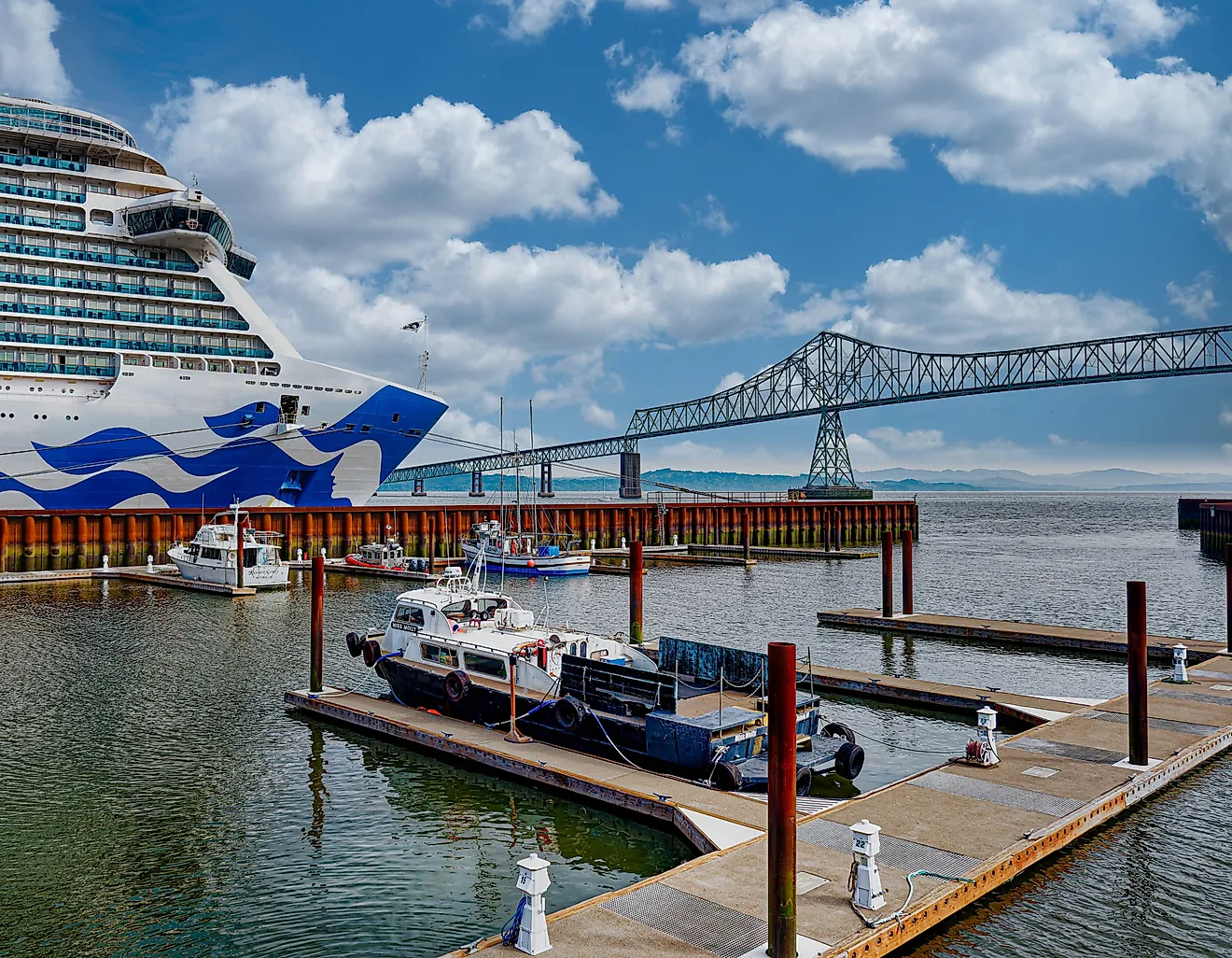
Port Augusta sits at the head of Spencer Gulf and carries the nickname "Crossroads of Australia," sitting at the junction where the Stuart Highway meets the Eyre Highway and the trans-continental rail line. After the closure of the coal-fired power stations in 2016 and 2018, the local economy has shifted toward renewables. The Vast Solar concentrated-solar-thermal project under construction in the area is one of the larger solar-thermal facilities globally. The Australian Arid Lands Botanic Garden covers 250 hectares of arid-zone plant collections with walking trails and birdwatching. Port Augusta Hospital and Regional Health Service, with roots going back to the 1870s, provides full emergency and regional care. Median listing prices around $245,000 make this one of the most affordable communities on this list.
Strathalbyn

Strathalbyn sits in the Fleurieu Peninsula about 60 kilometres southeast of Adelaide and runs on Scottish heritage dating to its 1839 founding by Scottish immigrants. The Soldiers Memorial Gardens along the Angas River and the heritage-listed St Andrew's Uniting Church (1844) anchor the historic town centre. The Strathalbyn Racing Club hosts country racing on Saturdays through the season. Strathalbyn and District Health Service provides primary and emergency care, with Mount Barker Hospital running a 24/7 emergency department about 30 minutes away. The Strathalbyn Antiques and Collectables Fair each August draws antique dealers from across South Australia. Median listing prices around $677,000 reflect the town's commuter access to Adelaide and rural lifestyle appeal.
Clare

Clare anchors the Clare Valley wine region about 130 kilometres north of Adelaide, producing some of the most respected Riesling in the southern hemisphere. The Clare Valley Riesling Trail, a 35-kilometre walking and cycling path along a former rail corridor, connects more than 40 cellar doors between Clare and Auburn. Sevenhill Cellars, founded in 1851 by Jesuit priests as the oldest winery in the valley, still produces both sacramental and commercial wines. The Clare Golf Club, established in 1907, runs an undulating 18-hole course on the edge of town. Clare Hospital, opened in 1924, has provided medical services to the area for over a century. Median listing prices around $495,000 sit in the middle range for the state.
Victor Harbor

Victor Harbor sits on the south coast of the Fleurieu Peninsula about 80 kilometres south of Adelaide and runs on mild coastal climate and tourism. Granite Island, connected to the mainland by a 630-metre causeway, can be reached on foot or aboard the heritage horse-drawn tram that has operated since 1894 as one of the few remaining horse-drawn trams in the world. Encounter Bay was the site of the 19th-century whaling industry that drove early European settlement, documented at the South Australian Whale Centre on the foreshore. Whale watching from the cliffs at The Bluff is reliable between May and October when southern right whales calve in the bay. Southern Fleurieu Health Service provides 24-hour emergency care. Median listing prices around $692,700 reflect the town's coastal access and proximity to Adelaide.
Mount Gambier

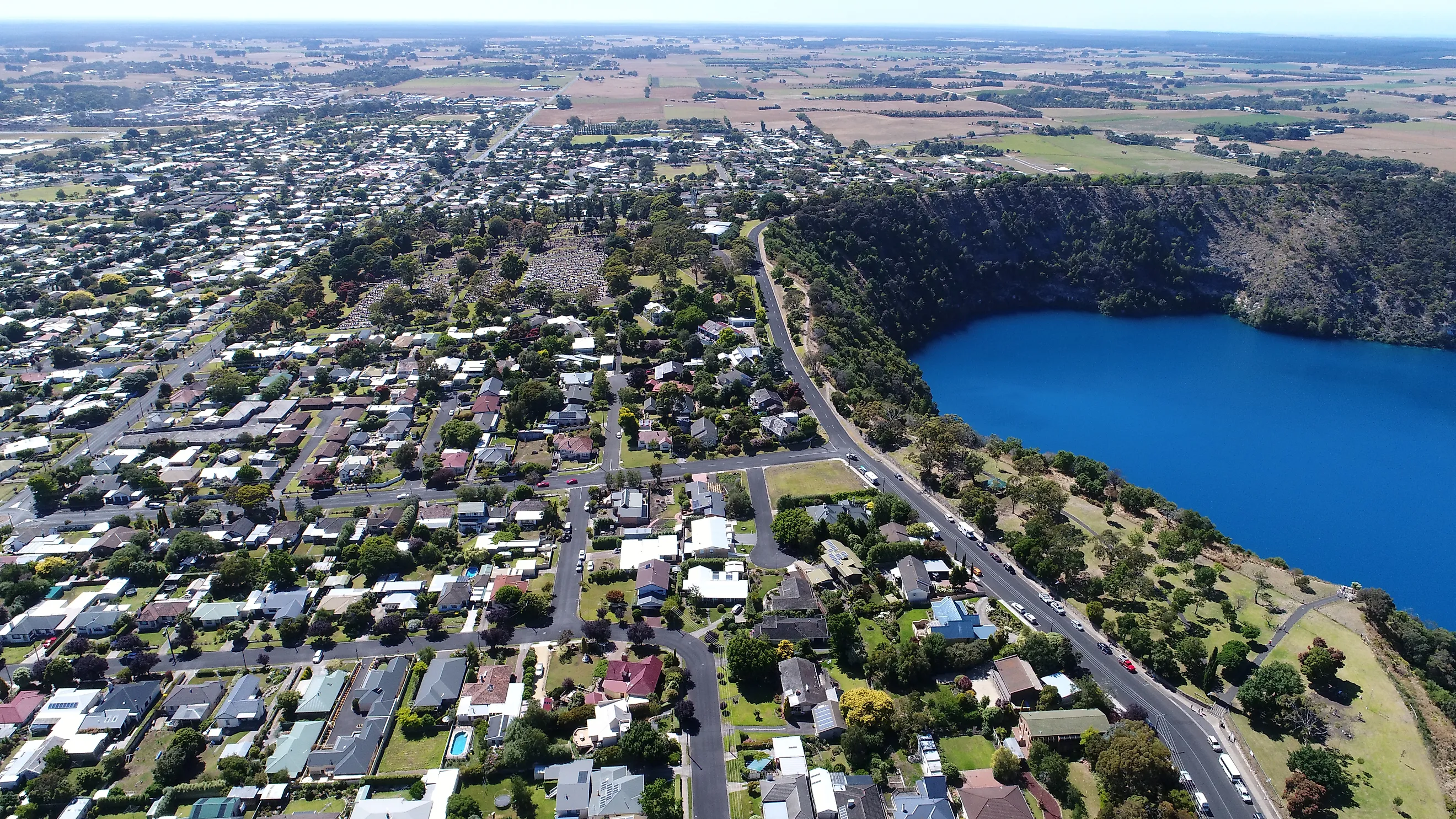
Mount Gambier is the second-most populous urban area in South Australia after Adelaide, with around 30,000 residents in the regional city about 450 kilometres southeast of the capital. The Blue Lake, set in a dormant volcanic crater, changes color from steel grey in winter to a vivid cobalt blue between November and March each year, a phenomenon caused by calcium carbonate crystal formation in the water during the warmer months. The Umpherston Sinkhole, a collapsed limestone cave converted into a terraced sunken garden by James Umpherston in 1886, is open to visitors free of charge. The Engelbrecht Cave runs guided cave-diving tours through one of the most explored submerged cave systems in Australia. Mount Gambier and Districts Health Service provides comprehensive regional care. Median listing prices around $486,500 reflect the regional city economy.
Hahndorf

Hahndorf sits in the Adelaide Hills about 28 kilometres southeast of Adelaide as Australia's oldest surviving German settlement, founded in 1839 by 38 Lutheran families fleeing religious persecution in Prussia. The settlers arrived aboard the Zebra under Captain Dirk Meinerts Hahn, after whom the town was named. The state heritage area designation since 1988 protects the original main street with its half-timbered fachwerk-style farmhouses, Lutheran churches, and German bakeries. Otto's Bakery has been producing traditional German pretzels and pastries for decades. The Hahndorf Academy on Main Street, the cultural centre of the village, hosts exhibitions on Sir Hans Heysen, the German-Australian landscape painter who made The Cedars (his home and studio just outside town) his lifelong base. Hahndorf Medical Centre has provided primary care since 1930. Median listing prices around $1,150,000 reflect the town's heritage premium and Adelaide Hills lifestyle appeal.
Burra

Burra sits in the mid-north pastoral country about 160 kilometres north of Adelaide as one of the most intact 19th-century copper-mining towns remaining in Australia. The Burra Mine, opened in 1845 and operating until 1877, employed primarily Cornish, Welsh, and Scottish miners and ran as one of the most productive copper mines in the world during its peak years. The Burra Heritage Passport, a self-guided trail with key access to eight historic sites, walks visitors through the Cornish miners' cottages at Paxton Square, the dugout dwellings along the Burra Creek where overflow miners lived, and the Bon Accord Mine Museum. Red Banks Conservation Park east of town runs hiking trails and dingo, kangaroo, and birdwatching opportunities. Burra Hospital, with roots going back nearly 150 years, runs on Commercial Street. Median listing prices around $395,000 sit in the affordable range for the region.
Why These Eight South Australian Towns Make The 2026 Move List
The eight communities above pair regional character with cost-of-living indices below the state and capital-city medians. Wallaroo and Burra hold Cornish copper-mining heritage. Hahndorf preserves the country's oldest German settlement. Strathalbyn and Victor Harbor run Adelaide-commuter rural lifestyle anchors. Port Augusta serves as the outback gateway. Clare runs the Riesling country. Mount Gambier closes out the list as the second-most populous urban area in the state. Each town runs in-town healthcare access plus a workable daily routine that does not depend on capital-city proximity.