8 Best Places To Live In British Columbia In 2026
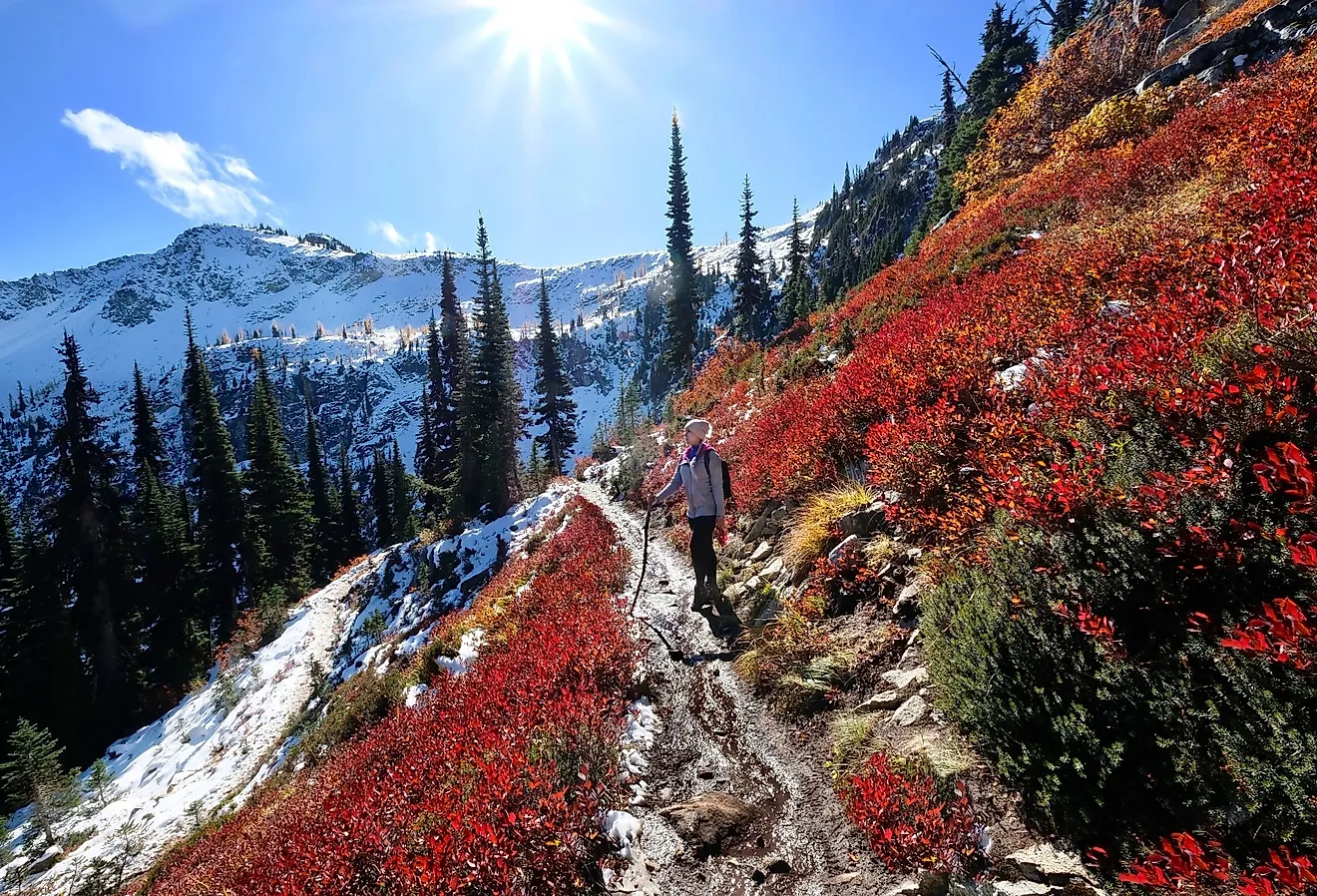
You can catch a morning wave off Vancouver Island and click into your skis by afternoon. That is an ordinary day in British Columbia. The Pacific coast keeps winters mild in Victoria. Six hundred kilometres north in Smithers the snow piles up against Hudson Bay Mountain. Squamish builds its whole identity around granite walls and mountain-bike trails. Nelson fills its Selkirk-foothill downtown with bookstores and heritage brick. Qualicum Beach draws retirees to its quiet shoreline and slow afternoons. These eight places each make their own case for the good life out west.
Victoria

Victoria, British Columbia's capital city, regularly ranks among Canada's most desirable places to live, scoring 182.1 on Numbeo's 2026 Quality of Life Index. It has a milder climate compared to most other Canadian cities, since it sits below the US border on the map. It's a waterfront city that has beaches, parks, and coastal scenery, making it a tourist attraction in the summer.
The city has two hospitals, Royal Jubilee Hospital and Victoria General Hospital, and good educational opportunities, with the University of Victoria offering over 160 undergraduate programs. It has a reputation for attracting students from around the globe, with a high number of immigrant students feeding the city's cultural diversity.
The transit system is also solid, and the city has bike lanes and extensive cycling infrastructure. The Galloping Goose Trail, for example, connects many of the main metro areas.
Victoria's cultural and arts scene is thriving. The Royal BC Museum, IMAX Victoria, and Art Gallery of Greater Victoria are gathering places for students and families looking to expand their horizons. The summer is great for outdoor enthusiasts, who have access to kayaking, sailing, hiking, and cycling along scenic coastal routes. The city's welcoming atmosphere, lively city centre, and walkable, calm neighbourhoods with relatively low crime appeal to a diverse population of young professionals and retirees alike.
Courtenay-Comox

Located in the Comox Valley, the neighbouring communities of Courtenay and Comox are home to roughly 33,000 people who seek a balance between city and rural lifestyles. Compared to larger centres like Victoria and Vancouver, housing is more affordable, although demand has increased steadily in recent years (a trend happening across Canada).
It's a military town with Canadian Forces Base Comox being the region's largest employer. North Island Hospital is the town hospital, and North Island College is the town's primary post-secondary learning institution. Surprisingly, for a town this size, there is an airport: the Comox Valley Airport, which has regional flights as well as daily flights to Calgary and Edmonton.
The biggest thing here is how much fun you can have: Mount Washington Alpine Resort for skiing and snowboarding in winter, mountain biking in the summer, and water fun in the Strait of Georgia, popular for boating, fishing, and kayaking. Summer, spring, winter, or fall, there is something to do. Overall, with its blend of natural beauty, employment opportunities, and small-city conveniences, the Courtenay-Comox area continues to attract people seeking a high quality of life on Vancouver Island.
Squamish

Between Vancouver and Whistler, along Howe Sound, Squamish is another town popular for outdoor recreation. In fact, it is often called the "Outdoor Recreation Capital of Canada," and active families love the mountain scenery and adventure-oriented lifestyle. Crossing the Sky Pilot Suspension Bridge atop the Sea-to-Sky Gondola is enough to get anyone's heart racing, and the view is well worth the thrill.
Because of its proximity to both downtown Vancouver (roughly 65 km), the province's largest city and employment epicentre, and Whistler (roughly 59 km), it's ideal for professionals willing to make the commute and who want to hit the slopes all on the same day.
Healthcare services at Squamish General Hospital continue to expand as the population grows, as does Capilano University, which offers nearly 100 programs.
But the main attraction here is the outdoor lifestyle: Squamish's extensive network of trails, climbing routes (many found on the famous "Stawamus Chief"), mountain biking trails, and waterfront parks, which are particularly popular among kite boarders. What outdoors person wouldn't want Shannon Falls Provincial Park and Watersprite Lake practically in their backyard?
Smithers

For people seeking affordability, access to wilderness, and small-town living, Smithers is a great place to live. Situated in the Bulkley Valley beneath the striking Hudson Bay Mountain, the town's roughly 5,400 residents experience a lifestyle impossible to find in the province's larger, more expensive cities.
Housing is more affordable compared to southern British Columbia. The local economy is mostly made up of blue-collar industries, like forestry and mining, as well as local businesses like Smithers Brewing Co (a great spot to grab a beer after work). Bulkley Valley District Hospital serves the community and the surrounding region, while Coast Mountain College teaches practical courses, like trades and health and social services, that can prepare you for life in town or the big city.
Outdoor recreation and wildlife viewing in Smithers include the Hudson Bay Mountain Resort and Hankin-Evelyn Backcountry Trails, excellent for skiing. There are also numerous mountain bike and hiking trails to explore.
Overall, Smithers offers a combination of natural beauty, affordability, and blue-collar opportunities for those willing to embrace northern living.
Revelstoke

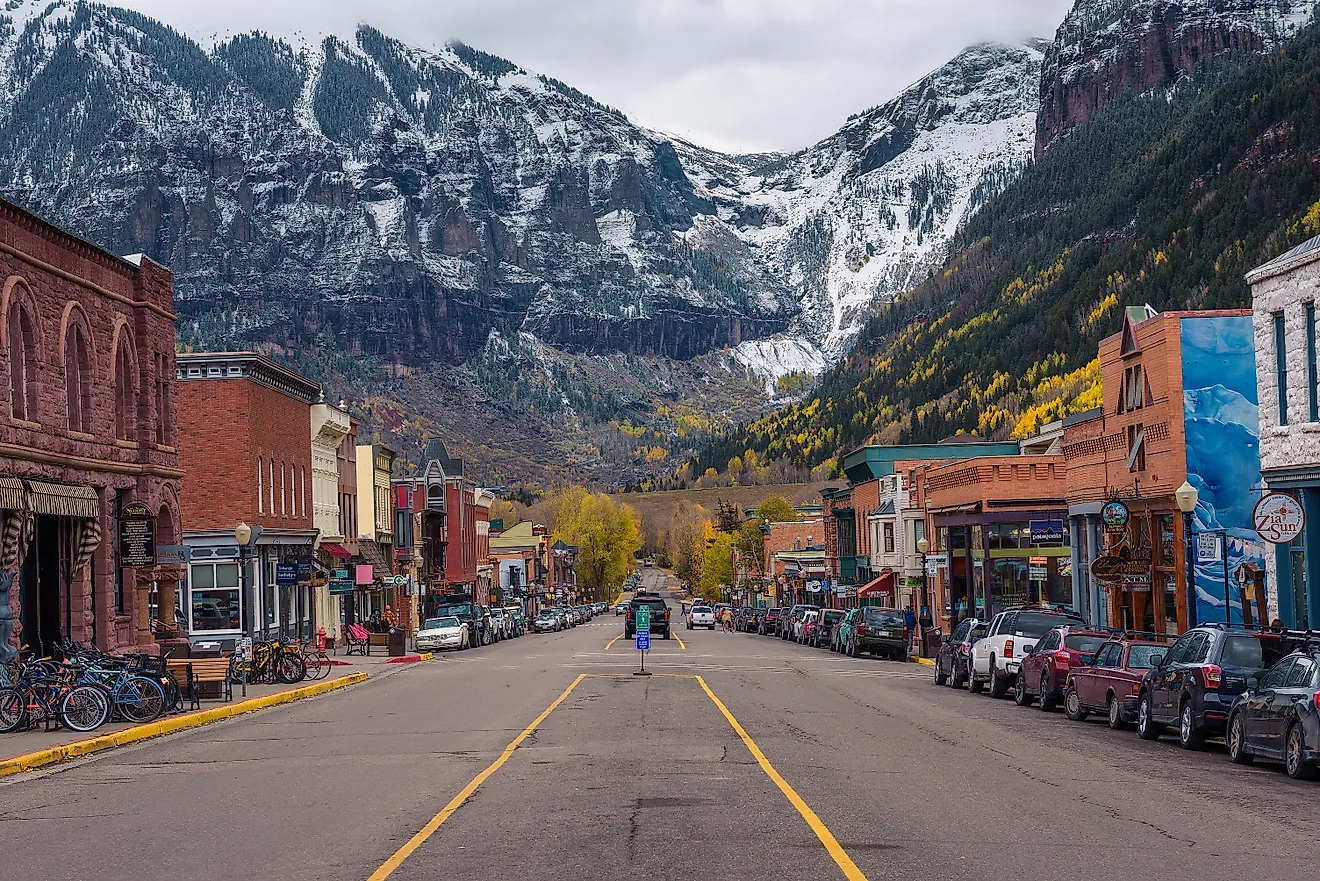
With a population of just over 8,000, Revelstoke is a well-established mountain community and is home to ACMG ski guides, adventure writers, and action vloggers and photographers. The Revelstoke Mountain Resort fuels the economy, positioning the city as a global ski destination. Summer recreation shouldn't be overlooked, though, as there is still fun to be had during the warmer months, like exploring nearby Mount Revelstoke and Glacier national parks.
Queen Victoria Hospital is the town's hospital and provides essential medical care, with wider services available in larger cities such as Kamloops or Kelowna.
Revelstoke's culture is a mix of outdoor recreation and small-town friendliness: basically, the type of place where everyone knows each other. The people here prioritize access to skiing, snowboarding, and alpine adventures over urban amenities. The trade-off for this lifestyle is higher housing costs relative to local wages and limited economic diversity. However, for those working in tourism, remote roles, or seasonal industries, living in Revelstoke can be a great experience.
Nelson

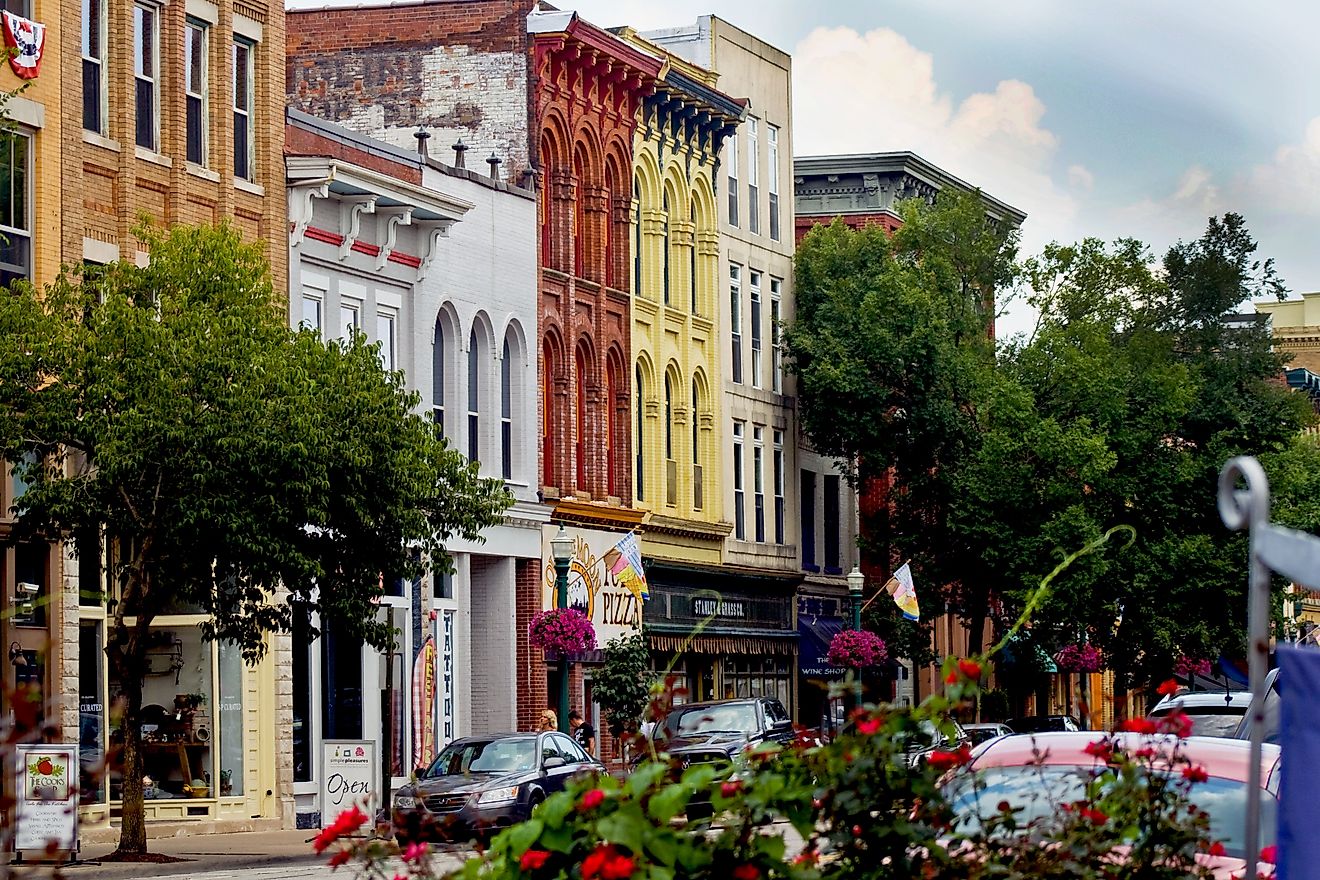
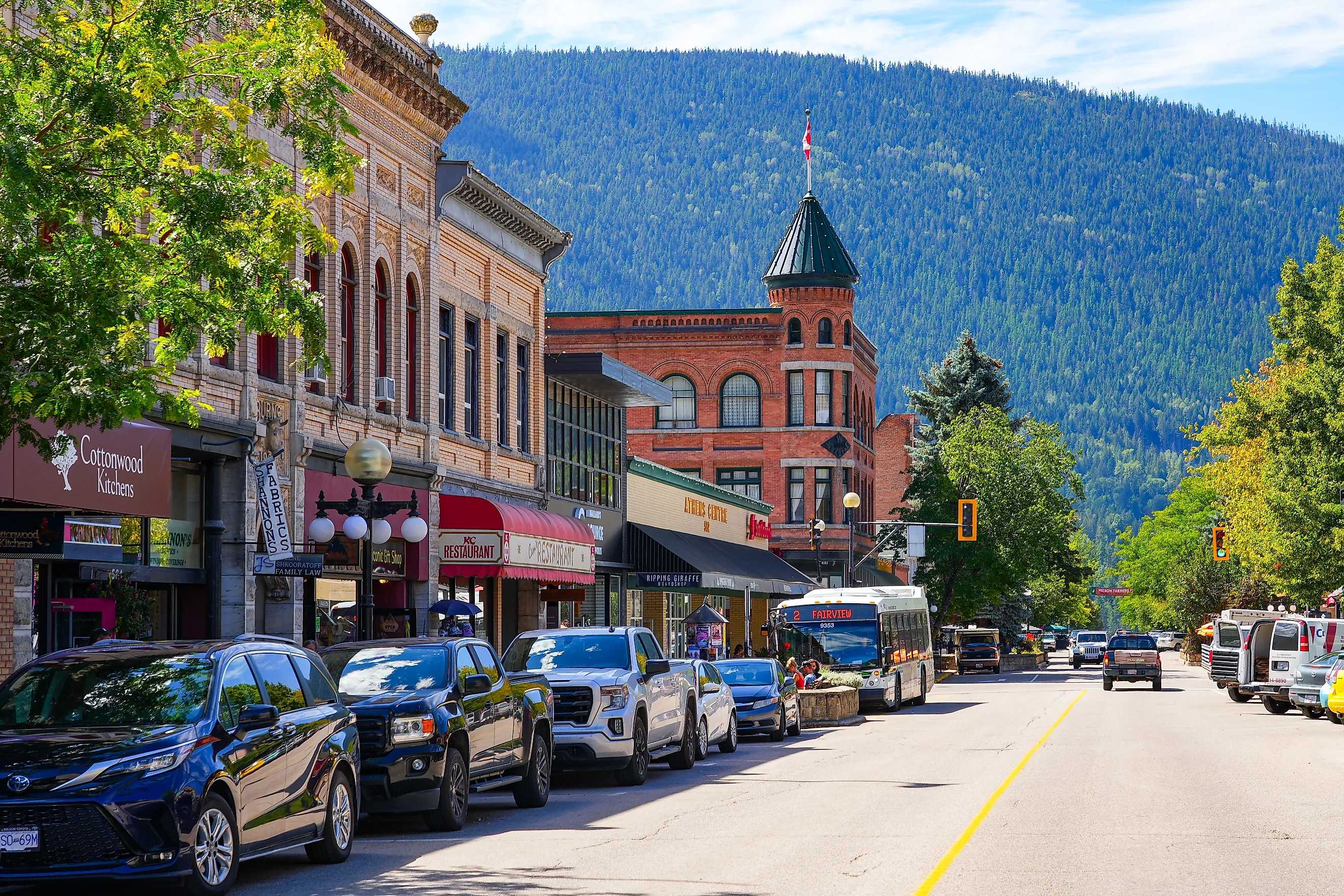
Nelson is a culturally distinctive small city, known for its historic architecture and thriving arts scene. It is especially beautiful when the leaves turn colour in the fall, with the trees downtown blending in with the buildings to create something special. It's located in the Selkirk Mountains along the West Arm of Kootenay Lake and has a population of just over 10,000 people.
The town hospital, Kootenay Lake Hospital, provides essential medical services for the surrounding region, and Selkirk College offers a wide range of post-secondary courses and extra-curricular activities.
Housing costs in Nelson have increased due to buyers from bigger cities in BC and the neighbouring province of Alberta seeking a quieter community to live in, but the city still offers a range of options. Townhouses, apartments, and single-family homes are still much lower than the provincial average. Its compact downtown core, filled with heritage buildings, features numerous bookstores and an impressive range of restaurants, like Broken Hill and The Black Cauldron, for its size.
Recreation is central to life in Nelson. Residents have immediate access to skiing at Whitewater Ski Resort and biking trails like the Great Northern Rail Trail.
Salt Spring Island

One of the Gulf Islands, located in the Strait of Georgia, Salt Spring Island is known for its art, farming, dining, and waterfront living. Unlike other towns that claim art as part of their identity, this art community goes beyond a couple of galleries where you can only view art (although there are some great ones, like Jill Louise Campbell Fine Art Gallery and Gallery 8). Join the fun and partake in painting classes at Creative by Nature Art or Mudpupy Studios, or take on another form of art at the Glass Foundry, Butterfly Pottery Studio, or any of the other art studios on the island. There is even a Salt Spring Arts Council. Art is meant to be shared, and on the island, people take part in the art, becoming creative to their heart's content.
The food and drink scene is also a highlight. The Saturday Market, where you can meet farmers and growers and try different food vendors, and Salt Spring Island Cheese, can give you a sample of what food is supposed to taste like. Manor Dining at Hastings House, with its fine dining experience, and Woodley's Kitchen at Harbour House are both places you can satisfy your appetite. And no matter how you like to get a buzz, there are lots of drinks to choose from between Salt Spring Wild Cider, Salt Spring Brewing Co., and Salt Spring Vineyards, all locally sourced and owned.
Lady Minto/Gulf Islands Hospital is on Salt Spring, and tourism and hospitality are the main industries, while locally owned food and art businesses also thrive if they build a good reputation.
The island has many mansions, since it caters to the waterfront luxury market, but affordable housing and condominiums are also available, right around the national average. The bottom line: you don't have to be a millionaire to experience this island as your new home.
Qualicum Beach

With more than half of its population above the age of 65, Qualicum Beach is among the most senior-heavy communities in Canada and is often called a retirement capital. It's a quiet place, home to roughly 9,300 residents, where a slower pace of life is appreciated. Retirees concerned about hospital access will be happy to know that although there isn't a hospital directly in town, the full-service Oceanside Health Centre (with 24-hour emergency services) is only about a 12-minute drive away.
Crime isn't an issue here either, with the community having a reputation for a low crime severity index relative to other towns on Vancouver Island in recent years. The Qualicum Beach Senior Activities Centre is a great place for older folks to take part in a yoga class or sit and play dominoes. And the Vancouver Island Regional Library offers more activities and, of course, books, magazines, and DVDs to browse and borrow.
For a day outside, enjoy Heritage Forest, a peaceful place to stretch your legs and walk short, shaded trails, or take in the gardens at Milner Gardens and Woodland. Both are great outdoor activities for retirees. There is also Little Qualicum Falls Provincial Park, for even more outdoor fun. The main thing here is peace, quiet, and security, and with beachside views to make you feel even more serene, this little town can become a small slice of paradise.
Find Your Place in Beautiful British Columbia
Ultimately, choosing where to live in British Columbia depends on personal preference, which sounds like a cliché, but it is the truth. Together, these eight cities illustrate the appeal of the province: a place where dramatically different lifestyles can exist within the same geographic borders, each offering its own version of what it means to live well in 2026. If that means living in a quiet retirement town or in the outdoor recreation capital of Canada, there are many options to choose from. Since BC is one of the big three provinces (along with Quebec and Ontario), it can easily become the Canadian dream for both people born here and for those who are new to the country.