7 Towns in Florida With Unique Traditions
Every April, a crowd gathers in a small Panhandle town to watch people drive wooden stakes into the dirt and coax earthworms out of the ground. That is a real tradition in Sopchoppy, and it is far from the only one Floridians have kept alive. Greek sponge divers still work the docks at Tarpon Springs. Psychics have read visitors in Cassadaga for well over a century. Commercial fishing families have held Cortez together since the 1880s. Here are seven Florida towns where the local custom is worth planning a trip around.
Cassadaga

Cassadaga has called itself the "Psychic Capital of the World" for good reason. A New York medium named George Colby founded the spiritualist community here in 1894, and the residents have practiced mediumship and spiritual healing on the same wooded streets ever since. The name comes from a Seneca word meaning "water beneath the rocks." The town lies between Lake Colby and Lake Macy, halfway between Orlando and Daytona Beach, and it ranks as the oldest active spiritualist community in the southeastern United States.
You can book a reading with one of the resident mediums, or take one of the camp tours the Cassadaga Spiritualist Camp runs on Fridays and Saturdays, which cover the community's Victorian origins and its beliefs about the continuity of life. C. Green's Haunted History Museum adds another layer of local lore. When you need a break, the 124-acre Colby-Alderman Park nearby has a playground, picnic pavilion, and trails, plus fishing and boating. For dinner, Sinatra's Ristorante serves Italian food in a low-lit dining room a short drive away.
Cortez

Cortez is one of the last working commercial fishing villages left on the Florida coast, settled by fishing families in the 1880s on the shores of Sarasota Bay. Anglers here still bring in mullet, grouper, and stone crab, and residents have never traded the working docks for a tourist-board version of Old Florida. It sits about half an hour from Sarasota and an hour south of Tampa, just across the bridge from Anna Maria Island. Stop by the Star Fish Company or Tide Tables for a grouper sandwich, then watch the fishing fleet come and go from the docks.
Residents celebrate that tradition each February at the Cortez Commercial Fishing Festival, which has run since 1981 and now draws roughly 20,000 people over its two-day weekend into a village that is barely ten blocks across. Proceeds support the restoration of the nearby FISH Preserve. Before or after, the Florida Maritime Museum, set in a former 1912 schoolhouse, covers the bay's fishing culture through its exhibits. When you have had your fill of the docks, the beaches of Anna Maria are a short drive across the Cortez Bridge.
Key West

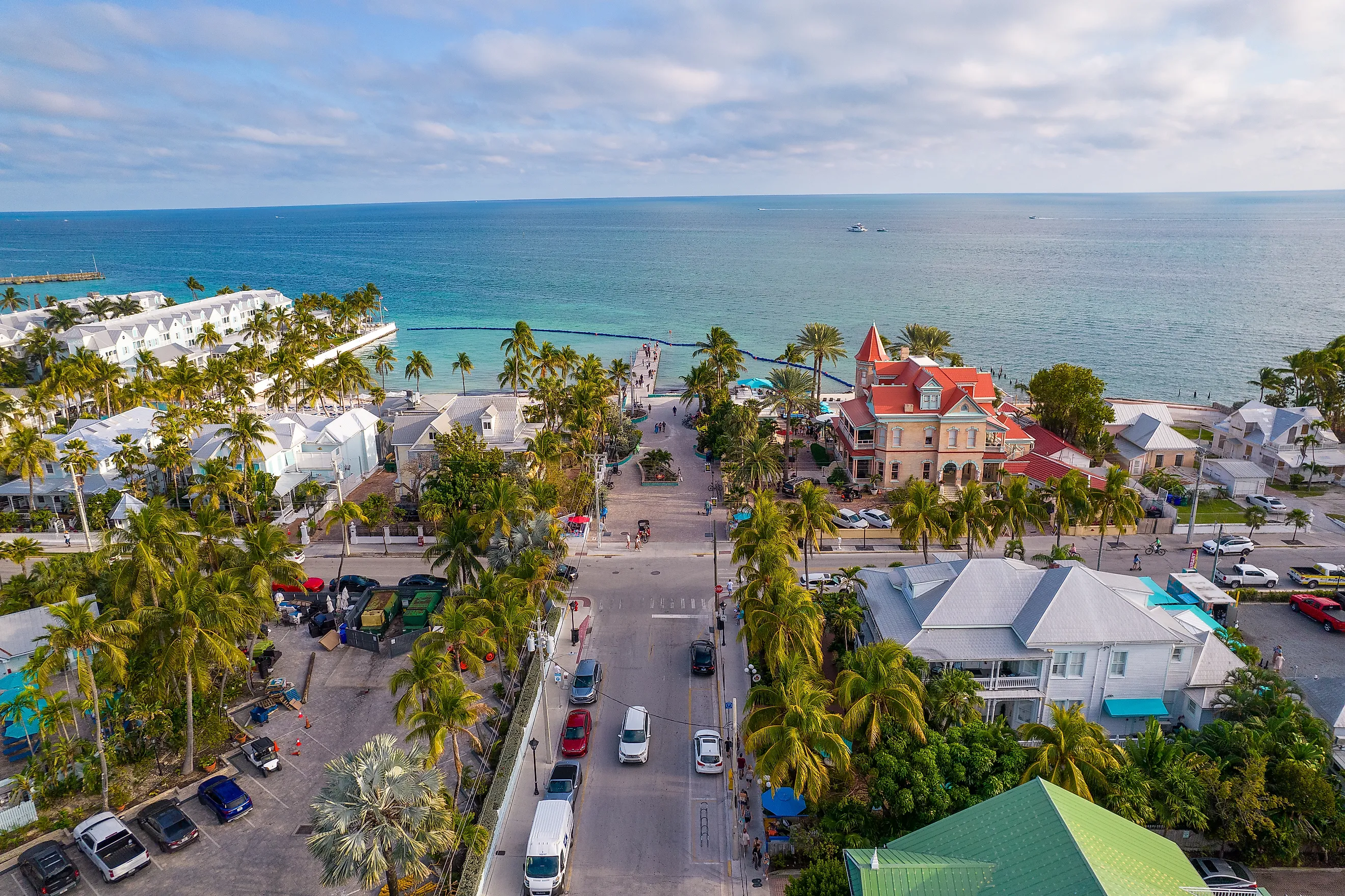
Key West is the last populated island in the Florida chain, and the local traditions tend toward the eccentric. Residents born here call themselves Conchs, pronounced "konk," and the free-range chickens that wander Duval Street trace back to the days before the railroad. Early settlers kept chickens for meat and eggs on an island cut off from the mainland, and when Henry Flagler's Overseas Railroad connected Key West to the rest of Florida in 1912, owners gradually let the birds loose. A local ordinance now protects them. Between the chickens and the key lime pie sold by the slab, residents keep the town's quirks on full display.
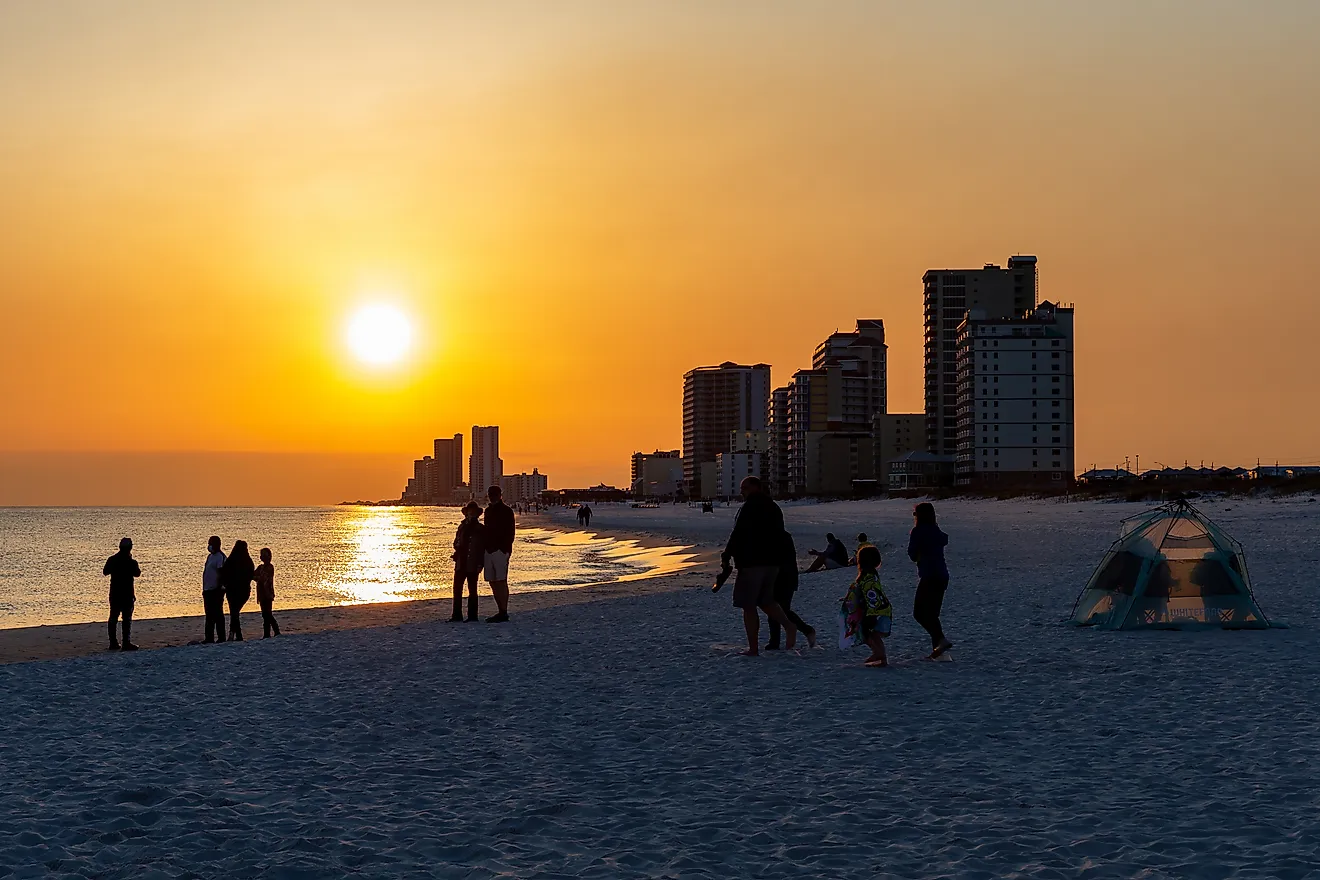
The literary tradition runs just as deep in local life. Ernest Hemingway wrote several of his best-known books at the home on Whitehead Street, where caretakers now keep roughly 60 cats on the grounds, about half of them with the famous six-toed trait and many descended from Hemingway's own. At the Mel Fisher Maritime Museum, the displays include treasure salvaged from the 17th-century wreck of the Nuestra Señora de Atocha, and thousands of live butterflies fly inside the Key West Butterfly and Nature Conservatory. Crowds gather nightly for the Sunset Celebration at Mallory Square, the town's most reliable ritual, and costumed revelers fill the streets for Fantasy Fest each October.
Mount Dora

The people of Mount Dora build their calendar around festivals, hosting more than 30 a year, from art shows to bicycle events to wine walks. The two biggest are the Mount Dora Arts Festival, put on by the Mount Dora Center for the Arts, and the craft fair organized by Visit Mount Dora. Boosters call the lakeside downtown, with its shops and restaurants, "Someplace Special," and the packed events schedule is what backs up the nickname.
The holiday events pull the biggest crowds. At Snow in the Park, organizers truck in real snow so kids can sled in Donnelly Park, often for the first time in their lives. At Freedom on the Waterfront, fireworks light the sky over Lake Dora at midsummer. The Back to School Rally and the African American History Festival round out a year that residents build around bringing the community together, which is their real point of pride.
Sopchoppy

Worm grunting put Sopchoppy on the map. Grunters drive a wooden stake, called a stob, into the ground and rake an iron bar across it, and the vibrations bring earthworms to the surface, where they get collected and sold as fishing bait. The CBS newsman Charles Kuralt filmed a segment on the practice here in 1972, and residents of this town southwest of Tallahassee have celebrated it with the Worm Gruntin' Festival every April since 2000, complete with the crowning of a Worm Gruntin' King and Queen.
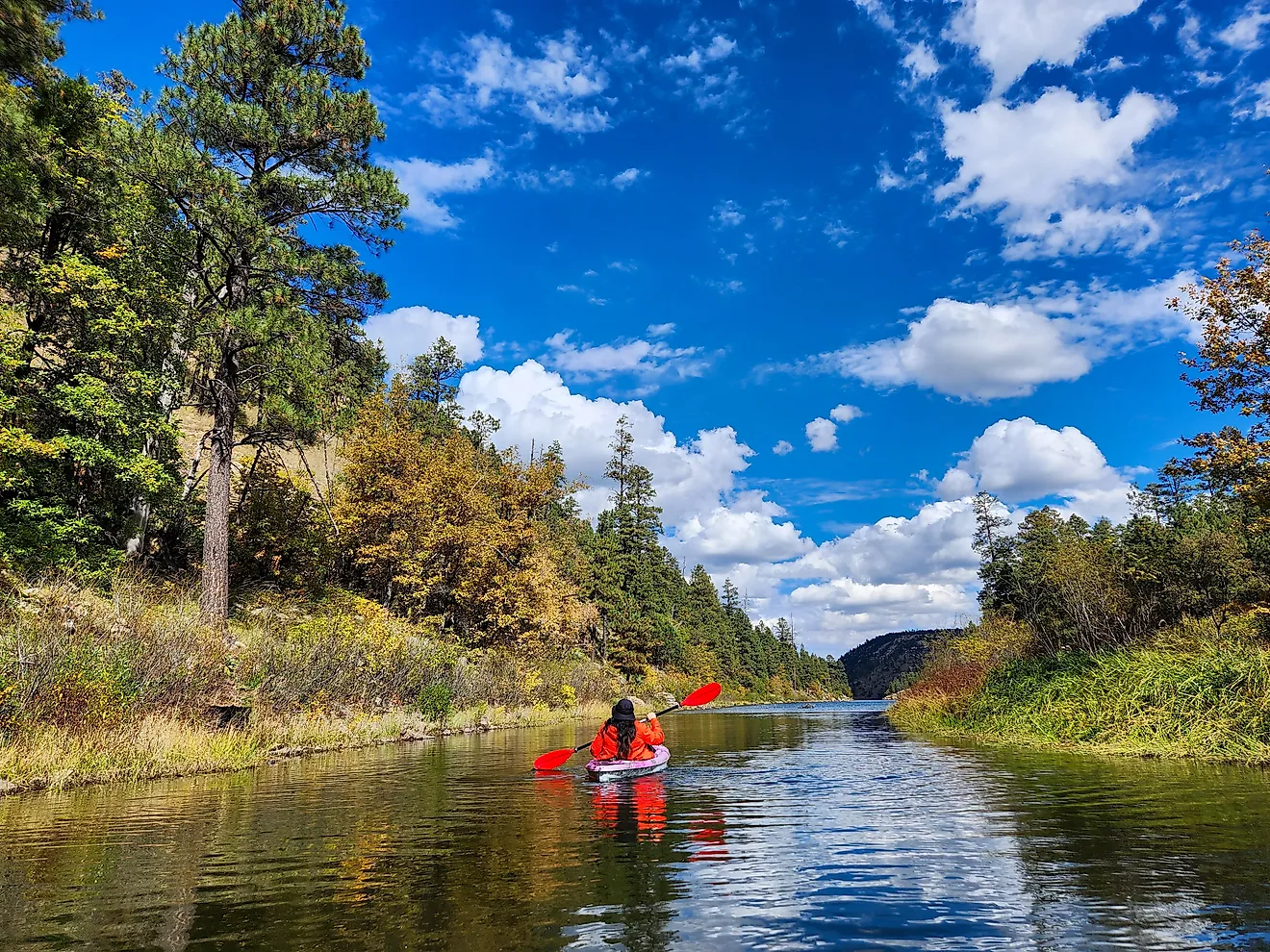
There is more to the town than worms. The Sopchoppy River runs slow and dark through a mix of pine and palm, and paddlers put in at the boat ramp for a quiet trip by kayak or paddleboard. Myron B. Hodge City Park and Campground gives tent and RV campers a riverfront base with showers. George Griffin Pottery, set back in the woods, sells rustic, earthy stoneware, and Civic Brewing Co. pours a solid lineup of beer when you come back into town.
St. Augustine

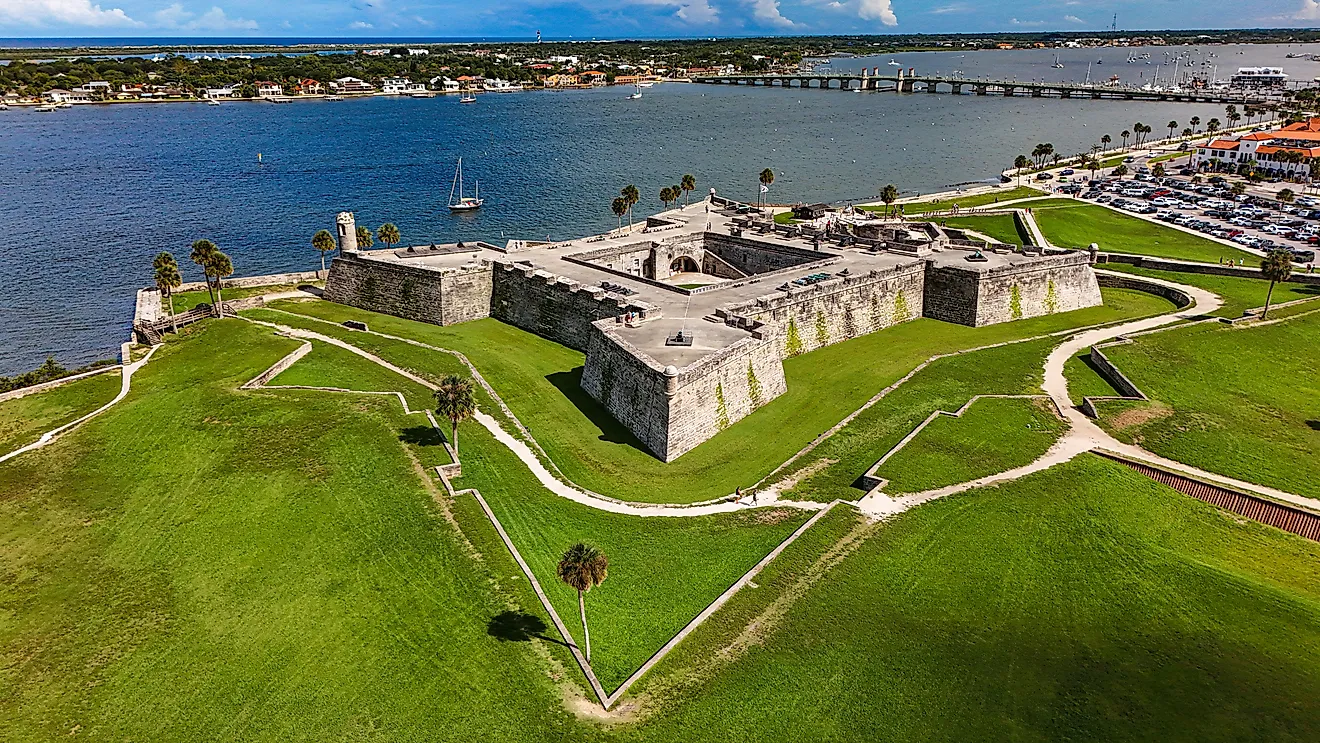
St. Augustine is the oldest continuously inhabited European settlement in the contiguous United States, founded by Spanish admiral Pedro Menéndez de Avilés in 1565. That long Spanish history is the town's living tradition, and its center is the Castillo de San Marcos, the coquina-stone fort the Spanish built between 1672 and 1695 on the western shore of Matanzas Bay. Inside the former Alcazar Hotel, the Lightner Museum's collection runs to Gilded Age antiques, Tiffany glass, and Victorian curiosities. The Bridge of Lions crosses the Matanzas River, whose Spanish name recalls a 1565 massacre, and two marble lions sit at its western end.
About 45 minutes south of Jacksonville, the Historic District still follows its centuries-old street plan, and shops and restaurants crowd both sides of pedestrian-only St. George Street in the old commercial core. Old Town trolley tours give a quick grounding in the city's past, and the beaches at St. Augustine Beach and Vilano Beach are a short hop east. The long-running St. Augustine Alligator Farm Zoological Park draws families, and the black-and-white St. Augustine Lighthouse rewards the long climb with a view over the whole peninsula.
Tarpon Springs

Greek sponge divers built Tarpon Springs into the "Sponge Capital of the World" in the early 1900s, and their descendants make up the highest percentage of Greek Americans of any city in the country. Divers still practice the trade on Dodecanese Boulevard, where sponge boats sit moored at the docks and crews demonstrate the old harvesting methods on cruises aboard the St. Nicholas. St. Nicholas Greek Orthodox Cathedral, completed in 1943 and modeled on Hagia Sophia in Constantinople, is the spiritual center of the local Greek community. Each January the parish holds the largest Greek Orthodox Epiphany celebration in the Western Hemisphere, when young divers plunge into Spring Bayou to retrieve a thrown cross.
The food carries the heritage as much as the docks do. Family-run bakeries and tavernas fill Dodecanese Boulevard, where cooks at Yianni's turn out Greek-style seafood and the kitchens at Mykonos, Hellas, and Dimitri's plate up the classics. The Sponge Exchange is a cluster of shops and market stalls under one roof, and staff at the Tarpon Springs Cultural Center run a Greek marketplace. When you want the beach, Sunset Beach and nearby Howard Park lie on small islands a few minutes from downtown, out along the Anclote River.
Traditions Worth the Trip
What ties these seven towns together is that the people in each one built a local identity around something real and held onto it. Cassadaga has its mediums, Cortez its fishing fleet, Tarpon Springs its sponge docks and Greek Orthodox rites. Four and a half centuries of Spanish history survive in the stones of St. Augustine, while the grunters of Sopchoppy turned a bait-collecting method into a festival with its own royalty. Key West residents protect their street chickens by law and gather for the sunset every night, and Mount Dora hosts a year of snow days and fireworks put on by its own townspeople. These are traditions a visitor can actually take part in, not just read about on a plaque.