7 Offbeat British Columbia Towns To Visit
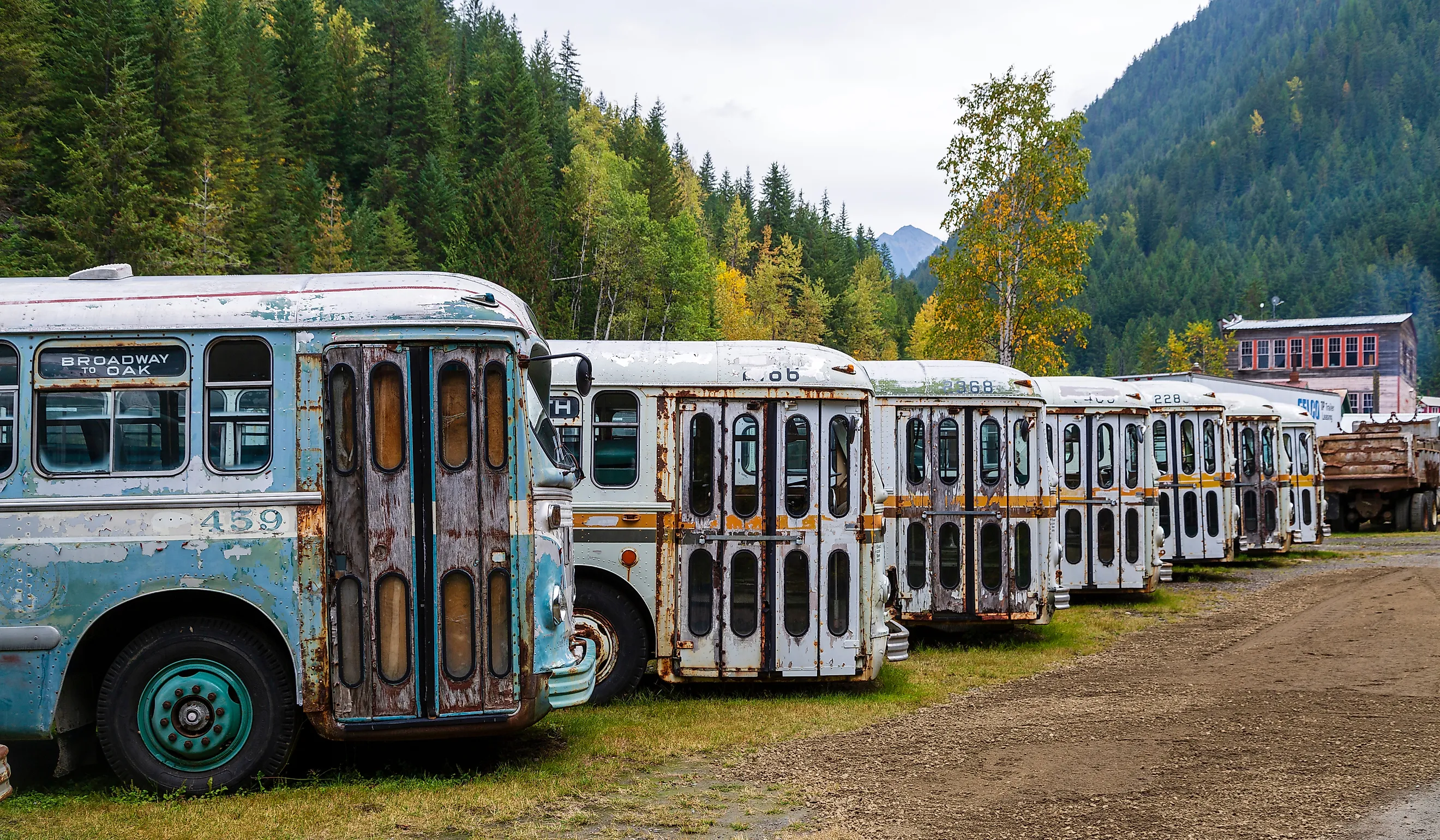
Nelson keeps a Cold War bunker under one of its downtown blocks and still runs a 1900s streetcar along its lakefront each summer. Up in the Slocan Valley, the near-ghost town of Sandon lines a fleet of retired Vancouver trolley buses along a creek. These are not the postcards British Columbia is famous for, but they are a real part of it.
Across Canada's westernmost province, towns built on silver, coal, gold, and desert farming have turned their odd histories into reasons to visit. Here are seven of them, scattered across the Kootenays, the Okanagan, and Vancouver Island.
Nelson

Nelson stands apart not for its size but for its surprisingly large mix of cultural offerings, outdoor activities, breathtaking scenery, and fascinating historic character.
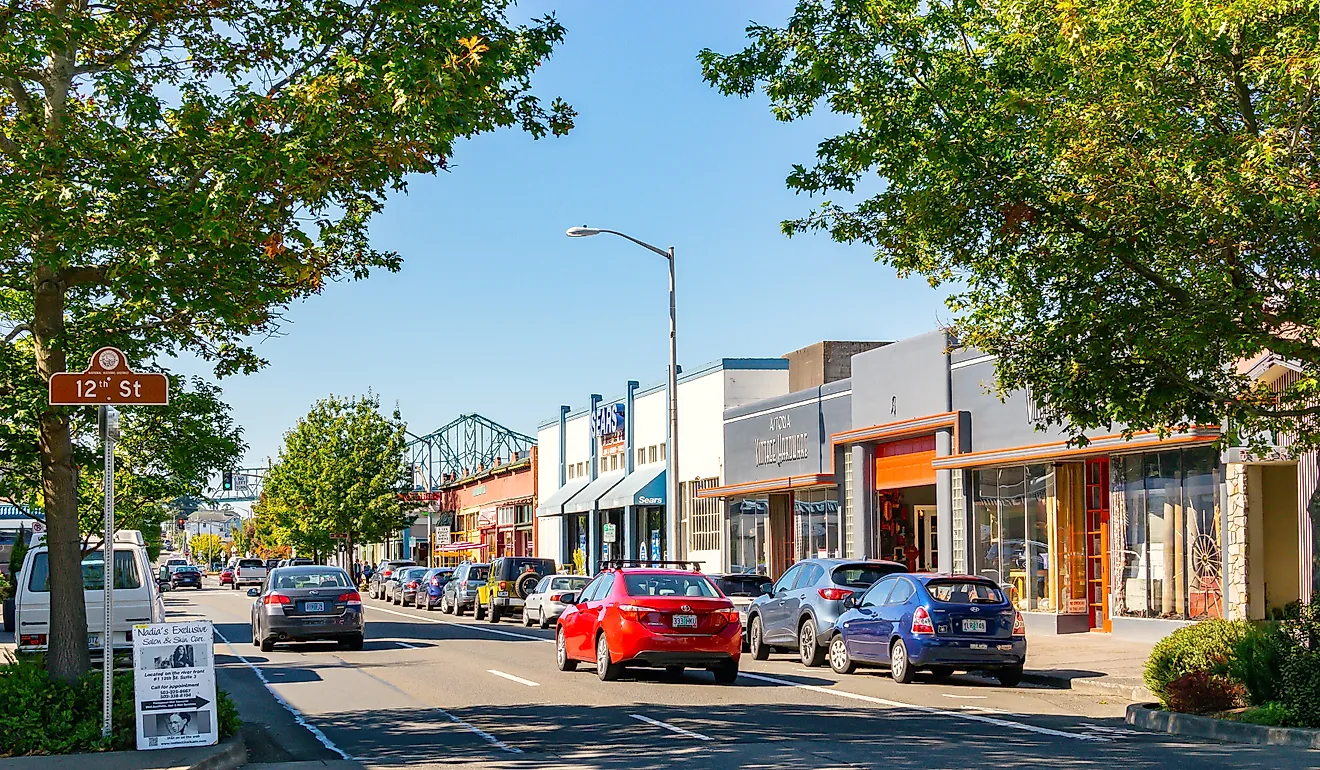
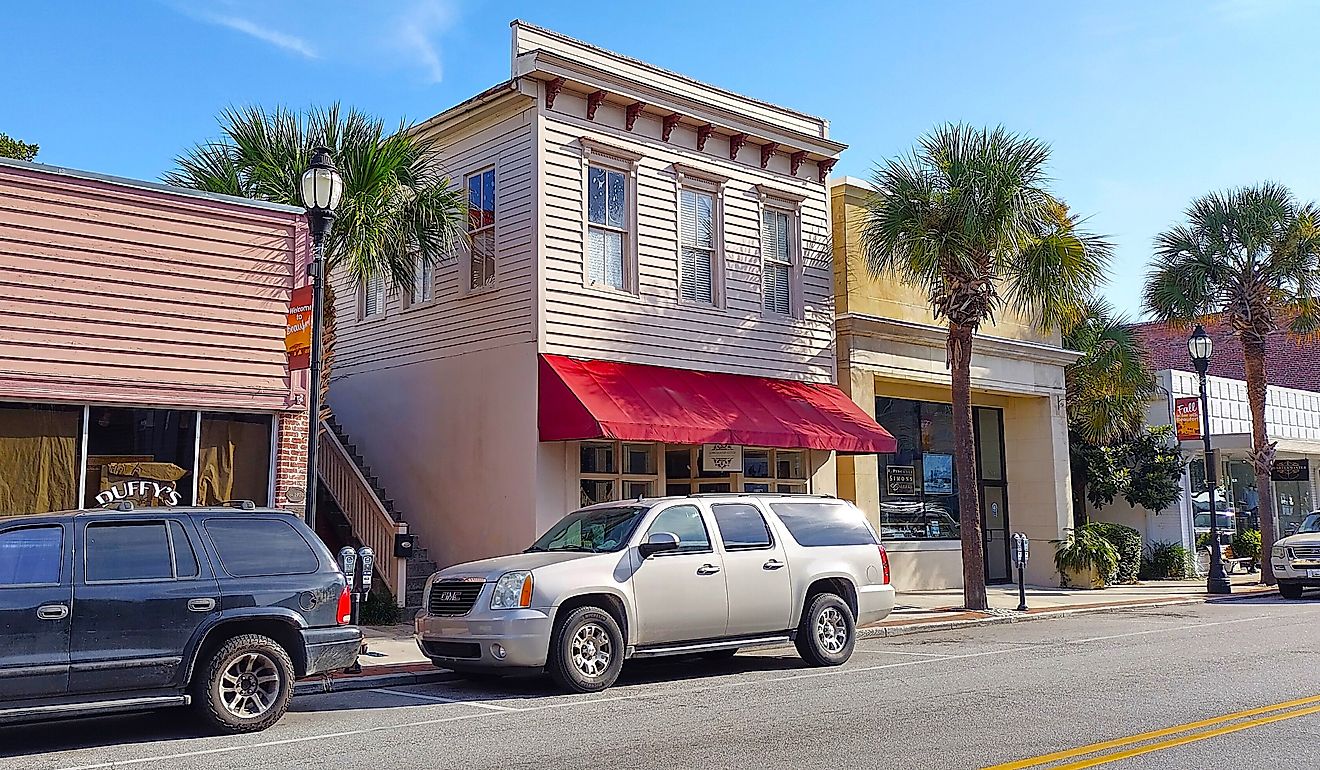
Set along the west arm of Kootenay Lake, this town pairs over 350 restored heritage buildings with modern amenities, including a large selection of hotels, restaurants, and locally run businesses. Baker Street forms the commercial core, lined with bookstores, record shops, cafes, breweries, museums, and art galleries housed in many of the community's original 19th-century brick facades.

Around the corner on Vernon Street, make sure to check out the Nelson Museum, Archives & Gallery to learn more about regional history. Take a look at its adjacent nuclear bunker, too. That's right, there is a rare Cold War era bunker beneath this block, built in 1964, when about 50 such bunkers went up across Canada, and now open for guided tours.
Another thing you might not expect to see in this mountainous town is well-developed public transportation, but Nelson will surprise you again with its historic streetcar #23, which still runs along the waterfront in summer. Maybe not so much in the "well-developed" category, but it is an odd sight to find this far from any major metropolitan area.

Just outside of town, Ainsworth Hot Springs and the otherworldly caves behind the soaking pools provide a geothermal detour. If you love nature, you may also want to see the salmon run at nearby Kokanee Creek Provincial Park in the late summer. It is a beautiful bit of green space any time during the year, though, and the drive to it from Nelson is just as scenic as the park itself.
Oliver

Known as the "Wine Capital of Canada," Oliver and its surrounding countryside boast numerous independent wineries, most of which are open for you to visit. It lies in the semi-arid South Okanagan Valley, surrounded by vineyards, orchards, and rolling hills.

While larger destinations in the region, like Penticton or Kelowna, cater to commercial wine tourism at big brand vineyards, Oliver tends to keep it a bit more low-key, with many tasting rooms often run by the winemakers themselves. Highlights include Bartier Bros., Intersection Estate, and Hester Creek, each offering distinct varietals tied directly to the region's dry climate and rocky soil.
There is more to do here besides sampling local vintages. The Oliver Heritage Trail, for example, connects you to the town's roots in an interactive way, passing by the historic CPR Station (which has a helpful little visitor center within it) and sites related to the South Okanagan Irrigation Project, which transformed the area into farmland in the early 1900s. You can also order up some locally produced beer instead at Firehall Brewery, which is located right in the heart of downtown.
Sandon

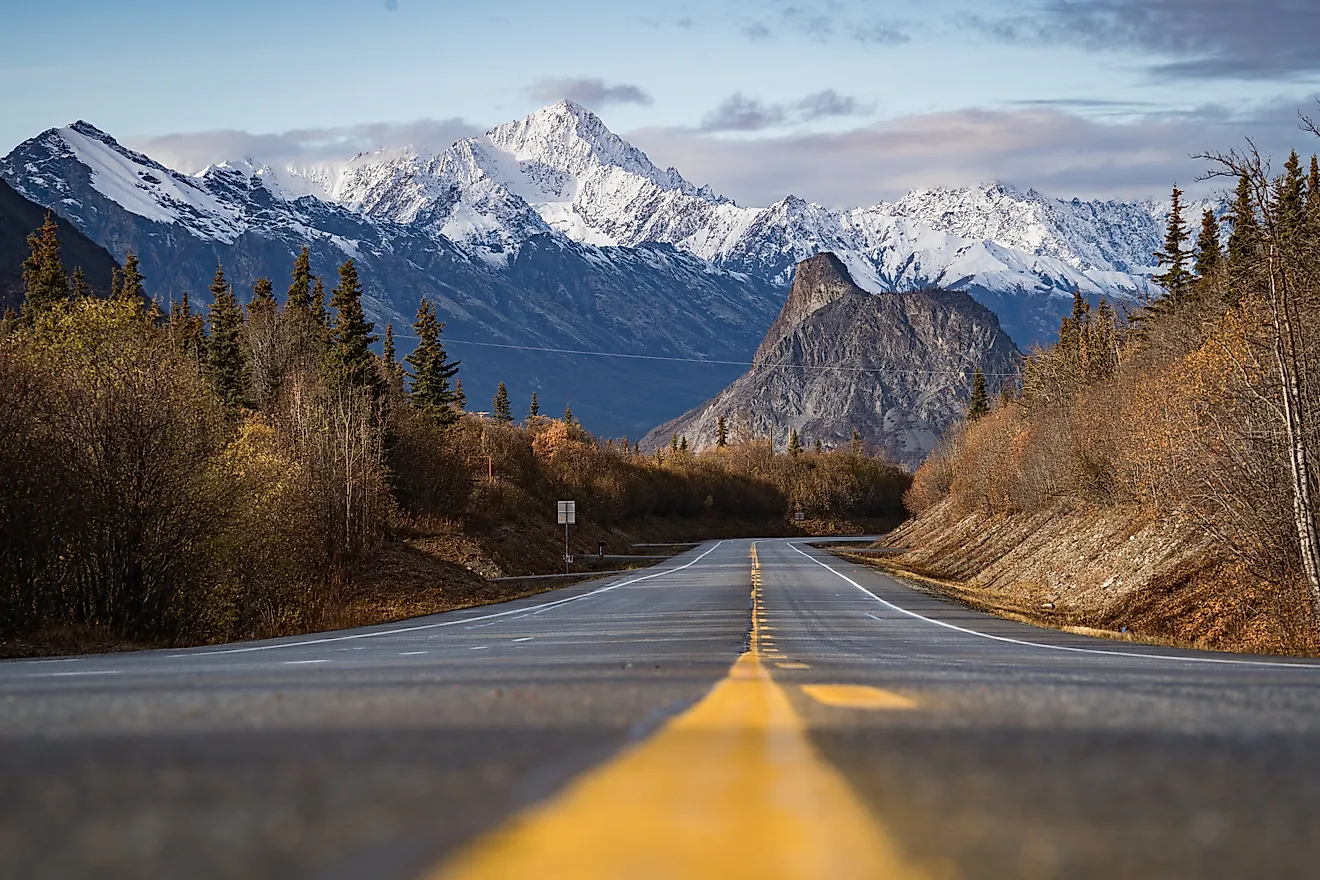
Located in the narrow Slocan Valley in the Selkirk Mountains, Sandon is a community on the verge of becoming a ghost town. Once a silver mining hub with dozens of saloons and even a red-light district, it now operates more like an open-air museum, visited by urban explorers and history enthusiasts alike.
Though Sandon has no gas stations or restaurants, its remote setting and decaying wooden structures attract photographers, historians, and anyone curious about the stranger corners of British Columbia's past.
The Sandon Museum, located in the original city hall, holds artifacts from the town's heyday, while the Silversmith Powerhouse still produces hydroelectricity using its original 1897 equipment! Sandon's most unexpected feature is its lineup of vintage Vancouver trolley buses parked along Carpenter Creek, each acquired for a transit museum that never actually opened. A purpose for them has emerged over the decades, however, now acting as a sort of surreal roadside monument.
Deep in the Selkirk Mountains, the area also draws hikers, including those who tackle the route up to Idaho Peak, where fields of wildflowers and viewpoints over Slocan Lake reward the climb.
Osoyoos

Just down the road from Oliver is another of British Columbia's most unique towns. Osoyoos occupies one of the strangest ecological zones in all of Canada, a desert basin surrounded by more vineyards, dry grasslands, and sagebrush-blanketed hillsides. In fact, many consider it to be the only desert in the country. Although there is debate about this classification, with factors like precipitation levels and whatnot being disputed, the place certainly feels like something you'd find much further south in Nevada or Utah, perhaps.
The nearby Nk'Mip Desert Cultural Centre sits on Osoyoos Indian Band land and offers guided walks through preserved desert habitat, complete with rattlesnake warnings, traditional pit houses, and interpretive displays on the Okanagan people and local wildlife.

Furthermore, the town wraps around Osoyoos Lake, one of the warmest freshwater lakes in the country, making it a magnet in the summer for boaters and swimmers. However, on the edge of Osoyoos is its most recognized body of water: Spotted Lake. This odd-looking natural feature draws photographers and geologists to its mineral-rich waters, which have formed dozens of distinct, circular pools that particularly stand out during the hot months. The pools give the landscape a distinct Swiss cheese-like appearance, and are often different colors depending on mineral content within them. The effect is otherworldly, to say the least, and is easily visible right from Highway 3.
Osoyoos also sits on the International Hike and Bike Trail, which passes a collection of local orchards, vineyards, and wetlands along the Okanagan River.
Lillooet

Located along the Fraser River and framed by towering canyon walls, you might be surprised to learn that Lillooet was once one of the largest settlements in British Columbia during the Fraser River Gold Rush of the late 1850s. Remnants of that time are still visible in the Miyazaki Heritage House, the Old Suspension Bridge, and plaques marking the original Cariboo Wagon Road.
The dry, rugged, and sun-baked terrain now supports other industries, like ginseng cultivation and other agricultural operations, while Indigenous culture remains central through the St'at'imc Nation's presence. The Xwisten Experience Tours, led by members of the Bridge River Band, guide visitors through fishing camps and ancient pit house villages, some of the oldest continuously inhabited sites in the province.

For more to do in the great outdoors, the Seton Lake Lookout gives you sweeping views of turquoise water surrounded by sheer cliffs, while some of the lengthy trails into the Coast Mountains begin just outside of Lillooet. Camping is also close at hand, with the Cayoosh Creek Campground sitting just steps away from downtown, near the riverside. It is also known to be a great spot for stargazing, with clear skies almost totally free of light pollution (even so close to town) being commonplace.
Cumberland

Cumberland began as a coal mining community in the late 1800s, and traces of that history still shape both its terrain and culture. Located just inland from the Comox Valley of Vancouver Island, its forested edges are threaded with an unusually dense network of multi-use trails, many following old mining roads and rail lines. These have made Cumberland a hotspot for mountain bikers, hikers, and trail runners, with routes weaving through verdant second-growth forests, which thrive in the region's favorable coastal climate.

The downtown core has much to offer, too, with spots like the Cumberland Museum, for one, giving you an unvarnished window into its early years, including the overlooked histories of Chinese and Japanese communities who lived in segregated quarters outside of town. Moreover, the Coal Creek Historic Park further delves more into the area's mining history along a scenic web of nature trails with several landmarks to visit along the way.
Regardless of how you spend your time here, Cumberland makes a quieter base than the busier Vancouver Island hubs nearby, like Courtenay, Nanaimo, or Campbell River, and it still has a good selection of accommodations and other amenities for your travels.
Kimberley

Kimberley is a curious Bavarian-themed town on the British Columbian side of the Canadian Rockies. Originally built around the Sullivan Mine, once one of the largest lead-zinc mines in the world, the community redefined itself after the mine's closure in 2001 by turning toward tourism in a slightly more unconventional way than similar communities in the area.
The compact downtown area, known as the Platzl, is a pedestrian-only plaza with half-timbered facades, cobblestone pathways, and Canada's largest free-standing cuckoo clock! There are, of course, a number of German-themed shops and restaurants for you to enjoy, too. Be sure to pay a visit to The Old Bauernhaus Restaurant for a tasty meal in a traditional setting, and grab a gift to take home at the Yodelling Woodcarver Shop, or grab some tools at Canada's only "Bavarian Home Hardware" should you need some.

Kimberley is also known for its extensive local trail systems. See it for yourself at the Kimberley Nature Park, one of the largest urban parks in Canada, with over 50 kilometers of trails accessible right from town. On the other hand, in winter, Kimberley Alpine Resort draws skiers to its relatively uncrowded slopes, while nearby Nordic trails and backcountry routes attract an even quieter crowd.
See Another Side of B.C This Year
These seven towns share less a look than a backstory. Most grew up around a single industry: silver in Sandon, coal in Cumberland, lead and zinc in Kimberley, gold-rush traffic in Lillooet. Each had to reinvent itself when the original work ran out, and what survived tends to be specific and a little odd, like a working 1897 powerhouse, a desert cultural centre on Osoyoos Indian Band land, or a cuckoo clock the size of a shed. None of it fits the usual British Columbia postcard, which is exactly the point.