7 Fairy-Tale Small Towns In Florida
Florida’s fairy-tale towns need more than brick streets and mossy oaks to earn the title. Mount Dora opens onto Lake Dora while Micanopy sits near Paynes Prairie Preserve State Park. Cedar Key serves Gulf views at Steamers, and Apalachicola pairs historic streets with Orman House Historic State Park. Sopchoppy celebrates the Worm Grunting Festival while Fernandina Beach leads to Fort Clinch. DeFuniak Springs wraps its downtown around Lake DeFuniak. These towns are made for a weekend on the road.
Mount Dora

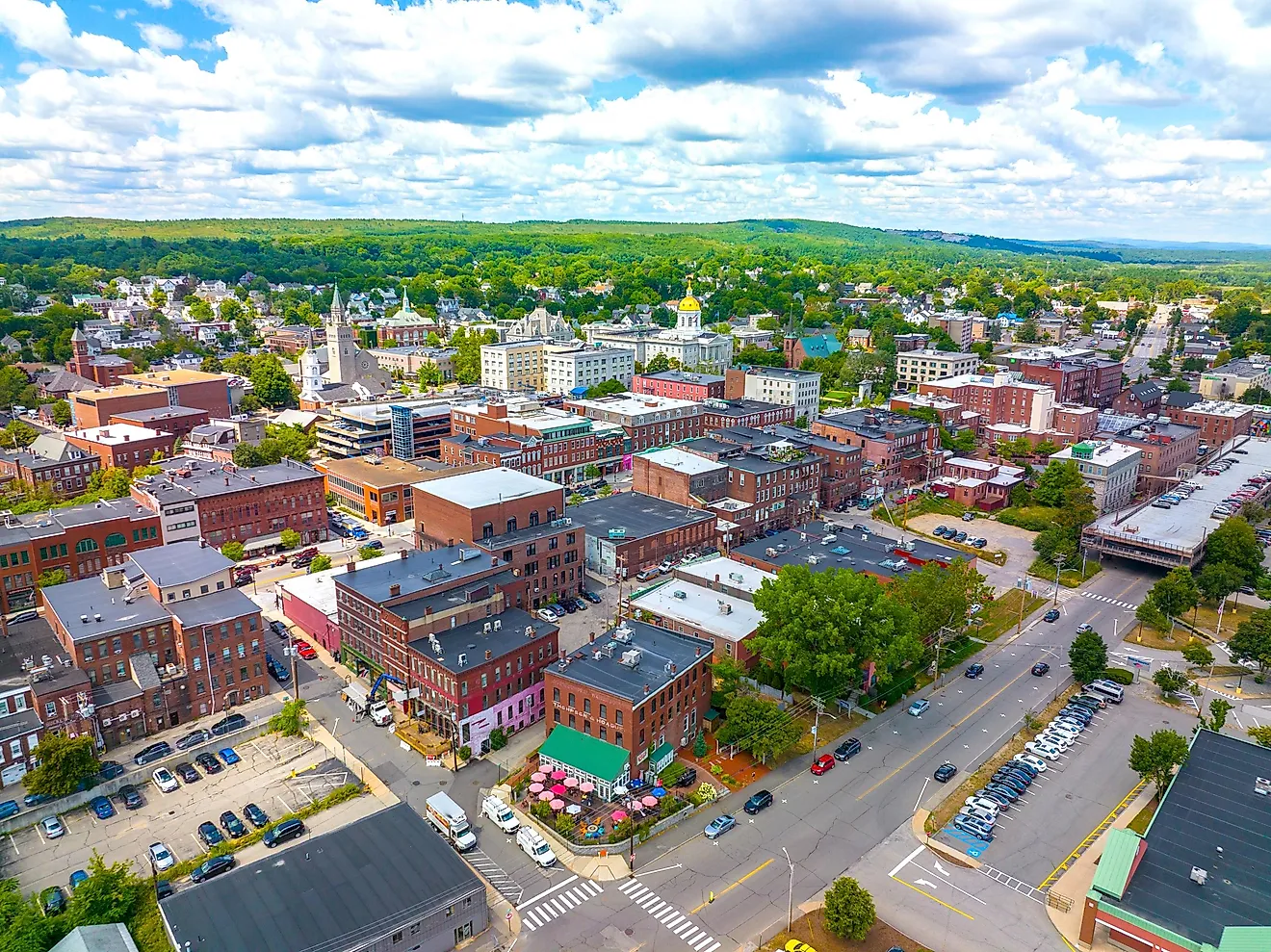
The old firehouse on Royellou Lane once held the town jail, and today it holds the Mount Dora History Museum, where the cells still stand behind the exhibits. That mix of function and afterlife runs through this Lake County town, which sits about 30 miles northwest of Orlando on the eastern shore of Lake Dora. The rolling terrain and the water are the reasons it grew, first as a citrus stop and then as a festival town that fills its calendar with arts fairs and craft shows. Palm Island Park stretches an elevated boardwalk through eight acres of oak shade to a fishing pier on the lake, and dogs are welcome the whole way. When the walking is done, Wolf Branch Brewing pours local craft beer a short stroll from the waterfront.
Micanopy

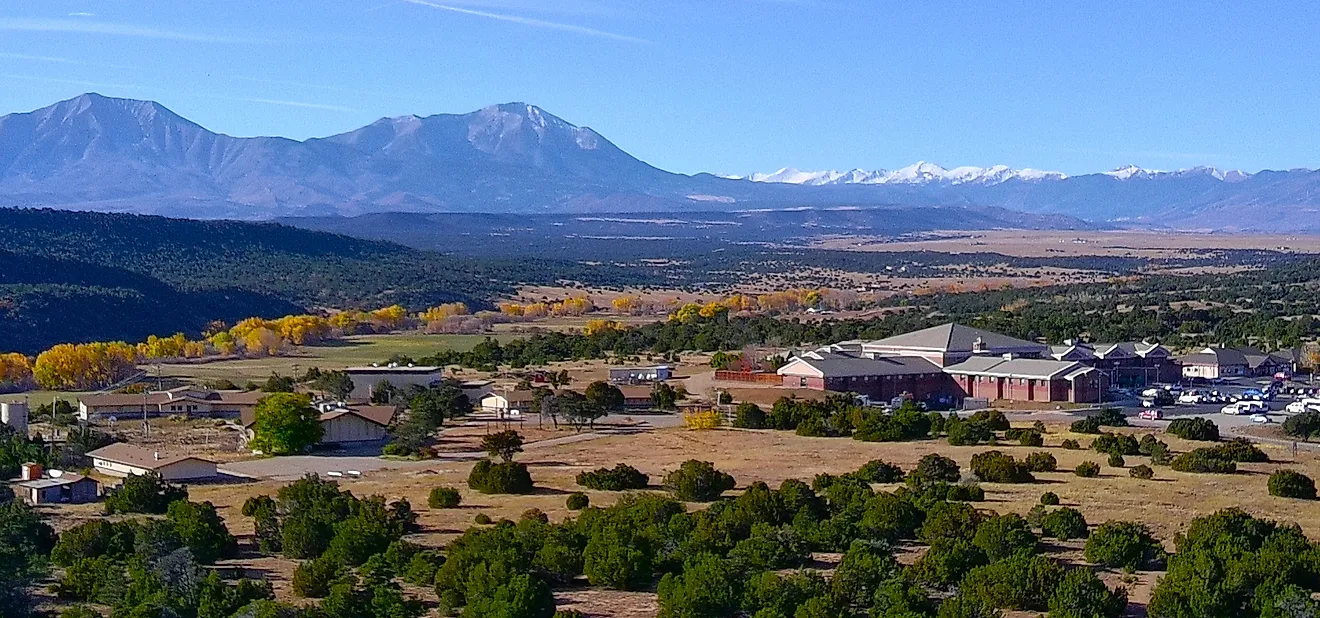
Founded in 1821, Micanopy claims the title of Florida's oldest continuously inhabited inland town, and it wears the age well. It sits about ten miles south of Gainesville, home to fewer than 700 people, its main street shaded by live oaks and lined with antique shops. The town took its name from the Seminole chief Micanopy, and the Micanopy Historical Society Museum lays out that past through artifacts and old storefront relics. On the town's edge, Paynes Prairie Preserve State Park opens onto a wide savanna where wild bison and horses graze within sight of the trails. Down at Pearl Country Store and Barbecue, a former convenience store turned smokehouse, the brisket and pulled pork have made it the lunch spot of the whole village.
Cedar Key

Clams built modern Cedar Key. When the old wild fishery gave out, this Levy County island cluster turned to aquaculture and became one of the country's largest producers of farm-raised clams, a shift you can taste at any raw bar in town. The village sits at the end of State Road 24 on the Gulf Coast, three miles offshore and reachable only by a chain of low bridges. Several surrounding islands make up the Cedar Keys National Wildlife Refuge, a paddler's destination thick with nesting pelicans, ibis, and roseate spoonbills. Cedar Key Museum State Park tells the island's story alongside a restored 1920s home and a short nature trail. The town took a hard hit from Hurricane Helene in 2024, and its working waterfront is still rebuilding, but the seafood and the slow pace endure. Steamers, a longtime clam-bar favorite, kept serving through the recovery from its 2nd Street kitchen.
Apalachicola

Cotton made Apalachicola rich, and oysters kept it going. In the mid-1800s, this Franklin County port on the Panhandle ranked among the busiest cotton-shipping harbors on the Gulf, and the money it drew still shows in the 19th-century storefronts lining the bay. When the cotton trade faded, the seafood industry took its place, and Apalachicola Bay oysters carried the town's name across the state. The 1838 Orman House, a Greek Revival mansion built for cotton merchant Thomas Orman, sits above the river with guided tours and the Chapman Botanical Gardens next door. Downtown, Grady Market fills a restored ship's chandlery with clothing, gifts, and gourmet goods. A few doors down, the Owl Cafe serves seafood from the porch of a vintage building. For a livelier night, High Five Dive Bar keeps cold beer, live music, and a food truck going.
Sopchoppy

No other town in Florida throws a party for earthworms. Sopchoppy, in Wakulla County on the eastern edge of the Apalachicola National Forest, calls itself the Worm Gruntin' Capital of the World and celebrates the title each April with a downtown festival built around the old bait-harvesting trick of vibrating a stake to coax worms to the surface. Southwest of Tallahassee, the town draws anglers, paddlers, and hikers to the river and forest that wrap around it. Myron B. Hodge City Park spreads 35 acres along the banks of the Sopchoppy River, with camping, fishing, and boating right at the water. George Griffin Pottery sells hand-thrown work and hand-painted lamps from its gallery in town. Civic Brewing Company rounds out a visit with craft beer and pizza from its on-site food truck.
Fernandina Beach

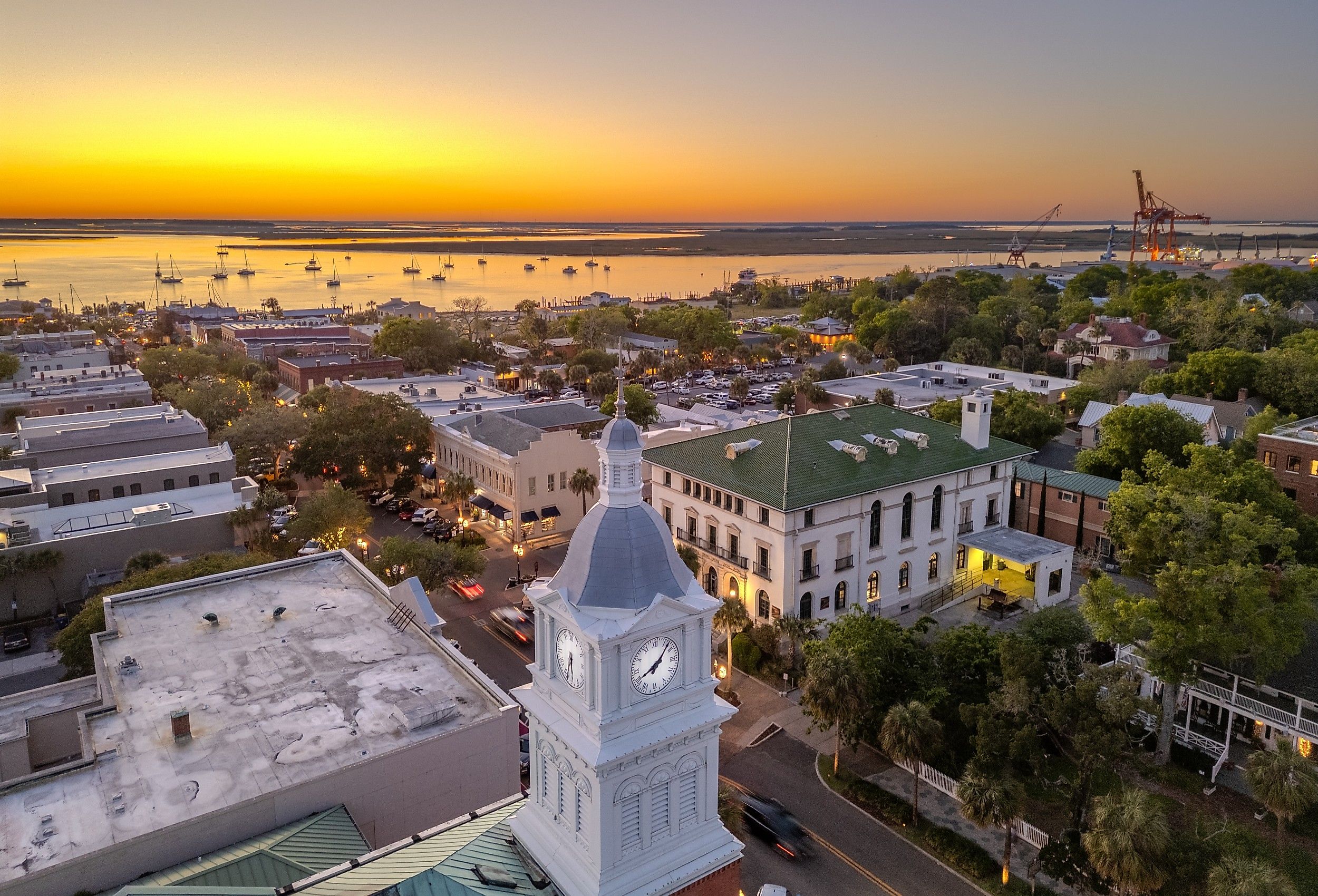
Eight national flags have flown over Fernandina Beach, and the town leans into that layered history at every turn. Set on Amelia Island at Florida's northeastern tip, it built its fortune on shrimp and still calls itself the birthplace of the modern shrimping industry. The Victorian-era downtown along Centre Street reflects those prosperous decades, and the Isle of Eight Flags Shrimp Festival fills it each May with a parade and boatloads of Gulf shrimp. Fort Clinch State Park sits at the island's north end, where a masonry fort begun in 1847 sits amid camping loops and beachfront nature trails. Amelia River Cruises runs boat tours past the marsh and its wildlife, and the Amelia Island Museum of History, housed in the old county jail, traces the story from the Timucua people forward. Sandbar Amelia Island rounds out the day with burgers and pizza on a patio near the water.
DeFuniak Springs

A railroad survey party camped beside a near-perfect circular lake in 1881, and their leader decided the spot deserved a town. That decision made DeFuniak Springs, the Walton County seat in the Panhandle, and the round spring-fed Lake DeFuniak still sit at its center. The Pensacola and Atlantic Railroad turned the settlement into a winter resort, and from 1885, the Florida Chautauqua brought thousands north each season for lectures and concerts. Circle Drive wraps the lake past roughly 200 historic homes, and the 1887 Walton-DeFuniak Library, the oldest continuously operated library in the state, sits among them. The Walton County Heritage Museum occupies the 1882 train depot that started it all. Chautauqua Vineyards and Winery pours muscadine wines a short drive from downtown, and Sweet Southern Comfort serves burgers, fried chicken, and comfort-food plates in a brick storefront hung with Presidential memorabilia.
Old Florida, One Town at a Time
What ties these communities together is not scenery but the way each grew from a single thread. Cotton and oysters shaped Apalachicola, clams remade Cedar Key, and a railroad survey conjured DeFuniak Springs out of the forest. Micanopy has simply outlasted every other inland town in the state, while Sopchoppy turned a fishing trick into an identity. Visit any one of them and the history is not behind glass. It is in the working docks, the round lake, and the firehouse that still keeps its cells.