7 Fairy-Tale Small Towns In Colorado
Colorado's mining towns nearly emptied out when the ore ran dry. The survivors turned their old streets and mountain backdrops into something people travel for. A free gondola in Telluride climbs to a 10,500-foot ridge. Ouray earned the nickname "Switzerland of America" for the peaks ringing its Main Street. The hot springs pool in Glenwood Springs stretches longer than a football field. These seven Colorado towns each built a distinct draw out of that mining-era past.
Telluride

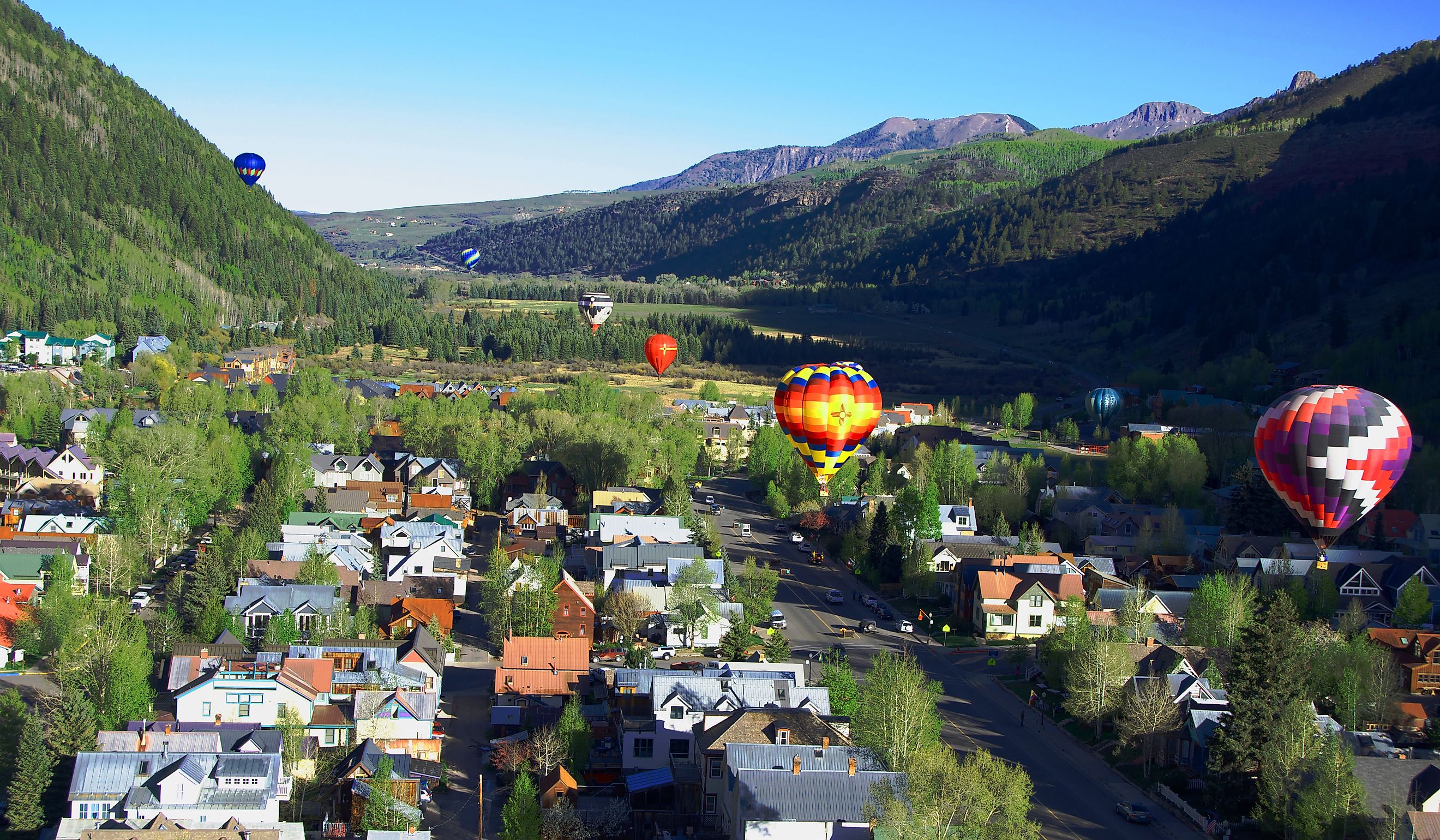
The San Juan Mountains ring Telluride, a historic mining town turned ski town in southwestern Colorado. Riders reach the free gondola at the Telluride Station on Oak Street. The ride up to San Sophia Station climbs 1,750 feet in elevation and reaches hiking and biking trails in the summer and ski runs in the winter. From San Sophia Station the gondola descends roughly 960 feet to Telluride Ski Resort's European-style Mountain Village, where lodging, boutiques, and restaurants sit at the base.

The Telluride Historical Museum occupies the old Hall's Hospital building in northern Telluride, built in 1896. Its permanent exhibits cover Telluride's geological past, the Nuchu/Ute Native peoples, mining history, and the arrival of skiing. A few blocks southwest, the historic Sheridan Opera House stages live entertainment. The non-profit Sheridan Arts Foundation restored the 1913 building. Its calendar runs live music, theater, and other events through the year.
Ouray

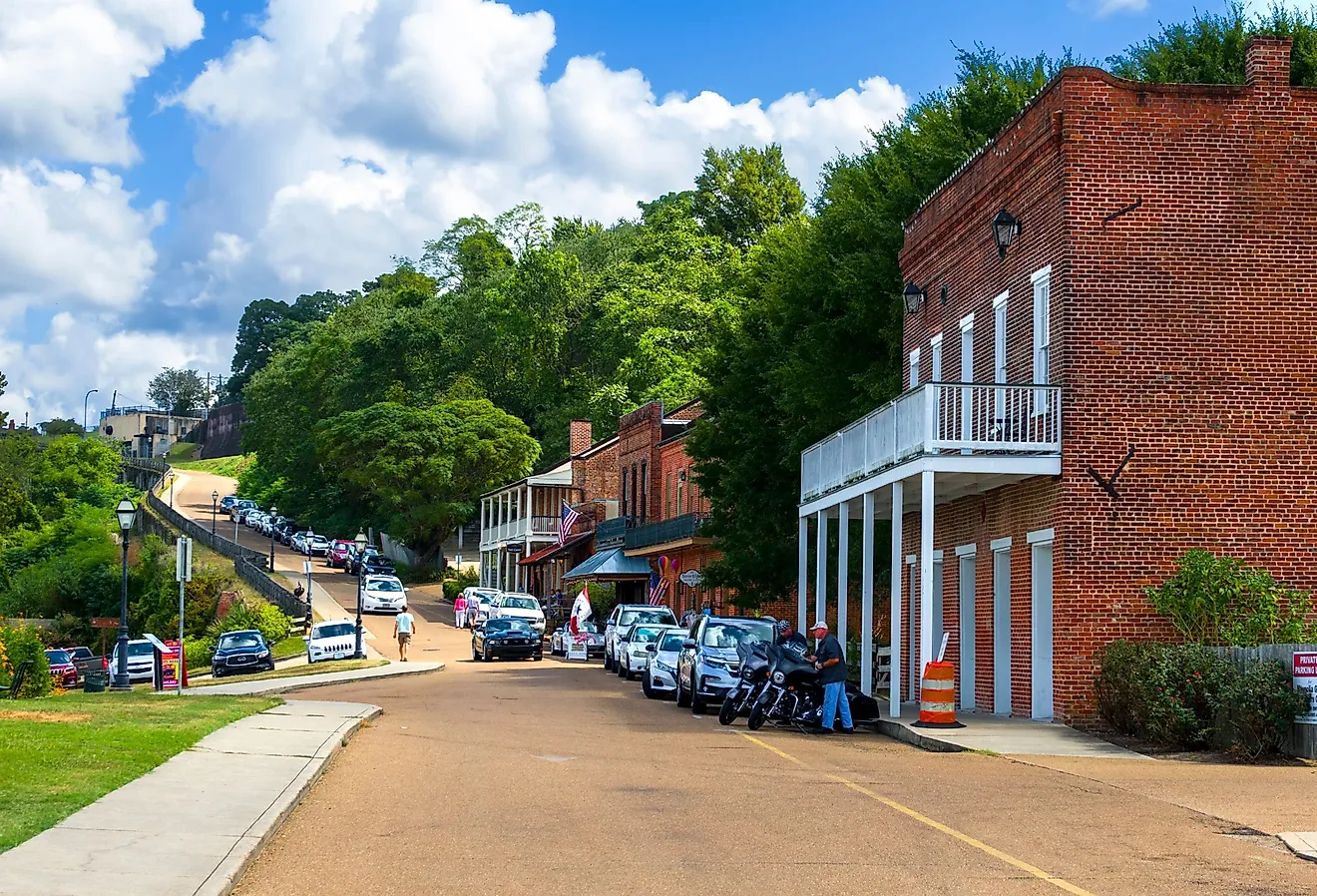
Locals call Ouray the "Switzerland of America" for the peaks that surround it. Its historic Main Street, listed on the National Register, holds a row of colorful storefronts. The Beaumont Hotel on Main keeps its Victorian interior intact. Built in 1886 and also listed on the National Register, the hotel still displays antique furnishings, some of them original to the building.

South of town, the Ouray Ice Park opens to the public each winter for ice climbing and spectating. Since 1996, the park's nonprofit has run the Ouray Ice Festival every January, which draws climbers and spectators from across the community and beyond. After a day on the ice, visitors soak in the Ouray Hot Springs Pool, where naturally heated mineral water fills the soaking area. Ouray keeps both its historic core and its outdoor draws close together.
Crested Butte

The Crested Butte Historic District, listed on the National Register of Historic Places, lines the downtown with colorful historic storefronts. At the center of downtown, the Crested Butte Museum covers the town's coal mining, skiing, and mountain biking history. Men flocked to the surrounding silver mines in the late 19th century, and the museum's permanent exhibit includes a life-size mining display with a tunnel. Miners and mail carriers traveled by ski or snowshoe through the winters of the late 1800s and early 1900s, and the snowsports exhibit traces that history. The museum dates the start of mountain biking here to 1974 and displays vintage mountain bikes from several generations.

Along the highway into town, the mellow Town Ranch Loop opens to the public for Nordic skiing and fat biking. The flat two-mile trail gives outdoor enthusiasts a place to hone their skills. For more varied terrain, Crested Butte Mountain Resort runs lift-served skiing and snowboarding in the winter and mountain biking in the summer. The resort bills itself as the North American birthplace of inbounds extreme skiing, with 561 acres of expert terrain and Rambo, the steepest lift-served tree-cut trail in North America. Crested Butte carries two claims to fame at once.
Glenwood Springs

The Colorado River divides Glenwood Springs, a town that holds onto its western style. The Hotel Colorado, built in 1893 and listed on the National Register, opens its history to guests. A 1990s restoration returned the hotel to form, and it preserves the Roosevelt Suite, where President Theodore Roosevelt once stayed, and a Molly Brown Suite named for the frequent guest. Across the street, the Glenwood Hot Springs Resort holds the world's largest hot springs pool. The Grand Pool has drawn visitors to its mineral waters since 1888.

Glenwood Caverns and Iron Mountain Hot Springs together form one National Natural Landmark. Visitors can tour portions of Glenwood Caverns that lay out the geomorphic timeline of the area and hold rare ecosystems. Known historically as Fairy Cave, it ranks among the most decorated caves in the state. Glenwood Springs sits at the center of several natural attractions.
Aspen

The Rocky Mountains surround Aspen, which offers both summer and winter outdoor recreation. Aspen Snowmass spans four mountains totaling 5,700 acres of terrain for skiing and snowboarding in the winter and hiking and mountain biking in the summer. Snowmass looks out on the Maroon Bells, a view at its best in late September as the aspen trees turn gold. The Aspen Art Museum, set against that alpine landscape, shows rotating contemporary art exhibitions.

The Wheeler Opera House stands on the corner of Hyman and Mill, built in 1889 and listed on the National Register. A 1984 renovation returned the box seats, proscenium arch, and Victorian-era fire curtain to their original form. The Wheeler saw a second round of bottom-to-top renovations between 2010 and 2016. Its calendar now runs theater, live music, and other performances. Aspen sits at the meeting point of outdoor recreation and mountain-town history.
Leadville

Ornate Victorian and Gothic architecture and colorful storefronts line the streets of Leadville. North of downtown, the National Mining Hall of Fame and Museum occupies the old Leadville High School and Junior High buildings. Its exhibits trace the discovery of silver in the area in 1874 and the mining heyday that followed, which also produced gold, lead, zinc, iron, copper, and molybdenum. The displays include an immersive underground mine and a quartz crystal walk-through, where fluorescent minerals glow under ultraviolet light.

Two blocks away, the Healy House and Dexter Cabin, listed on the National Register, open for tours. The restored 1878 Greek Revival clapboard house holds lavish Victorian furnishings collected by Leadville pioneers, alongside a plush log cabin. Its formal garden lays out Victorian urns, statuary, benches, a gazebo, and beds of native plants for visitors to walk through.
South of downtown, the Tabor Opera House runs seasonal tours of the structure that mining magnate Horace Tabor built in 1879 to bring arts and culture to the mining town. Tours cover the performance hall with its original red velvet Andrews opera chairs and the stage that hosted the likes of author Oscar Wilde, plus a second-story museum. Leadville holds a deep and well-documented history.
Breckenridge

Breckenridge sits near the base of the Ten Mile Range of the Rockies and shifted from a historic mining town to a ski town over the years. The Breckenridge Historic District, listed on the National Register, lines the downtown with colorful shopfronts and wide sidewalks along both sides of Main Street.
West of downtown, the Lomax Placer Mine opens gold-panning demonstrations to the public and lets visitors try panning. The site ran as an active gold mine during the 1860s, using high-pressure hoses, sluice boxes, and gold pans to collect the metal. A lucky visitor might leave with a fleck of gold in a take-home vial.
A short distance out, Breckenridge Ski Resort reaches five peaks of the Ten Mile Range. In winter, more than 180 skiing and snowboarding trails and long views across the range open to skiers. Visitors to Breckenridge put together their own mix of these attractions.
The Mining Boom's Second Act
Each of these seven Colorado towns rebuilt itself on the bones of the mining era. Telluride, Crested Butte, and Breckenridge kept their historic cores and grew ski resorts around them. Ouray and Glenwood Springs put their thermal water at the center of the visit. Aspen and Leadville leaned into their opera houses and museums. The gold and silver ran out, but the towns found a second reason for people to come.