7 Best Vermont Towns For Retirees
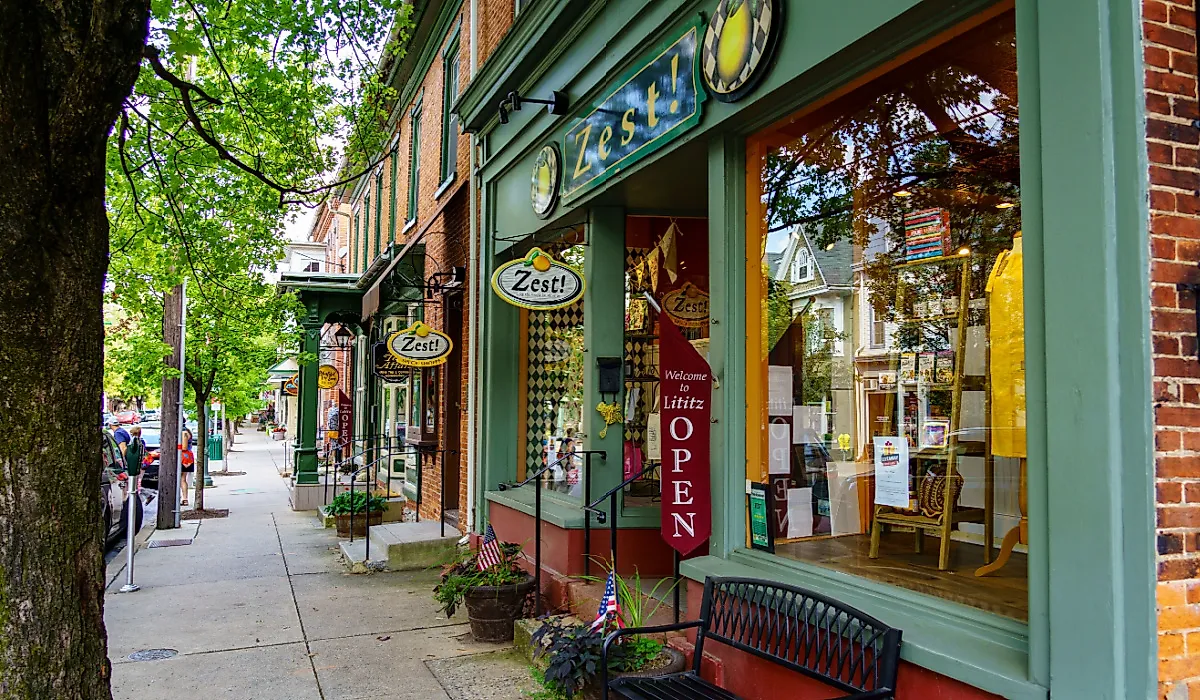
Retire in Vermont and you retire into a state of small towns. Even the cities stay small, so the urban-rural split that shapes retirement math elsewhere barely applies here. What matters instead is picking the right town. The statewide typical home value sits at about $400,274, and staying comfortably under that number is the difference between a tight budget and an easy one. Vermont also taxes most retirement income, which makes the housing savings matter more here than in a no-tax state. The seven towns below all come in well below the state figure, and each one gives retirees something specific to build a week around.
Barre

Where else can retirement come with a short track? Barre calls itself the "Granite Center of the World," and its typical home runs about $305,000, well under Montpelier's roughly $425,000 seven miles to the northwest. That granite money built an unusually dense downtown for a city of 9,000, anchored by the opera house on Main Street. Then there is Thunder Road International Speedbowl, the quarter-mile paved oval that has run the Vermont Milk Bowl every fall since 1962, the race Ken Squier billed as the toughest short-track event in North America.
The quieter days hold up too. The Barre Area Senior Center runs low-cost activities and community meals, and the Vermont History Center, in the old Spaulding School building, houses the Leahy Library and rotating exhibits on the granite trade that made the place. For dinner, the Firehouse Inn occupies a converted 1904 fire station with its original red doors still hanging; the Ladder 1 grill downstairs puts live music in the courtyard on summer evenings. Central Vermont Medical Center is a few minutes away in Berlin when you need it.
Bennington

At roughly $255,277, Bennington is the most affordable town on this list, and it packs a lot of history behind that price. The Walloomsac River runs through a red-brick downtown that was a supply base during the Revolution; the Battle of Bennington in 1777 helped set up Burgoyne's defeat at Saratoga, and the stone obelisk commemorating it has an elevator to a tri-state overlook. A short drive out, the Burt Henry Covered Bridge still carries a lane of traffic across the Walloomsac, a 121-foot lattice span rebuilt in 1989 from an 1840 original.
Day to day, the senior center downtown hosts potlucks and regular activities, and the Dollhouse and Toy Museum of Vermont is an easy afternoon with visiting grandkids. The Vermont Veterans' Home keeps a deer park where fallow deer graze near the picnic tables. Community events like Harvest Fest fill the calendar, and Southwestern Vermont Medical Center covers the surrounding area.
Brattleboro

Sit in Brattleboro's southeastern corner and you are a few minutes from New Hampshire across the Connecticut River and a short hop north of the Massachusetts line, which makes family visits from around the region simple. Winters run milder here than upstate, and the town has long pulled in artists and musicians. That shows up on the ground: galleries and independent shops line Main Street, and newcomers tend to get folded in fast. The typical home value is about $325,000.
The Brattleboro Museum and Art Center anchors a walkable downtown thick with cafes and bookstores, and the seasonal farmers market is the place to shop for a meal before the family arrives. Grandkids like the waterfalls just north of town, and the dog-friendly trails of the roughly 500-acre Madame Sherri Forest sit just east across the New Hampshire line. Brattleboro Memorial Hospital serves the community.
Newport

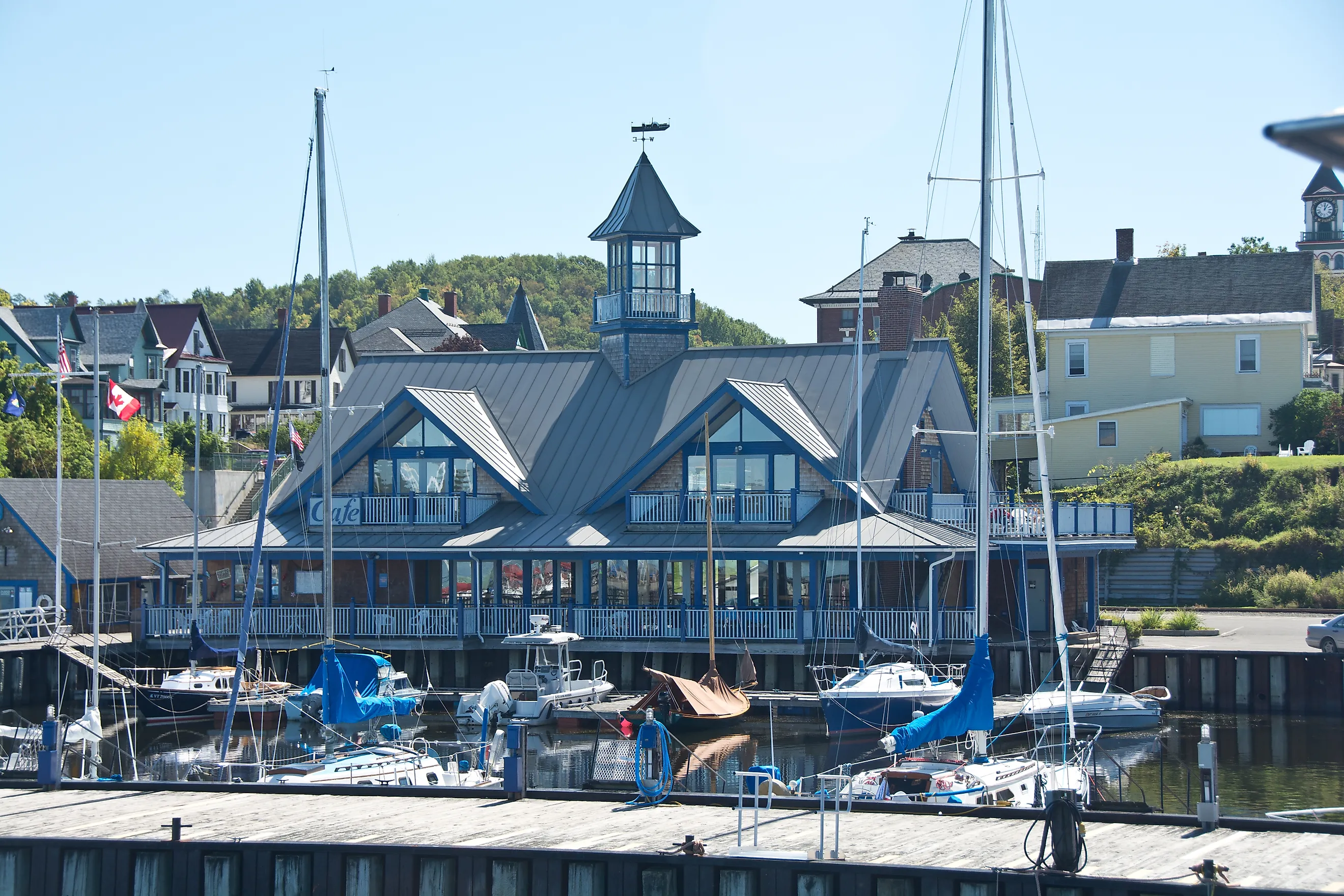
Newport buys you a lakefront for the price of a starter home. At a typical value around $264,931, it sits on the southern shore of Lake Memphremagog, the long glacial lake that reaches north across the border into Quebec with the Green Mountains behind it. The compact downtown is walkable and runs right along the water, where the tallest thing in town is the four-story Post Office and Customs House.
You can trade a morning coffee at the shops along the East Side for an afternoon of boating or kayaking without moving your car. The Goodrich Memorial Library, built in the 1890s in brick and red birch, crowns the downtown historic district and is worth stepping into for the glass curiosity cabinets alone; it is the largest library in Orleans County. Homes range from small lake cottages to affordable single-family places a few blocks back from the shore.
Rutland

Trails start where the sidewalks end in Rutland. The regional hub of western Vermont keeps a compact downtown of shops and restaurants with the Green Mountain National Forest at its back, and Pine Hill Park's wooded hiking and mountain-biking trails sit inside the city itself. At a typical home value of about $286,601, the practical pieces line up: the Maples Senior Living Community, the all-ages Rutland Recreation Community Center, and the historic Paramount Theatre keeping a regular schedule downtown.
The bigger draws are a short drive out. Killington, "The Beast of the East," rises just east of town with a 3,050-foot vertical drop and more than 150 trails across its peaks. Northwest of downtown, Wilson Castle opens its 19th-century rooms of stained glass and European furnishings for guided tours on grounds above Otter Creek. Rutland Regional Medical Center is a full-service hospital close at hand.
Saint Albans City

St. Albans gives you a Lake Champlain address north of Burlington without a Burlington price, with a typical home value around $368,678, the highest here but still under the state number. The downtown has been revitalized, the Franklin County Senior Center and Northwestern Medical Center cover the essentials, and housing options run out into St. Albans Town just west, where lakeside homes come with parkland, a fishing pier, and a marina.
Aldis Hill Park crowns the city with lake views through the fall foliage, and the adjacent Hard'ack Recreation Area is where families go for winter tubing and sledding, with a 50 percent senior discount on the resident rate. Come late April, the Vermont Maple Festival takes over downtown with local sugarmakers, regional vendors, and crafts, the kind of event that tells you what season it is without checking a calendar.
St. Johnsbury

"St. Jay" is the Victorian capital of the Northeast Kingdom, and at a typical home value of $268,320 it draws active retirees who want Burke Mountain and the Kingdom Trails within reach. The 19th-century downtown is built for walking, with shopping and dining along Romanesque and Victorian storefronts, and the Northeast Kingdom Council on Aging runs a senior center with music, bingo, exercise, Tai Chi, and bus trips.
The standout is the Fairbanks Museum and Planetarium, a Victorian landmark holding more than 30,000 natural-science specimens and artifacts plus the only public planetarium in the state. Care is covered by Northeastern Vermont Regional Hospital, with the St. Johnsbury Center for Living and Rehabilitation nearby for specialized needs.
Small State, Real Choices
The seven towns pull in different directions, and that is the point. Bennington and St. Johnsbury sit at the bottom of the price range with the deepest history; St. Albans and Newport put you on a lake; Rutland and Barre trade proximity to the mountains for a working downtown. What they share is a scale where people know one another and a price that leaves room in the budget after the mortgage. Pick by the week you want to live, and the number under $400,274 takes care of itself.