8 Most Welcoming Towns In Wyoming's Countryside
Wyoming's small towns are gateways to big landscapes. Cody pairs frontier history with access to Yellowstone, while the Buffalo Bill Center of the West highlights the region’s cultural heritage. Pinedale sits at the doorstep to the Wind River Range, with Fremont Lake and nearby wilderness trails drawing visitors into the mountains. Meanwhile, Thermopolis is known for Hot Springs State Park and the Wyoming Dinosaur Center, combining geothermal features with discoveries from Wyoming’s prehistoric past. Here, you can explore wide-open Wyoming while getting to know the people and communities that call it home.
Buffalo

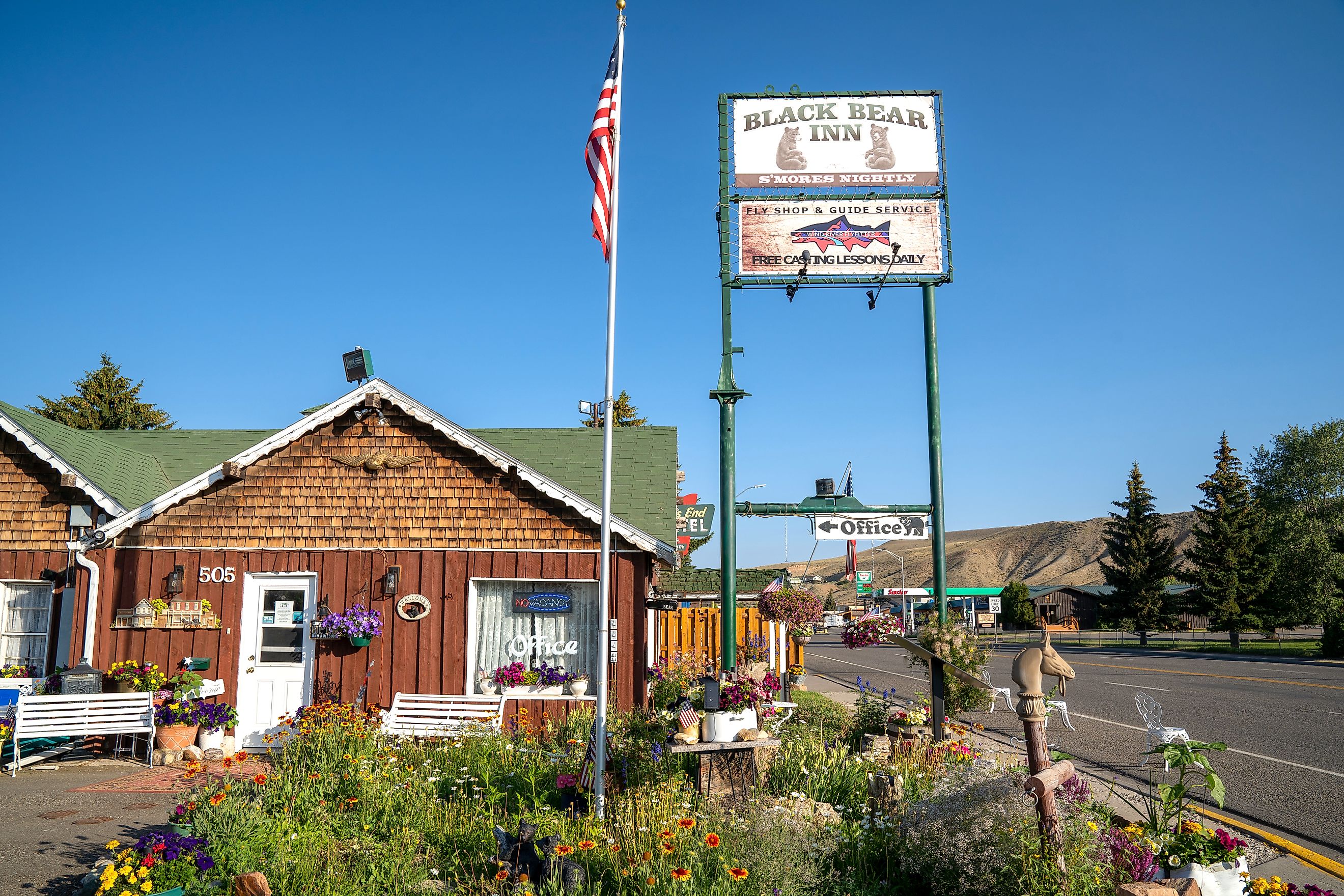
Pinedale

Pinedale acts as a base for access to the Wind River Range and the Bridger Wilderness. Fremont Lake stretches more than 10 miles north of town beneath the peaks. Its cold, clear waters support seasonal fishing and boating during the warmer months. In town, the Museum of the Mountain Man interprets the region’s fur trade history through artifacts, reconstructed camps, and exhibits focused on the Rocky Mountain rendezvous era, when trappers and traders gathered across the upper Green River Basin. Skyline Drive climbs into the foothills above Pinedale, following elevated terrain that overlooks Fremont Lake and the surrounding Wind River Range. Elkhart Park Trailhead also provides entry into the Bridger Wilderness, where established trail systems lead into alpine lakes and high mountain basins carved into the landscape.
Dubois

Lander

Thermopolis

Thermopolis is known for its geothermal activity at Hot Springs State Park and for paleontological work at the Wyoming Dinosaur Center. Hot Springs State Park is home to mineral terraces, soaking pools, and walking paths along the Bighorn River. The park also hosts a bison herd that ranges across nearby hillsides. The Wyoming Dinosaur Center preserves fossils from across the region, including mounted dinosaur skeletons and hands-on exhibits focused on excavation and fieldwork. South of town, the Wind River Canyon Scenic Byway follows the river through steep canyon walls carved from some of the oldest exposed rock in North America. Pullouts along the route overlook the river corridor and allow for access to fishing areas within the canyon
Sheridan

Sheridan sits near the base of the Bighorn Mountains in northern Wyoming. The King’s Saddlery & Museum preserves American West craftsmanship through collections of saddles, ropes, silverwork, and working cowboy gear. Nearby, the historic Sheridan Inn provides further context into Sheridan’s late-19th-century development during Wyoming’s ranching and railroad expansion, along with its connection to Buffalo Bill Cody, who stayed at the hotel during the region’s early frontier period. West of town, Bighorn National Forest extends into the Bighorn Mountains, where trail systems lead to alpine lakes and high-elevation viewpoints. For a bit of outdoor recreation without leaving town, Kendrick Park includes elk and bison enclosures alongside walking paths and maintained park grounds.
Cody

Cody was founded in 1896 by Buffalo Bill Cody in northwestern Wyoming near the Shoshone River and the eastern entrance to Yellowstone National Park. The Buffalo Bill Center of the West brings together five museums focused on Western art, Native American cultures, natural history, firearms, and the life and legacy of Buffalo Bill. Exhibits include curated collections of historic weaponry, Indigenous artifacts, and regional wildlife displays that reflect the surrounding landscape. Nearby, Old Trail Town preserves more than two dozen historic frontier-era structures, including log cabins and buildings relocated from early Wyoming settlements and homesteads.
West of Cody, Shoshone Canyon follows the Shoshone River through volcanic cliffs and steep canyon walls shaped by ancient geological activity in the Absaroka volcanic field. The Cody Trolley Tour also shows off historic buildings and sites tied to the town’s early development, including architecture linked to its early tourism and frontier-era growth.
Saratoga

Saratoga is another town known for its geothermal pools, as well as a productive trout fishery set against the backdrop of the Medicine Bow Mountains. The Saratoga Hot Springs Resort maintains year-round mineral pools fed by naturally heated geothermal water sourced from underground springs. Nearby, the free public Hobo Hot Springs offer additional soaking along the banks of the North Platte River, where steam rises from the river’s edge during colder months. The North Platte River is designated as a Blue Ribbon trout fishery and supports steady angling activity throughout the year.
East of town, the Snowy Range Scenic Byway climbs into the Medicine Bow Mountains through Medicine Bow-Routt National Forest, passing alpine lakes, granite outcrops, and trails that provide access into higher-elevation terrain. Downtown Saratoga includes The Hotel Wolf, which has operated since 1893 and shows the town’s late-19th-century role as a travel and lodging stop along the North Platte River corridor.
Together, these towns show how Wyoming’s countryside takes shape through distinct landforms and long-established settlement routes, where rivers and valleys continue to shape how communities develop and how visitors are welcomed. From Hot Springs State Park in Thermopolis and Sinks Canyon State Park near Lander to the surrounding reaches of the Bighorn Mountains and Wind River Range, these places connect towns directly to nearby public lands and cultural sites.