6 Most Breathtaking Towns In Louisiana
Mandeville, on the edge of Lake Ponchartrain, is one of six Louisiana towns where the setting and the town itself deserve equal attention. The rest are spread across cypress swamp, a river bluff above the Mississippi, the banks of Cane River, and the pine hills of the north. Attractions and activities include a swamp boat at first light, a fort rebuilt to its 1730s plan, ten miles of mountain-bike trails, and a jazz hall that opened in 1895. Across the state, these breathtaking small towns are home to some of Louisiana's best-kept secrets.
Ruston

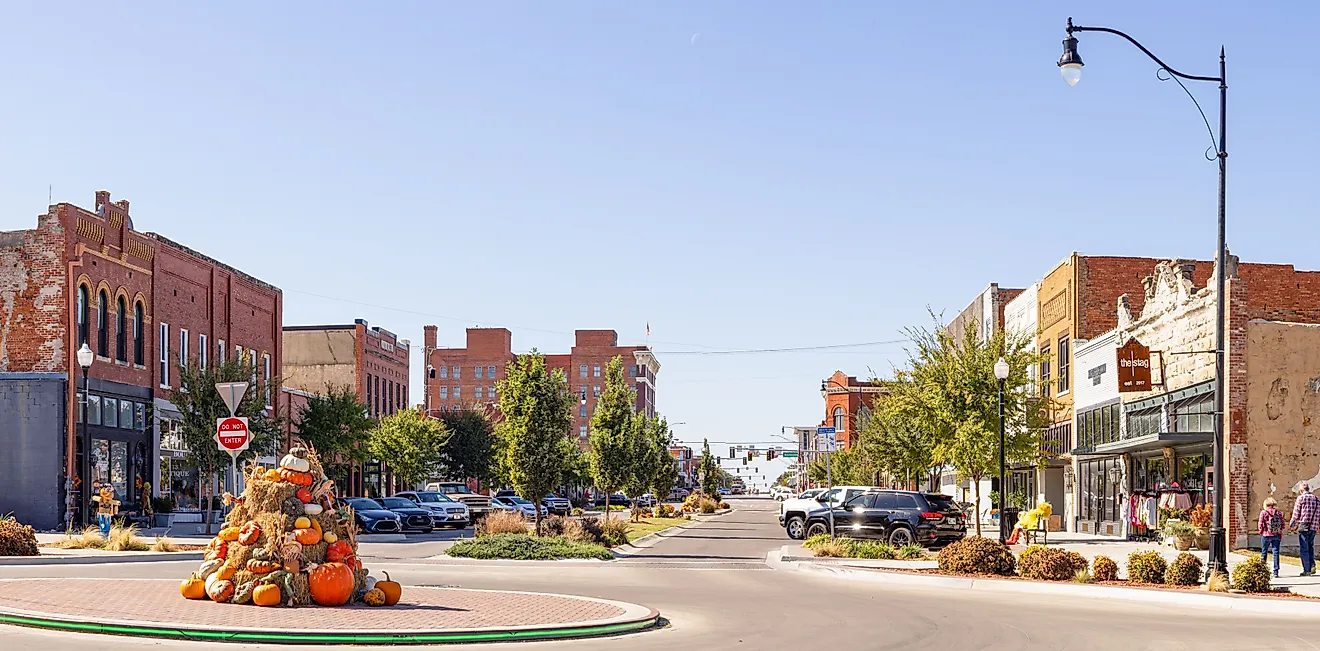
Ruston is a historic town in northern Louisiana and home to Louisiana Tech University. Its appeal comes from the downtown and the parks just outside it. The best of these is Lincoln Parish Park. Trails circle the forest and Hoogland Lake, and a paved path of about a mile and a quarter loops the shoreline. The lake is open for swimming, the mountain bike trail covers roughly ten miles across beginner and advanced sections, and the park has an archery range on site.
Back in town, the Dixie Center for the Arts stages concerts and live performances inside a historic theater that has kept most of its original interior, chandelier included. The biggest event of the year in Ruston is the Louisiana Peach Festival in June. The festival celebrates local peaches with a juried arts market, a parade, a rodeo, and more than twelve hours of live music at Railroad Park. Growers started it in 1951, and the 2026 edition was the seventy-sixth.
Natchitoches

Natchitoches was founded in 1714, when Louis Juchereau de St. Denis left a small detachment at a Natchitoches village on the Red River. That settlement became the first permanent European foothold in the territory later acquired through the Louisiana Purchase. Today, Natchitoches draws visitors for its old buildings and its living history. Fort St. Jean Baptiste State Historic Site is the most striking of them. The fort standing today is a replica completed in 1981, a few hundred yards from the original site, built to French plans and depicting the outpost as it looked in the 1730s, with reenactments and tours through the barracks and warehouses. The Natchitoches Art Guild and Gallery on Front Street carries work by local artists and hosts workshops throughout the year.
The Natchitoches Christmas Festival is the town's December fixture, and it has been held on the first Saturday of the month since 1927. The season opens with an afternoon parade and an evening fireworks show over Cane River, after which more than 300,000 lights along the riverbank stay lit past New Year's Day. Further events follow on the Saturdays after.
St. Francisville

Not far from Baton Rouge is St. Francisville, a town home to several ornate plantation houses. The most famous is Rosedown Plantation State Historic Site, a 19th-century cotton property whose original furnishings survive alongside formal gardens laid out on European models. Tours cover the house and how the plantation operated.
Just outside town, Audubon State Historic Site preserves the Oakley Plantation house, where John James Audubon spent four months in 1821 tutoring the owner's daughter and working on his bird studies. Nature trails cross the grounds he walked, and birders still use them. St. Francisville also has a working arts scene, most visible in late October during the Yellow Leaf Arts Festival. Around fifty artists and craftspeople set up in downtown Parker Park, showcasing woodworking, pottery, printmaking, and jewelry. Live music plays across both days.
Breaux Bridge

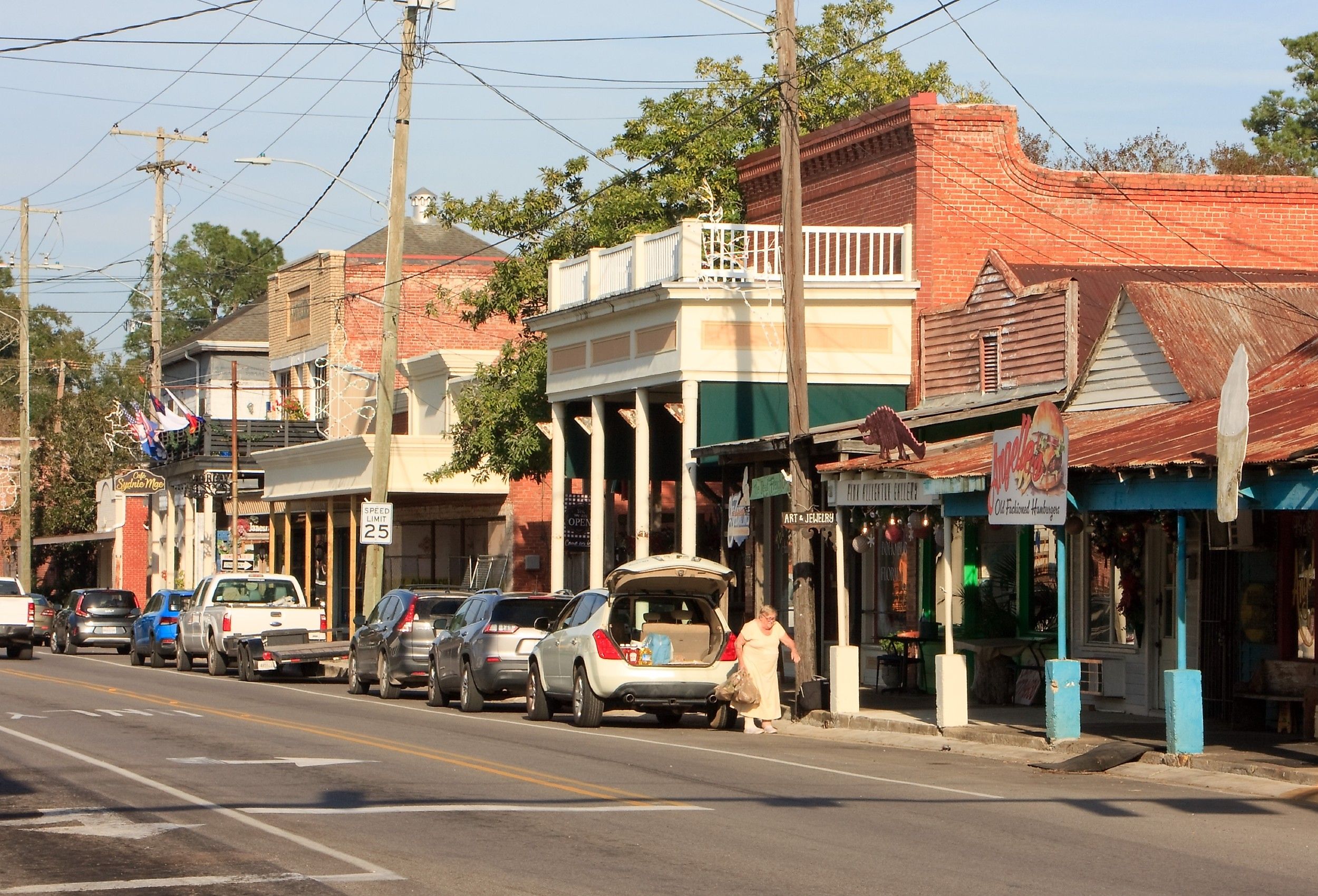
Breaux Bridge is the gateway to the swamps of Cajun Country, which define this part of the state. Cajun Country Swamp Tours takes small boats out of Rookery Road into the surrounding cypress, where birds and alligators are the main draw. Which animals appear, and what they are doing, shifts with the season. Back on Bridge Street, the Pink Alligator Gallery sells sculpture and jewelry made by artists working in and around Breaux Bridge. The hours are short, covering only midday on Wednesday, Friday, and Saturday.
The town's largest event is the Breaux Bridge Crawfish Festival, held at Parc Hardy on the first full weekend in May and staged annually since 1960. Crawfish arrives boiled, fried, in étouffée, and in bisque. More than thirty Cajun, Zydeco, and Swamp Pop bands play across three stages over the three days. Anyone who enjoys Cajun food will find the weekend built around it.
St. Martinville

Just down the road from Breaux Bridge is St. Martinville, a town with two state-operated sites in reach. Longfellow-Evangeline State Historic Site preserves an early-1800s Creole plantation house on Bayou Teche, more modest than the grand properties elsewhere in the state, with exhibits and plaques on the Creole and Cajun cultures that shaped its architecture. Lake Fausse Pointe State Park lies about eighteen miles east, covering 6,000 acres at the edge of the Atchafalaya Basin. Trails run through the park, the waterways are open to boats, and fishing requires a valid license. Eighteen furnished cabins and fifty RV sites accommodate anyone staying for more than a day.
Back in town, the Acadian Memorial and Museum honors the Acadians the British expelled from Nova Scotia beginning in 1755. Many of them resettled around St. Martinville and became the Cajuns. A wall of names lists the exiles who reached Louisiana, and a mural by Robert Dafford depicts their arrival, painted using their descendants as models. It is a somber account of a dark chapter in American history.
Mandeville

On the north shore of Lake Pontchartrain is Mandeville, home to two natural areas and two music rooms with real history. Fontainebleau State Park sits on the shore of Lake Pontchartrain and covers 2,800 acres of mixed hardwood and pine, along with the brick ruins of the sugar mill Bernard de Marigny operated here in the 1800s. The mix of habitats makes for strong birding, and sandy beaches face the lake. Just across US 190 is Northlake Nature Center, which holds a hardwood forest, a pine-hardwood forest, and a pond-swamp, each with its own wildlife. Alligators, turtles, and a long list of birds all turn up along its boardwalks and trails.
Mandeville's two live music venues sit a few blocks apart on Lamarque Street in the old part of town. Ruby's Roadhouse, at 840 Lamarque, opens daily at eleven and books bands on Friday and Saturday nights. A few blocks down, the Dew Drop Jazz and Social Hall is a small, unpainted wooden building raised in 1895 by a Black benevolent society, and it is now considered the oldest virtually unaltered rural jazz hall anywhere. Kid Ory and Buddy Petit played the room in its early years. So did Louis Armstrong, before he left for Chicago in 1922. It hosts a seasonal concert series rather than a nightly schedule, and the church next door sells plate dinners on show nights.
Planning Around The Terrain
The water sets the schedule in Breaux Bridge and St. Martinville. A swamp tour in March shows different wildlife than the same boat in August, and the crawfish festival lands on the first full weekend in May, whatever the weather does. Natchitoches fills a weekend on foot, its historic district lined along Front Street, with the Cane River a few steps away. St. Francisville needs a car, since Rosedown and Oakley are both several miles from a small downtown. Ruston and Mandeville reward whoever brings a bike with ten miles of singletrack at Lincoln Parish Park and 2,800 acres of trail and lakefront at Fontainebleau.