6 Best Towns Near Charlotte For Retirees
Charlotte's housing market has run hot for several years, and that same pressure has pushed retirees a county or two outward in search of value. Six small Carolina towns within an easy drive of Uptown still hold home prices at or below the North Carolina median per regional housing data. Each carries a working downtown, local medical care, and the kind of unhurried weekend rhythm older buyers tend to look for. The selections below skew toward county seats, since these tend to keep their senior services close to the courthouse square.
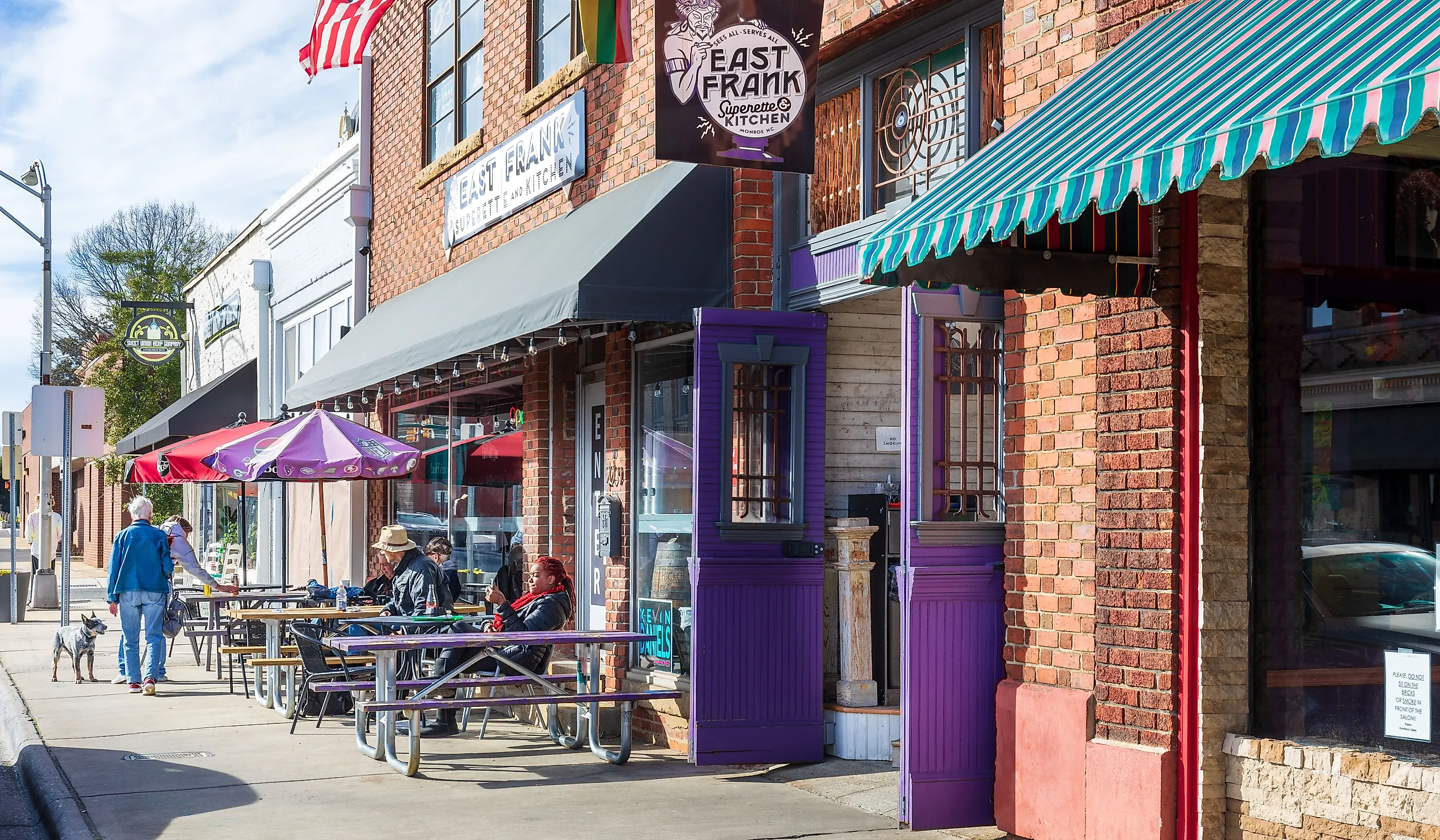
Monroe, North Carolina

Monroe sits about 25 miles southeast of Charlotte and serves as the county seat of Union County. The Census Bureau's most recent population estimate put the city at 37,797 (Vintage 2023). The median home value tracks close to the North Carolina figure of around $338,000 per regional listings data. The pull of the place for retirees is the historic core. Belk-Tonawanda Park grounds the downtown with picnic shelters, an amphitheater, and a recently added splash pad. The park feeds into the Historic Downtown Monroe Greenway, a one-and-a-half-mile asphalt walking loop. The greenway winds past the Old Union County Courthouse, an 1886 Victorian-era brick building still in active use. The Union County Farmers Market sets up on Saturday mornings across from Belk-Tonawanda Park.

Health care is the other reason this town reads well for older buyers. Atrium Health Union, the area's full-service hospital, sits within the city limits. The hospital runs a 24-hour emergency department and a cancer center associated with the Levine Cancer Institute. A newer satellite campus, Atrium Health Union West, opened in Stallings in February 2022 as Atrium's first newly built hospital in the Charlotte area in more than 30 years. About one resident in seven is over the age of 65. The city's parks and recreation department runs year-round programs out of the Monroe Aquatics and Fitness Center.
Cherryville, North Carolina

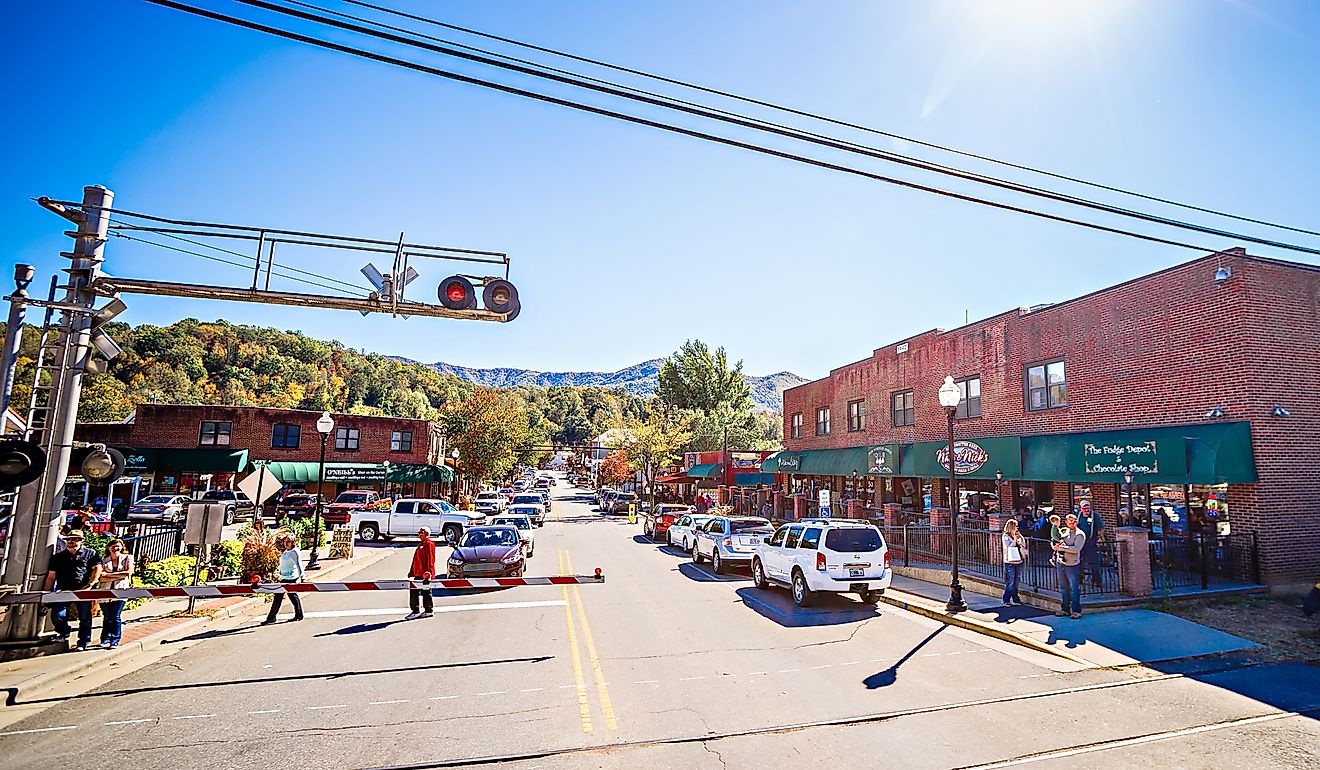
Cherryville stands about 38 miles from Charlotte in Gaston County. The Census Bureau's most recent estimate put the population at roughly 6,500. The median home price runs near $250,000, well below the North Carolina median. Downtown Cherryville has spent the past several years coming back after years dormant. The result is a walkable Main Street with restored 100-year-old brick storefronts and locally owned shops. A new splash pad opened next to the public swimming pool in 2024.
One of the most distinctive things about Cherryville is a folk tradition older than the town itself. The Cherryville New Year's Shooters fire muskets every January 1. The group recites a chant at residents' doorways, which is a centuries-old tradition unique to this region. The C. Grier Beam Truck Museum is free and occupies the original 1930 Shell service station where Carolina Freight was founded in 1932. The Cherryville Historical Museum and Robert H. Ballard Park round out the downtown options. South Mountains State Park puts more than 40 miles of mountain trails about 15 miles north for longer walking days. CaroMont Family Medicine has a primary-care office in town.
Albemarle, North Carolina

Albemarle, the seat of Stanly County, lies about 41 miles from Charlotte. The city sits at the edge of the Uwharrie Lakes region. The Census Bureau's most recent population estimate put the city at around 17,500. The median home value runs near $200,000, well below the North Carolina median. The Downtown Albemarle Historic District has been listed on the National Register of Historic Places since 2002. About 20 contributing commercial buildings date from the late 1890s to 1950. The Opera House-Starnes Jewelers Building from 1908 is among the standouts. The Freeman-Marks House is the oldest public building still standing in the city. The Stanly County Museum keeps the regional history visible from a converted historic property near the courthouse. Outdoor life is the other strong card.
Morrow Mountain State Park sits just east of the city limits in the heart of the Uwharrie range. Hikers and picnickers fill its trails on warm weekends. Badin Lake has public boat ramps and lake fishing on the Yadkin River chain. Closer in, the city's own City Lake Park spreads across a 75-acre wooded shoreline park. Health care runs through Atrium Health Stanly, a 109-bed acute-care hospital in the city. It carries a Joint Commission Primary Stroke Center designation. Its Roy M. Hinson Cancer Center partners with the Atrium Health Levine Cancer Institute.
Lexington, North Carolina

Lexington serves as the seat of Davidson County, about an hour northeast of Charlotte along the I-85 corridor. The Census Bureau's most recent population estimate put the city at around 20,000. The median home value runs near $273,000, well below the North Carolina figure. A big part of the town's identity is built around what locals smoke and chop. Lexington-style barbecue uses pork shoulders cooked over hickory and dressed with a vinegar-and-tomato dip. Nearly a dozen barbecue restaurants in town serve the local style. The annual Lexington Barbecue Festival, every October, draws more than 100,000 visitors to an eight-block stretch of Main Street. Six stages of music and more than 250 vendors fill Uptown Lexington for the day.

Uptown is the city's historic retail and dining core. The Lexington Farmers Market sets up on South Railroad Street in season. The Bob Timberlake Gallery on East Center Street Extension runs to 15,000 square feet. It showcases the work of the realist painter and furniture designer, a Lexington native. The Richard Childress Racing Museum sits in nearby Welcome and serves as the visitor center for the NASCAR team. The Davidson County Historical Museum occupies the old courthouse downtown and runs rotating exhibits. Health care for retirees runs through Atrium Health Wake Forest Baptist Lexington Medical Center at 250 Hospital Drive. The 94-bed not-for-profit hospital has served Davidson County since the 1920s and is accredited by the Joint Commission.
Morganton, North Carolina

Morganton rises in the foothills of the Blue Ridge Mountains about 75 miles northwest of Charlotte. The Catawba River runs through it. The Census Bureau's most recent population estimate put the city at around 17,850. The median home value of around $260,000 runs comfortably below the statewide median. The setting is the differentiator. This is also one of the few towns on this list within 30 minutes of a state park. Lake James State Park centers on a 6,812-acre reservoir with more than 150 miles of forested shoreline. The downtown has the practical components a retiree wants close to home.

The arts and local events scene in Morganton is particularly active. The Morganton Farmers Market sets up on Saturday mornings from May through October on the edge of downtown. The CoMMA performing arts center stages plays, concerts, and visual art exhibits. The TGIF Summer Concert Series brings free Friday-night live music outside the historic Burke County Courthouse through the warmer months. The post-Labor Day Morganton Festival fills the city blocks with vendors and music. The Etta Baker Memorial, an over-life-size bronze statue of the local Piedmont blues guitarist, stands on the grounds of the CoMMA performing arts center. It is reason enough on its own to walk Union Street. Health care runs through UNC Health Blue Ridge, the not-for-profit hospital system based in Morganton. The system has a second campus in Valdese. It also operates Grace Ridge Retirement Community, one of the better-known continuing-care senior communities in western North Carolina.
Asheboro, North Carolina

Asheboro marks the geographic center of North Carolina. It sits about 85 miles from Charlotte and 30 miles from Greensboro in Randolph County. The Census Bureau's most recent population estimate put the city at around 28,000, with a median home value of around $242,000. The headline attraction in town is the North Carolina Zoo. The state-owned park on the edge of town spans more than 2,800 acres, of which more than 500 are developed for habitats. The North Carolina Zoo cares for over 1,700 animals representing more than 250 species, and the institution is known as one of the largest natural-habitat zoos in the world.

Downtown Asheboro centers on Sunset Avenue and the historic Sunset Theatre. The early-1930s movie house now stages plays, concerts, and live music year-round. The Randolph County Courthouse, completed in 1909, was designated a Local Historic Landmark in 2008. McCrary Park, a recently renovated 1946 ballpark, hosts the Asheboro ZooKeepers collegiate summer baseball team. The town also gives a retiree easy access to the Uwharrie Mountains. These eroded ancient ridges wrap the surrounding countryside. They put more than 50,000 acres of national forest within a short drive. Health care runs through Randolph Health, a 145-bed acute-care hospital at 364 White Oak Street. The hospital has served Randolph County for decades and operates under American Healthcare Systems following its 2021 acquisition.
What These Six Carolina Retirement Towns Offer
The six towns on this list trade Charlotte's energy for something steadier and considerably more affordable. Monroe and Albemarle keep retirees within easy reach of Uptown for grandkids' games and airport runs. Cherryville and Asheboro give older buyers their own historic Main Streets and unusual cultural draws. Morganton and Lexington round out the geographic spread with mountain access and the best-known barbecue in the state. Each holds its price under the state median.