9 Best Cities To Retire In Tasmania
In Tasmania, snow can sit on Mount Wellington through the morning while you buy Salamanca sourdough by noon. A river gorge sits a short walk from Launceston's main street. St Helens opens onto Georges Bay and the granite of the Bay of Fires. New Norfolk's 1820s streets run beside the upper Derwent River. Every town on this list sits beside water and stays walkable enough to learn by heart. Home prices here stay gentle, so retiring in Tasmania leaves plenty over for the living part.
Hobart

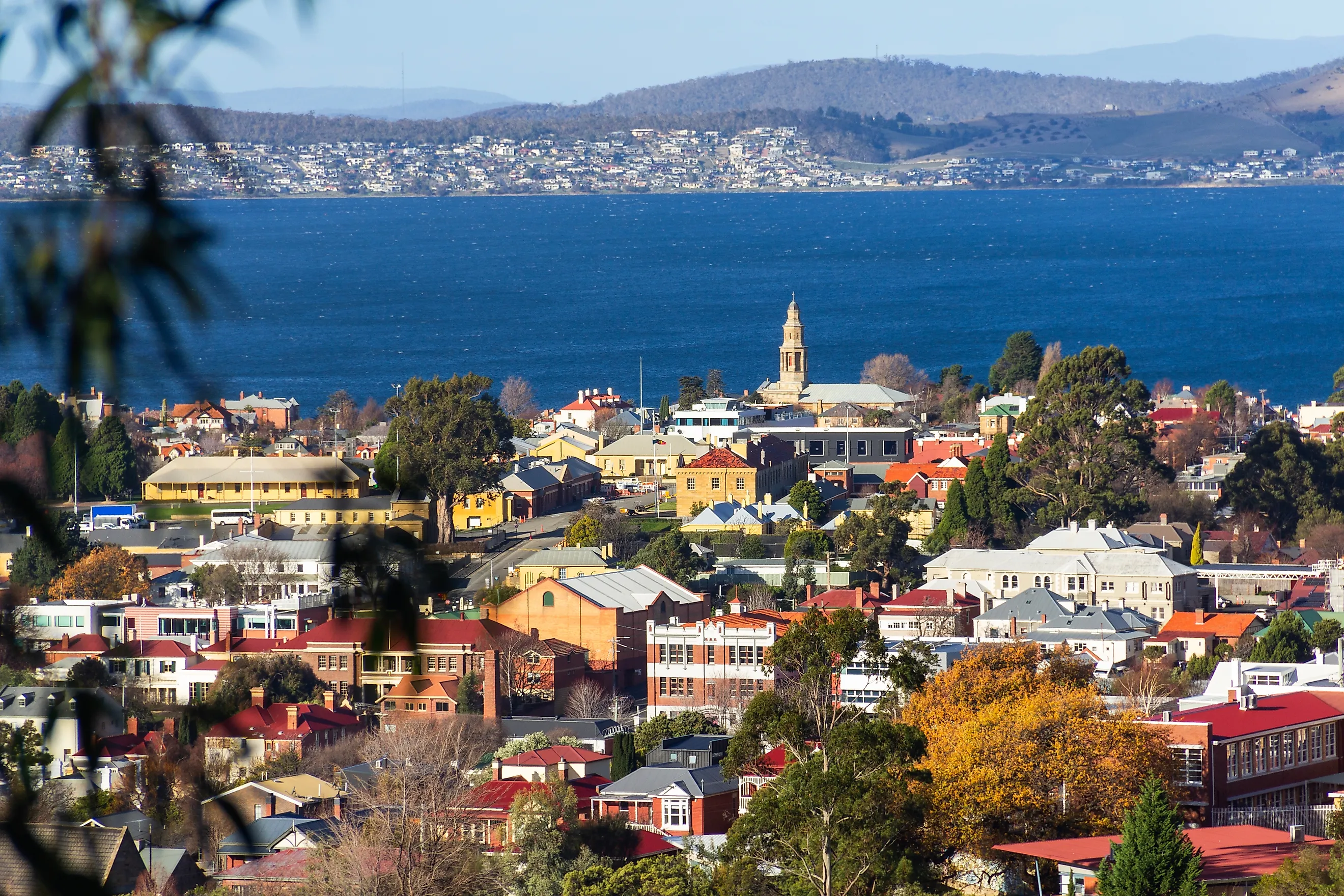
Few capital cities let you touch snow and saltwater in one morning, but Hobart does. The summit of kunanyi rises 1,271 meters (4,170 feet) straight above the harbor. Locals still call it Mount Wellington, and on a winter Saturday you can stand in snow up top and buy sourdough at the Salamanca Place market by lunch. That market sits a few steps from the sandstone warehouses of Battery Point, where the waterfront walks stay flat and easy. Most cafes, errands, and harbor views fall within a short stroll of each other, which suits anyone happy to leave the car at home. The wide Derwent River runs through the middle of it all, busy with ferries and fishing boats. In Hobart, the water is never more than a few streets away, which is a rare thing for a real city.
Launceston

Cataract Gorge is the reason many people fall for Launceston, and it starts at the edge of downtown. The South Esk River cut this gorge straight through rock, and a short walk from the main street brings you to its first swimming basin. A chairlift billed as the world's longest single span crosses above the water, and peacocks wander the lawns below. Retirees here split their mornings between the gorge tracks and City Park, where a small colony of Japanese macaques has lived for decades. Victorian and colonial streetscapes line the center, with boutique shops and a food scene strong enough to earn a UNESCO City of Gastronomy title. Each February, City Park fills with Festivale and its long tables of Tasmanian food and wine. For all its history, Launceston stays a walkable place where the wild part of town is a ten-minute stroll away.
Devonport

Devonport sits where the Mersey River meets Bass Strait, and the river runs through everything here. The red-striped Mersey Bluff Lighthouse stands on the headland north of downtown, and a paved foreshore trail follows the river all the way to it. Retirees walk that path most mornings, then settle at Coles Beach or a cafe in town. The Spirit of Tasmania ferries slide in and out of the Mersey on their run to the mainland, which gives the waterfront a steady sense of coming and going. At the Bass Strait Maritime Centre, the shipwreck stories and a hands-on ship simulator explain how this port shaped the coast. With a full spread of shops and services and a median home price around AUD$480,000, Devonport works for retirees who want a coast without giving up convenience.
Ulverstone

In Ulverstone, the Leven River finishes its run to the sea right beside Buttons Beach. That beach stretches 2.7 kilometers of north-facing sand, patrolled in summer and quiet the rest of the year. Along the river sit the lawns and barbecues of Anzac Park, and a lone pine grown from a seed carried home from Gallipoli. Retirees settle into this town for its slower pace and its low cost, and the Ulverstone Senior Citizens' Club makes the first friendships easy for anyone over fifty. On weekends, the wharf precinct hosts a farmers market, and Leven River cruises push upstream into the bush. Everything sits close to the water, and the flat riverside paths make a regular walk simple to keep.
Burnie

Burnie grew up as a working port, and that salt-and-industry character still runs through the town. The waterfront and its beaches reach right up to the edge of downtown, so a morning by the sea takes no planning at all. Burnie Park holds a rose garden and shaded tracks a few blocks from the shops. Inside the Burnie Regional Museum, a recreated Federation street shows how the town looked more than a century ago, and the Makers' Workshop nearby keeps papermakers and craftspeople working in the open. Home prices here run below the Tasmanian average, which is part of why retirees and remote workers keep arriving. Burnie suits the kind of day that mixes a sea walk, a coffee, and a look at something handmade.
St Helens

St Helens is the biggest town on Tasmania's east coast, and it sits right on the sheltered water of Georges Bay. A working fishing fleet and a marina share the bay with kayakers and morning walkers, and the shops, banks, and cafes line Cecilia Street. Just north of town, the Bay of Fires lines the coast with white sand and granite boulders stained orange by lichen. Retirees come for that combination of real services and open coast, and the median home price sits near AUD$530,000. Launceston is about two hours west when a bigger errand or appointment calls for it. For anyone who wants the sea at the door and a proper main street behind them, St Helens is hard to beat.
George Town

Ships have come and gone from George Town since 1804, which makes it one of the oldest towns in Australia. It stands at the mouth of the Tamar River, where the estuary opens into Bass Strait. A little over 4,300 people live here, and houses sell for well below the state median, a rare mix of history and affordability. Just north, the Low Head Pilot Station has guided vessels into the Tamar since 1805, and the Low Head Lighthouse was first lit in 1833. At dusk, small crowds gather on the beach to watch little penguins climb back to their burrows. The Bass and Flinders Centre keeps a replica of the sloop those two explorers used to prove Tasmania was an island. George Town suits a retiree who likes salt air, deep history, and Launceston close enough for a day trip.
New Norfolk

Retirees get the most house for their money in New Norfolk, and they get it beside a river. The town sits on the Derwent about 35 kilometers northwest of Hobart, with a median home price around AUD$465,000. Norfolk Island settlers laid it out in 1807, and St Matthew's Anglican Church has held services since 1823, making it one of Australia's oldest. Antique shops fill the old high street, and a Saturday market brings out local produce and makers. Riverside trails and the climb to Pulpit Rock Lookout make for easy, honest walking. A community bus runs on demand through the week, which helps when driving gets tiring. For a retiree who wants heritage, a river, and money left over, New Norfolk is a quiet winner.
Huonville

The orchards around Huonville grew the apples that made this valley famous, and they still line the banks of the Huon River. The town sits about forty minutes south of Hobart, deep in orchard and cider country. Retirees fill their weeks with cellar doors, farm-gate stalls, and slow drives past the fruit stands, with Kate Hill Wines among the local names. The Mount Misery Trail climbs through old-growth rainforest for anyone who still likes a proper walk. The river carries kayaks and rowers past town, and the wide green banks make an easy spot to sit and watch. Hobart's hospitals and big shops are a short drive north when they are needed. Huonville is the unhurried heart of a Huon Valley retirement, the kind of place where the seasons show up in the fruit.
Finding Your Stretch of Water
The through-line in all nine towns is simple: pick your water, and the rest of retirement arranges itself around it. In Ulverstone that water is the Leven River meeting a swimming beach, in George Town it is the wide Tamar mouth, and in Huonville it is a green river running through orchard country. None of these towns is hard on a body or a budget, which is the quiet reason so many people settle here rather than on the mainland. What they share is the size that lets a town become familiar, the walk you take until it turns into yours. Spend a season in any of them before you decide, because the weather and the distance are things you have to feel. Then choose the shoreline you would be glad to wake up beside.