5 of the Oldest Incorporated Towns in Michigan
Michigan became the 26th state in 1837, but its history dates back much further. Centuries before achieving statehood, Michigan was an agriculturally rich area populated by numerous Native American tribes. The first European explorer arrived in 1622, followed by numerous missionaries, fur traders, and pioneers. These settlers quickly established communities, many of which thrived and have survived to the present day. Michigan’s oldest towns are now well-preserved, cherished markers of the state’s fascinating past. Visit these quaint communities to experience centuries-old architecture and historic landmarks that offer something unique from your typical vacation.
Sault Ste. Marie

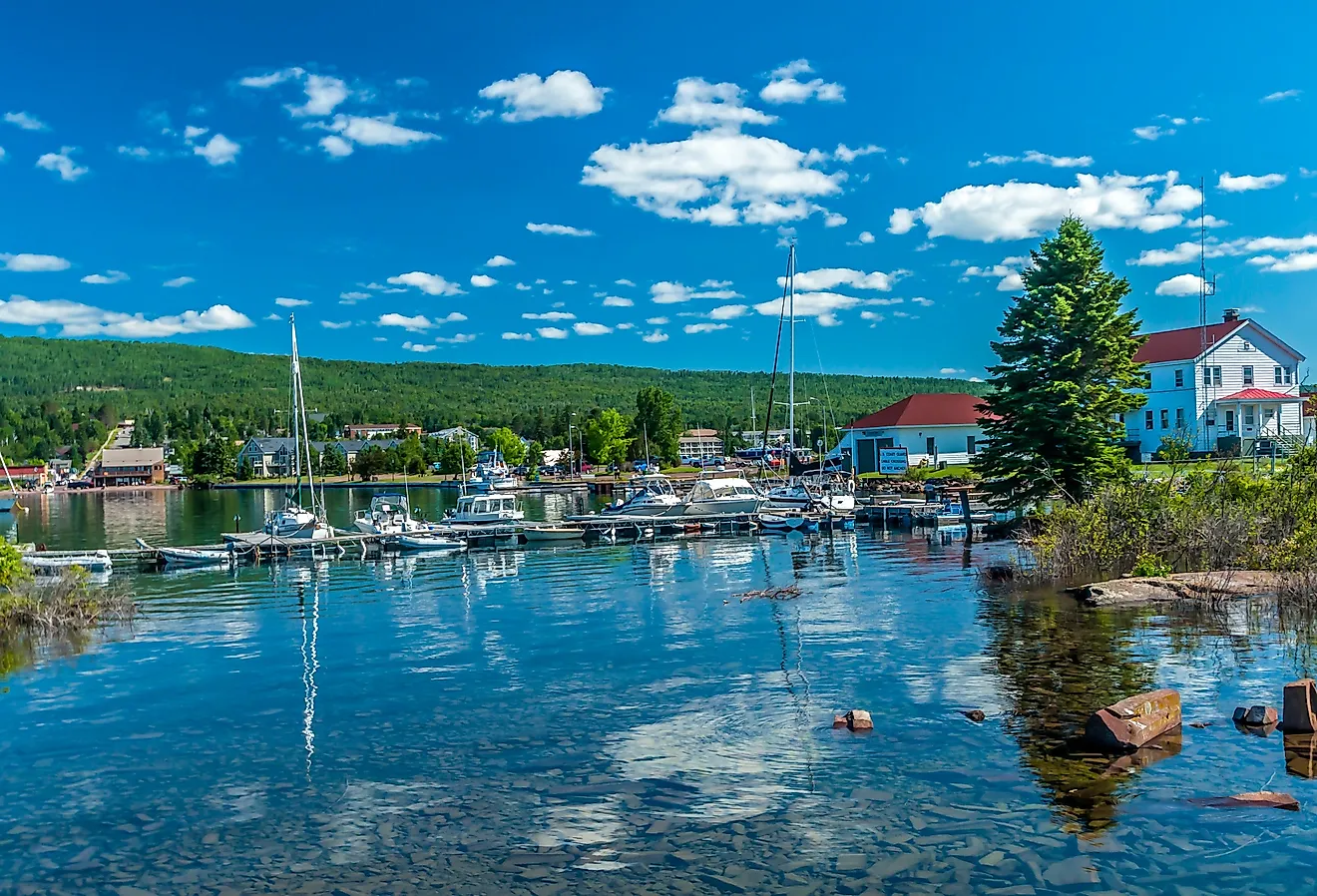
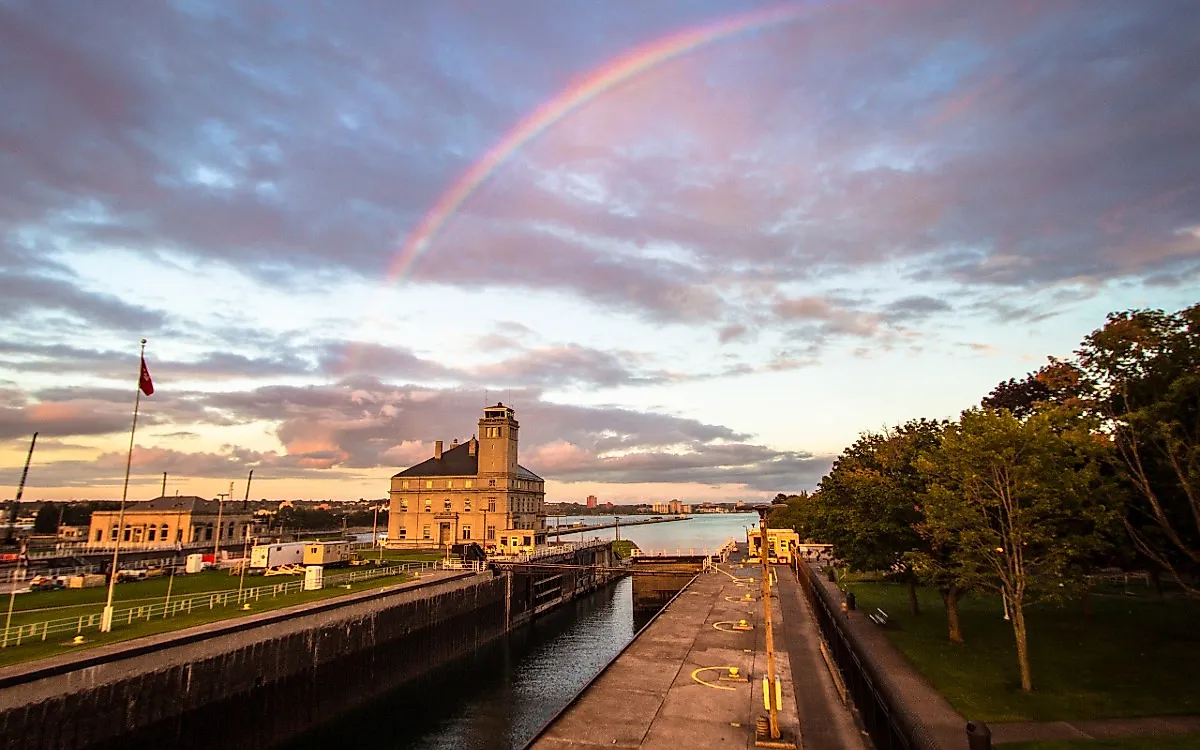
A riverside town near the Michigan-Canada border, Sault Ste. Marie is the state’s oldest community. French missionary Jacques Marquette founded it in the 1600s, but it was not formally incorporated as a village until 1879, by which time it had become a busy fur trading hub.
Today, the most famous landmark in Sault Ste. Marie is the historic Soo Locks, which predate the town’s incorporation. This complex canal system links Lake Superior with Lake Huron and is a vital means of transport through the Great Lakes. Constructed in 1855, the Soo Locks are now the busiest in the world and feature the largest lock in the Western Hemisphere, which was built in 1968. You can find out more about this remarkable construction project and the impact it had on Michigan’s growth at the Soo Locks Visitor Center.
For more beautiful views of the water, head for the Point Iroquois Lighthouse, about 20 miles west of town. Listed on the National Register of Historic Places, the lighthouse was built in 1870. Climb its 72-step staircase to enjoy breathtaking views over Lake Superior and take some time to explore the lighthouse museum, which shares stories of the keepers over the ages.
St. Ignace

Much like Sault Ste. Marie, St. Ignace, in Michigan’s Upper Peninsula, began as a 17th-century French missionary outpost. The settlement grew quickly thanks to its strategic location on the Straits of Mackinac and was incorporated in 1882. The town became an important commercial hub, fueled by its lumber and iron industries, and later developed into a busy tourist destination due to the natural beauty of the area.
To learn more and see the sights on foot, stop by the St. Ignace Chamber of Commerce to pick up a self-guided walking tour, which takes guests through historic downtown. The 6,000-foot Huron Boardwalk is another beautiful spot for a walk. The boardwalk follows the waterfront through downtown, offering spectacular views of Lake Huron and Mackinac Island, as well as open-air displays on the town’s maritime history. For a closer look at life on the water in days gone by, visit the Great Lakes Shipwreck Museum at Whitefish Point, located at the site of Lake Superior’s oldest active lighthouse.
Monroe

Known as Michigan’s third-oldest community, Monroe was incorporated as a village in 1817, but its story starts much earlier. French missionaries came to the area in the 17th and 18th centuries, giving Monroe its original name, "Frenchtown."
The community was renamed after the War of 1812, in which it played a key part. The Battle of River Raisin saw 300 Americans killed, making it the war’s single most deadly battle for the US. Now, at the River Raisin National Battlefield Park, visitors can explore the site of the conflict, browse the exhibits at the Visitors Center, tour General Winchester’s Headquarters, and see the 1904 Soldier’s Monument. Both hikers and historians will enjoy a wander along the River Raisin Heritage Trail, an 8-mile biking and hiking path that connects Sterling State Park with Munson Park, travelling past points of interest in the River Raisin National Battlefield and Education Center and downtown Monroe.
Ypsilanti

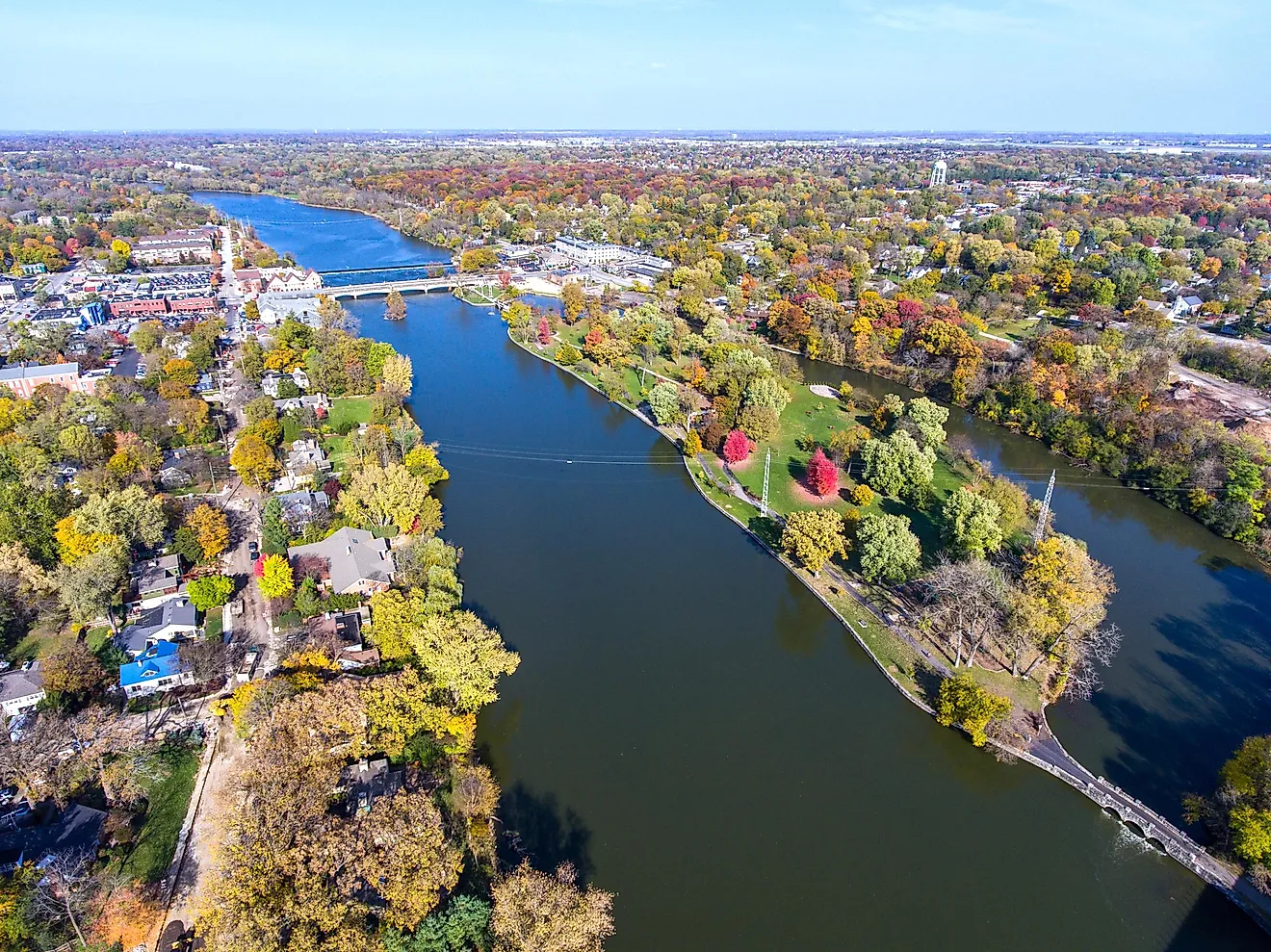
A picturesque waterfront town on the banks of the Huron River, Ypsilanti can trace its roots back to 1825, when three local settlers combined their land to establish a town named after the Greek military war hero, General Demetrius Ypsilanti. The settlement grew rapidly thanks to its position on a major stagecoach route and, later, the railroad.
Ypsilanti’s entire downtown area is listed on the National Register of Historic Places in recognition of its beautifully preserved 19th-century buildings. Don’t miss one of the town’s most iconic landmarks, the Ypsilanti Water Tower, which was built in 1890 and towers over the city at 147 feet high. Ypsilanti is also home to some unique museums, including the Michigan Firehouse Museum, which spans nearly two centuries of firefighting history, and the Ypsilanti Automotive Heritage Museum, which showcases the history of local automobile companies throughout the ages.
Adrian

Just north of the Ohio border, the bustling town of Adrian was founded in 1826 by Addison Comstock (who would later go on to promote the construction of the Erie-Kalamazoo Railroad). The city was named for the Roman emperor Hadrian, although the "H" was later dropped. The city was once known as an agricultural center before it became the lively college town it is today.
Adrian is home to Michigan’s oldest theater, which is also one of the oldest continuously operating theaters in the United States. The Croswell Opera House first opened in 1866 and continues to stage community theater productions in its beautifully restored auditorium. The Lenawee Historical Museum has more snapshots of Adrian through the ages. The museum contains Civil War artifacts, city archives, and a historic photograph collection.
You’ll find more local history downtown at one of Adrian’s oldest commercial premises, Chaloner & Co. Established in 1874 by English shoemaker Charles Chaloner, the downtown shop remains a newsstand, confectionery, and tobacco store that honors its legacy by continuing to sell its classic, old-fashioned candies and popcorn. Upstairs, the Chaloner's Cigar House is a cigar bar and lounge.
Making Memories in Michigan
You may know Michigan for its stunning Great Lakes shorelines, automotive history, or for being the birthplace of Motown, but you don’t truly know the state until you’ve spent some time in its oldest communities. These close-knit, old-world towns reflect the true heart of Michigan in their historic attractions, beautiful scenery, and warm hospitality. Shaped by pioneering exploration, the Civil War, and industrial innovation, Michigan’s oldest incorporated towns have much to offer modern-day adventurers.