2026's 11 Best Small Towns To Visit In Texas
Texas shifts from eastern bayous to western mountains, and its small towns shift with it. Some sit beside a cypress-lined creek. Others rise along a spring-fed swimming hole, a Hill Country lake, or the Gulf. The eleven here run that whole range. Each one packs museums, historic squares, art, and live performance into a place you can walk across in an afternoon.
Wimberley

Wimberley had 2,909 residents in 2025 and sits among the waterways of the Texas Hill Country. Cypress Creek and the Blanco River pass through limestone terrain shaded by bald cypress trees. Blue Hole Regional Park centers on a spring-fed swimming area and also contains hiking paths, picnic spaces, and recreation fields. Reservations are required for swimming during the summer season, while the other park facilities remain open without reservations.
Jacob's Well Natural Area protects the artesian spring that forms the headwaters of Cypress Creek. Swimming remains suspended, but the preserve stays open for hiking and nature viewing. Old Baldy rises above the town, with roughly 200 stone steps leading to a view across the Wimberley Valley. Wimberley Market Days, held on designated Saturdays from March through December, brings together hundreds of vendors selling antiques, artwork, and food along with other goods.
Fredericksburg

Fredericksburg, with a population of 11,893, is closely associated with its German heritage and the surrounding Texas wine region. That history remains visible along Main Street, where buildings contain restaurants, galleries, shops, and museums. Vineyards and tasting rooms extend into Gillespie County along the roads outside town.
The National Museum of the Pacific War is developed from a museum honoring Fredericksburg native Admiral Chester W. Nimitz. Its grounds now encompass the Admiral Nimitz Gallery, George H.W. Bush Gallery, Japanese Garden of Peace, Memorial Courtyard, and Pacific Combat Zone. Less than 20 miles north of Fredericksburg, Enchanted Rock State Natural Area includes a massive pink granite dome. Its designated trail and climbing areas cross the main dome and several smaller rock formations.
Port Aransas

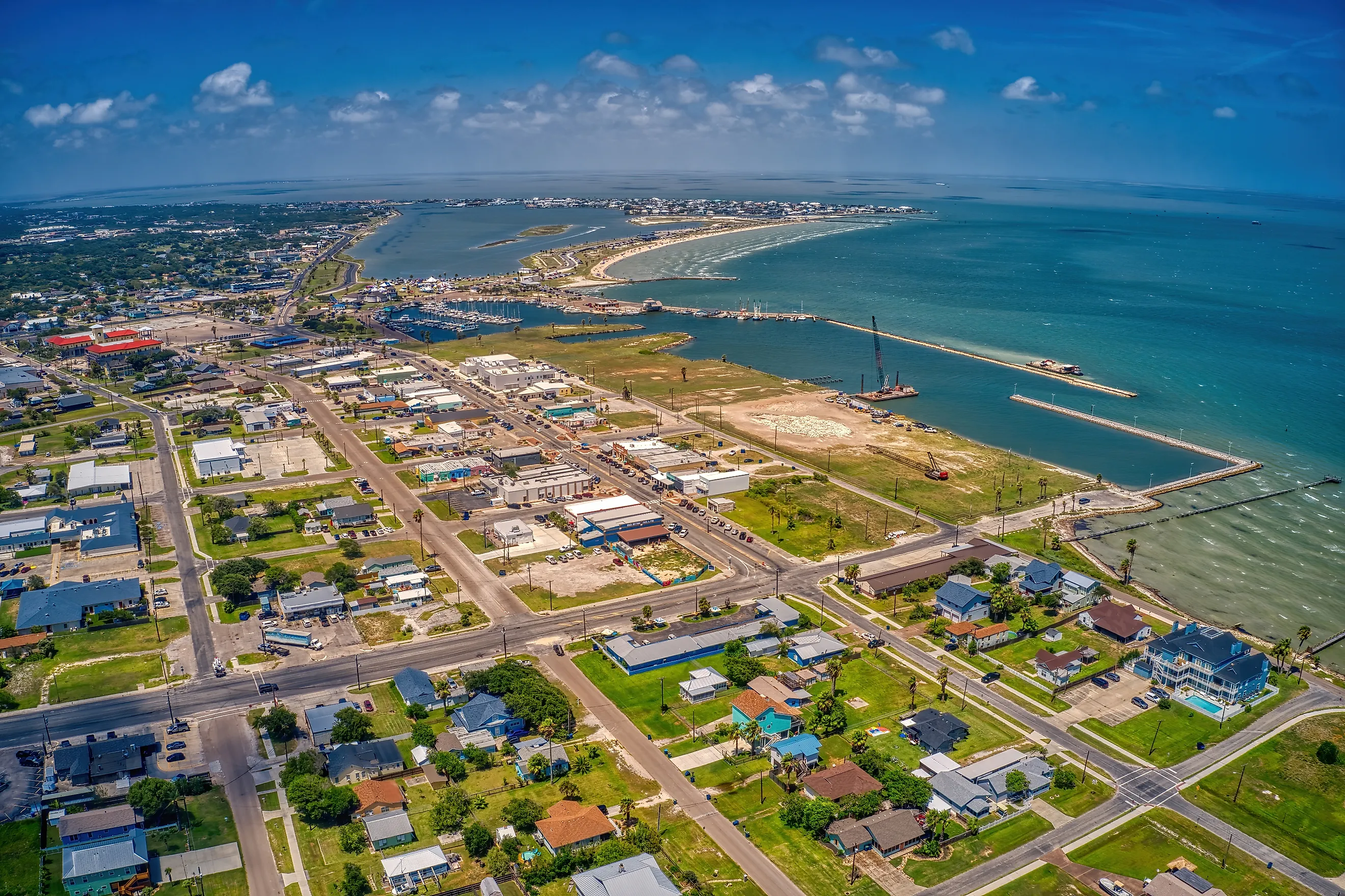
Port Aransas occupies the northern end of Mustang Island, with 18 miles of shoreline facing the Gulf of Mexico. Swimming, surfing, fishing, and beachcombing take place along the coast, while Mustang Island State Park contains protected beachfront, fishing access, and paddling routes south of town.
Freshwater and saltwater habitats support a substantial bird population. At the Leonabelle Turnbull Birding Center, a boardwalk crosses a marsh used by resident and migratory species, and an observation tower overlooks the wetland. The Port Aransas Nature Preserve includes Charlie's Pasture, Wetland Park, and Paradise Pond. Roberts Point Park occupies land beside the ship channel near the ferry landing, providing views of fishing boats and dolphins that sometimes enter the channel.
Granbury

Lake Granbury extends alongside the historic center of Granbury. The reservoir supports boating and fishing, and Granbury City Beach maintains a sandy swimming area near downtown. A few blocks inland, the Hood County Courthouse anchors the first courthouse square in Texas to be collectively listed on the National Register of Historic Places.
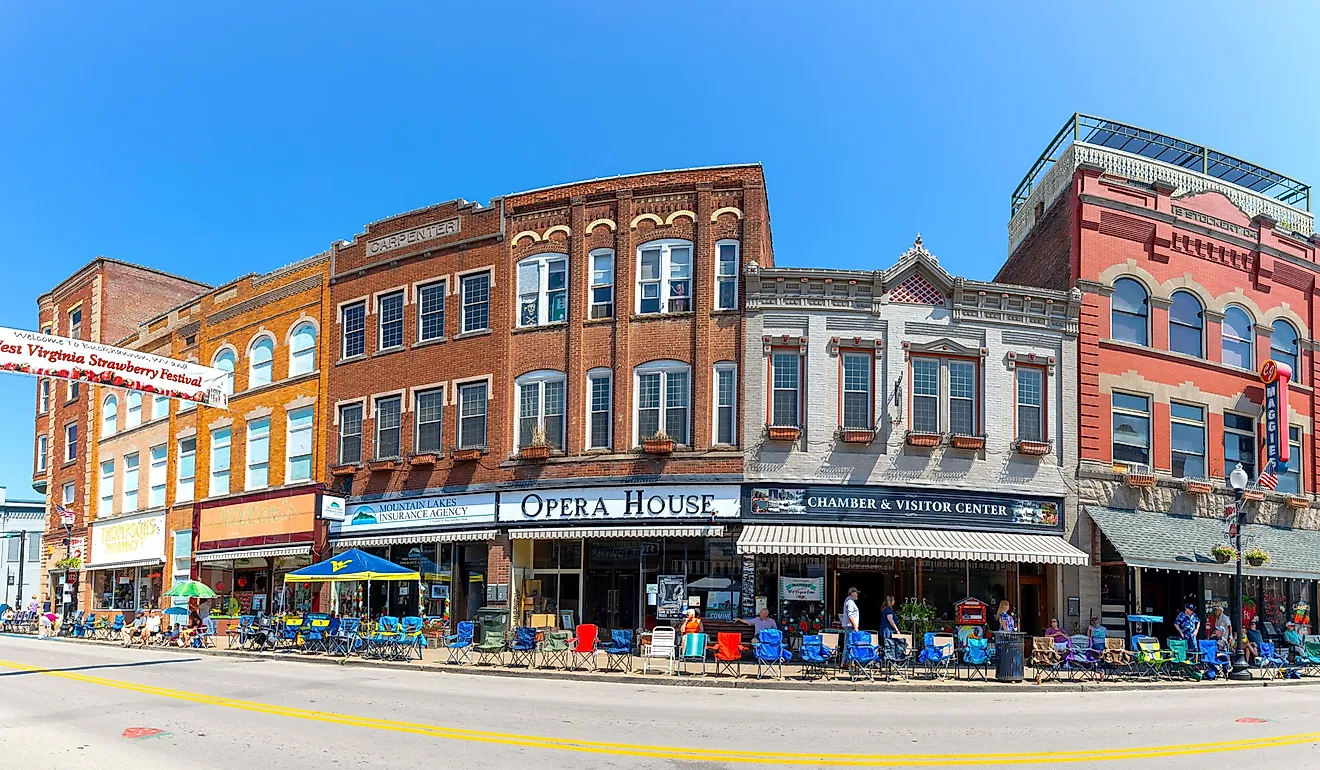
The buildings around the square now house shops, restaurants, and several cultural sites. The Hood County Jail Museum is found in the former county jail and contains exhibits related to local history. The Granbury Opera House, originally constructed during the 1880s, has been restored and continues to stage plays and musicals.
Canyon

The town of Canyon is located approximately 12 miles west of Palo Duro Canyon State Park. The Prairie Dog Town Fork of the Red River carved the canyon's layered cliffs, mesas, and isolated rock formations into the Texas Panhandle. Roads and routes for hiking, biking, and horseback riding cross the rim and canyon floor. The park also contains campsites and areas reached through guided backcountry tours.
Pioneer Amphitheatre stands within the canyon and hosts TEXAS Outdoor Musical during the summer. The production uses musical performances, fireworks, and historical scenes to depict the Texas Panhandle. On the West Texas A&M University campus, the Panhandle-Plains Historical Museum maintains collections devoted to paleontology, Indigenous cultures, ranching, and art. The town's commercial center surrounds a historic downtown square.
Rockport

Rockport faces Aransas Bay, while the more sheltered waters of Little Bay extend close to downtown. Fishing piers and parks line sections of the waterfront, and Rockport Beach contains a shallow swimming area, paths, and playgrounds.
The Texas Maritime Museum documents Gulf Coast exploration, fishing, shipbuilding, offshore energy, and commercial shipping. In neighboring Fulton, Fulton Mansion preserves a 19th-century residence overlooking the bay. Goose Island State Park lies north of both towns and includes campsites, fishing areas, and bird habitats. The park is also home to the Big Tree, an ancient coastal live oak with a trunk circumference exceeding 35 feet.
Marble Falls

Marble Falls stands where the Colorado River widens into Lake Marble Falls. The reservoir is used for boating, paddling, and fishing. Streets rising from the waterfront lead into a downtown district containing restaurants, shops, and public art.
Outside town, Balcones Canyonlands National Wildlife Refuge covers more than 27,000 acres of limestone canyons, spring-fed creeks, and woodland. The protected area contains habitat for the endangered golden-cheeked warbler and the formerly endangered black-capped vireo. Longhorn Cavern State Park documents another part of the region's geology through underground passages formed by ancient water flow. Above the cavern, limestone outcrops and structures constructed by the Civilian Conservation Corps stand beside a system of short paths.
Alpine

Alpine lies at an elevation of roughly 4,400 feet in a broad valley between the Davis and Glass mountains. Mountain ridges are visible from streets throughout the town, which had 5,989 residents in 2025. Sul Ross State University occupies a prominent site on Alpine's northern side.
More than 10 murals painted on downtown buildings depict local wildlife, scenery, and cultural figures. Behind the university, paths ascend Hancock Hill toward panoramic viewpoints and "The Desk," a piece of furniture carried up the hill by students decades ago. The Museum of the Big Bend holds Western art, archaeological material, and historic maps documenting the border region and its people. North of Alpine, Davis Mountains State Park contains high-desert hiking routes, scenic overlooks, and areas used for stargazing.
Port Isabel

The Port Isabel Lighthouse has stood above the Laguna Madre since 1852, when it was constructed following numerous shipwrecks near Brazos Island. Reaching the top of the 72-foot structure requires climbing 75 winding stairs and three short ladders. Its observation level overlooks the lagoon, Queen Isabella Causeway, and South Padre Island. It is the only historic lighthouse on the Texas coast open for climbing.
The surrounding Laguna Madre is a shallow, hypersaline body of water used for fishing, dolphin excursions, and birdwatching. The Laguna Madre Loop of the Great Texas Coastal Birding Trail includes a viewing location near the Port Isabel waterfront. The Port Isabel Historical Museum documents local development, while the Treasures of the Gulf Museum concentrates on Spanish shipwrecks and maritime archaeology.
Marfa

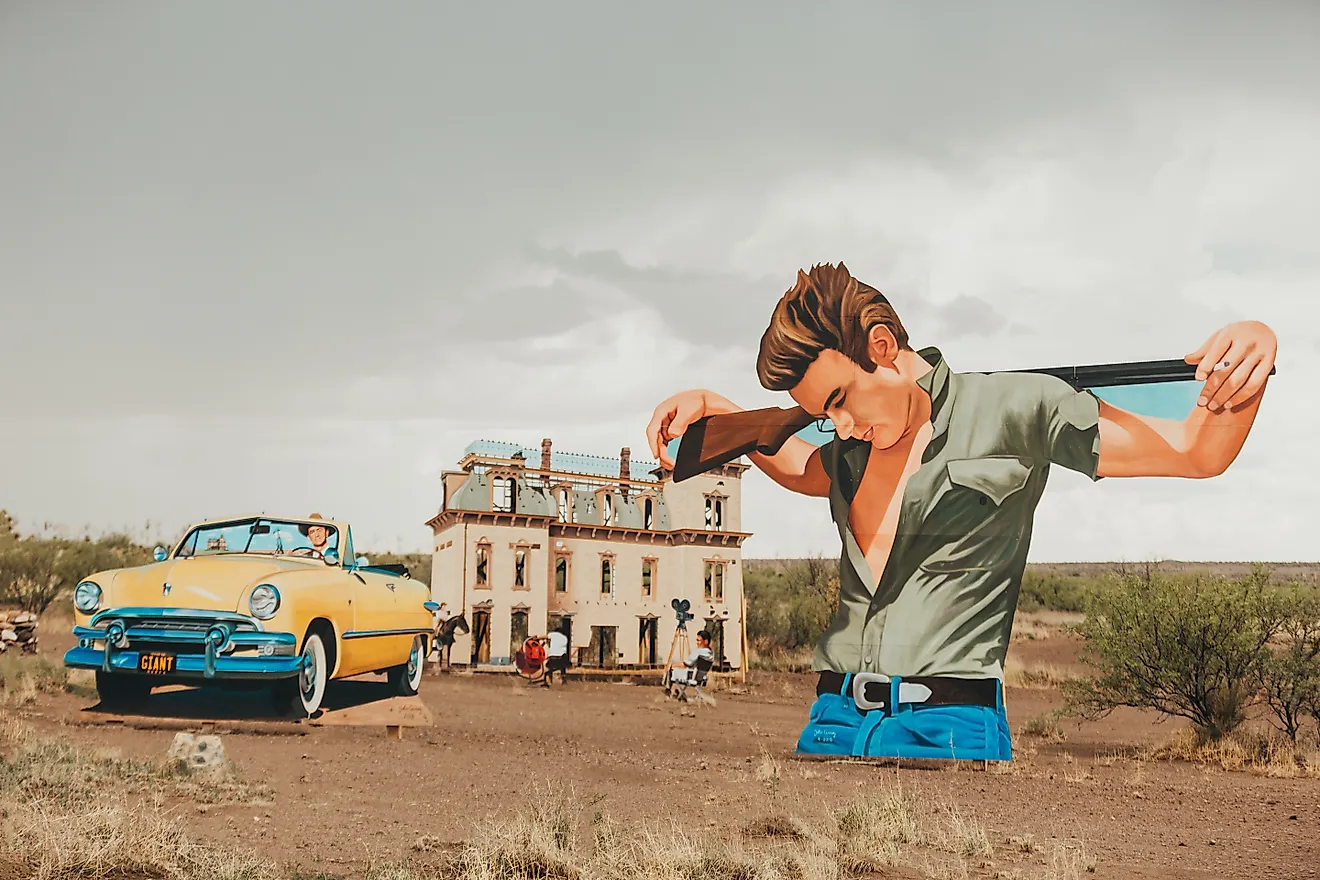
Marfa had 1,574 residents in 2025, but its cultural institutions have an international reach. The Chinati Foundation occupies a former military installation where large-scale artwork is arranged in relation to the existing architecture and the Chihuahuan Desert. Guided tours are required for most of the collection. Restoration of the Artillery Sheds beginning in October 2026 will temporarily close Donald Judd's aluminum installations, though his outdoor concrete works will remain accessible.
The Presidio County Courthouse rises over central Marfa and has an upper level overlooking the town and surrounding plains. Nine miles east, the official Marfa Lights Viewing Area faces a section of desert associated with unexplained nighttime lights reported for generations. The Marfa and Presidio County Museum maintains exhibits addressing local history, including ranching, railroads, and military activity.
Jefferson

Big Cypress Bayou connected Jefferson with the Red River during the 19th century, helping the settlement become a significant inland port. Its commercial importance declined after rail transportation bypassed the town, but brick streets and buildings from the riverport period remain. Nearly 100 recognized landmarks now stand throughout Jefferson.
The Jefferson Historical Society and Museum occupies an 1890 federal courthouse. Its exhibits address Caddo culture, pioneer settlement, Jewish heritage, African American history, and the Civil War era. Boat excursions follow Big Cypress Bayou and explain the waterway's relationship to Jefferson's development. East of town, Caddo Lake State Park contains sloughs, ponds, and slow-moving channels beneath bald cypress trees. Paddling routes, fishing areas, and woodland paths cross the flooded forest.
The Scale of Texas's Small Towns
Population size does not necessarily correspond with geographic or cultural significance. Some of Texas's smallest communities contain specialized museums, protected springs, and historic structures. Their locations also provide access to environments ranging from Gulf Coast wetlands to high-desert mountains. These natural features shaped where the towns developed, while later institutions preserved and interpreted their histories. The result is a group of small towns distinguished by specific places and resources rather than generalized notions of small-town character.