13 Best Places To Live In California's Sierra Nevada In 2026
You came to the Sierra Nevada for the granite, the swimming holes, and the cider doughnuts. Somewhere on the drive home you started wondering what it would cost to just stay. Heading into 2026 that turns out to be more affordable than the postcards suggest. After a few years of mountain-town prices climbing fast, the Sierra has settled into a wide and approachable range. You can buy into a Plumas County seat in the low $300,000s or pay roughly double for a South Lake Tahoe ski address. The thirteen towns below come with a representative 2026 home value to help you picture the trade-offs.
Auburn

Set in the foothills near I-80, Auburn has a way of mixing Gold Rush history with genuinely easy access to trails and the American River canyon. A representative home value lands around $640,000, though prices shift depending on the neighborhood, acreage, and condition of the property. Outdoor time here tends to start at Auburn State Recreation Area, where the Quarry Trail and the North Fork American River confluence are reliable draws, and a separate trip to Hidden Falls Regional Park adds shaded walking loops to the mix. Around town, Old Town and Main Street set the daily rhythm, whether that means coffee at The Pour Choice, a Saturday stop at the Foothill Farmers' Market, or a wander past the Placer County Courthouse and Placer County Museum. When the day winds down, Auburn Alehouse Brewery and Restaurant is one of the better-known places to land for dinner or a local beer.
Grass Valley

Grass Valley tends to come in less expensive than many foothill communities its size, with properties recently clustering near a $500,000 midpoint. Empire Mine State Historic Park is usually the first landmark people connect with the city, and for good reason. The preserved mine buildings, gardens, walking paths, and Bourne Mansion make for a full afternoon. For more mining context, the North Star Mining Museum fills in the picture with Pelton wheels, equipment, and exhibits tied to the area's extraction history. Downtown life tends to center on Main Street and Mill Street, with Caroline's Coffee Roasters drawing people into the core and the Grass Valley Farmers Market adding another regular local gathering point at Pine Creek Shopping Center. When the weather warms up, South Yuba River State Park adds swimming holes, wildflower walks, and the Bridgeport Covered Bridge to the mix, while the Holbrooke Hotel and The Center for the Arts keep things moving with music, theater, and community events closer to the core.
Nevada City

Nevada City homes tend to sell around $575,000, though inventory can be tight and pricing swings considerably based on setting and condition. Day-to-day life along Broad Street takes shape around the seasonal Nevada City Farmers Market, The Curly Wolf Espresso House, and shops like Kitkitdizzi, which together give the street a texture that feels genuinely local rather than assembled. The town's history shows up less through a concentrated museum district and more through the preserved streetscape itself, along with the Nevada Theatre, often cited as California's oldest existing theater building and still in regular use for films, plays, and regional events. For a walk close to home, Hirschman Trail passes a pond, forest, and mining-era ditches without requiring much of a drive. South Yuba River State Park rounds out the outdoor options with granite swimming holes and access to the Bridgeport Covered Bridge.
Placerville

Placerville sits along Highway 50, less than an hour from Sacramento, and current housing figures land around $525,000. The Bell Tower anchors historic Main Street, but the town's appeal stretches well beyond it, into nearby trail corridors, orchards, and Gold Rush sites worth a closer look. Gold Bug Park and Mine gives visitors a self-guided look at hard-rock mining through shaded paths close to the old commercial core, while the El Dorado Trail has become a reliable spot for walkers, cyclists, and dog owners looking for easy everyday exercise. Saturday mornings bring the Placerville Certified Farmers' Market on Placerville Drive, and nearby Boa Vista Orchards in Apple Hill is a dependable stop for apples, pies, cider doughnuts, and whatever else is in season.
Sonora

Sonora functions as a Gold Country hub with Yosemite Valley less than two hours away depending on the route, and a median-priced residence costs about $405,000. Washington Street gives the town much of its daily texture, including Legends Books, Antiques and Soda Fountain, where books, antiques, sundaes, and counter seating share the same space in a way that somehow works. Saturday mornings pull people toward the Sonora Certified Farmers Market at Theall and Stewart streets for produce, music, and coffee. Outdoor time can be as close as Dragoon Gulch Trail, where oak woodland and ridge views sit within easy reach of residential neighborhoods. For a day trip, Columbia State Historic Park preserves Gold Rush storefronts and stagecoach rides, and Railtown 1897 State Historic Park in Jamestown runs seasonal vintage train excursions worth planning around.
Oakhurst

Oakhurst sits on Highway 41 south of Yosemite, and residential values are currently near $440,000. A lot of daily life follows the roadway corridor, where errands, restaurants, and lodging serve both locals and national park visitors in roughly equal measure. A morning might begin at Clouds Rest Coffee before the day turns toward Bass Lake for swimming, kayaking, fishing, or lunch at The Forks Resort. History is easy to fold into a weekend through Fresno Flats Historic Village, which preserves 19th-century cabins, a schoolhouse, and Madera County foothill stories without feeling overly curated. The Yosemite Mountain Sugar Pine Railroad adds vintage steam-train rides through timber country, and South Gate Brewing Company has become a familiar place to regroup after hikes, lake days, or long drives back from Yosemite.
Mariposa

On Highway 140 west of Yosemite, Mariposa has homes priced around $410,000. Before a park drive or a morning of errands, many people find their way to Pony Expresso for breakfast burritos, lattes, and other quick orders that make the place feel like a genuine neighborhood anchor. The town's history splits between two strong museum stops: the Mariposa Museum and History Center, with mining tools, period rooms, and a working stamp mill, and the California State Mining and Mineral Museum, which holds the Fricot Nugget alongside a large gem and mineral collection. For a closer-in stretch of fresh air, Stockton Creek Preserve offers a hiking loop above town, and Mariposa Arts Park brings outdoor concerts, local gatherings, and seasonal events back into the center of things.
Bishop

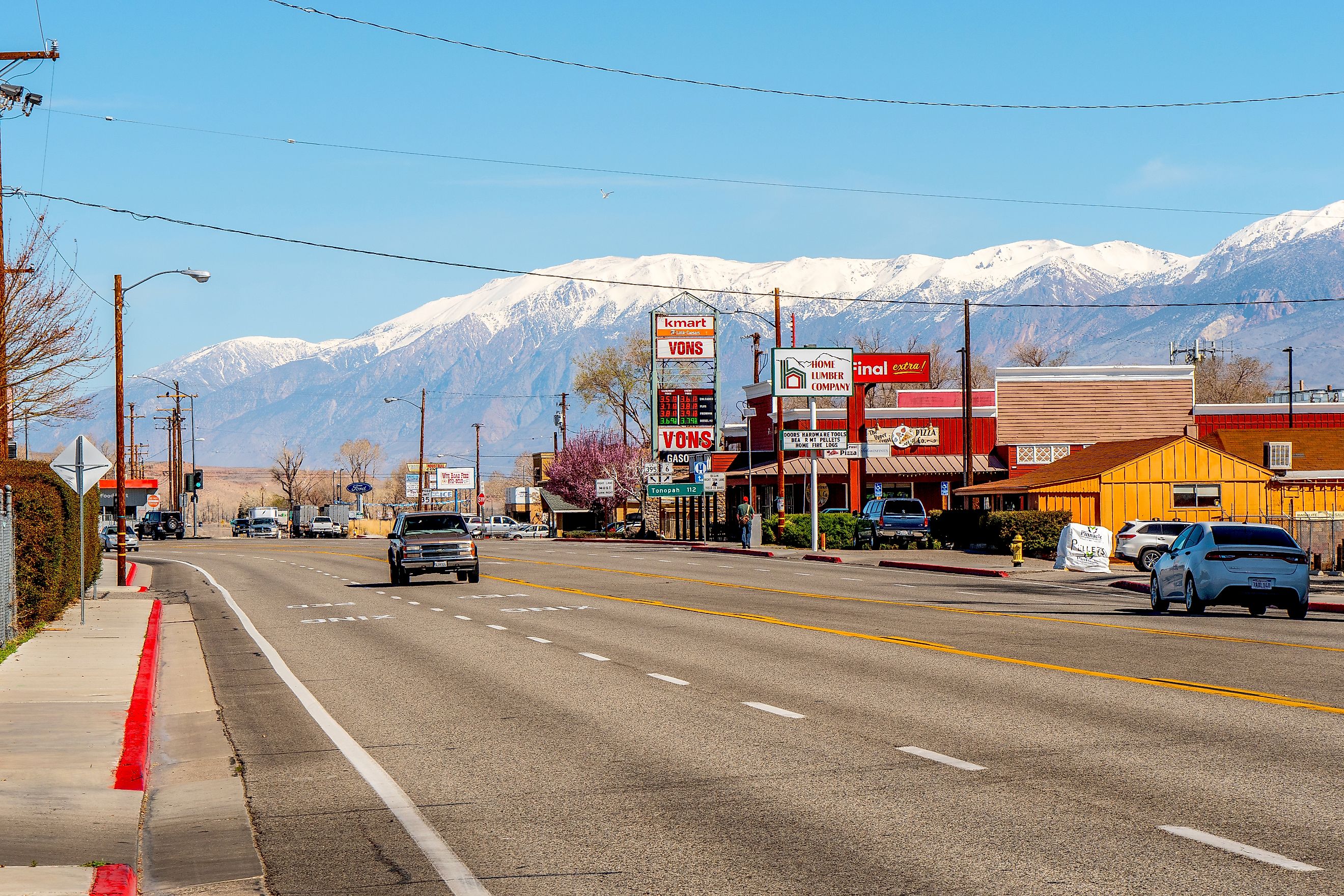
Bishop sits in the Owens Valley on the eastern Sierra, where snowy peaks frame the community and home values now sit closer to $590,000. Food and coffee stops are part of the town's road-trip identity, from Black Sheep Coffee Roasters to Erick Schat's Bakkery, and the Farm to Table Market at First United Methodist Church on North Fowler Street adds seasonal produce and local activity to the mix. The most recognizable annual event is Bishop Mule Days, a long-running celebration of mules, packing, parades, and Western traditions that draws people from well outside the valley. For history, Laws Railroad Museum and Historical Site preserves Owens Valley railroading, mining, and pioneer buildings in an open-air setting worth a couple of hours. Beyond town, Buttermilk Country pulls in boulderers and hikers, while the Ancient Bristlecone Pine Forest offers access to some of the oldest trees on Earth, which feels like reason enough to make the drive.
South Lake Tahoe

South Lake Tahoe is one of the pricier mountain communities on this list, with home values in the mid-$600,000s. Resort energy is part of daily life here, but so are quieter neighborhood routines along Lake Tahoe Boulevard, morning coffee at Cuppa Tahoe, and regular trips to shoreline paths, trailheads, and ski areas depending on the season. Emerald Bay State Park delivers the area's postcard views, including Vikingsholm, Fannette Island, granite slopes, and that particular shade of blue the lake turns in good light. The Tallac Historic Site offers a different angle on the lake's past, preserving resort-era buildings such as the Baldwin Estate and Pope House in a less crowded setting. Evenings in Heavenly Village bring restaurants, the Heavenly Gondola, Base Camp Pizza Co., and The Loft Theatre-Lounge-Dining into one walkable stretch, while Van Sickle Bi-State Park provides a trailhead that crosses from California into Nevada for those who want to end the day on foot.
Quincy

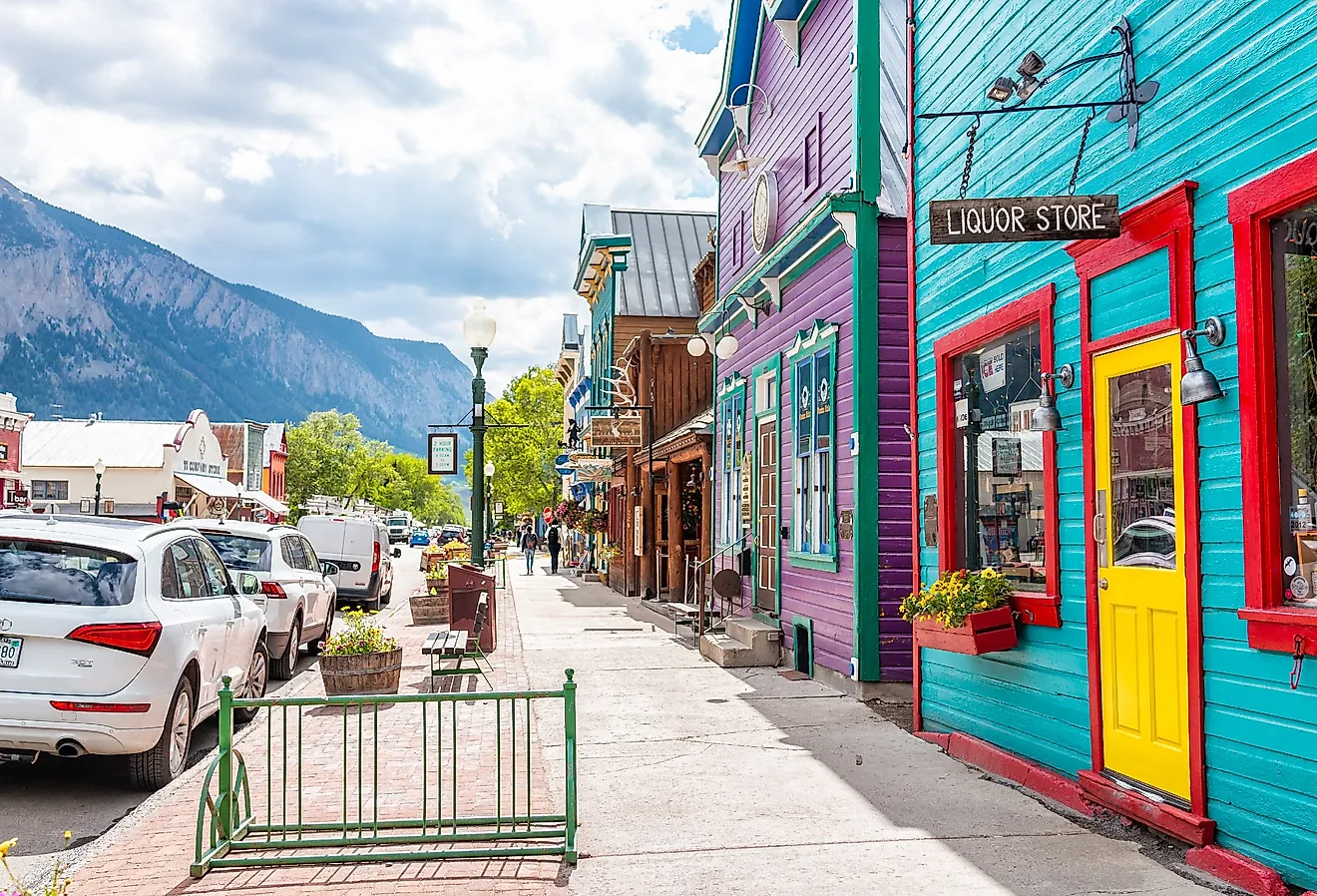
As the Plumas County seat, Quincy holds its place as one of the more affordable mountain communities on this list, with residences usually coming in around the low $300,000s. Main Street moves at a measured small-town pace, often starting with breakfast at Patti's Thunder Cafe before a stop at Quincy Natural Foods Co-op for produce, bulk goods, or something from the prepared foods section. The Plumas County Museum sits near the center of town and collects Gold Rush artifacts, Maidu baskets, and regional history inside a brick building that feels appropriately grounded in place. Community gatherings tend to move through the Plumas-Sierra County Fairgrounds, which hosts the annual fair and other events through the year. For a bigger outdoor weekend, Bucks Lake Wilderness offers granite-rimmed lakes, campsites, and trailheads, and West End Theatre brings plays, concerts, and film nights back into town when the trails close for the season.
Chester

Near Lake Almanor, Chester offers a quieter mountain base where home values are closer to $370,000. Summer changes the pace noticeably, bringing more people to the shoreline, local market days at The Elegant Farmer, and Main Street stops such as Cravings Café and Pine Shack Frosty. The lake itself is the main outdoor draw, with fishing, paddling, boating, and waterfront walks filling most warm-weather calendars. A short drive shifts the scenery considerably at Lassen Volcanic National Park, where day trips can take in Manzanita Lake, Bumpass Hell, geothermal features, and forested hiking routes depending on how much time is available. Back in town, Collins Pine Museum tells the story of the Collins Pine Company and Chester's logging past in a way that fills in a part of the region's history that often gets skipped.
Arnold

Arnold lines Highway 4 in Calaveras County, with home values around $425,000. The area's standout landmark is Calaveras Big Trees State Park, and the North Grove Trail through the giant sequoias tends to be where most people head first. Closer to town, the Arnold Rim Trail gives residents a convenient place to hike without much preamble, while White Pines Lake covers the swimming, paddling, fishing, and picnic side of things through the warmer months. The Sierra Nevada Logging Museum fills in a quieter piece of the region's past through equipment, photographs, and exhibits on the timber industry. A practical day in Arnold might also include coffee at Bistro Espresso, errands at Meadowmont Shopping Center, and dinner or a beer at Snowshoe Brewing Company before heading back up the hill.
Twain Harte

In Tuolumne County, Twain Harte is a small mountain community where homes usually cost around $425,000. The Sugar Shack draws steady traffic for pastries, breakfast, and espresso drinks, and has the kind of reliable local-favorite quality that makes a place feel like it actually belongs to the town. During summer, Twain Harte Lake becomes the main gathering point for members and their guests, with swimming, docks, and a forested shoreline that keeps things from feeling too resort-like. Eproson Park adds warm-weather Concerts in the Pines to the calendar, and Twain Harte Golf Club provides a nine-hole course close enough to the center of town to work as an afternoon rather than a full expedition. For a deeper Gold Rush outing, Columbia State Historic Park is just a short drive away, with preserved brick storefronts, stagecoach rides, and period streets that make the history feel less like a display and more like a place.
Across these towns, what keeps the calculus interesting is how differently affordability adds up once daily life enters the equation. A Chester home still buys into lake access and a quieter rhythm that money alone can't manufacture, while South Lake Tahoe commands a much higher price for a place where the resort energy never fully switches off. The question each town quietly poses isn't just whether you can afford to buy there, but whether the mornings, errands, and off-season Tuesdays feel like a life you'd actually want.