11 Top-Ranked Towns In The Southern United States For Retirees
In Abingdon, Virginia, the theater on Main Street once let farmers pay for tickets with vegetables. In Paducah, Kentucky, the city sold historic houses to artists for a dollar. Retiring in the South has always involved a certain amount of creative arithmetic, and these eleven towns each solve it differently. Some sit on the water, some in the mountains, some an hour from anywhere. What they share is a workable combination: something to do, someone to talk to, and a tax code that does not punish a fixed income. Eleven towns, eleven states, and no two alike.
Fredericksburg, Texas

German immigrants founded Fredericksburg in 1846 and the town has never quite let go of it, which is why you can order schnitzel and brisket on the same block. Texas collects no state income tax, so a pension or a 401(k) distribution arrives here intact. That matters more than any single amenity, and it is the main reason Hill Country retirement math works.

The day-to-day is walkable. Main Street runs a long stretch of shops, tasting rooms, and galleries, with more than a hundred wineries in the surrounding county. Fredericksburg also holds the National Museum of the Pacific War, a six-acre campus that is startlingly good for a town of 11,000, built here because fleet admiral Chester Nimitz grew up in the house down the street. Enchanted Rock State Natural Area is about 18 miles north for anyone who still wants to climb a granite dome, and Wildseed Farms turns the roadside into bluebonnets every spring.
Hot Springs, Arkansas

Congress set this land aside in 1832, forty years before Yellowstone, which makes Hot Springs the oldest federally protected patch of ground in the country. Forty-seven thermal springs surface here at an average of 143 degrees Fahrenheit, pushing out close to a million gallons a day. The rain that feeds them fell roughly 4,400 years ago and has been working its way down and back up ever since.

Bathhouse Row is the payoff: eight grand early-1900s bathhouses lining Central Avenue as a National Historic Landmark district, two of them still filling tubs. Hot Springs is the cheapest town on this list to live in by most measures, and Arkansas does not tax Social Security. The Ouachita Mountains hold Lake Ouachita and enough trailhead for a daily habit. The town's other legacy is less wholesome and more entertaining: it ran wide-open gambling for decades and hosted Al Capone as a regular, which the local museums are happy to discuss at length.
Oxford, Mississippi

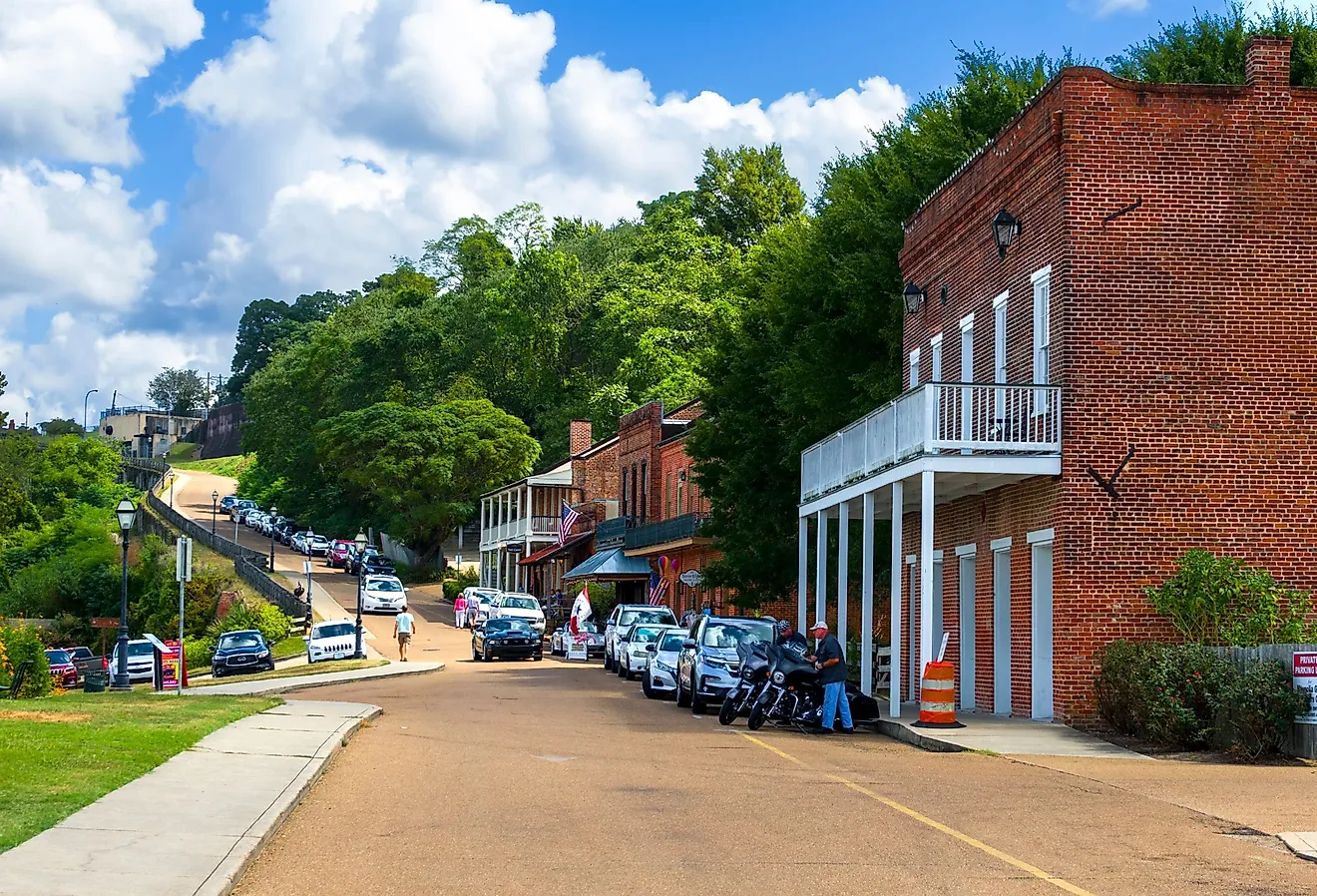
Mississippi exempts qualified retirement income from state tax entirely, pensions and IRA withdrawals included, which puts Oxford near the front of any serious affordability comparison. What the University of Mississippi adds on top is harder to price: a lecture calendar, a bookstore culture, and about 20,000 students who keep the restaurants honest.

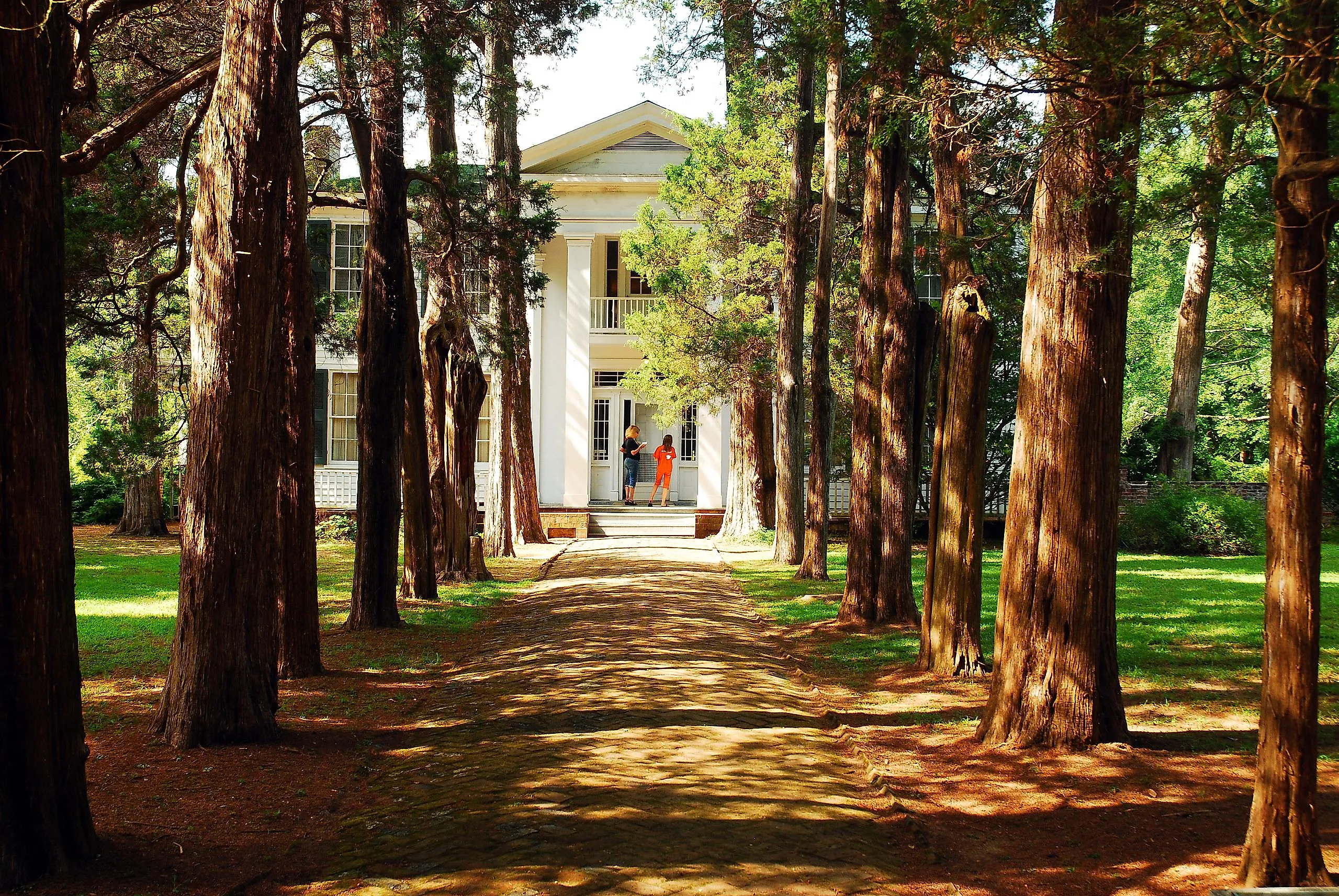
William Faulkner spent most of his life here and wrote most of his major work at Rowan Oak, the antebellum house he bought in 1930 and never modernized much. It is open to visitors, outline for A Fable still pencilled on the study wall. The Square anchors downtown with Square Books, one of the better independent bookstores in the country, and John Currence's City Grocery group covers dinner. Saturdays in autumn, Vaught-Hemingway Stadium fills with more than 60,000 people, and the tailgating in the Grove is a genuine spectacle whether or not you care about football.
Natchitoches, Louisiana

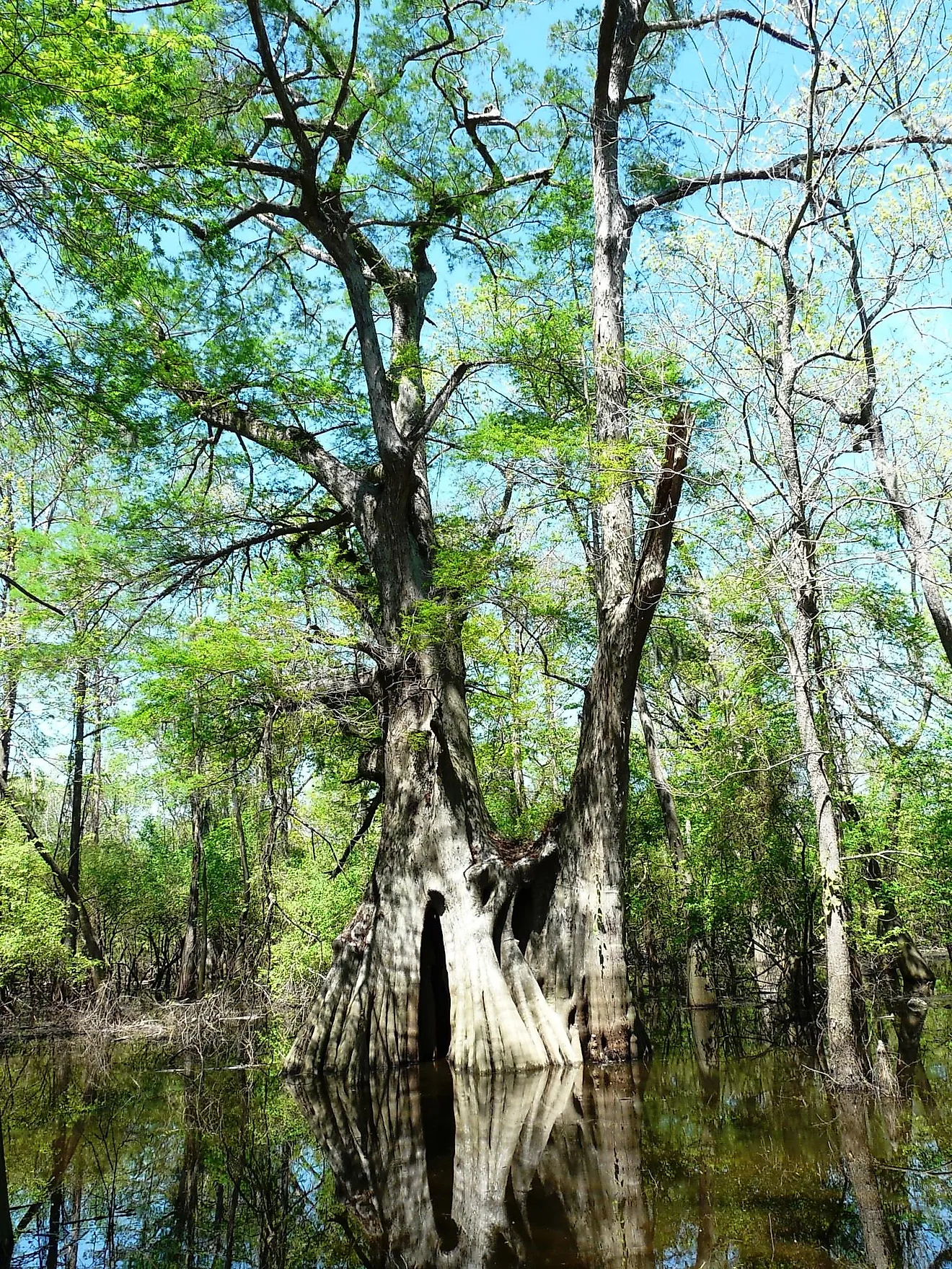
Founded in 1714, Natchitoches is the oldest permanent European settlement anywhere in the territory the Louisiana Purchase later bought. Say it "NAK-uh-tish" and the locals will let you stay. Louis Juchereau de St. Denis put a French outpost here to trade with Spanish Mexico, and the 33-block National Historic Landmark District preserves what came after: Creole townhouses, wrought-iron balconies, brick streets.

The reason it survived so intact is an accident of hydrology. In the 1820s the Red River shifted its course five miles east, stranding the town on a quiet oxbow now called Cane River Lake and ending the development pressure. Louisiana does not tax Social Security, housing runs well below the national median, and Natchitoches spends December on its Christmas Festival of Lights, a riverfront tradition running since the 1920s. Steel Magnolias was filmed here, which the town has monetized without shame. Try the meat pies.
Fairhope, Alabama

Fairhope was founded in 1894 as a single-tax colony, an experiment in Henry George's economics, and the Fairhope Single Tax Corporation still holds land in common today. That is why a town this attractive has so much public waterfront: the structure was designed to stop speculation, and it largely worked.

The municipal pier runs about a quarter mile into Mobile Bay, lined with benches and anglers, and the sunsets over the water are the town's daily event. Alabama does not tax Social Security and largely exempts pension income. Fairhope Avenue holds the bookstores and the antique shops, the Eastern Shore Art Center runs classes and exhibitions, and the flower baskets on every lamppost are a municipal line item. Worth knowing before you buy: this is hurricane country, and bay-front property carries insurance costs to match.
Destin, Florida

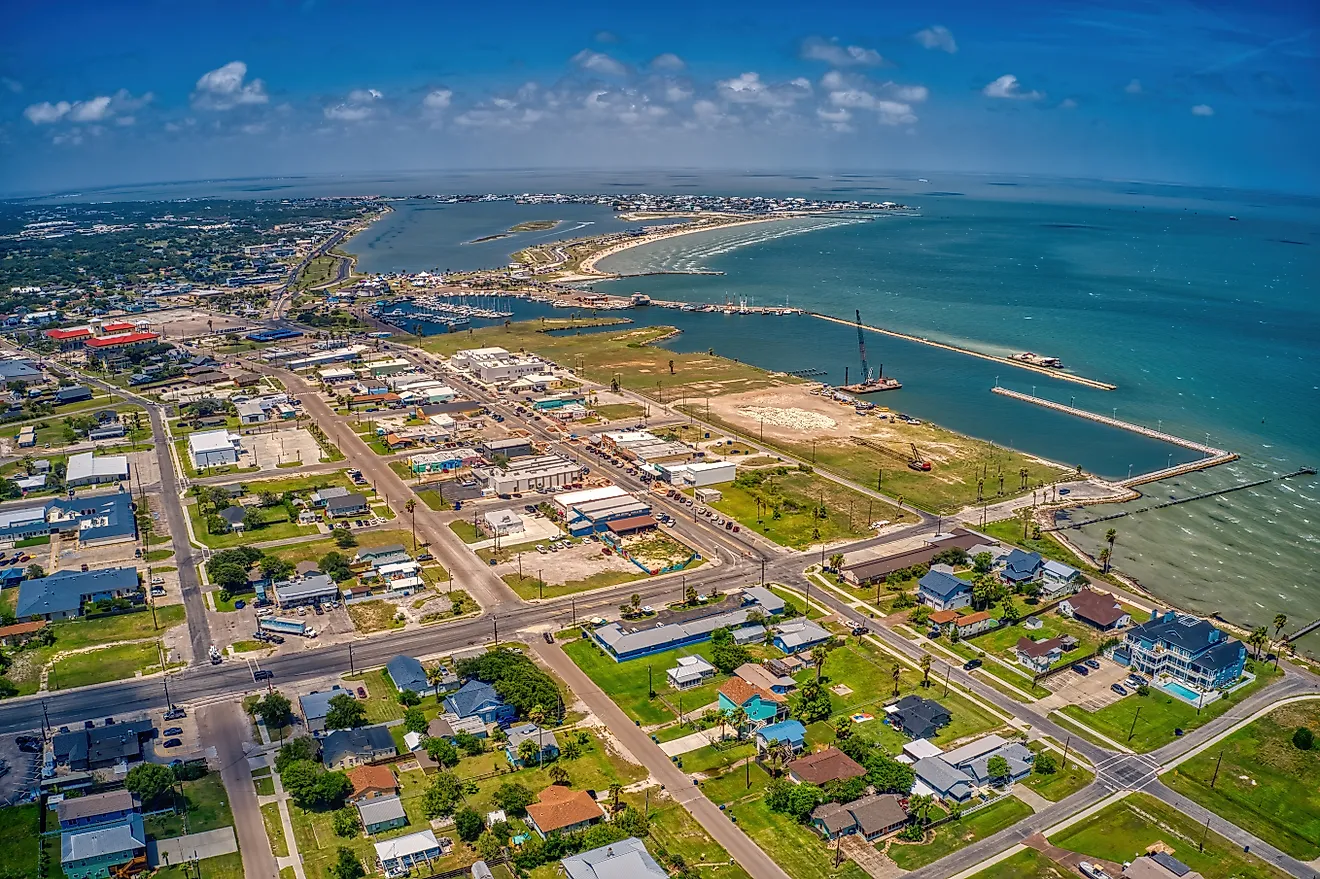
Let us be straight about Destin: it is not cheap. Median home prices run well above the others on this list, and that is the trade you make for quartz sand and a mild January. Florida's lack of a state income tax is the counterweight, and for retirees moving from a high-tax state it is a substantial one.

What you get is a working fishing town that never stopped working. The charter fleet is among the largest in the state, and the daily catch gets weighed at Harborwalk Village in front of an audience. Henderson Beach State Park keeps a mile of protected shoreline and dune trails inside the city limits. Golf courses and bike paths run the length of the beach road. Dewey Destin's serves seafood at picnic tables over the water, order-at-the-window style, and it remains the local answer to where to eat. Hurricane exposure is real here and factored into every insurance quote on the coast.
St. Simons Island, Georgia

Another honest note: St. Simons is expensive, the priciest entry here. Georgia softens it considerably for retirees, exempting Social Security and allowing a sizable retirement-income exclusion after 65, but nobody should arrive expecting a bargain. What the island sells is the live oaks, the marsh, and a pace that has not budged in decades.

The history here is older than most of the South. James Oglethorpe built Fort Frederica in 1736 to defend Georgia, which was the last of the thirteen colonies rather than one of the first, against Spanish Florida. His troops won the Battle of Bloody Marsh on this island in 1742 and settled the question. The fort's tabby ruins are a national monument now, and Christ Church Frederica up the road has held services since 1736. Sea Island cotton money built the plantations that followed. Today the island runs on golf, fishing, and bike paths, and East Beach is wide enough to absorb the grandchildren.
Beaufort, South Carolina

Beaufort was chartered in January 1711, making it the second-oldest city in South Carolina behind Charleston, and it wears about three centuries at once. The historic district is walkable and dense with antebellum houses under live oaks, the John Mark Verdier House dates to 1804, and St. Helena's Anglican Church goes back to the early 1700s.

South Carolina is one of the friendlier states on this list for a fixed income: Social Security is untaxed and there is a substantial deduction on other retirement income after 65. Beaufort holds around 13,600 people on Port Royal Island, with Henry C. Chambers Waterfront Park running along the river downtown and Hunting Island State Park a short drive out for beach and maritime forest. The Water Festival takes over each July. This is the Lowcountry, so budget for humidity in August and for hurricane season generally.
Hendersonville, North Carolina

North Carolina taxes neither Social Security nor Railroad Retirement income, and Hendersonville has been a summer refuge for lowland families since the railroad arrived in the 1870s. Sitting around 2,200 feet in the Blue Ridge, it gets four real seasons without the winters that drive people south in the first place.

Main Street is the selling point, a curving, tree-shaded, deliberately serpentine stretch of shops and restaurants that the town has protected for decades. The mountains nearby are the real ones: DuPont State Recreational Forest holds a run of large waterfalls, Pisgah National Forest starts a few minutes west, and Chimney Rock and the Carl Sandburg Home at Flat Rock are both close. Apple orchards ring the county, which supplies the Apple Festival every Labor Day. Note that Great Smoky Mountains National Park is roughly 60 miles off, not next door.
Abingdon, Virginia

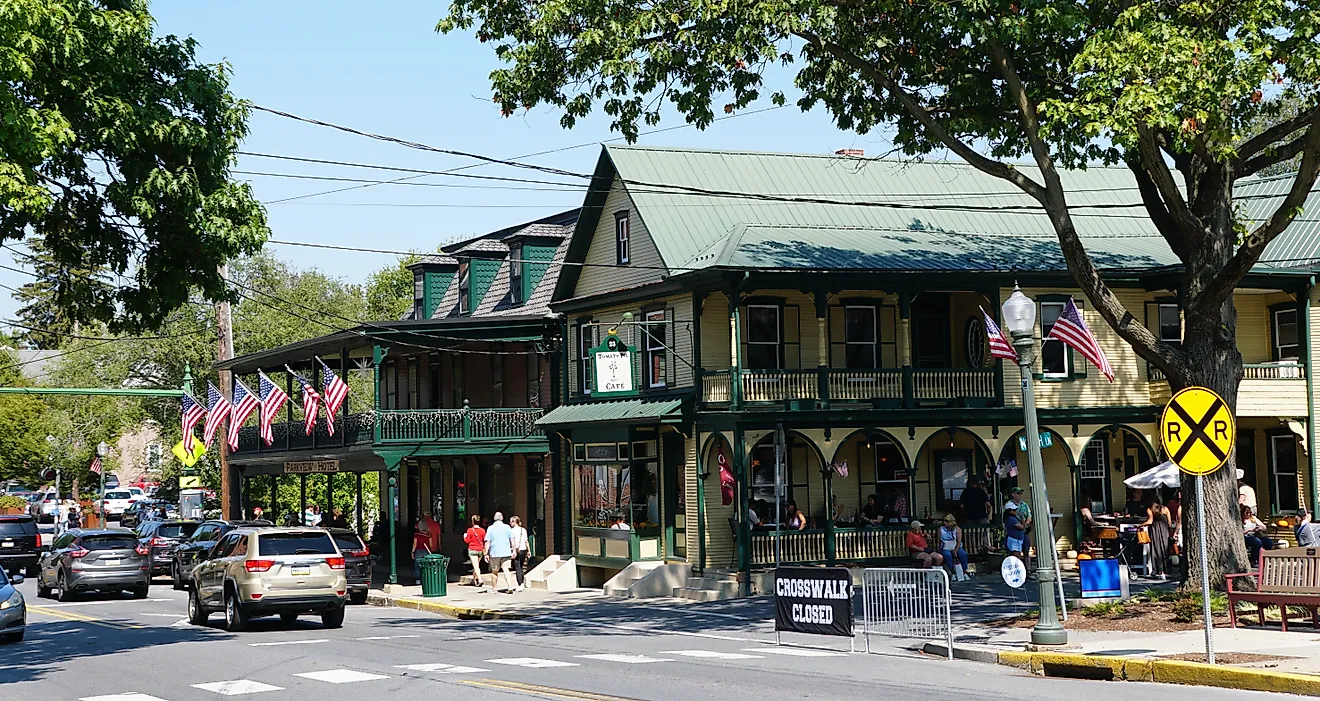
In 1933, an out-of-work actor named Robert Porterfield came home to southwest Virginia with about twenty other unemployed actors and a proposition: local farmers had crops they could not sell, so they could pay for a play in produce. Admission was 40 cents or the equivalent in vegetables, dairy, or livestock, and four out of five patrons paid in goods. Porterfield's slogan was that with vegetables you cannot sell, you can buy a good laugh, and his motto was trading ham for Hamlet. Tennessee Williams and Thornton Wilder both took Virginia hams instead of royalties. George Bernard Shaw, a vegetarian, demanded spinach.
The Barter Theatre is still there on Main Street, designated the State Theatre of Virginia in 1946 and now the longest-running professional theater in the country, staging around twenty productions a year in a town of 8,000. That is an absurd cultural ratio and it is the whole argument for Abingdon. Virginia exempts Social Security and offers an age deduction after 65, the Virginia Creeper Trail runs from town up into the mountains on an old rail bed, and the historic district covers twenty walkable blocks.
Paducah, Kentucky

Around 2000, Paducah looked at a decaying neighborhood of Victorian houses and made working artists an offer: move in and the house can cost as little as a dollar. The Artist Relocation Program worked so thoroughly that UNESCO named Paducah a Creative City of Crafts and Folk Art in November 2013, putting a Kentucky river town of 25,000 on a list with Santa Fe and Cape Town.

That neighborhood is now the LowerTown Arts District, twenty-five blocks of studios and galleries in restored houses, open to the public on Second Saturdays. The National Quilt Museum anchors it with 30,000 square feet of gallery space and a rotating collection of contemporary fiber art that has very little to do with anyone's grandmother. Kentucky does not tax Social Security and Paducah's cost of living sits below the national average. The town holds the confluence of the Ohio and Tennessee rivers, with floodwall murals telling the local history along the waterfront.
Doing The Math
Tax treatment is the lever most retirees underweight. Texas and Florida collect no income tax at all, Mississippi exempts qualified retirement income outright, and every other state here leaves Social Security alone. That difference compounds over a twenty-year retirement in a way no amenity does. After that it is a question of what you want within walking distance. Paducah and Hot Springs stretch a fixed income furthest. Destin and St. Simons cost the most and know it. Abingdon gives a town of 8,000 a professional theater company, Oxford supplies a university's worth of lectures and restaurants, and Natchitoches has been standing since 1714 because a river wandered off and left it alone. Pick the one whose ordinary Tuesday sounds best.