11 Of The Quietest Idaho Towns
In Idaho, quiet often follows rivers. It runs through mountain valleys near the headwaters of the Salmon, traces canyon walls, and persists in former mining towns where growth slowed long ago. Life in these 11 towns tends to revolve around fishing seasons, snowfall, or storms moving across the mountains rather than packed schedules. Here, you'll find communities at the base of the Sawtooth Mountains and settlements near the Panhandle’s lakes and forests, each offering a version of Idaho where open space and quiet come easily.
Stanley

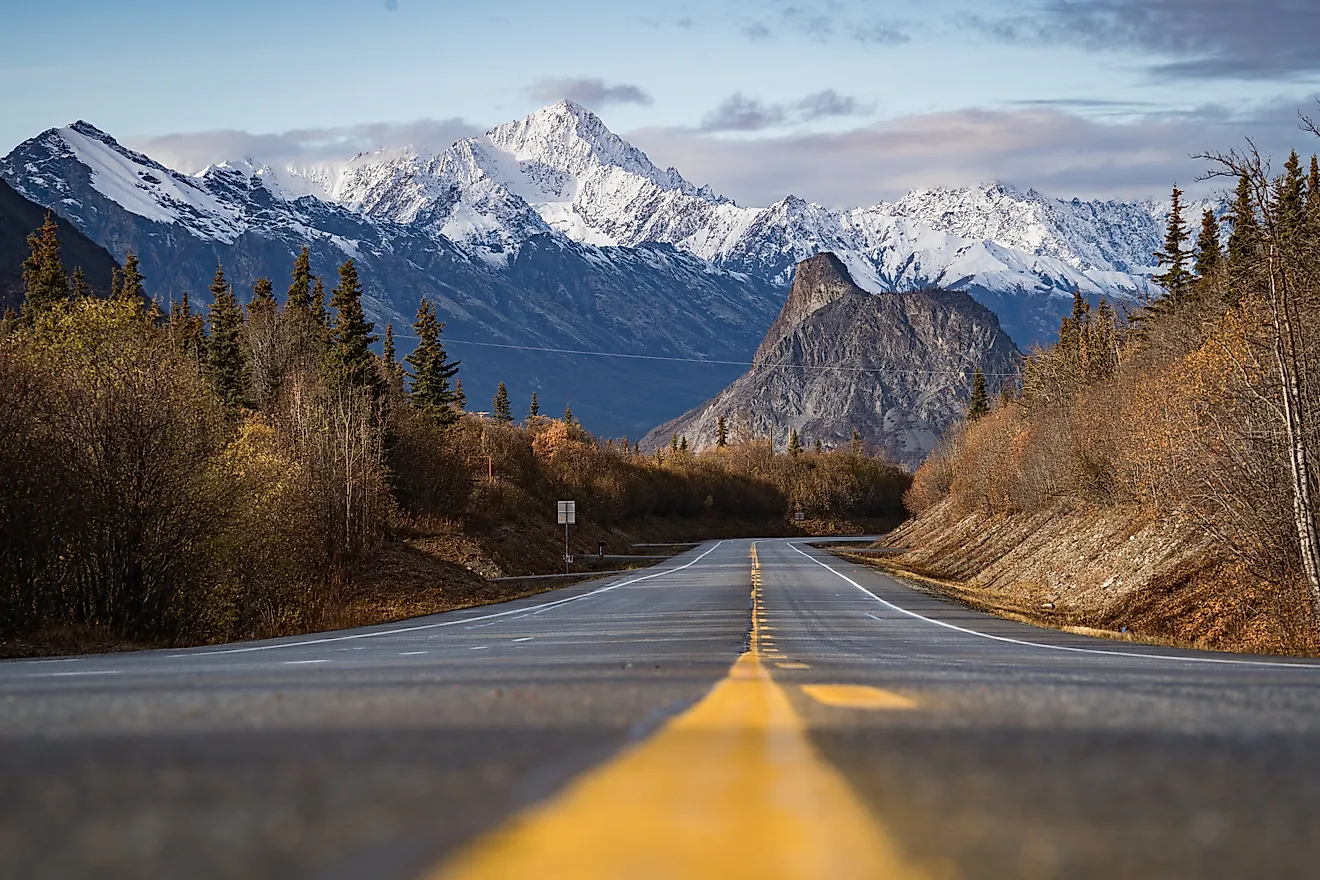
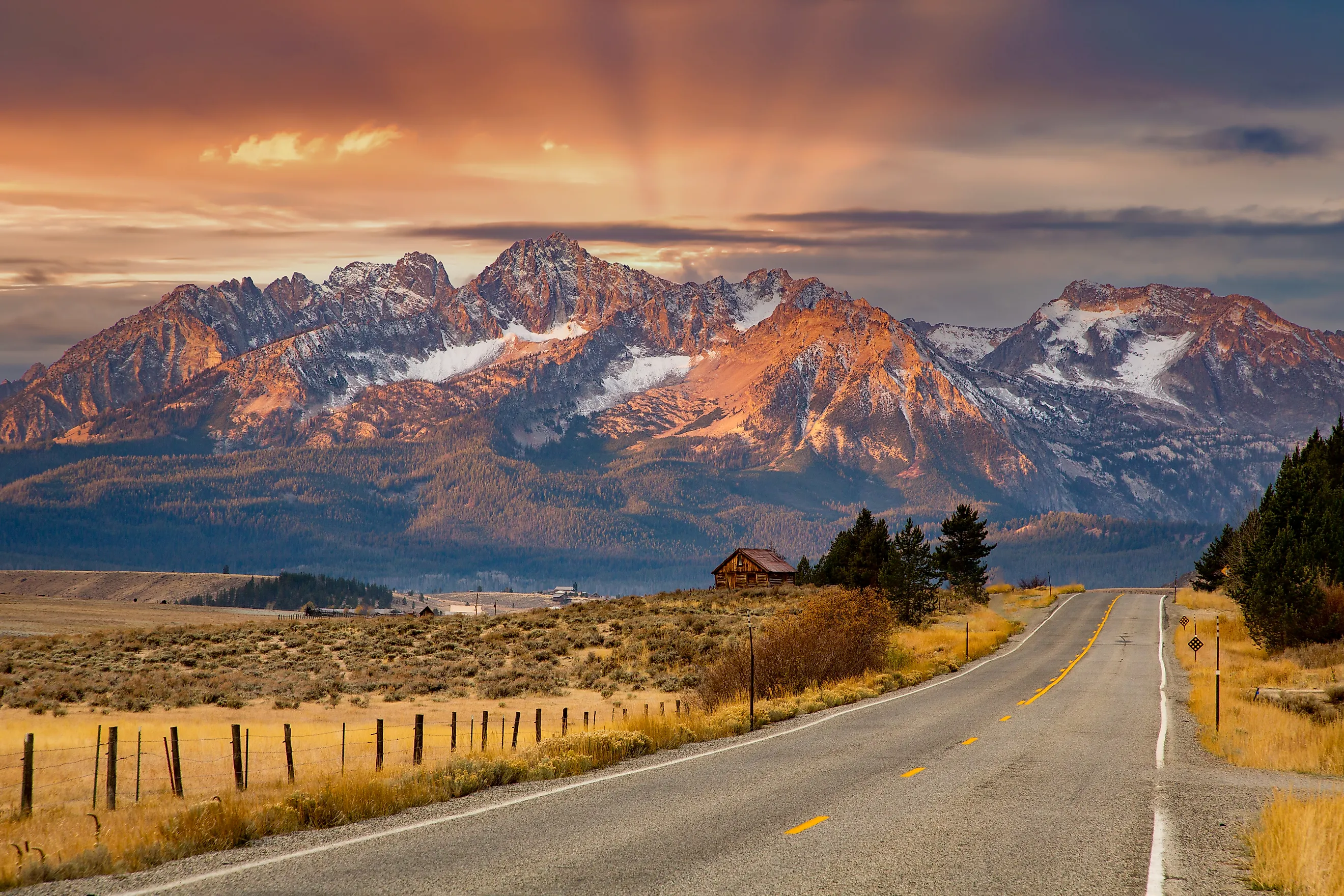
Framed by the sharp granite peaks of the Sawtooths, Stanley sits near the headwaters of the Salmon River and remains one of Idaho’s best-known mountain outposts. Summer mornings often begin with anglers heading toward river access points before sunrise or hikers driving toward trailheads around Redfish Lake and Petit Lake. Within the Sawtooth National Recreation Area, trails lead toward alpine lakes such as Alice Lake and Sawtooth Lake, while rafting outfitters organize float trips through sections of the upper Salmon River. Stanley’s location inside the Central Idaho Dark Sky Reserve becomes especially noticeable after sunset. On clear nights, the Milky Way is visible above the valley with little artificial light interruption.
Wallace

Wallace remains one of the most distinctive small towns in Idaho, partly because the entire town of Historic Wallace is listed on the National Register of Historic Places. Underground tours at the Sierra Silver Mine lead visitors beneath Wallace through tunnels once traversed by mule-drawn ore carts during the region’s silver boom. Cyclists and hikers often base themselves in Wallace before riding the nearby Route of the Hiawatha, a rail trail known for long mountain tunnels, elevated trestles, and sweeping forest views along the Idaho-Montana border. The Northern Pacific Railroad Depot Museum preserves another layer of local history through exhibits on regional rail travel and mining communities. Even during summer, Wallace quiets noticeably once day-trippers move on for the evening.
Bonners Ferry

Near the Canadian border, Bonners Ferry sits beside broad wetlands and the winding Kootenai River. The Kootenai National Wildlife Refuge attracts tundra swans, bald eagles, moose, and migrating waterfowl throughout the year, with quiet driving loops and walking trails cutting through marshes beneath the Selkirk Mountains. Fishing boats and kayaks are common along calmer sections of the river during warmer months. Downtown Bonners Ferry is centered around local businesses and the restored Pearl Theater, a converted church building that now hosts folk concerts, dramatic readings, yoga classes, fly-fishing film screenings, and community events.
Priest River

Forested hills, waterways, and lake traffic shape daily life in Priest River, a small community in Idaho’s northern Panhandle. The town provides access to nearby Priest Lake, whose clear water and wooded shoreline support boating, paddleboarding, and fishing throughout summer. At the Priest River Museum, exhibits document the region’s logging history, railroad development, and early homesteading communities. Scenic drives along the International Selkirk Loop pass rivers, mountains, and small lake communities with surprisingly little traffic compared to larger western recreation areas.
Salmon

Set directly beside the Salmon River, Salmon functions as both a ranching town and one of Idaho’s primary gateways to backcountry rafting. Outfitters launch multiday expeditions into the Frank Church-River of No Return Wilderness, where steep canyon walls and isolated beaches define one of the country’s largest wilderness areas at 2.3 million acres. The Sacajawea Interpretive, Cultural & Educational Center explores Indigenous history, the Lewis and Clark expedition, and Sacagawea’s connection to the region through exhibits and walking paths overlooking the river valley. South of town, the hike to Goldbug Hot Springs climbs steadily above the canyon before arriving at steaming pools built into rocky terraces.
Driggs

On Idaho’s quieter side of the Tetons, Driggs sits in a broad agricultural valley where grain silos, hay fields, and open pastureland stretch beneath views of the mountain range. The town serves as a primary access point for Grand Targhee Resort, whose western slopes draw skiers in winter and mountain bikers onto trails like Rick’s Basin and Colter’s Escape during summer. Downtown Driggs centers around a compact stretch of storefronts that includes places like Rise Coffee House and locally owned breweries. On Friday mornings in summer, the Teton Valley Farmers Market fills Driggs Plaza with produce stands, food trucks, live bluegrass, and vendors selling huckleberry jam.
Idaho City

Northeast of Boise, Idaho City maintains much of its Gold Rush-era layout, including wooden storefronts and historic buildings that outlasted the mining boom. The Boise Basin Museum displays mining tools, photographs, newspaper archives, and household objects tied to the settlement’s 19th-century growth. Beyond town, the Ponderosa Pine Scenic Byway winds through dense forest, mountain streams, and old mining districts. Nearby hot springs, including The Springs in Idaho City, draw visitors year-round for geothermal soaking pools surrounded by pine forest. Even with occasional tourism from Boise, the town stays quieter than many western mountain destinations, especially during snowy winter months.
Hope

Hope occupies a narrow stretch of shoreline along Lake Pend Oreille, Idaho’s largest lake and one of the deepest in the United States. Small marinas and boat docks line portions of the waterfront, where anglers head onto the lake early for kokanee salmon and trout fishing while kayakers paddle along quieter coves near shore. Just outside town, Sam Owen Campground includes lakeside campsites, swimming areas, picnic spots, and short forested trails where deer, osprey, and waterfowl are regularly spotted. Scenic drives along nearby stretches of Highway 200 reveal long lake views backed by the Cabinet Mountains, especially during early morning when fog still hangs above the water.
McCall

Long stretches of public shoreline and dense pine forest keep McCall closely tied to Payette Lake. In summer, Legacy Park fills with swimmers launching paddleboards and families gathering near the lakefront beach, while nearby Mile High Marina rents pontoon boats, jet skis, and kayaks for exploring the wider lake. Since McCall is a resort town, on peak weekends, visitors can find additional quiet with a nature hike. Trails inside Ponderosa State Park climb toward overlooks such as Osprey Point, where the lake and surrounding mountains are visible through breaks in the trees. Winter brings the McCall Winter Carnival, when large snow sculptures appear throughout downtown and along the lakefront.
Riggins

Few Idaho towns feel more shaped by river canyons than Riggins, where the Little Salmon meets the Salmon beneath steep, dry slopes in western Idaho. Rafting outfitters launch multiday trips from town into the River of No Return wilderness, while regional jet boat tours explore remote canyon country that cannot easily be reached by road. During steelhead season, anglers gather along gravel pullouts and riverbanks before sunrise, especially near calmer stretches of the Salmon River outside town. By evening, most of the sound in Riggins comes from the river itself.
Shoshone

Long freight trains, irrigation pivots, and dark volcanic rock define the landscape around Shoshone at the edge of southern Idaho’s lava country. Just north of town, visitors can descend nearly 100 feet below ground inside the Shoshone Ice Caves, lava tubes formed thousands of years ago that still contain thick ice even during summer heat. Note, however, that the cave was closed for walkway maintenance in 2026, so inquire directly about closings before you go. West of town, Mammoth Cave cuts through another section of ancient lava flow, with uneven volcanic floors, echoing chambers, and rough black basalt walls formed by moving magma. The Bird Museum of Natural History displays taxidermy birds and wildlife specimens collected from across Idaho and the American West, adding another unusual stop in southern Idaho’s lava country. Grain silos, weathered brick storefronts, and long stretches of open desert contribute to Shoshone’s decidedly peaceful atmosphere.
Take a Walk on the Quiet Side of Idaho
In places like Stanley, Salmon, and Riggins, rivers still determine fishing seasons, rafting schedules, and the routes people travel through mountain valleys. Elsewhere, mining history, lava fields, alpine lakes, and long stretches of open road shape towns that remain noticeably quieter than many western recreation hubs. Together, these communities reflect an Idaho where open skies, uncrowded trails, and the sound of rushing water remain part of everyday life.