11 Most Welcoming Towns In South Carolina's Countryside
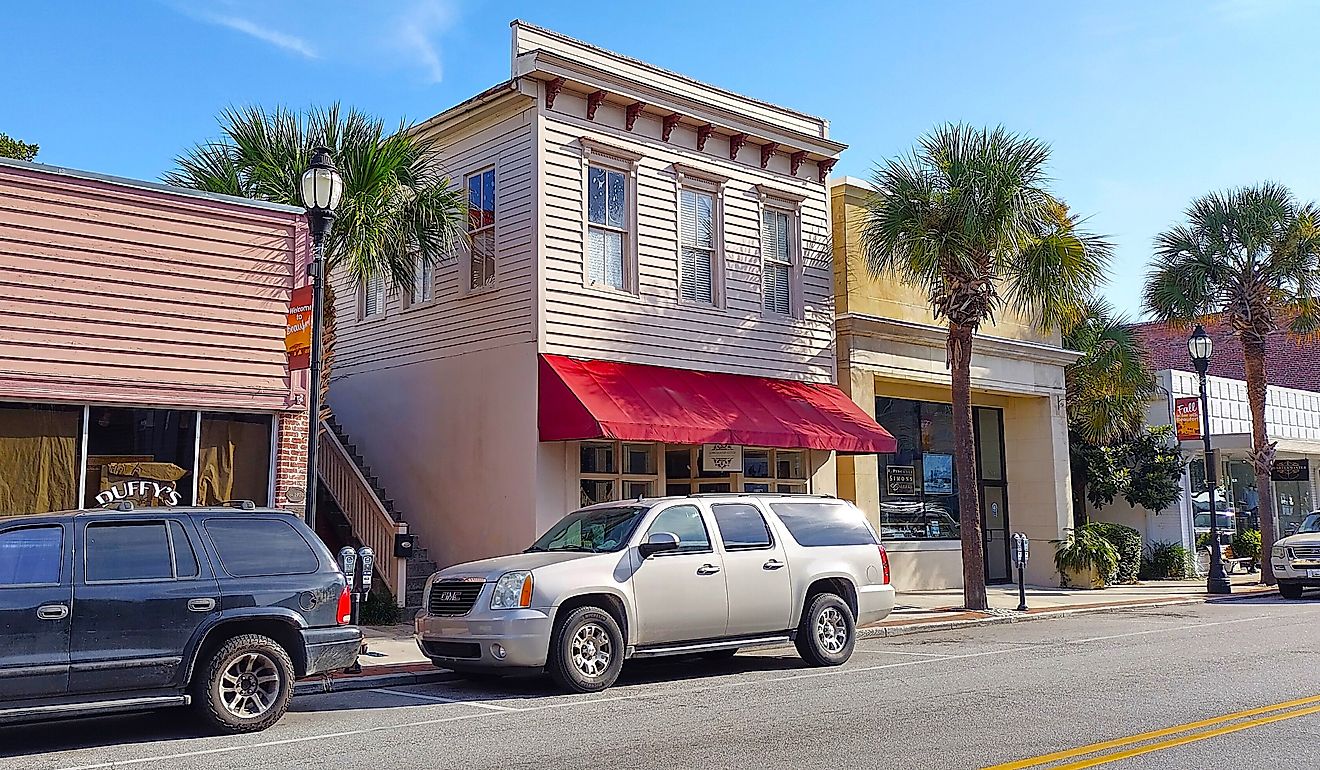
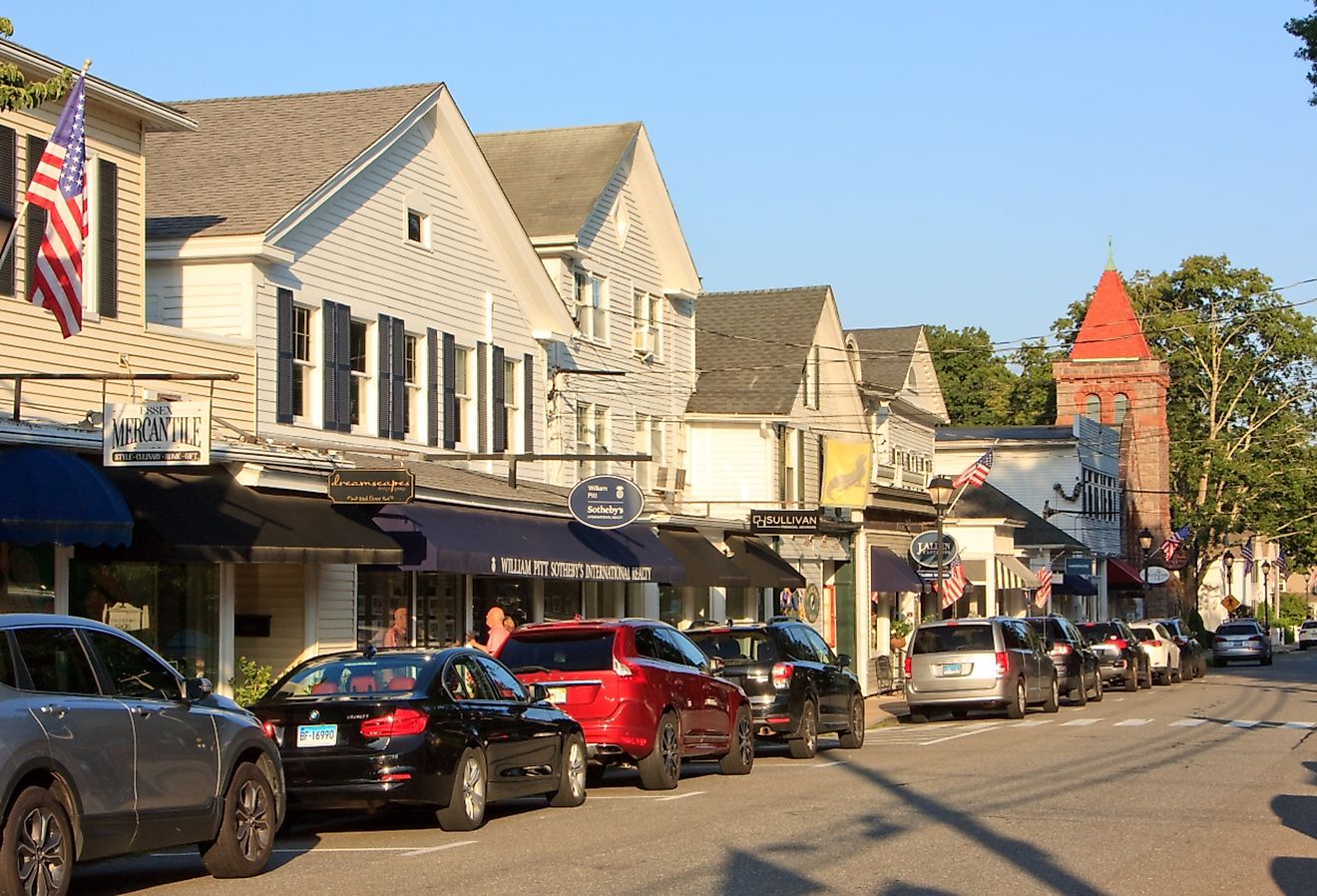
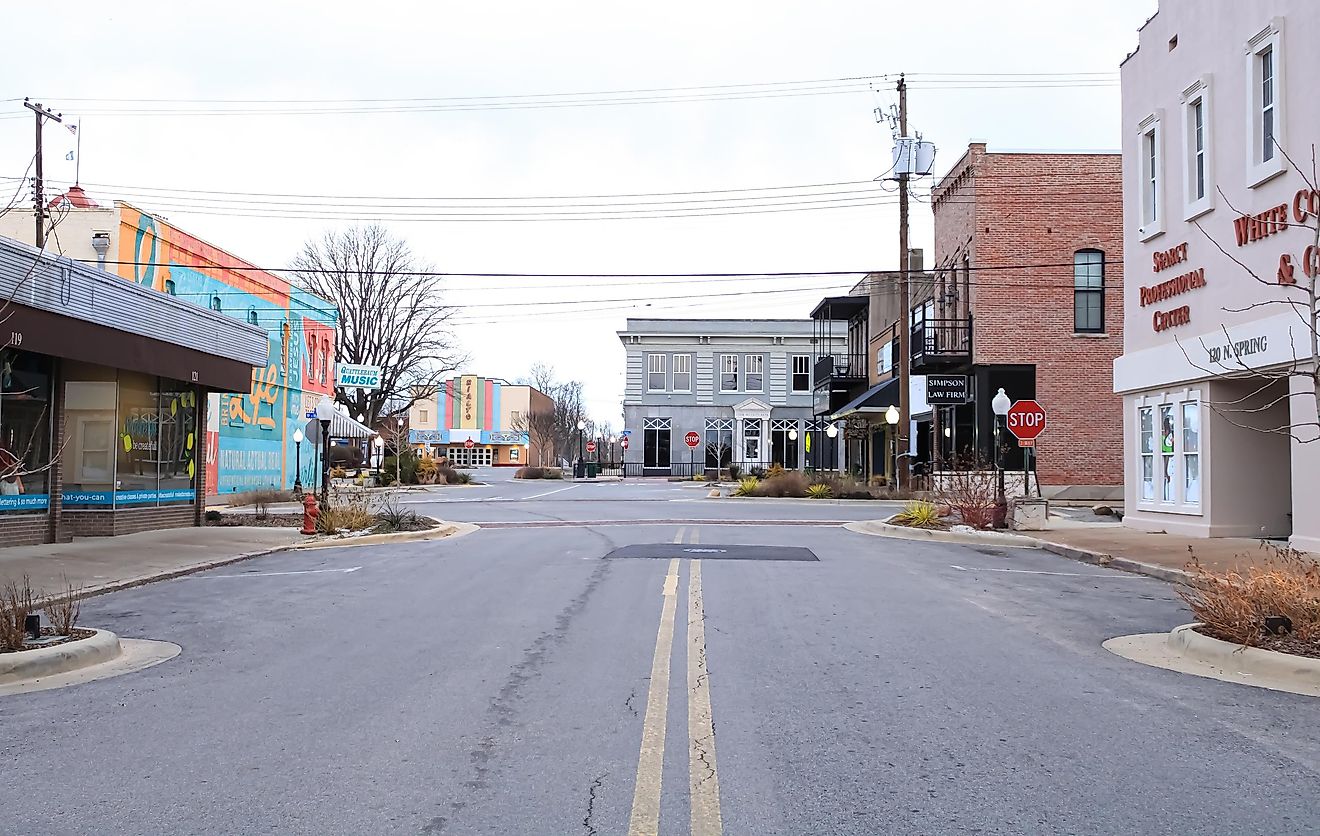
In South Carolina's countryside, strangers get waved at on sight and introduced later. The eleven towns below take hospitality seriously and almost nothing else seriously at all. Cheraw gave the world Dizzy Gillespie and mentions it with a shrug. Walhalla, named for Valhalla, throws an Oktoberfest, and Newberry throws another. Several of these towns keep working opera houses with real velvet curtains, which is a bold commitment at this size. Expect shrimp boats, steeplechases, barbecue festivals, and at least one aunt judging the cobbler table. Walk down any of these main streets and someone waves first.
Abbeville

Saturday in Abbeville starts on the square. It opens with coffee, courthouse talk, and a wave from someone who may have gone to school with your aunt. The 1908 Opera House still runs comedies, dramas, and musicals on its original rope rigging, the last working hemp house left in the state. A few blocks over, The Rough House has been slinging hot dogs and milkshakes long enough to have heard every secret in town. When the Hogs and Hens BBQ Festival rolls in, the whole downtown fills with smoke and very serious opinions about ribs. The Burt-Stark Mansion is where Jefferson Davis held his last council of war in 1865, a heavy chapter delivered behind excellent wallpaper. For a quieter afternoon, Parsons Mountain Recreation Area offers wooded paths and a small lake. Abbeville is friendly, specific, and refreshingly unvarnished.
Aiken

Aiken made its name as South Carolina's winter colony for horse people, the kind who once arrived with trunks, dogs, and strong opinions about stables. It still carries that gracious posture, but it will happily get dust on its boots. Start in Hitchcock Woods, where sandy paths run beneath longleaf pines and a horse occasionally passes as if late for lunch. The Aiken Thoroughbred Racing Hall of Fame tidies the city's equine obsession into exhibits even non-riders enjoy. Banksia tells local history through period rooms and neighborhood stories. Every September, Aiken's Makin' floods Park Avenue with crafts, food, and the civic chaos of people carrying kettle corn. The Willcox finishes the visit with a heritage-hotel porch, dining room, and bar.
Camden

Camden waves first and sorts out the introductions later, which is an efficient system. Its horse-country polish comes with mud on the boots, and Broad Street still feels built for people who know who bakes well. Come spring, the Carolina Cup brings steeplechase fans, hats, and tailgates to Springdale Race Course. The Historic Camden Revolutionary War Site sharpens the 18th century with reconstructed buildings, battle stories, and enough pine shade to keep the past from getting bossy. Books on Broad handles the browsing and the coffee. Sam Kendall's handles lunch and dinner with relaxed Southern fare in the middle of town. When the day calls for water and cypress, Goodale State Park offers quiet paddling and footpaths that keep their gossip to themselves.
Cheraw

Dizzy Gillespie was born in Cheraw, and this Pee Dee town mentions it without shouting. Each October, the South Carolina Jazz Festival fills the streets with live performances in his honor. Dizzy Gillespie Homesite Park marks his childhood ground with public art and a grin built into the visit. The Southern African American Heritage Center carries the region's stories forward through rooted exhibits. Out at Cheraw State Park, cypress-edged Lake Juniper, walking routes, and a golf course make your inbox feel very far away. The River's Edge serves an easy meal near the water before you go. Cheraw leads with manners and lets the trumpet come second.
Edgefield

Edgefield sits about 25 miles north of Augusta, in peach-and-pine country where South Carolina starts speaking a little slower. A period home in town opens its rooms and gardens to tell the community's political and domestic story. When fall arrives, the Edgefield Heritage Jubilee fills the square with music, food, and an aunt who is absolutely evaluating the cobbler table. Slade Lake offers water, woods, and enough quiet to make your phone feel mildly embarrassed. On the way out, Carolina Moon Distillery pours locally made spirits if the afternoon needs punctuation.
Georgetown

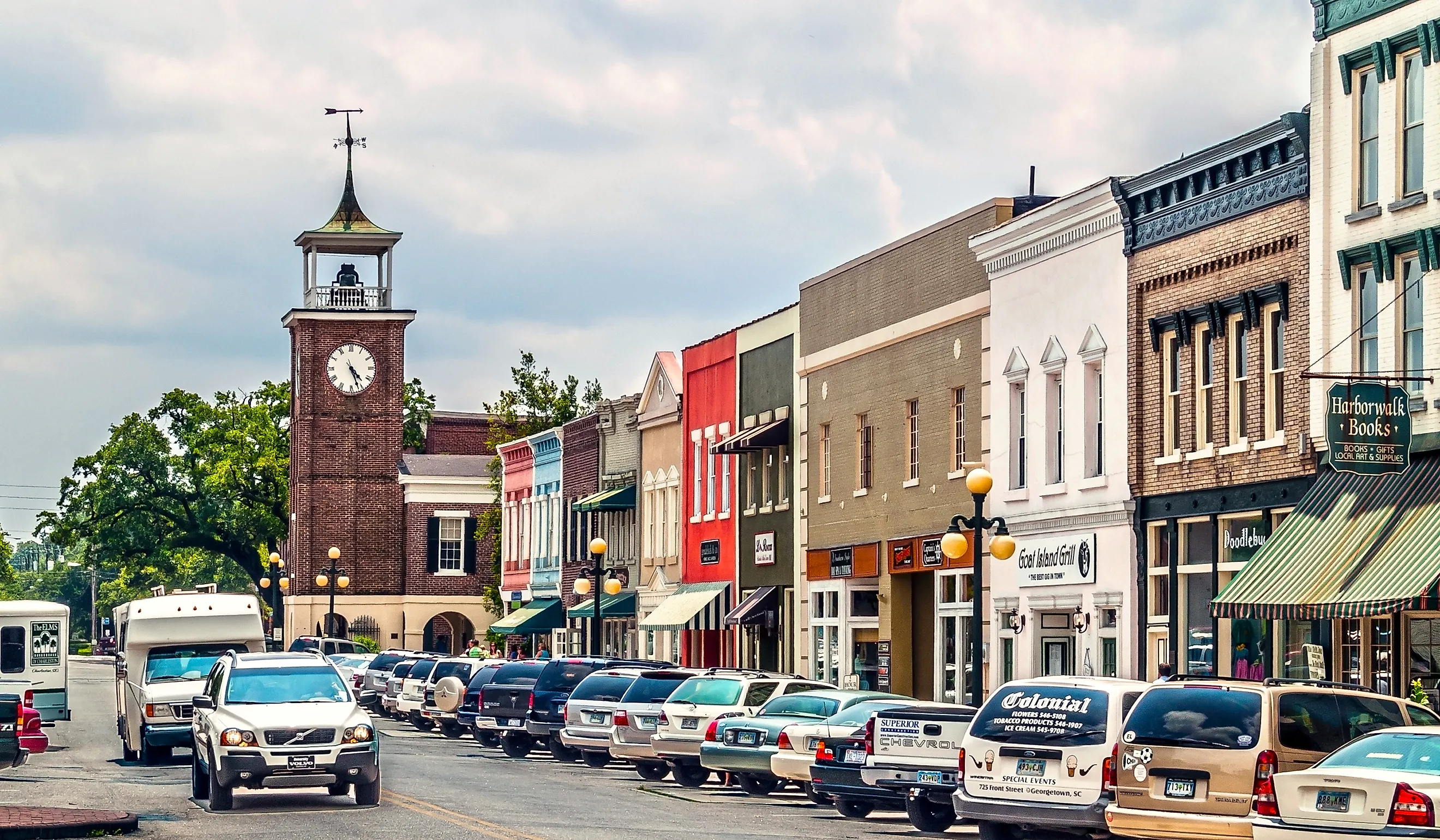
Georgetown is South Carolina's third-oldest city, grown wealthy on rice and river trade, and its waterfront still looks ready to give directions involving a shrimp boat and a man named Earl. Each October, the Wooden Boat Show draws handcrafted boats and waterfront crowds to Front Street. The South Carolina Maritime Museum keeps the harbor's history close with ship models and Winyah Bay lore. The Kaminski House opens a gracious 18th-century home to stories of tea tables and families who handled the humidity in formal clothes. Just outside town, Hobcaw Barony spreads across 16,000 acres of salt marsh and longleaf pine on the former Baruch estate. Back downtown, Aunny's Country Kitchen serves Lowcountry comfort food without making a production of it.
Hartsville

Hartsville sits near Black Creek, where the air smells of pine needles and damp leaves, and its center keeps a classic small-city Main Street. Kalmia Gardens is the leafy showpiece, with bluff paths, cypress knees, and azaleas behaving like a floral committee. The Hartsville Museum gathers Coker family material and area artifacts in a former post office. The Black Creek Arts Council runs a year-round calendar of exhibits and classes. When the weather calls for slides over galleries, Neptune Island Waterpark brings cabanas and splash time in season. The Rooster One Thirty Six handles the coffee, because even friendly towns run on caffeine.
McClellanville

McClellanville built its name as a shrimping village beside the Francis Marion National Forest, the sort of place where the working boats are more famous than the people. T.W. Graham and Co. is the seafood stop for shrimp and crab cakes, best met with an appetite and a flexible attitude toward napkins. The Lowcountry Shrimp Festival and Blessing of the Fleet gathers boats, music, and a community blessing along the waterfront. Cape Romain National Wildlife Refuge spreads beyond town across beaches, marshes, and barrier islands, most of it reached by boat. Hampton Plantation State Historic Site tells rice-plantation stories beneath enormous live oaks. The village museum fills in the rest: fishing, shrimping, and Hurricane Hugo. It is small, but it is not sleepy.
Newberry

After rain, Newberry's brick storefronts glow and the courthouse square goes quiet enough to hear the church bells. The Newberry Opera House is the showpiece, all red brick and restored velvet, with concerts that make a small city feel pleasantly overdressed. A few blocks of wandering lead to Figaro the Dining Room, where a former bank becomes dinner. Each fall, Newberry Oktoberfest fills the old downtown with German food, music, vendors, and happy crowds. Wells Japanese Garden offers a quieter heritage stop near the main blocks. Lynch's Woods Park gives walkers and cyclists piney trails minutes from the courthouse. Newberry is friendly without fuss.
Pendleton

Pendleton's square smells faintly of boxwoods and coffee, its brick storefronts catching the afternoon sun as if they know the effect. Every April, the Pendleton Spring Jubilee brings artists, food vendors, and cheerful crowds to the Village Green. The Mercantile on the square is built for old-fashioned browsing, the kind that sends you home with a gift, a snack, and no clear explanation. Just outside the village, the Ashtabula and Woodburn historic houses interpret 19th-century Upcountry history, the latter with broad porches made for unhurried looking. Back in the village, 1826 Bistro serves a polished dinner without buttoning the town to the chin.
Walhalla

German immigrants founded Walhalla in 1850 and named it for Valhalla, then built a main street that stays cheerfully practical. The welcome here tends to include directions, a weather report, and somebody's cousin's casserole opinion. Stumphouse Tunnel is a cool, unfinished railroad passage with a backstory as stubborn as wet concrete. Nearby, Issaqueena Falls turns a short walk into a mossy payoff. Come fall, Walhalla Oktoberfest brings bratwurst, music, and brave polka confidence to town. The Museum of the Cherokee in South Carolina gives the area's deeper past its due. Mountain Mocha pours the coffee for a soft landing after all that wandering.
Where Strangers Become Cousins
What holds these towns together has little to do with historic markers or festival schedules, though both run in good supply. It is the wave from the porch before you have explained why you are on that street. It is the neighbor who gives directions using landmarks that assume you already belong. South Carolina's smaller places treat strangers less like visitors and more like people who simply have not been introduced yet. That gap tends to close faster than you would expect.