11 Best Small Towns In The Adirondack Mountains For A Crowd-Free Summer
The Adirondacks rank among the most popular summer destinations in the country, drawing millions of visitors a year to a park larger than Yellowstone, Yosemite, Grand Canyon, and Glacier combined. Yet six million acres of protected wilderness leave plenty of room to escape the crowds, especially in the Adirondacks' smaller mountain towns. Whether it's paddling Long Lake, riding a rail bike in North Creek, or wandering the nineteenth-century streets of Essex, each community offers a different way to experience the mountains at an unhurried pace. These eleven towns show why the Adirondacks remain one of New York's favorite warm-weather retreats.
Saranac Lake

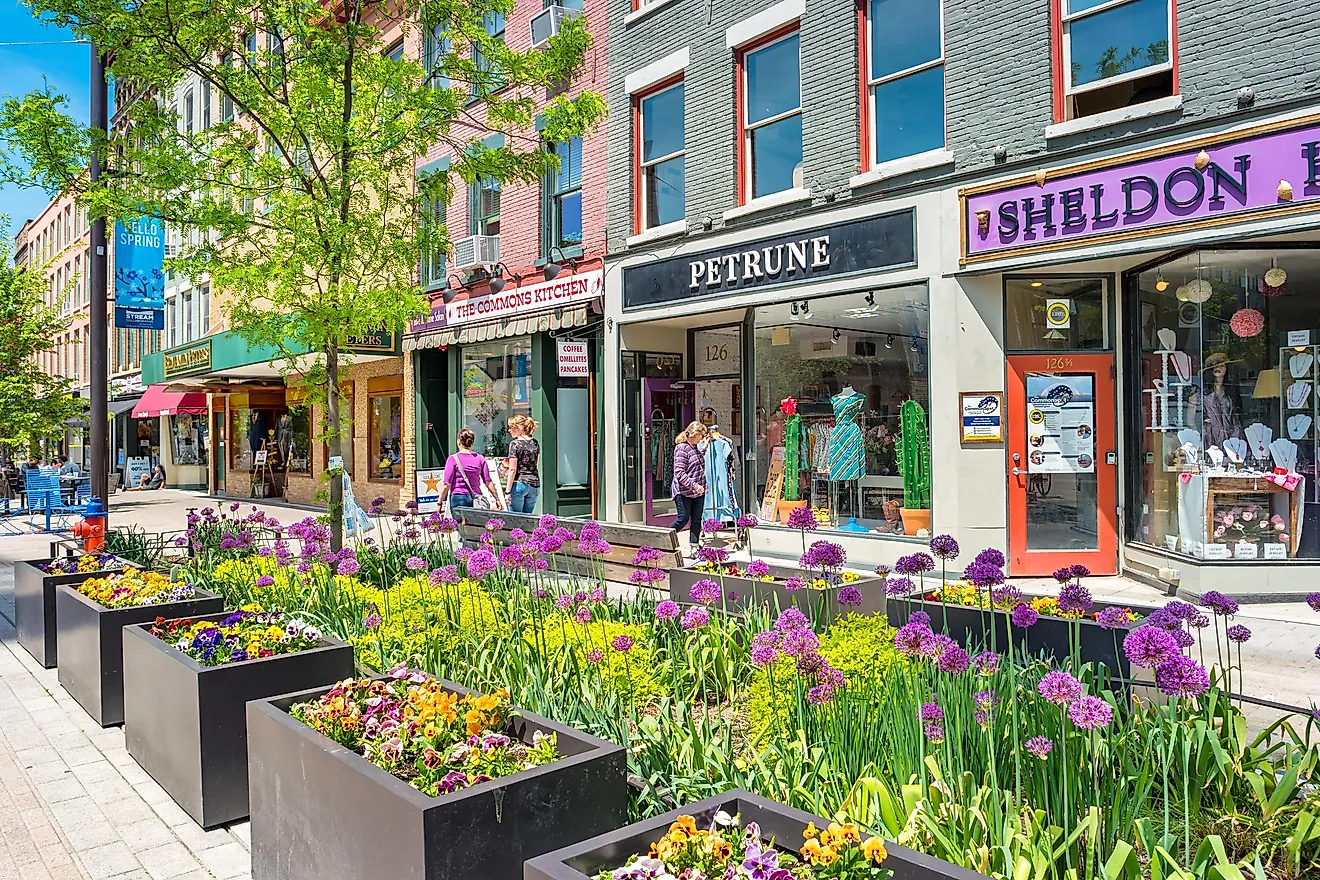
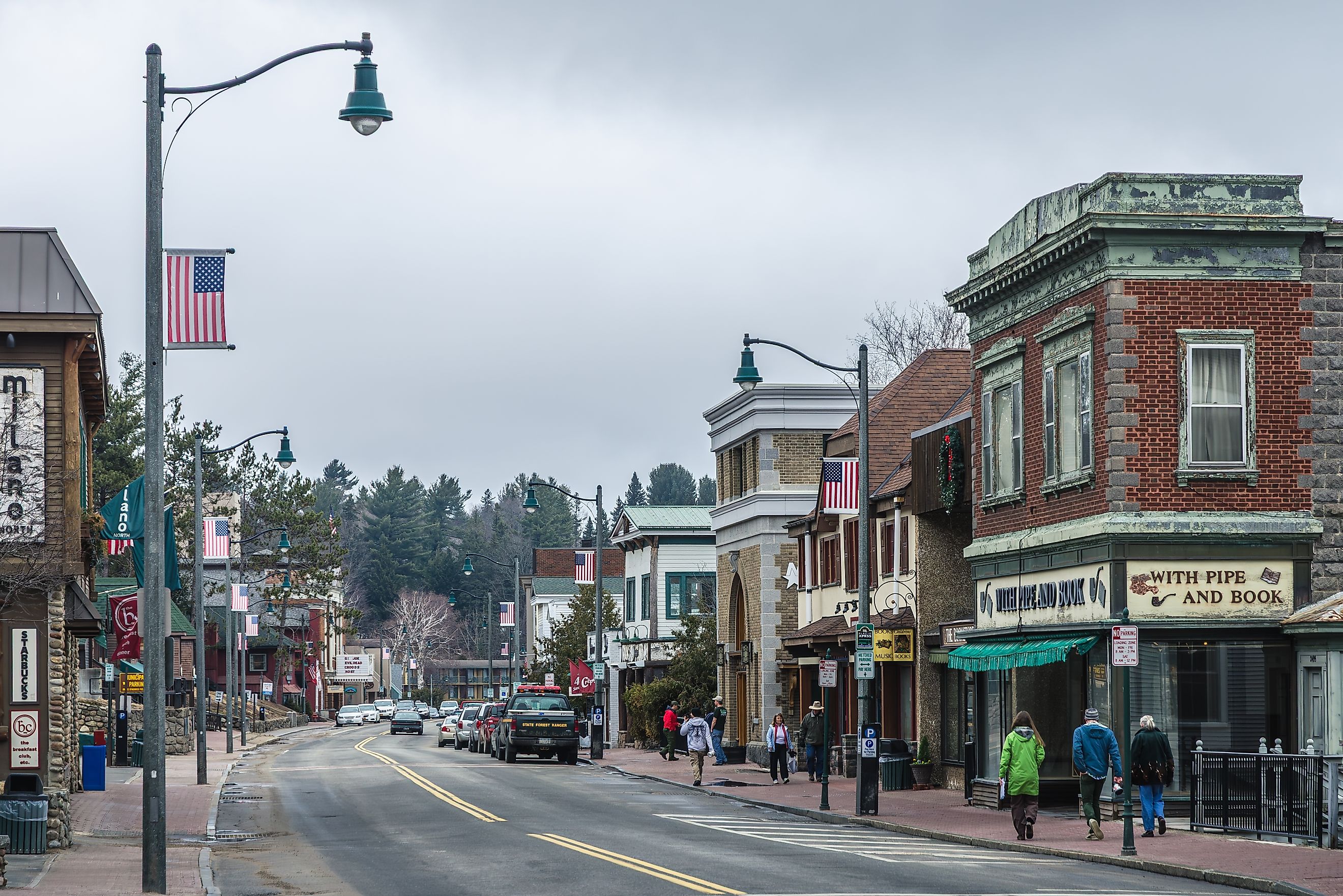
Saranac Lake's visitors and summer residents have included Mark Twain, Winslow Homer, Jack Dempsey, Sylvia Plath, Albert Einstein, Somerset Maugham, and even several presidents. First gaining fame in the late nineteenth century as a health resort for tuberculosis patients seeking the restorative mountain air, the village easily transitioned into a vacation retreat. Today, a lively downtown overlooks Lake Flower, where handsome historic buildings house cafés, galleries, bookstores, and outfitters gathered around the stately Hotel Saranac. Peek inside to see its 1920s grandeur, then visit the Saranac Laboratory Museum, which tells the story of Dr. Edward Livingston Trudeau and the village's surprising role in medical history.
The walkable downtown also features the unique Adirondack Carousel, whose hand-carved animals celebrate the wildlife and folklore of the mountains, while the nearby Loon Center introduces visitors to one of the Adirondacks' most beloved birds through exhibits and guided paddling experiences.
Long Lake

Deep in the central Adirondacks, Long Lake stretches for nearly 14 miles and serves as the centerpiece of one of the region's most scenic wilderness communities. Wake up at the historic Adirondack Hotel, which has welcomed guests since the 1850s and remains one of the best places in town to enjoy lake views from its broad porch. The town also serves as an excellent base for exploring some of the Adirondacks' most celebrated attractions. Spend a morning at Great Camp Sagamore, the 27-building wilderness retreat once owned by the Vanderbilt family, where hand-hewn log structures showcase the architecture of the Adirondack Great Camps.
Nearby, Adirondack Experience, the Museum on Blue Mountain Lake, spans a 121-acre campus with historic buildings, boats, artwork, and exhibits devoted to guides, loggers, and vacationers who shaped life in the mountains. For a classic Adirondack hike, head to nearby Owls Head Mountain, where a restored 35-foot fire tower crowns the 2,786-foot summit and offers sweeping views of Long Lake and the surrounding wilderness.
Blue Mountain Lake

Blue Mountain Lake was developed as one of the Adirondacks' earliest vacation destinations in the late nineteenth century, when wealthy visitors arrived by steamboat and stagecoach seeking cool mountain air and wilderness scenery. Today, the tiny downtown area along Route 28 remains low-key, with rustic lodges, gift shops, cafés, and outfitters set beneath towering pines. The hamlet's Great Camps tradition is still evident at The Hedges, a lakeside retreat whose rustic architecture, broad porches, and waterfront setting recall the Gilded Age summers of wealthy families who escaped city life for the mountains. Prospect Point offers magnificent views of the lake's islands and wooded shoreline, while adventurous visitors can hike Castle Rock or the slopes of Blue Mountain itself for even grander vistas.
Art lovers should make time for the Adirondack Lakes Center for the Arts, which hosts concerts, theater productions, exhibitions, and community events throughout the summer, giving this tiny hamlet a year-round cultural life. The center also sponsors the No-Octane Regatta each summer, when homemade boats powered by paddles, sails, and pure ingenuity compete on the lake in one of the Adirondacks' most beloved traditions.
Keene Valley

The Ausable River tumbles through Keene Valley beside white churches, historic homes, and a cozy village center shaded by towering maples, earning it a place among the most beautiful towns in the Adirondacks. At the gateway to the High Peaks Wilderness, trailheads lead from town to some of the tallest mountains east of the Rockies, including Mount Marcy, New York's highest. Join adventurers for breakfast at the beloved Noon Mark Diner, where hikers and locals gather beneath photographs of the surrounding peaks before heading out to the trails.
But visitors don't need to climb a mountain to appreciate Keene Valley. Take a gentle walk to Roaring Brook Falls to watch the nearly 300-foot cascade plunge through thick forest. One can also browse The Mountaineer, one of the Northeast's premier outdoor shops. A few minutes outside town is Chapel Pond, where sheer cliffs rise dramatically beside a mirror-like lake, and visitors can often watch climbers scaling the famous Beer Walls, whose routes bear names such as Frosted Mug and Seven Ounces.
Inlet

On the shores of Fourth Lake along the Fulton Chain of Lakes, Inlet has welcomed summer visitors since the late nineteenth century, and is now a great outdoor retreat. Many visitors lounge the day away at beloved Arrowhead Park, where a sandy beach, picnic areas, and summer concerts overlook the sparkling waters of Fourth Lake.
If you feel guilty doing much of nothing, spend an hour strolling the galleries of View Arts Center nearby, whose exhibits, performances, workshops, and community events have made it one of the Adirondacks' leading cultural institutions. For the more adventurous, a short drive takes you to Bald Mountain, officially known as Rondaxe Mountain, which rises roughly 2,350 feet and wears a historic fire tower on its summit, where views stretch across Fourth Lake and the Fulton Chain.
In the evening, no place captures Inlet's history quite like The Woods Inn. Built in 1894, it's one of the region's premier stays. Today, visitors still gather on its broad porch and lakeside lawn to watch boats drift across Fourth Lake. Treat yourself to dinner in one of the Inn's fine restaurants, then move outside to watch campfires begin to glow along the far shoreline beneath star-filled skies.
Speculator

Founded in the late nineteenth century as a logging and guiding community, Speculator later blossomed into a summer destination retreat. Its small downtown along Route 30 contains cafés, outfitters, and gift shops, all within easy walking distance of Lake Pleasant. The town's greatest attraction is the lake itself. Stop by Charlie Johns Store, in business since 1939, for a made-to-order sandwich before launching a boat from the marina or renting a kayak to explore the surrounding quiet coves and pine forests. Nearby, Moffitt Beach State Campground offers coveted waterfront campsites and is considered one of the Adirondacks' most scenic campgrounds. Its popular CampStore! has earned something of a cult following among Adirondack campers and offers the nostalgia of the classic American camp store experience, with shelves of fishing tackle, camp supplies, and ice cream.
And don't miss one of Speculator's most unusual attractions: Mini Route 66, a whimsical miniature village set behind the Speculator Pavilion across from the public beach. Tiny buildings include a church, gas station, barber shop, schoolhouse, post office, general store, and ice cream parlor, all lovingly crafted with nostalgic details that delight children and adults alike.
North Creek

Beside the Hudson River in the southeastern Adirondacks, North Creek grew as a transportation hub in the nineteenth century and later entered the history books when Theodore Roosevelt learned here that he had become president following the assassination of William McKinley. Today, the old railroad town offers a quieter side of the Adirondacks, with a compact Main Street of cafés, galleries, and locally owned shops overlooking the Hudson. History lovers can explore the 1870s North Creek Depot Museum, where exhibits highlight Roosevelt's historic arrival, the village's railroad heritage, and the era of the famous Snow Train.
One of the town's most unique attractions is Revolution Rail, whose pedal-powered rail bikes follow historic tracks through forests, across Hudson River bridges, and beneath towering cliffs on routes inaccessible by car. Nearby, Gore Mountain trades winter ski lifts for scenic summer gondola rides to an elevation of about 3,600 feet, offering long views across the southern Adirondacks.
Ticonderoga

Set between Lake George and Lake Champlain, Ticonderoga occupies one of the most dramatic landscapes in the Adirondacks. Mountains rise in the distance, sailboats glide across the lakes, and the pace of life seems set permanently to "low." The town is best known for Fort Ticonderoga. In this sprawling eighteenth-century fortress, visitors can explore restored barracks, artillery demonstrations, museum exhibits, and the beautifully maintained King's Garden, home to hundreds of heirloom flowers and historic plant varieties overlooking Lake Champlain. The historic site spans more than 2,000 acres, giving visitors enough to explore over an entire weekend.
Those looking to cool off can spend an afternoon at Black Point Public Beach on Lake George, where a sandy shoreline, picnic tables, and calm water make it easy to escape the busier resort crowds. Before leaving town, drive to nearby Mount Defiance, where a short climb rewards visitors with one of New York's finest overlooks, taking in Fort Ticonderoga below, Lake Champlain to the north, Lake George to the south, and miles of forested Adirondack peaks stretching into the distance.
Lake Placid

The world knows Lake Placid because of the Winter Olympics of 1932 and 1980. Yet long after the snow melts and the ski jumps turn green, Lake Placid offers a summer experience every bit as memorable. Set beside Mirror Lake and surrounded by the High Peaks, Main Street slopes gently toward the water, lined with cafés, bookstores, outdoor outfitters, galleries, and grand old hotels. Begin at the Lake Placid Olympic Museum, home to North America's second-largest collection of Winter Olympic artifacts, and step into the adjacent Herb Brooks Arena, the very rink where the U.S. men's hockey team completed the 'Miracle on Ice' during the 1980 Winter Olympics. Nearby, the Olympic Jumping Complex remains active year-round. Visitors can ride the Skyride to the towering ski jumps, watch athletes train, and marvel that competitors willingly launch themselves from heights that seem impossible.
Mirror Lake, where motors are outlawed, lends itself to quieter pursuits. Rent a kayak or paddleboard, stroll the shoreline at sunrise, or just pick a bench and watch canoes drift across the water. In the evening, make your way to the Stagecoach Inn, where travelers have been gathering for over 200 years. Once a stop for stagecoaches rumbling through the mountains, the gracious old inn now invites guests to linger over dinner in one of the Adirondacks' oldest and most atmospheric dining rooms.
Schroon Lake

On the eastern edge of the Adirondacks, Schroon Lake stretches for nine miles beneath forested mountains, and life revolves around its namesake lake. Every summer morning, families line up beach towels across the sandy shore at Town Beach, where calm waters invite swimming, paddleboarding, and kayaking. Those seeking quiet adventures can venture into the nearby Hoffman Notch Wilderness, spanning 38,000 acres, where trails wind through forests and around secluded ponds far from the region's busier destinations.
In the evening, lights flicker on over the historic Strand Theater, which has entertained residents and visitors since 1921, and which remains one of the Adirondacks' most beloved movie houses. Just a short stroll away, the Seagle Festival, America's oldest summer vocal training program, fills the village with opera, Broadway musicals, and concerts throughout the season. Between performances, visitors browse boutiques, chat over coffee, or grab a bite at Pitkin's Restaurant, a beloved local institution serving Adirondack comfort food since 1907.
Essex

Situated on the western shore of Lake Champlain, Essex is one of the best-preserved nineteenth-century communities in New York, with tree-lined streets, white churches, and striking Federal and Greek Revival homes overlooking the lake. Beggs Park offers shady lawns, picnic tables, and Adirondack chairs overlooking Lake Champlain, making it a favorite spot for reading, picnicking, or simply listening to the waves lap against the shore. Even the village's chief attraction encourages visitors to slow down. The Essex-Charlotte Ferry glides across the lake on one of the most scenic short boat rides in the Northeast. Passengers stand at the rail watching gulls wheel overhead, mountains rise in the distance, and the shoreline gradually recedes. The journey lasts only minutes, but many travelers find themselves reluctant for it to end.
Those wishing to stretch their legs can take a walk at nearby Split Rock Wild Forest, home to 3,700 acres that form part of the Adirondack Forest Preserve with hiking trails, primitive camping, fishing opportunities, and cross-country skiing. In the evening, head back to town and the 1812-built Essex Inn. The gracious old hotel and tavern remains the social heart of the village, with fireplaces, exposed beams, and a porch perfectly positioned for relaxing over dinner after a day beside the lake.
The Good Old Summertime
The Adirondacks are at their best when there's time to slow down and appreciate them. Whether you're paddling across Long Lake, riding a rail bike through the forests of North Creek, exploring Fort Ticonderoga, or browsing the cafés and galleries of Saranac Lake, these towns reward visitors who linger a little longer. Add in peaceful beaches, historic inns, mountain trails, and lakeside sunsets, and it's easy to see why they remain favorite summer escapes. Together, these eleven towns capture the quieter side of the Adirondacks, proving that the region's most memorable moments are often found far from the busiest crowds.