10 Off-The-Grid Minnesota Towns To Visit In 2026
Cell service fades quickly in parts of Minnesota, but the best reason to visit these towns is not escape for escape's sake. In Ely, a paddle stroke carries across dark water. Near Preston, trout hold steady in cold spring creeks. Grand Marais smells of lake wind and wet stone. New Ulm fills a weekend with brass bands, old beer, and bakery cases. Elsewhere, wooden trolls wait in the grass, mine pits cut into red earth, and river bluffs catch the evening light. These are places that reward a slower day, fully.
Ely

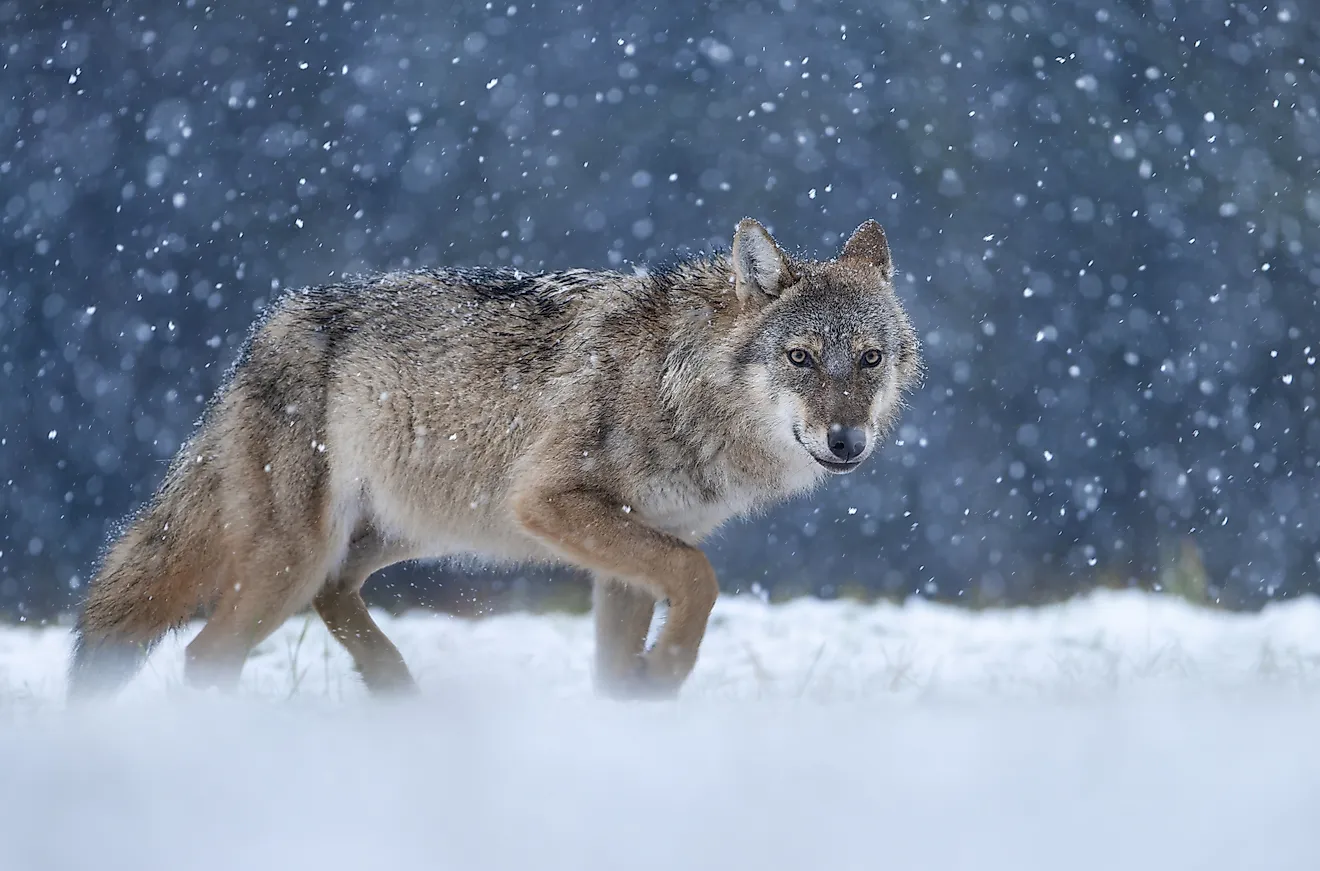
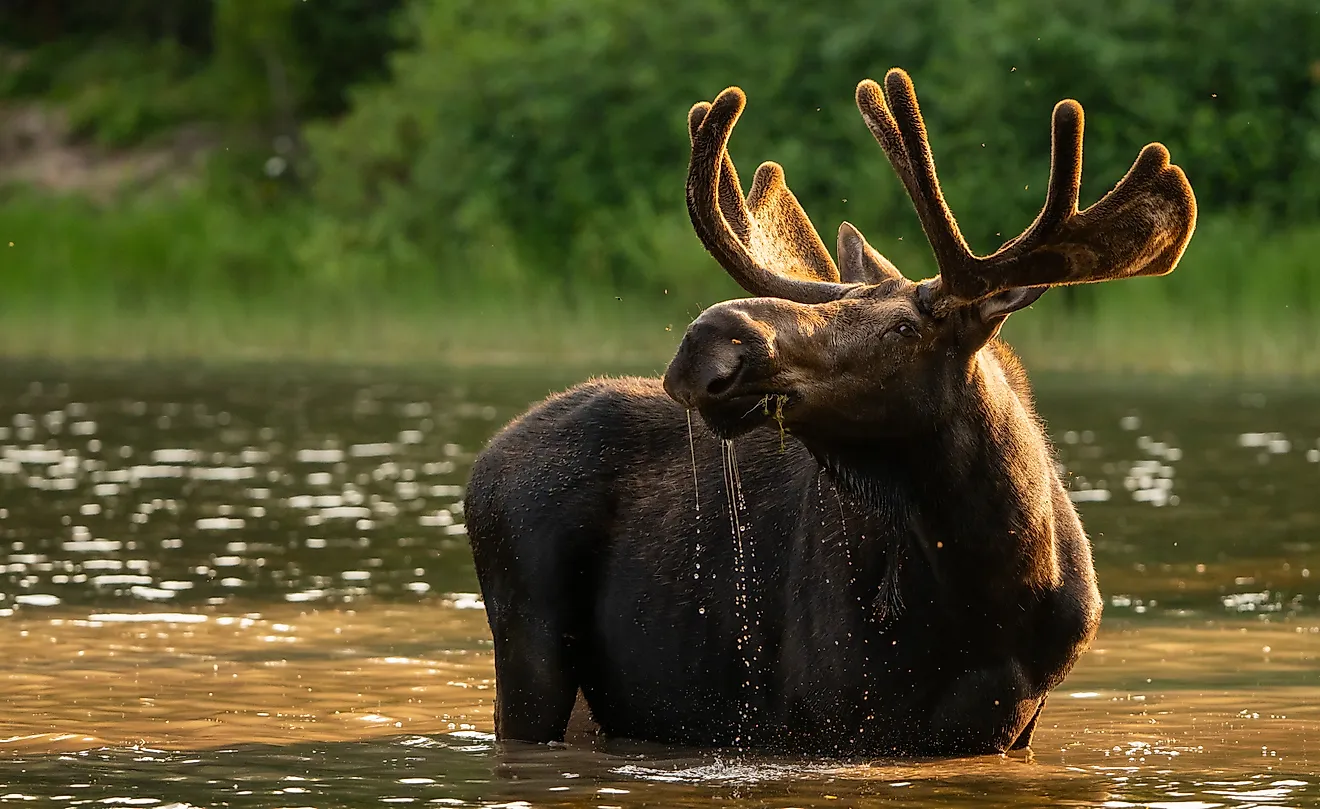
Deep in the Superior National Forest of northern Minnesota, Ely sits at the edge of the Boundary Waters Canoe Area. This vast stretch of interconnected lakes is known for quiet canoe travel. Campers can paddle through the lakes and portages while keeping an eye out for moose, bald eagles, and playful otters. At night, listen for howling wolves, hooting owls, and cackling loons.
Ely also gives visitors a close look at the animals that define the Northwoods. The town is home to the International Wolf Center and the North American Bear Center. Its small downtown is lined with restaurants, wilderness outfitters, and family-owned shops, including the famous Steger Mukluk boots.
Preston

Less than 15 miles from the border with Iowa, Preston is part of the Driftless Region. This broader area of bluff country covers parts of southeast Minnesota, southwest Wisconsin, northeast Iowa, and northwest Illinois. The rolling hills suit mountain biking and hiking along streamside trails. Nearby Mystery Cave is the longest cave system in Minnesota, with guided tours led by park rangers.
Preston is an excellent destination for anglers who want quiet streams instead of busy lakes. The town calls itself "Minnesota's trout capital" because rainbow, brown, and brook trout live in the surrounding streams. Wade into the running water, cast a fly, and settle into the sounds of the current while you wait for a bite.
Grand Marais

The North Shore of Lake Superior gives Minnesota its closest thing to a coastline. Grand Marais sits along that shoreline in one of the state's most scenic remote corners. Lake walks often turn into agate hunts, giving kids and adults a reason to scan the stones along the water.
Winter visitors can head to the nearby Lutsen skiing hill, one of Minnesota's best places to shred powder. Grand Marais also hosts arts and music festivals connected to the area's Ojibwe roots. The Cook County Historical Museum covers local Indigenous history, the town's fur-trading past, and its development into a remote Lake Superior harbor.
New Ulm

New Ulm's German heritage shapes its downtown, festivals, food, and local identity. History buffs can build a trip around seasonal events such as traditional Christmas markets, Oktoberfest, and Bavarian Blast. The town's old-world touches make it easy to spend a day exploring without checking your phone.
Opened in 1860, Schell's Brewery is the oldest brewery in Minnesota and the second oldest in the United States. The brewery offers tours and plenty of samples of its beer. The west side of town is home to the Hermann Monument, commonly called "Hermann the German." It towers 102 feet tall and weighs 4,000 pounds. Stop in one of the local shops and pick up a pair of lederhosen or a dirndl before you leave.
Detroit Lakes

Further west, about 45 miles from the border with North Dakota, Detroit Lakes embodies Minnesota lake culture. The area has hundreds of nearby lakes, making it a natural fit for cabin trips and long days on the water. Take a boat out for tubing or waterskiing, or slow things down with a kayak or paddleboard.
Visitors in town for the Fourth of July can watch fireworks over Detroit Lake. The area's newest landmarks are five gigantic trolls made of recycled wood and placed in parks around the area in 2024. Their names are Alexa, Barefoot Frida, Long Leif, Ronny Funny Face, and Jacob Everear. Danish artist Thomas Dambo designed them to bring some Scandinavian allure.
Red Wing

Built along the west bank of the Mississippi River, Red Wing became a major stop for steamboats in the nineteenth century. The area suits boating on the river, hiking in the bluffs, and playing a round of golf. Red Wing also has a small but passionate arts and music scene with pop-up events open to the public year-round.
One of the town's most iconic landmarks is the historic St. James Hotel on Main Street. The hotel opened on Thanksgiving 1875 and is known for its classy ballrooms and unobstructed views of the river. The building also hosts the American Ski Jumping Museum, reflecting the town's Norwegian heritage.
Taylors Falls

A short drive northeast of the Twin Cities, Taylors Falls sits along the St. Croix River. Riverside cliffs draw hikers, rock climbers, and kayakers looking for a little adventure. Sandy river beaches make good picnic stops after time on the water. Riverboat tours give visitors a guided look at the area's geology.
The Franconia Sculpture Park outside of town is an eclectic collection of modern sculptures. The 43-acre park hosts 40 resident artists every year, so the exhibits change often. The park also hosts events and educational programming for visitors and stays open 365 days a year.
Warroad

Warroad is one of the northernmost towns in Minnesota. The drive to the border with Canada takes only 10 minutes. The town sits along the southwest corner of Lake of the Woods. Most of the lake is in Canada, and Warroad gives anglers easy access to trophy fishing for walleye, northern pike, and sturgeon.
The town's lakeshore park has biking and walking trails, along with a campground for anyone who wants to spend the night beside one of Minnesota's biggest lakes. Visitors feeling lucky can try Seven Clans Casino in southeast Warroad. The border town calls itself "Hockeytown, USA" because hockey is a way of life here.
Cannon Falls

A short drive south of the Twin Cities, Cannon Falls is surrounded by parks, golf courses, and campgrounds along the Cannon River. After time outside, downtown has several easy stops for food and drinks. Cannon River Winery and Tilion Brewing Company are popular places to unwind. The family-owned Ferndale Market has sold fresh, free-range turkey for generations.
Pachyderm Studios is a secluded recording studio just outside of town that has hosted bands like Nirvana, Soul Asylum, and Minnesota-based bluegrass group Trampled by Turtles. Today, Pachyderm serves small local bands working on new music. Travelers whose ideal escape involves recording an album should keep Cannon Falls on the list.
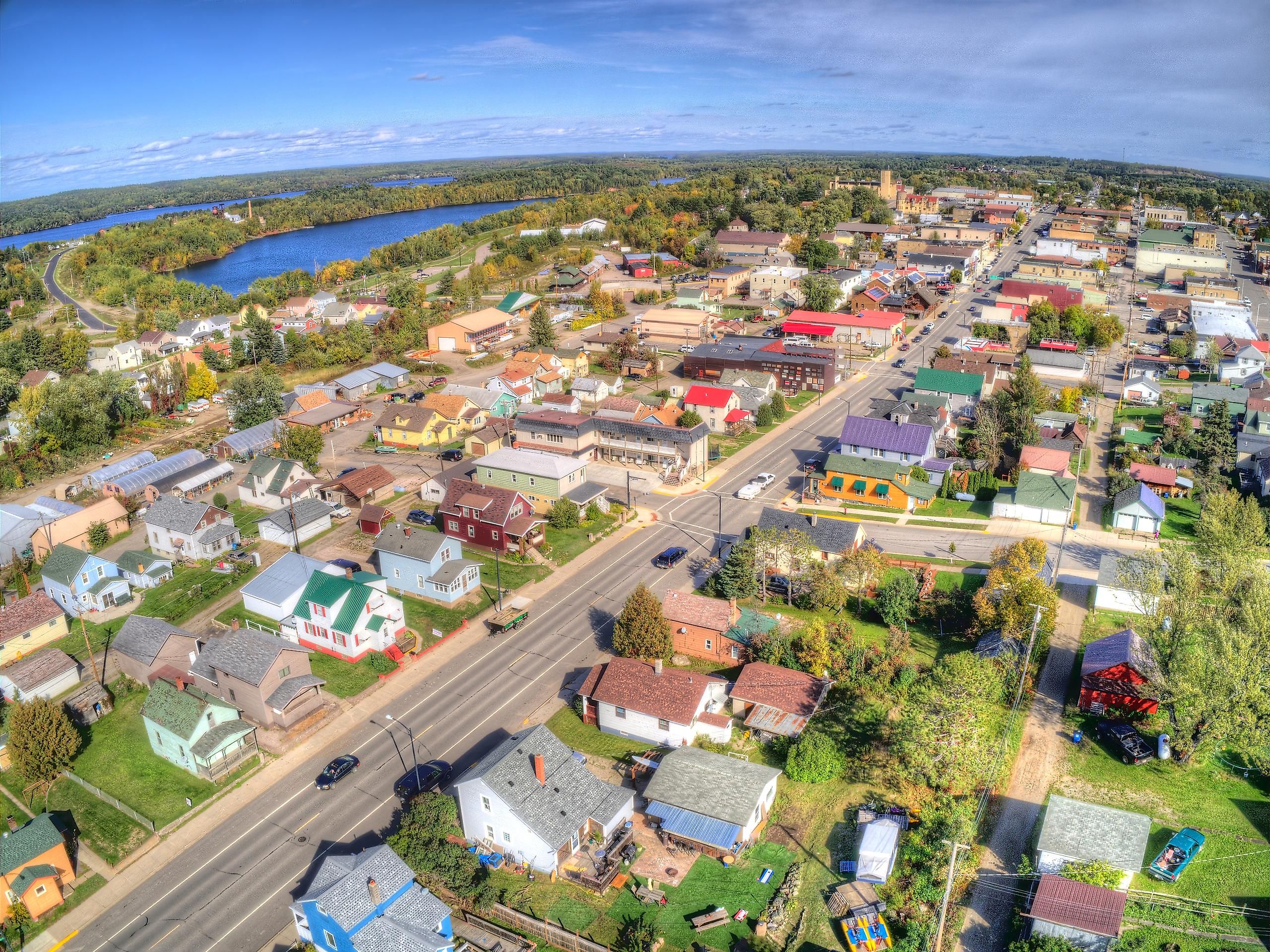
Hibbing

Hibbing sits in the middle of the Mesabi Range of northern Minnesota. Its rich iron deposits made the area a mining center in the late 1800s. The Hull Rust Mahoning Mine is the world's largest open-pit iron mine, with over 1.4 billion tons of earth removed. The mine has created a massive canyon with broad views of the surrounding landscape. The Hibbing Historical Museum explains the town's role in American industry.
Hibbing is also known as the childhood home of folk music legend Bob Dylan. Take the Bob Dylan walking tour for a look at the sites that helped shape one of America's most significant musicians. Stop by the public library and take a photo with the life-size papier-mâché sculpture of Dylan with his trademark guitar and harmonica.
A Breath of Fresh Air
Minnesota has small towns where visitors can paddle quiet lakes, hike bluff trails, explore mining history, or spend an afternoon in a historic downtown. A little time off the grid can help you reset and pay attention to the place around you. Give Minnesota Nice a try and enjoy the warm hospitality of the Land of Ten Thousand Lakes.