10 Georgia Towns With A Slower Pace Of Life
Small towns in Georgia tend to build around one or two things that define daily life. In Blue Ridge, that means access to the Chattahoochee National Forest and Lake Blue Ridge. In Sylvester, it is peanut farming and the annual festival tied to it. And in Hawkinsville, horse training still shapes the local economy each winter. Across the state, these communities reflect different parts of Georgia's economy and landscape. The ten towns below show that range.
Blue Ridge

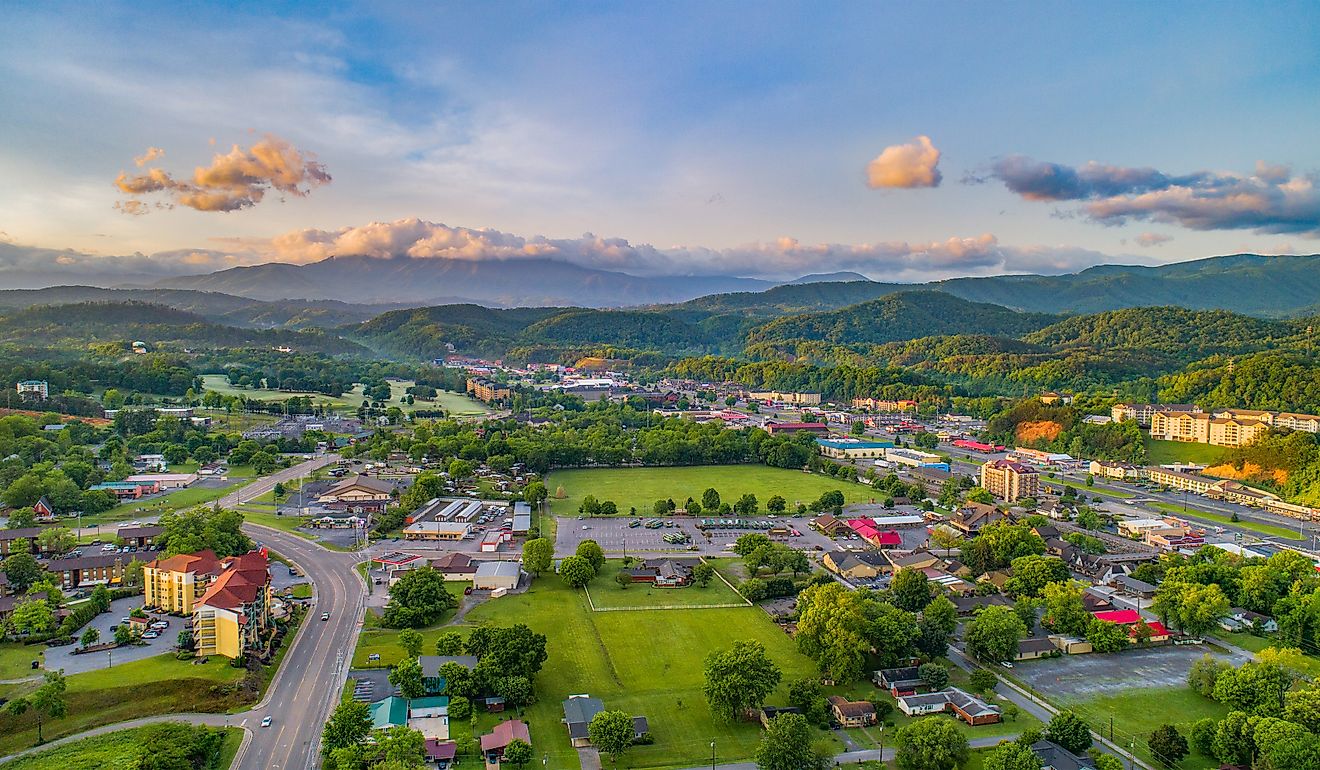
About 90 miles northeast of Atlanta, Blue Ridge sits in the southern end of the Appalachian Mountains, against the ridge for which it is named. The historic downtown is dominated by locally-owned businesses, with chain establishments kept to a minimum by design. Shops like Blue Ridge Mountain Outfitters reflect that local-first approach.
The Fannin County Courthouse, built in 1937, anchors the downtown and is a prominent community landmark. Beyond the town itself, Lake Blue Ridge and the Chattahoochee National Forest give residents and visitors access to hiking, fishing, and mountain scenery within minutes of the main street.
Nashville

Nashville sits about 30 miles north of Valdosta and has fewer than 5,000 residents. Farming drives the local economy, which helps explain why chain restaurants and big-box retailers have made little headway here. Smokin' Smitty's Father & Son BBQ is the most well-known local kitchen, with a reputation in Berrien County for smoked meats that has held up for years.
Spring brings wildflower blooms to the surrounding fields, and the Berrien County Historical Society Museum covers the area's Civil War-era history and Coastal Plain settlement. Historic markers scattered around the town add context to the broader regional story without requiring a museum visit to catch them.
Baxley

Baxley is a small town in southeast Georgia where family-owned businesses operate alongside local farms, and where the Moody Forest Natural Area provides trail access to longleaf pine ecosystems increasingly rare in the region. The Appling County Courthouse, completed in 1908, sits at the center of the downtown.
Klassy Kafe is a reliable lunch stop for locals and visitors, and Southern Bliss Boutique adds to the downtown retail mix. Each April, the Baxley Tree Fest brings the town together around food, music, and the region's forestry industry, which has been a cornerstone of the local economy for more than a century.
Dahlonega

About an hour and fifteen minutes up GA-400 from Atlanta, Dahlonega sits at the foot of the North Georgia mountains and is home to family-run restaurants like The Smith House and a growing cluster of small wineries including Wolf Mountain Vineyards. The town has become a reliable weekend destination for Atlanta residents looking for something closer than Asheville.

Dahlonega's history runs through gold. The Georgia Gold Rush began here in 1828, predating the California rush by two decades, and the Dahlonega Gold Museum Historic Site in the old Lumpkin County Courthouse covers that history in detail. The Chestatee Wildlife Preserve adds trails and animal exhibits, and the Gold Rush Days Festival each October fills the town square with music, food, and crafts.
Eastman

About an hour south of Macon, Eastman is a town of just over 5,000 that doubles as home to Middle Georgia State University's Aviation Campus, one of the most respected aviation programs in the Southeast. Despite the university presence, the town has kept its commercial identity local, with Priscilla's Restaurant and similar independent spots holding more attention than any franchise.
The Ocmulgee River runs nearby for fishing and boat access, and local pecan orchards including Stuckey's remain a central part of the regional agricultural economy. The Dodge County Fair each year brings carnival rides, food, and competitions that draw visitors from across central Georgia.
Commerce

Commerce has about 7,500 residents and a Friday night football culture that centers the town around Commerce High School Tigers games in fall. The town is best known to outsiders for Tanger Outlets along I-85, but the local commercial district holds its own with independent shops like Simple Blessings.
Downtown Commerce features early 1900s architecture and reliable stops like El Parian Mexican Restaurant. For families, the Funopolis Family Fun Center is the regional go-to for bowling, laser tag, and arcade games.
Greensboro

Just over an hour east of Atlanta, Greensboro has built much of its modern identity around Lake Oconee, a 19,000-acre reservoir on the Oconee River. Reynolds Lake Oconee and the Ritz-Carlton Reynolds bring luxury resort traffic to the area, and a string of bed and breakfasts offer alternatives for shorter visits.

The historic downtown includes the Greensboro Antique Mall and other independent shops, and the Lake Oconee Food & Wine Festival each spring has become one of the state's better-known culinary events outside Atlanta.
Sylvester

Sylvester markets itself as the "Peanut Capital of the World," and while a few other towns claim similar titles, Worth County genuinely is one of the largest peanut-producing counties in the United States. The Georgia Peanut Festival each October brings the town together for what is essentially a celebration of its economic foundation.
With nearly 6,000 residents, Sylvester sits about 22 miles east of Albany and holds onto a recognizable small-town identity. Local barbecue spots like Fat Boy's Backyard BBQ and Jackson's South Food Kitchen serve the heavy, meat-forward plates that define southwest Georgia cooking.
Jackson

About an hour south of Atlanta, Jackson is best known for two nearby state parks. High Falls State Park takes its name from a 100-foot cascade on the Towaliga River, and Indian Springs State Park, established in 1825, is often cited as one of the oldest state parks in the United States. Both are within a short drive of the town center.
Friday night football at Jackson High School pulls the community together in fall, and the Jackson Alive Fall Festival each October adds live music and vendor stalls to the town square. Local businesses like Hey Jo Boutique and Bradley's Olde Tavern anchor the downtown retail and dining scene.
Hawkinsville

Hawkinsville has been a horse-training town since the late 1800s, when Standardbred trainers discovered that the mild central Georgia winters made it ideal for keeping horses in condition. The Harness Horse Racing Festival each April marks the end of the winter training season, when horses race one last time before shipping north. Weekly farmers markets and kayak access on the Ocmulgee River reflect the town's rural and outdoor-oriented character.
Downtown Hawkinsville runs along Commerce Street, with the Hawkinsville Antique Mall, Heritage Restaurant, and Tom and Sandy's Horseshoe Restaurant on Broad Street serving as the recognizable local anchors.
Preserving Pace and Heritage in Georgia's Small Towns
Georgia's agricultural roots run deep, stretching back to its founding as a colony in 1732, and these ten towns reflect different pieces of that history. Sylvester processes the peanut crop that south Georgia is built on. Hawkinsville still trains the harness horses that have wintered in central Georgia for well over a century. Dahlonega was the starting point of the country's first major gold rush. The Peach State looks different away from the major cities, and these communities are where most of that difference lives.