11 Amazing Kansas Day Trips That Are Worth The Drive
Kansas packs more into a day trip than its flat-state reputation suggests. From Wichita's Dwight D. Eisenhower National Airport, a weekend covers city gardens and quirky museums (including the first Pizza Hut and the Great Plains Nature Center). From Manhattan Regional Airport, the Flint Hills open up to one of the last remaining stretches of tallgrass prairie in North America, and nearby Wamego leans hard into its Wizard of Oz connections. The 11 day trips below are worth the drive.
Starting City: Wichita
Botanica, the Wichita Gardens (Within the City)

Botanica opened in 1987 and has grown to 17.6 acres in the heart of Wichita. The gardens rotate through the seasons: pansies and Lenten roses dominate the early spring, tree peonies and lilies of the valley come on late spring, and the Butterfly Garden peaks in summer. The grounds are split into themed sections, including the Downing Children's Garden with its Rainbow Trail, the Koch Carousel Gardens, and a Chinese Garden of Friendship honouring Wichita's sister city of Kaifeng, China, with traditional Chinese flowers and dragon sculptures. A Shakespearean Garden plants only species mentioned in Shakespeare's works.
Pizza Hut Museum (Within the City)

Pizza Hut was founded in 1958 in a small Wichita building by brothers Dan and Frank Carney, who borrowed $600 from their mother to start the chain while attending Wichita State University. Today the original building has been moved to the Wichita State University campus and serves as the Pizza Hut Museum, with artifacts from the first restaurant, a small Pizza Pete statue for photos, and exhibits on how the brand grew into an international chain. The Carney brothers originally staffed the restaurant with fraternity brothers, and the university continues that tradition by staffing the museum with students today.
Great Plains Nature Center (Within the City)

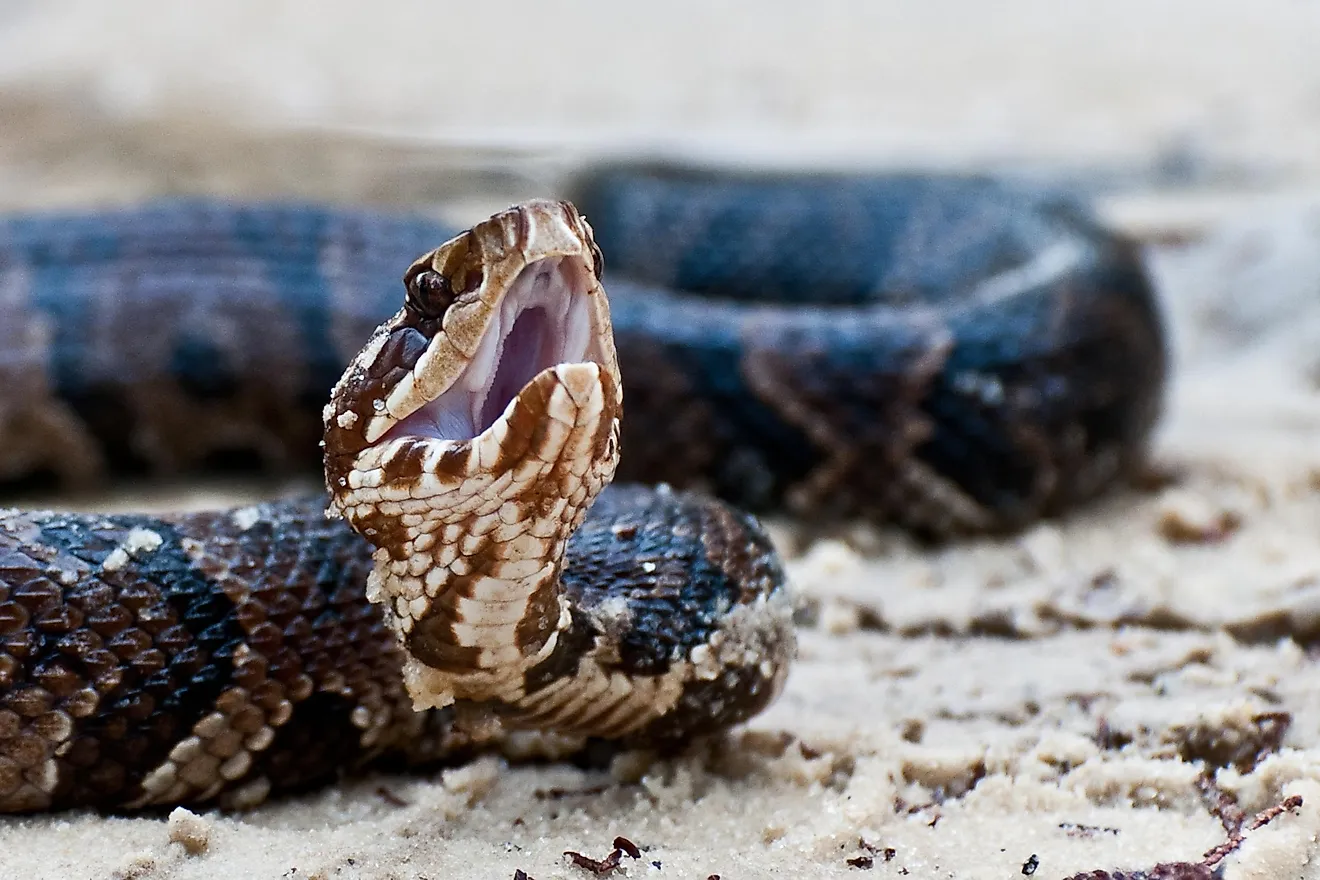
Kansas's most iconic landscape is the Great Plains itself: endless prairie grass historically roamed by bison, prairie rattlesnakes, and Native American tribes for thousands of years before settlement. Over 99% of the original tallgrass prairie was converted to farmland in the 19th and 20th centuries. The Great Plains Nature Center tells that story and works to preserve some of the region's remaining ecosystems. Exhibits cover prairies, wetlands, and river habitats, with rotating live animal displays. The Bob Gress Wildlife Observatory overlooks a wetland area and is a strong spot for birdwatching songbirds, waterfowl, and deer.
Wichita Art Museum (Within the City)

Established in 1915, the Wichita Art Museum holds one of the most significant collections of American art west of the Mississippi. The museum focuses exclusively on American painters and sculptors, with a permanent collection that includes William Michael Harnett's haunting still-life "Mortality and Immortality" (depicting an open book, bags, and a human skull). Rotating exhibitions cover themes like Regionalism and American Scene painting from the Swope Art Museum, and exhibits focused on African American life in the mid-20th century. The museum's focus on American art specifically sets it apart from larger mixed-collection museums in the region.
Sedgwick County Zoo (Within the City)

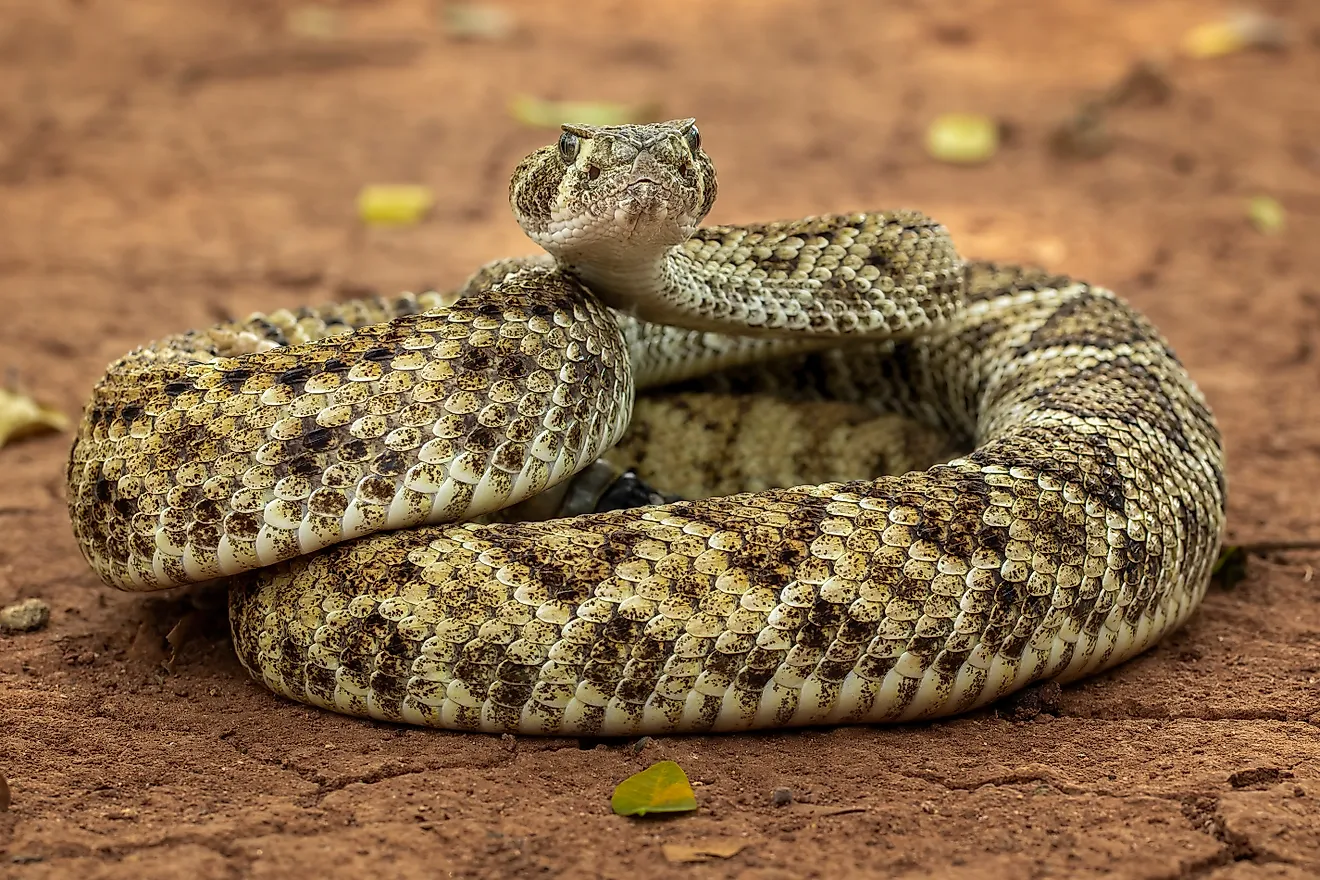
Sedgwick County Zoo is one of the largest zoos in the central United States, home to about 3,000 animals representing 400 species across geographic areas including Africa, North America, South America, Australia, and tropical regions. The zoo is designed with immersive environments rather than traditional cages, with close viewing of Amur leopards and tigers, Egyptian tortoises, Cuban crocodiles, and native prairie rattlesnakes. Kids can ride the Martha C. Buford Safari Express train through the zoo or feed a giraffe from the raised Giraffe Feeding Station.
Maxwell Wildlife Refuge (1-Hour Drive)

Maxwell Wildlife Refuge is a 2,560-acre mixed-grass prairie preserve in the Smoky Hills region northwest of Wichita. The land was originally owned by the Maxwell family, who began preserving native prairie and bison in 1859 during a period when bison were being systematically exterminated across the Great Plains. The descendants later donated the land for preservation. Today the refuge maintains a herd of about 150 bison and around 75 elk. The best way to see the animals is on a 45-minute covered tram ride, which crosses the prairie landscape and gets close to the herds. Spring visits add wildflower viewing in the Flint Hills foothills.
Prairie Spirit Trail State Park (2-Hour Drive)

The Prairie Spirit Trail State Park is a 52-mile rail-trail running from Ottawa to Iola, built on the former rail lines of the Leavenworth, Lawrence, and Fort Gibson Railroads. The trail passes through tallgrass prairie, rural farmland, and small communities including Princeton, Richmond, and Welda, with local cafes and rest stops along the route. Wildlife sightings commonly include coyotes, wood ducks, and native songbirds. At the trail's southern terminus in Iola, the historic courthouse square includes a Civil War Soldier Memorial dedicated to both Union and Confederate soldiers, a rare dual memorial reflecting Kansas's divided loyalties during the conflict.
Boot Hill Museum (2.5-Hour Drive)

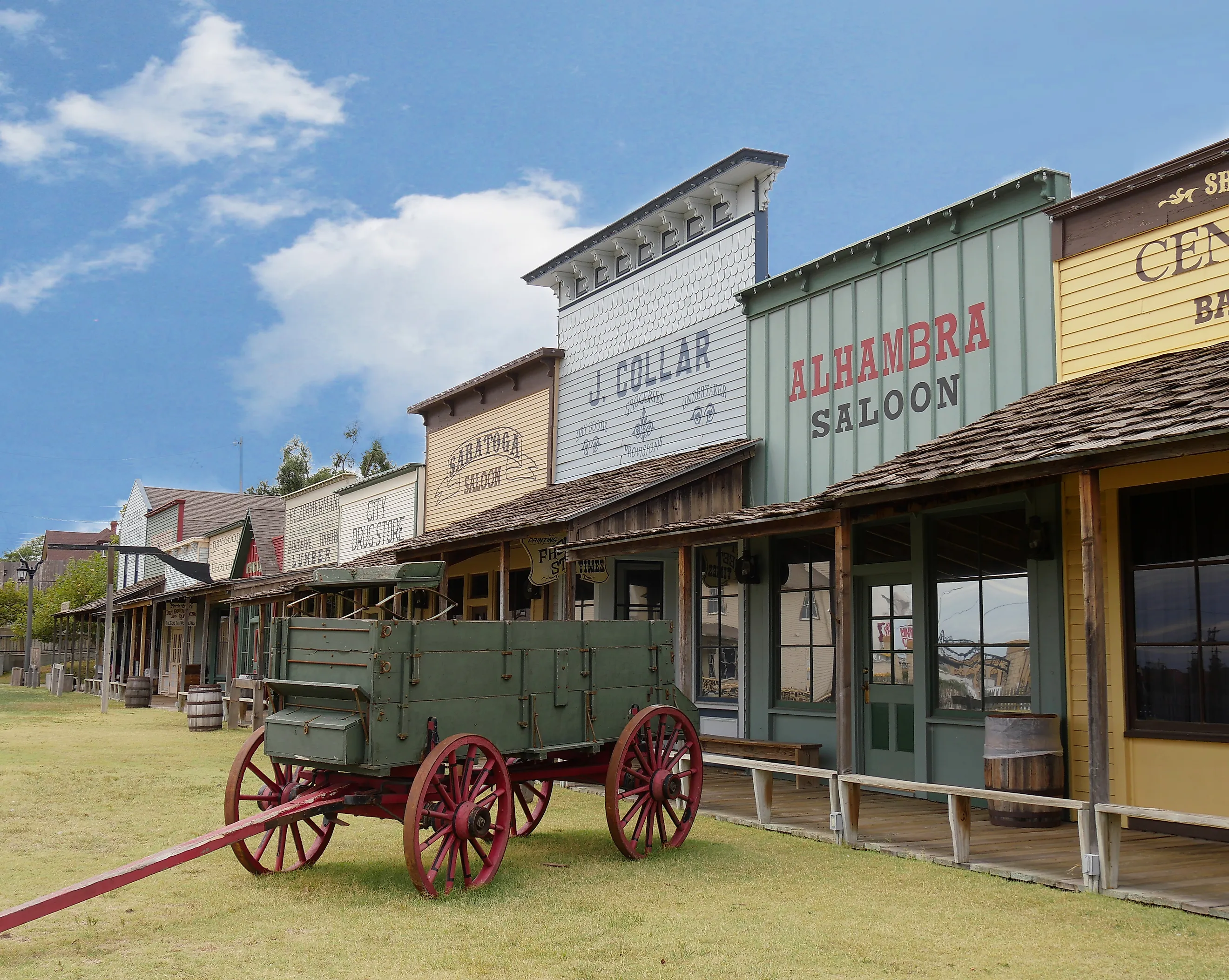
Dodge City was the wildest of the 19th-century Kansas cattle towns, and Boot Hill Museum preserves that era. The museum gets its name from the Boot Hill Cemetery on-site, where gunfighters who died with their boots on (that is, in gunfights) were buried in shallow graves. The museum houses a collection of Western firearms, cowboy artifacts, period saloon interiors, and reconstructed Front Street buildings. Daily summer reenactments include staged gunfights and the Long Branch Saloon Variety Show, with music and dance routines from the cattle-drive era. The on-site general store sells fudge and Dodge City-themed souvenirs.
Starting City: Manhattan
Flint Hills Discovery Center (Within the City)

The Flint Hills represent one of the most ecologically important landscapes in the Great Plains: layered limestone and shale that resisted glaciation during the last Ice Age, preserving the underlying rocky terrain and, critically, one of the last significant stretches of native tallgrass prairie in North America. Over 99% of tallgrass prairie has been lost to agriculture, but the Flint Hills' rocky soil was too thin to plow, which saved much of it. The 35,000-square-foot Flint Hills Discovery Center in Manhattan explores this geological and ecological history. Permanent exhibits include the immersive Blowing Winds in a Tallgrass Prairie film experience and the Winds of the Past exhibit on settler interaction with the land.
Museum of Art + Light (Within the City)

The Museum of Art + Light is one of Manhattan's newer cultural institutions and takes a distinctly different approach to art presentation. Rather than displaying art on flat surfaces, the museum uses large-scale digital projection technology to create immersive, multi-sensory environments that wrap visitors in moving imagery. Current and upcoming exhibitions include "The Erosion of Time" (works by Des Lucrece and Dean Mitchell) and a large-scale Pablo Picasso exhibition using over 100 projectors and tens of thousands of square feet of projection surface.
Oz Museum (30-Minute Drive)

L. Frank Baum's "The Wonderful Wizard of Oz" opens with Dorothy's farmhouse in Kansas, and the Oz Museum in Wamego (30 minutes east of Manhattan) takes that connection seriously. The museum's green-fronted building houses over 2,000 artifacts covering every era of Oz adaptation: first editions of Baum's books, props and memorabilia from the 1939 Judy Garland film, character masks and costumes from the Broadway production of Wicked, and materials from the 2024 film adaptation. The exhibits are arranged along an interior yellow brick road that runs through the museum.
Two Kansas Cities, Eleven Day-Trip Options
Kansas rewards drivers who get off the interstate. Wichita anchors one set of trips ranging from the Pizza Hut Museum to Dodge City's Old West reenactments. Manhattan anchors the other, focused on the Flint Hills tallgrass prairie and the Oz-related attractions of Wamego. Between the two hubs, a weekend covers quirky roadside museums, genuine ecological preservation, 19th-century cattle-town history, and immersive digital art, which is a wider range than Kansas usually gets credit for.