10 Best South Carolina Towns For Retirees
Beaufort retirees learn the tide chart before they learn the traffic. Life on the Lowcountry coast runs on the water, and the pace is exactly why people settle here. Other newcomers want a college town with a concert calendar. Some want a mountain foothill with a covered bridge down the road. South Carolina holds all three within a half-day's drive. Towns like Beaufort and Bluffton reward the things that matter most after the moving boxes are gone: an affordable cost of living, streets you can walk, and neighbors who learn your name.
Beaufort

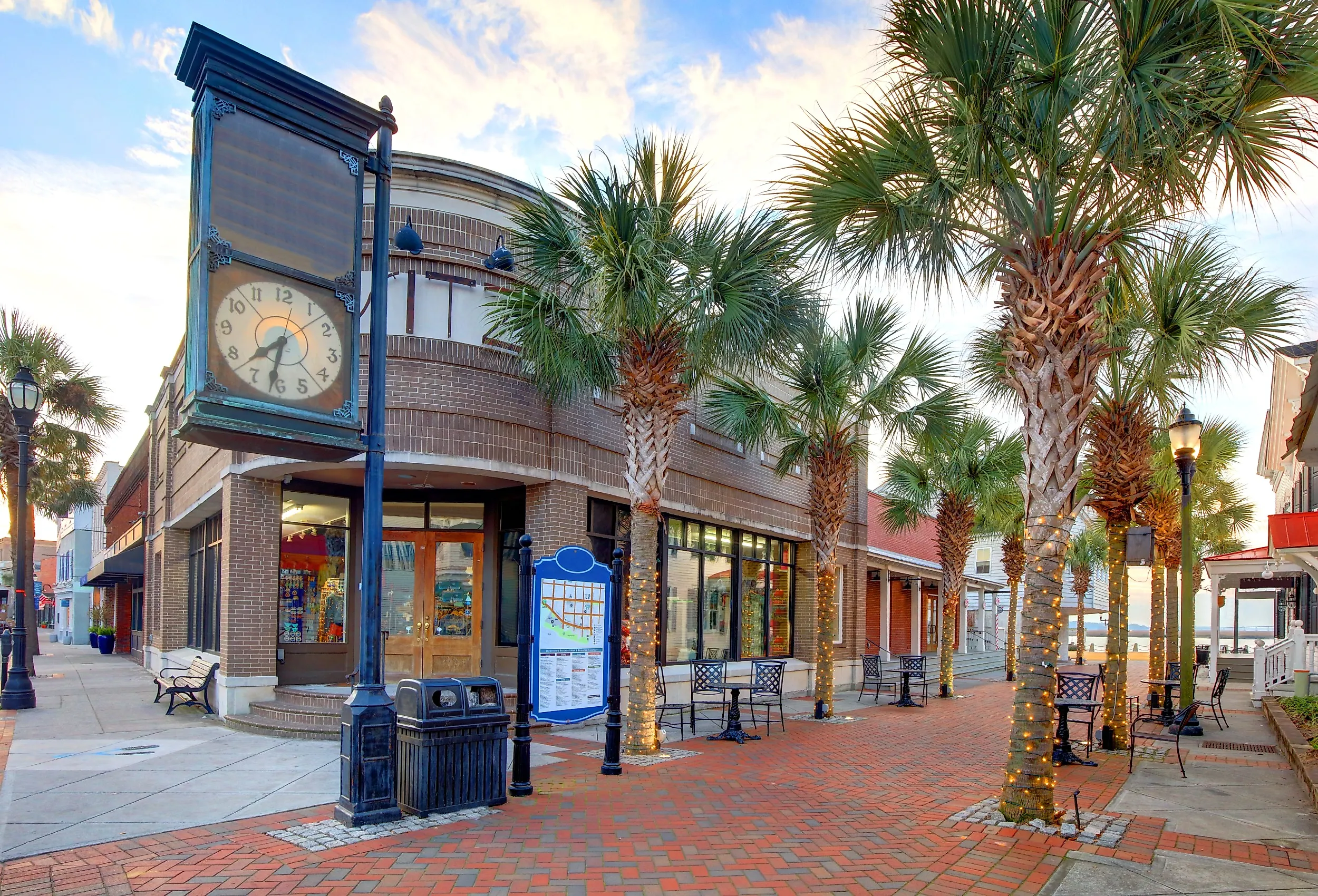
The Beaufort River is not a view here; it is the town's front yard. Henry C. Chambers Waterfront Park runs the length of downtown with walking paths, porch swings, and shaded benches facing the shrimp boats. Retirees tend to start the morning here with coffee and drift back at dusk for the sunset. Beaufort is South Carolina's second-oldest town, and it wears its history plainly.
The scale is what sells it to people, leaving bigger places. Downtown is a walkable grid, and errands along Bay Street mean bookstores, galleries, and cafes rather than a car and a parking deck. Blackstone's Cafe stays busy at breakfast, and Plums serves Lowcountry plates over the water. A retiree can run a whole day on foot. Tour the Historic District itself, where Federal and antebellum homes line blocks laid out before the Civil War. The John Mark Verdier House is the one grand home open to the public.
Open water is close, too. Hunting Island State Park sits about 16 miles east, the most-visited state park in South Carolina, with a wide Atlantic beach, salt marsh, maritime forest, and a lighthouse visitors can still climb. Birdwatching, beachcombing, or an afternoon doing nothing by the surf all sit 25 minutes from the front door.
Aiken

Wide, tree-canopied streets set the tone in Aiken, a town the horse world knows for its winter training colony. Retirees come for something quieter: green space in every direction and a downtown built for walking rather than hurrying.
Hopelands Gardens brings that easy pace. The 14-acre grounds hold brick paths, reflecting ponds, old oaks, and camellia and azalea beds, with free concerts on warm-weather evenings. The Aiken Thoroughbred Racing Hall of Fame and Museum sits inside the gardens, and its exhibits on the town's racing families hold up even for people who never follow the sport.
Hitchcock Woods is the rarer asset. Minutes from downtown, it covers roughly 2,100 acres and ranks among the largest urban forests in the country, laced with about 70 miles of sandy trails under longleaf pine. Walkers, riders, and dog owners share it year-round, and it costs nothing to enter.
Downtown rounds out the day with locally owned tables and shops. New Moon Cafe draws a regular breakfast crowd, and the historic Willcox Hotel still pours afternoon tea and hosts town events, as it has for more than a century.
Georgetown

Shrimp boats still tie up at the docks in Georgetown, which sets it apart from coastal towns that gave their harbors over to tourists. This is a working waterfront, the third-oldest city in the state, and that authenticity is what retirees mention first.
The Harborwalk carries the daily rhythm. The wooden boardwalk runs behind Front Street along the Sampit River, with benches over the marina and restaurants opening onto the water. Many residents start with breakfast at Thomas Cafe, then walk the boardwalk or browse the independent shops. There are no chain storefronts on Front Street to break the spell.
History is a short walk in either direction. The Rice Museum tells the story of the crop that built the region, housed in the landmark Old Market Building, and the eighteenth-century Kaminski House Museum overlooks the river a few blocks away. Both fit an unhurried afternoon.
Nature runs just as deep. Hobcaw Barony, a 16,000-acre research reserve northeast of town, protects forests, marshes, freshwater ponds, and former rice fields, with guided tours of wildlife and historic homes.
Clemson

The university calendar does most of the entertaining in Clemson. Concerts, lectures, theater, and athletics run all year, and most of it is a short drive rather than a trip to a bigger city. For retirees who want to stay intellectually busy, that access is the whole point.
The South Carolina Botanical Garden is the town's quiet space. It's nearly 300 acres that hold woodland trails, seasonal displays, ponds, and native plant collections worth repeat visits, and the Bob Campbell Geology Museum on the grounds fills a rainy afternoon with minerals, fossils, and meteorites. Admission to the garden is free.
Lake Hartwell covers nearly 56,000 acres along the South Carolina and Georgia line, and public parks and ramps put fishing, paddling, and an after-dinner sunset within easy reach. Living this close to that much shoreline is unusual for a town this size.
Downtown stays walkable and low-key beyond the campus, with restaurants, coffee shops, and bookstores. From spring through early fall, the Clemson Farmers Market gathers on Wednesday afternoons on the green at Patrick Square with local produce, baked goods, and crafts.
Travelers Rest

A rail-trail turned a former mountain waystation into one of the Upstate's most livable small towns. The Prisma Health Swamp Rabbit Trail runs straight through downtown Travelers Rest, part of a 28-mile network linking it to Greenville, and many retirees fold it into the week as a morning ride or an afternoon walk from a bench near Main Street.
Downtown, find independent restaurants, coffee shops, breweries, and specialty stores that line the sidewalks. Tandem Creperie draws a breakfast crowd, and Topsoil builds its menu from nearby farms. The town rewards lingering over errands.
Community life gathers at Trailblazer Park, which hosts concerts, farmers' markets, and seasonal festivals, and stays open as a green space on quiet days. It is the kind of place where neighbors run into each other by accident.
The mountains are always in reach. Paris Mountain State Park offers hiking, fishing, and picnic areas just south of town. To the north stands Poinsett Bridge, believed to be South Carolina's oldest surviving bridge at just over two centuries old, though a recent restoration has kept the site closed to visitors for stretches, so it is worth checking access before making the drive.
Bluffton

Old Town has held its ground through two decades of fast growth around it. Live oaks a few centuries old shade the streets running down to the May River in Bluffton, where galleries, restaurants, and historic homes keep the district on a walking scale.
Calhoun Street is the spine of it. Restored cottages house boutiques, bakeries, and cafes instead of chains. The Cottage Cafe has served breakfast for years, and FARM plates Lowcountry ingredients without any fuss. The large Sun City Hilton Head community nearby has made Bluffton a genuine retirement hub, with medical services to match.
The Heyward House Museum doubles as the district's welcome center, and the Church of the Cross has overlooked the May River since the mid-1800s. Both sit within a short walk of the shops.
The river sets the daily routine as much as the streets do. Oyster Factory Park opens public access to the May River with walking paths, a fishing dock, and overlooks where dolphins turn up in warm months. The nearby Garvin-Garvey House preserves the story of one of the region's early freedmen communities. Hilton Head Island, Savannah, and the Lowcountry beaches all sit close enough for a day trip.
Greenwood

Main Street holds the center of gravity in Greenwood. Locally owned boutiques, bookstores, and restaurants line the historic district. Aromas Village Coffee starts the morning for many residents, and Howard's on Main has served Southern plates for generations. Each June, the South Carolina Festival of Flowers fills downtown with floral displays, concerts, and family events.
Local history sits a short walk off Main Street. The Museum and Railroad Historical Center covers Greenwood County's industries, schooling, and transportation, with restored railcars and locomotives out back and rotating exhibits that reward return trips.
Lake Greenwood State Park handles the outdoors. Quiet coves draw anglers and paddlers, and picnic shelters and short trails make for a low-effort afternoon, best in the mild spring and fall.
Anderson

Locals call it the Electric City, a nod to Anderson becoming the first city in the country with a continuous supply of electric power in the 1890s. These days, the draw is a revitalized downtown that mixes historic storefronts with new businesses, and residents gather there rather than pass through.
Carolina Wren Park is the heart of that activity. The public square hosts live music, movie nights, and holiday events throughout the year, and it works just as well on an ordinary afternoon, with water features, shaded seating, and cafes at the edges.
The Anderson County Museum, around the corner, covers the region's agriculture, textile history, and local culture in permanent galleries, with changing exhibits that keep it fresh. Nearby, Sullivan's Metropolitan Grill has been a local favorite for years, part of a downtown dining scene built on independent kitchens rather than national chains.
Lake Hartwell is never far. Sadlers Creek State Park opens onto the water for boating, fishing, trails, and lakeside picnics, a change of scene from a downtown day. Greenville, Clemson, and the Blue Ridge foothills all sit within an easy drive, so day trips are simple, and home stays quiet.
Landrum

The Blue Ridge foothills rise right at the edge of town, and that setting defines Landrum. In place of waterfront or campus energy, this small Upstate community offers mountain scenery, a historic main street, and afternoons that unfold without a schedule. Shop owners here know the regulars.
Trade Street is the gathering place. Historic storefronts hold antique shops, bookstores, galleries, and restaurants meant for browsing. Stone Soup Market & Cafe fills the lunch hour, and The Hare & Hound has built a following on British-leaning dishes and Southern welcome.
The countryside offers plenty of reasons to wander beyond downtown. Campbell's Covered Bridge, built between 1909 and 1911, is the only covered bridge left in South Carolina, and its picnic areas and short nature trail make for an easy hour outdoors. The Blue Wall Preserve protects 575 acres at the foot of the Blue Ridge Escarpment nearby, with a short Palmetto Trail segment and a 0.7-mile waterfall loop for a gentle hike.
Small as it is, Landrum sits within reach of everything a retiree needs. Greenville, Spartanburg, Hendersonville, and Asheville are all close enough for shopping, healthcare, and entertainment, while the town itself stays clear of the traffic that comes with them.
York

The courthouse square still runs the show in York, a town that trades on continuity rather than reinvention. Established in 1785 and nicknamed the White Rose City, it kept its 19th-century downtown of brick storefronts and one of the largest historic districts in the state.
Congress Street fills a leisurely afternoon. Antique stores, gift shops, cafes, and restaurants invite browsing over rushing. The Garden Cafe is a steady lunch spot, and Yorkville Marketplace stocks antiques, handmade goods, and regional artisans' work. Seasonal festivals and holiday events keep the district lively without crowding it.
The outdoors are close, too. Kings Mountain State Park, a short drive from downtown, offers hiking, fishing, picnic shelters, and Lake Crawford for a quiet paddle. The adjacent Kings Mountain National Military Park preserves a pivotal Revolutionary War battlefield, with trails, exhibits, and ranger programs. Rock Hill is under 30 minutes out, and Charlotte is close enough for major hospitals, shopping, and pro sports, while home stays comfortably slow.
Choosing Among Them
The right choice comes down to which trade-offs suit a person's daily life, not which town ranks highest. The coast, at Beaufort, Georgetown, and Bluffton, buys tidal marsh and working harbors at a higher cost of living. The Upstate, from the college calendar in Clemson to the foothill quiet of Landrum, tends to cost less and put the mountains within reach. Greenwood, Anderson, and York make the strongest case on affordability alone. Weigh the tax advantages South Carolina extends to retirees against each town's housing market, and the walkable, familiar place usually wins over the one with the longest list of attractions.