10 Best Small Towns In Colorado For A Crowd-Free Summer
Colorado's best summer escapes sit in the towns most road trips speed past. Ouray rests inside a ring of peaks so tight that its trails and waterfalls stay quiet even in July. Silverton keeps its 1890s main street at an elevation above 9000 feet and well above the summer traffic. In Mancos, artists and cidermakers fill a downtown that most Mesa Verde visitors drive right through. Creede runs its summer burro race through a canyon walled off from any crowd. These ten small towns give you Colorado's high country with room to breathe.
Montrose

Montrose is located at the southern end of Uncompahgre Valley in the high desert of southwestern Colorado. Surrounded by rugged canyons, the San Juan Mountains, and the Grand Mesa, the town boasts plentiful opportunities for outdoor recreation, mild summer climates, and plenty of cultural attractions.
The town is just a short drive away from Black Canyon of the Gunnison National Park, a steep-walled canyon carved by the Gunnison River. Colorado's least visited National Park is full of steep cliffs and towering spires, making the park a premier destination for rock climbing and canyoneering. Several easy trails and beautiful overlooks provide more accessible ways to enjoy the park's natural wonders. At the Museum of the Mountain West, learn about the history and heritage of the pioneers who forged the region through a collection of over half a million artifacts and nearly thirty preserved historic buildings. You can also explore the history of the area's earliest residents at the Ute Indian Museum, which allows visitors to explore the life and culture of the Ute people through a range of exhibitions and demonstrations. Stop by the Montrose Botanic Gardens to see a curated collection of local and exotic plants and a historic cabin from the Kallstrom Homestead.
Alamosa

Alamosa is the largest town in the isolated San Luis Valley in south central Colorado. Located on the banks of the Rio Grande, the eastern horizon is dominated by views of the Sangre de Cristo Mountain Range, and the surrounding area is full of hiking trails, wildlife refuges, and International Dark Sky designated parks and reserves.
The town serves as a gateway to Great Sand Dunes National Park where visitors can climb to the top of massive, incongruously placed sand dunes surrounded by jagged mountain peaks. The fragile ecosystem contains the largest dunes in North America, the tallest of which rises to around 750 feet. For a more traditional mountain climbing adventure, the Sangre de Cristo Range contains ten peaks over 14,000 feet tall, including Crestone Peak, widely considered one of the most challenging 14ers in Colorado. One of the most popular hikes near Alamosa, Zapata Falls, provides easy access to the natural beauty of the area via a short mile-long trail to the around thirty-foot cascades. Closer to civilization tourist attractions near the town like the Colorado Gators Reptile Park and the Cumbres & Toltec Scenic Railroad provide entertainment for families visiting with children. History lovers should check out the Fort Garland Museum and Cultural Center where they can explore life in a nineteenth century military fort by wandering the parade grounds and preserved adobe buildings.
Ridgway

Fans of classic Western films may recognize the area surrounding this tiny mountain town as the backdrop for the John Wayne film True Grit. Ridgway is surrounded by the steep forested cliffs of the northern San Juan Mountains, and the beautiful scenery that attracted Hollywood productions continues to draw visitors to this small community on the banks of the Uncompahgre River.
Just north of town, Ridgway State Park spans nearly five miles in the gorgeous Uncompahgre River Valley featuring over fifteen miles of hiking trails and fishing and paddling opportunities on the Ridgway Reservoir. In the summer, wildflowers dot the park's slopes, and the Blue Heron Marina offers equipment rental to visitors. After a long day of hiking, relax in the natural spring waters of the Orvis Hot Springs, a clothing-optional resort with ten soaking pools and panoramic mountain views. Ridgway was the birthplace of the Rio Grande Southern Railway in the late 19th Century and visitors can view a collection of historic artifacts and preserved railroad equipment from this time period at the Ridgway Railroad Museum. The town is also home to one of Colorado's first Certified Creative Districts, the Ridgway FUSE, a collection of historic theaters, art galleries, and studios. Every August, the town hosts the Ridgway Rendezvous Arts Festival, a free community event featuring live music, food trucks, and over a hundred local artists and craftspeople selling handmade goods.
Lake City

Named for its proximity to Lake San Cristobal, Lake City sits on the floor of a remote valley at the confluence of Henson Creek and the Lake Fork of the Gunnison River in the San Juan Mountains. Located at the southern end of the Colorado Mineral Belt, the town started as a lucrative silver mining town after deposits were discovered in the surrounding hills.
Lake City tourism is centered around the easy access to outdoor recreation. Five of Colorado's 14ers are located within easy reach of the town. If you're new to peak bagging, nearby Handies Peak is frequently listed as one of the best fourteeners for families and novice hikers. Off-roading is another popular activity, with enthusiasts flocking to the Alpine Loop, a rugged network of unmaintained roads connecting Lake City to nearby communities. Lake San Cristobal, the second largest natural lake in Colorado, is just south of town and is great destination for fishing and paddle sports. Learn about the town's rough mining past by visiting the Hinsdale County Museum and the Hard Tack Mine, or relax on Gunnison Avenue and enjoy a beer or a bite to eat at any number of breweries and restaurants while drinking in the preserved Victorian-era buildings. One of the best parts of visiting Lake City in the summer is getting to witness, or partake in, the annual Ducky Derby. The town's most unique event is held every July, and sees thousands of rubber ducks raced down the Gunnison River through the heart of town.
Paonia

On the banks of the North Fork of the Gunnison River in western Colorado, Paonia lies in the North Fork Valley between the Grand Mesa and Mount Lamborn. This small agrarian community was originally settled by farmers, miners, and ranchers, but is now a hub for artists and organic farming and is the home of one of longest running outdoor festivals in the state.
Paonia is famed for its orchards and vineyards and visitors can stop by Orchard Valley Farm and Market to pick their own fresh cherries, peaches, and vegetables. The farm is also home to the Black Bridge Winery, which offers wine tastings and is listed as a stop on the West Elks Wine Trail. The town is located in one of Colorado's Certified Creative Districts, making it a haven for artists, creatives, and craftspeople. The historic Paradise Theater has hosted live music, film screenings, and live shows since 1928 and the Blue Sage Center for the Arts provides performance space for local musicians and galleries for local artists. Bask in the clean mountain air at Paonia State Park and enjoy fields of wildflowers, aspen glens, and excellent cold-water fishing. Every Fourth of July since 1946, the town has celebrated with holiday with the Paonia Cherry Days festival. Unique traditions like cherry pit spitting contests, as well as barbecues, live music, and a parade are just a few of the attractions at this long-running festival.
Silverton

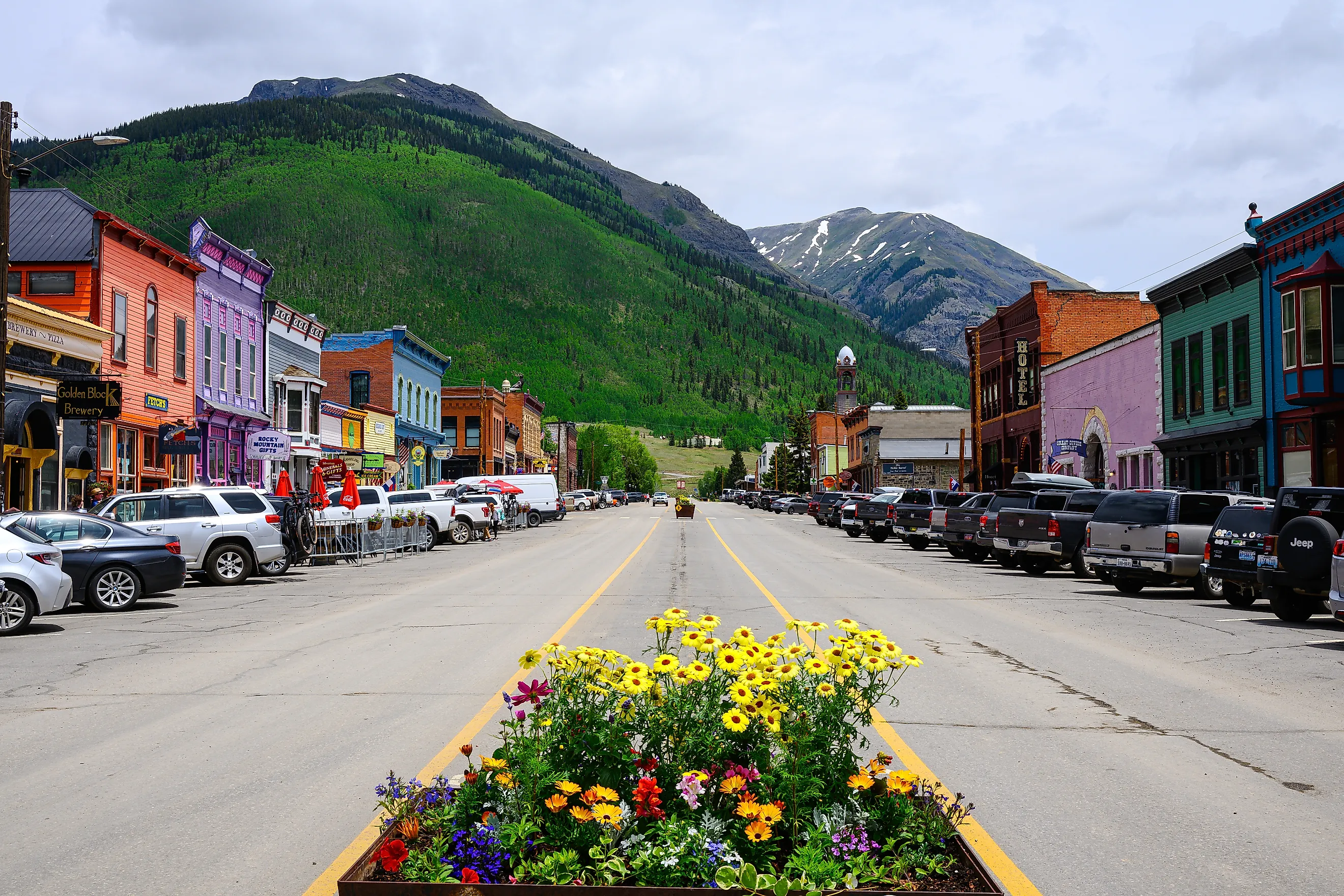
Silverton is a National Historic Landmark located along the scenic San Juan Skyway that winds through the mountains of southwestern Colorado. At an elevation of 9,318 feet, this former mining town is one of the highest elevation towns in the state and a fantastic base camp for a range of outdoor adventure in the San Juan Mountains.
Walking around the town historic district will transport you back to turn of the 20th century. Authentic old-west buildings like the Lacey Rose Saloon look like they've been plucked from the past and the San Juan County Historical Society maintains the Old Silverton Jail and the Old Town Square. Get a closer look at the tough lives lead by early prospectors by taking a tour of the Old Hundred Gold Mine, where you can pan for gold and silver and watch live mining demonstrations, or visit the Animas Forks ghost town where several original buildings remain intact. Get out into the mountains by hiking the Ice Lake Trail through subalpine meadows to a gorgeous turquoise lake surrounded by craggy rock formations and wildflowers. If you aren't up for a hike, you can still enjoy the mountain scenery by driving the scenic, high-elevation Million Dollar Highway through Red Mountain Pass, or by taking a ride on the Durango and Silverton Narrow Gauge Railroad.
Ouray

Often referred to as the "Switzerland of America," Ouray is just around a forty-five-minute drive from Silverton on the Million Dollar Highway. The town is situated in a geographic bowl, framed on all sides by towering peaks, deciduous forest, and cascading waterfalls. This welcoming high alpine community draws visitors all year round, but summer is a great time to visit once the snow melts and reveals a vast network of hiking trails, 4x4 roads, and wildflower meadows in the surrounding mountains.
Visitors can wander down a main street lined with locally owned shops selling outdoor gear, artisan goods, and western apparel. The Wright Opera House is the town's creative hub and hosts film screenings, live music, and trivia nights throughout the year. One of the most unique hikes in the region is the Ouray Perimeter Hike which begins at the town's visitor center. The five-and-a-half-mile route features views of the town from above as well as four waterfalls and remarkably varied terrain. The route takes you through Box Cañon Falls Park, where you can watch the thundering cascades of Canyon Creek pour down a narrow gorge into the Uncompahgre River. Several local companies offer Jeep and OHV rentals for exploring the rugged mountain roads outside of town. You can also book tours with experienced drivers and guides if you're less comfortable with off-road driving. After a long day of adventuring, relax in the town's Hot Springs Pool, or grab a drink and a bite to eat at the Ouray Brewery to unwind.
Creede

Set inside a volcanic caldera in the San Juan Mountains, Creede is one of Colorado's most authentic old west mining towns. The town's historic main street is lined with 1890s storefronts, and surrounded by sheer, towering cliffs and its proximity to the headwaters of the Rio Grande river and the Rio Grande National Forest make it a prime destination for fisherman, hikers, and water sports enthusiasts.
Explore the town's mining history by visiting the Creede Historical Museum, which showcases artifacts and memorabilia in an old railroad depot downtown. One of the most unique attractions is the Underground Mining Museum, located completely underground in an area blasted out of the solid rock cliffs surrounding the town. You can go on a local-led or self-guided tour to see dioramas of mining techniques and equipment. Back above ground, catch a theater production at the award-winning Creede RepertoryTheater or drive the scenic Silver Thread Byway and hike out to the North Clear Creek Falls overlook in the Rio Grande National Forest. Creede is also home to the World's Longest Fork, a forty-foot long piece of aluminum cutlery weighing over 600 pounds. Every June, the town hosts its annual Donkey Dash, a ten-mile burro race through the heart of downtown. The event also features a farmers market and live music all day long.
Salida

With the Sawatch Range to the west and the Sangre de Cristo Range to the east, it's easy to see why Salida is known as "The Heart of the Rockies." Located on the banks of the Arkansas River, this art-filled community is Colorado's largest National Historic District and its first Certified Creative District. Miles of hiking and biking trails, whitewater rafting adventures, and gold medal fishing wait outside of the town limits, and the thriving culinary scene has options ranging from casual eateries to award winning fine-dining establishments.
The Arkansas Hills are home to an extensive trail network for both hiking and mountain biking. The Rise-n-Shine Trail is a very popular and moderate hike that leaves right from downtown Salida offering incredible views and the possibility of seeing bighorn sheep roaming the mountainsides. More experienced hikers might be drawn towards the Collegiate Peaks north of town. These mountains comprise the highest concentration of 14,000-foot peaks in the country and their summits offer incredible views of the Upper Arkansas Valley. If you aren't up for strenuous hike, you can still enjoy this dramatic mountain range by driving the Collegiate Peaks Byway where several summits are visible from the road. Get out on the Arkansas River by visiting Salida's Whitewater Park where you can kayak or tube through the heart of downtown. Relax at the Salida Hot Springs Aquatic Center, the largest indoor hot springs pool in the country, or wander through the art galleries and studios that line the downtown streets. In the summer, Riverside Park hosts a live concert series on Thursdays. The shows are open to the public and drinks and concessions are available for purchase.
Mancos

The town of Mancos may hold the trademark for "Gateway to Mesa Verde," but this historic town has much more to offer than just a stopping place on the way to the National Park. Sitting between Chicken Creek and the Mancos River in southwestern Colorado, the town of Mancos blends old west culture with a busy creative district, several craft breweries, and easy access to the wilderness of the San Juan National Forest.
The area's distinctive landscape once inspired the Western novelist Louis L'Amour and continues to inspire artists to this day. The Mancos Creative District downtown is full of art galleries, colorful murals, and a historic opera house. The emerging craft beverage scene includes establishments like Fenceline Ciders, made with locally grown apples and the Mancos Brewing Company, a popular public house on the eastern edge of town. For a more traditional watering hole, stop by the Columbine Bar, one of the oldest operating bars in Colorado. Every summer since 1958, the town has put on an annual festival known as Mancos Days. This three daylong celebration includes pancake breakfasts, fun runs, and a culminating rodeo. If you're looking for a little more solitude, hiking the Chicken Creek Trail is an excellent way to explore the wilderness of the San Juan National Forest.
Escape the crowds this summer in these Colorado towns!
Colorado has more small towns worth a summer visit than any road trip can fit. Outside Montrose you can explore the state's least visited National Park. Nearby you can rent an OHV for the unpaved roads of the San Juan Mountains or catch a long-running festival like Paonia's Cherry Days. Some of these towns lead you into secluded wilderness while others center on a working arts scene, and all of them offer memorable summers well away from the crowds.