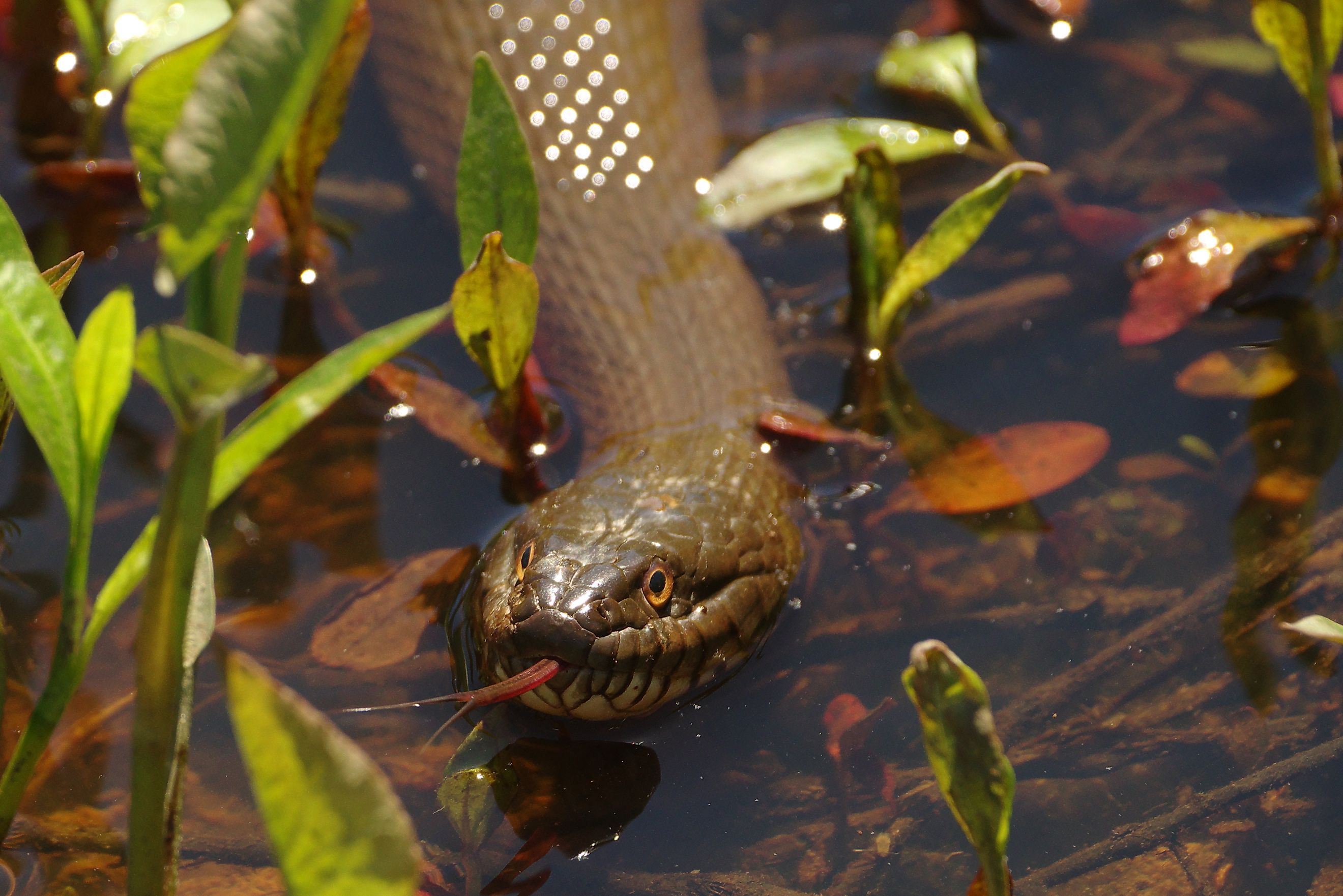
6 Snake-Filled Waters In New Jersey
New Jersey is smaller in area than many states, but its variety of wetlands, lakes, rivers, and coastal marshes supports an outsized diversity of reptiles, including several species of water-loving snakes. Those who venture into the state’s marshes, reservoirs, and lowland rivers will find frequent sightings of the northern water snake, as well as ribbon snakes, black rat snakes, and other species that thrive where water, prey, and sheltered banks meet. These bodies of water represent some of the places around the Garden State where snake activity is most reliably observed, from freshwater reservoirs ringed by forest to tidal marshes that edge the Atlantic.
Great Swamp National Wildlife Refuge

The Great Swamp National Wildlife Refuge is a patchwork of marsh, woodland, and slow channels within the upper Passaic River basin where water and land meet across around 7,800 acres of protected habitat. The refuge supports a broad reptile community, and visitors commonly encounter water-associated snakes along the margins of vernal pools, streams, and oxbow ponds. The northern water snake can frequently be seen basking on logs or hunting in shallow water, while species such as the eastern garter snake and the black rat snake appear along drier trail edges and shrub borders.

With a mosaic of open wetlands, reed beds, and shaded forest, the refuge offers plentiful hunting opportunities for snakes: tadpoles, frogs, small fish, and aquatic invertebrates are abundant food sources, and woody cover provides sunning spots and escape routes. Trails and boardwalks concentrate human traffic, so most snakes retreat to quieter banks, but spring and early summer are prime times for sightings when snakes are actively feeding and warming themselves after hibernation. If seeking herpetofauna, approach quietly, wear sturdy footwear, and give animals room to move.
The Mullica River

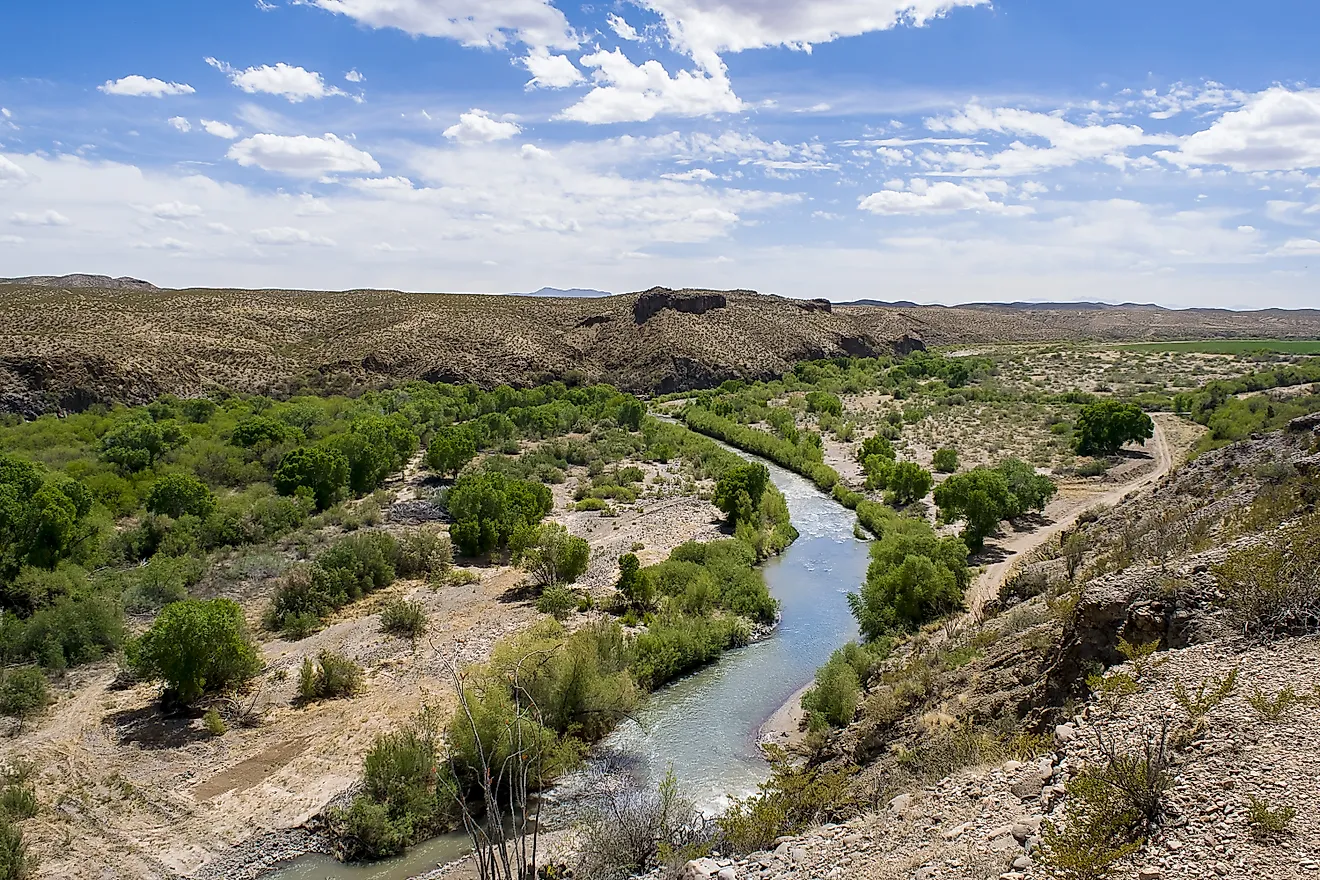
Flowing for more than 50 miles through the heart of the New Jersey Pine Barrens, the Mullica River threads slow channels, cedar swamps, and tidal marsh before reaching Great Bay and the Atlantic Ocean. The river’s shaded banks, shallow tributaries, and connected wetlands create conditions favored by both aquatic and terrestrial snake species. Naturalists report regular sightings of the northern water snake and the ribbon snake along shorelines and in cattail edges, while upland sand barrens and the surrounding pitch pine forests host corn snakes, black racers, and the state-significant northern pine snake.

The Pine Barrens’ sandy soils, abundant amphibian populations, and relatively low human density allow snake communities to persist at healthy densities. Anglers, paddlers, and hikers who explore the Mullica’s floodplain encounter snakes most often on warm, sunny days on rock outcrops and fallen logs; at night, some species move farther from water while others hunt along the river corridor. Because the Mullica winds through state forests and conservation lands, visitors benefit from marked trails and interpretive guidance that encourage safe wildlife viewing and help protect sensitive habitats.
The Maurice River

The Maurice River courses through southern New Jersey and stretches around the Maurice River Bluffs and associated preserves, which support a mix of tidal marsh, freshwater ponds, and riparian woodland. Those freshwater pockets and marshy backwaters create ideal hunting grounds for water-adapted snakes, and both anglers and birders will find frequent encounters with Nerodia (water snake) species near stream edges and boat launches.

The bluffs themselves offer rocky, sunlit ledges where non-aquatic snakes such as the black rat snake may bask, while quiet coves and roadside wetlands attract ribbon snakes and garter snakes. The Nature Conservancy and local land trusts have prioritized the bluffs for habitat protection because of their biodiversity, and those protected lands maintain the ecological continuity that allows snake populations to thrive. For visitors interested in reptiles as well as birds and plants, the Maurice River corridor delivers a cross-section of coastal plain wildlife and plentiful places to watch shoreline activity from safe distances.
Barnegat Bay

Barnegat Bay and the complex of marshes within and near the Edwin B. Forsythe National Wildlife Refuge form a coastal mosaic of salt marsh, tidal creeks, and managed impoundments. Although coastal systems support different species than inland freshwater lakes, the marsh edges and brackish ponds sustain a mix of reptiles, including diamondback terrapins and, in nearby fresh and brackish channels, water snakes such as Nerodia species, where salinity permits.

The refuge’s impounded wetlands and barrier-island sloughs concentrate food resources for fish and amphibians and, in turn, for snakes that hunt along the shallows and on exposed banks. Refuge staff and visitor materials note that the area is rich in wildlife year-round, and spring high tides and warm, calm days are productive periods for animal activity. Visitors should follow refuge rules, remain on designated trails, and observe wildlife with binoculars or a camera rather than attempting to touch or move animals encountered along the shore.
Lake Hopatcong

As New Jersey’s largest freshwater lake, Lake Hopatcong supports a long shoreline of shallow coves, wetland edges, and emergent vegetation that attract aquatic predators and the reptiles that prey on them. Boaters, shore anglers, and lakeside residents report encounters with the northern water snake along rocky points, marina edges, and among the lake’s reed beds. The lake’s size and habitat diversity give snakes access to both open water and sheltered feeding grounds; small fish, frogs, and invertebrates are abundant near docks and in the shallows, creating reliable food supplies for water-associated species. Northern water snakes, black rat snakes, and occasional venomous copperheads can be found here.

While Hopatcong is a major recreational hub, its many quieter inlets are where snakes are most likely to be seen; observers note that heavy human activity on the main beaches and marinas reduces visible snake activity there, while lesser-used coves remain productive wildlife zones. As with other waters, educating visitors about safe, observation-only encounters helps prevent harm to snakes and people alike.
Merrill Creek Reservoir

Nestled in the highlands of northwest New Jersey, Merrill Creek Reservoir is an engineered lake surrounded by extensive forest and a protected environmental preserve. The reservoir’s rocky edges, shallow inlets, and natural buffer of forested hills create the transitional habitat snakes favor: sun-warmed stones and logs for basking, shallow water for hunting, and surrounding understory for cover. Northern water snakes are commonly reported on the shoreline, and observers also encounter other nonvenomous species such as rough green snakes and eastern milk snakes among the adjacent woodlands.

The site’s mix of open water and protected shoreline encourages a balanced ecosystem where snakes contribute to controlling small vertebrate populations. Visitors who hike the perimeter trail or fish from designated shore points are likely to find snakes at certain times of year, notably in late spring and summer when reptiles are most active. Park signage and preserve outreach emphasize wildlife respect and safe viewing practices.
Share the Shoreline Safely
New Jersey’s lakes, rivers, marshes, and reservoirs host an intriguing assemblage of snakes that reflect the state’s ecological variety. For travelers drawn to wildlife viewing, keeping a respectful distance, avoiding handling, and learning a few identification tips are the best ways to enjoy encounters while protecting animals and people. Most snakes encountered near the state’s waters are nonvenomous and perform valuable roles in local food webs by moderating amphibian and rodent numbers. Quiet observation with binoculars, using established trails and boardwalks, and consulting visitor centers or official refuge materials will enrich any outing while reducing disturbance to habitat. Those seeking photographs may find abundant subjects at dawn and late afternoon along quiet banks and marsh edges.