6 Snake-Filled Waters In Massachusetts
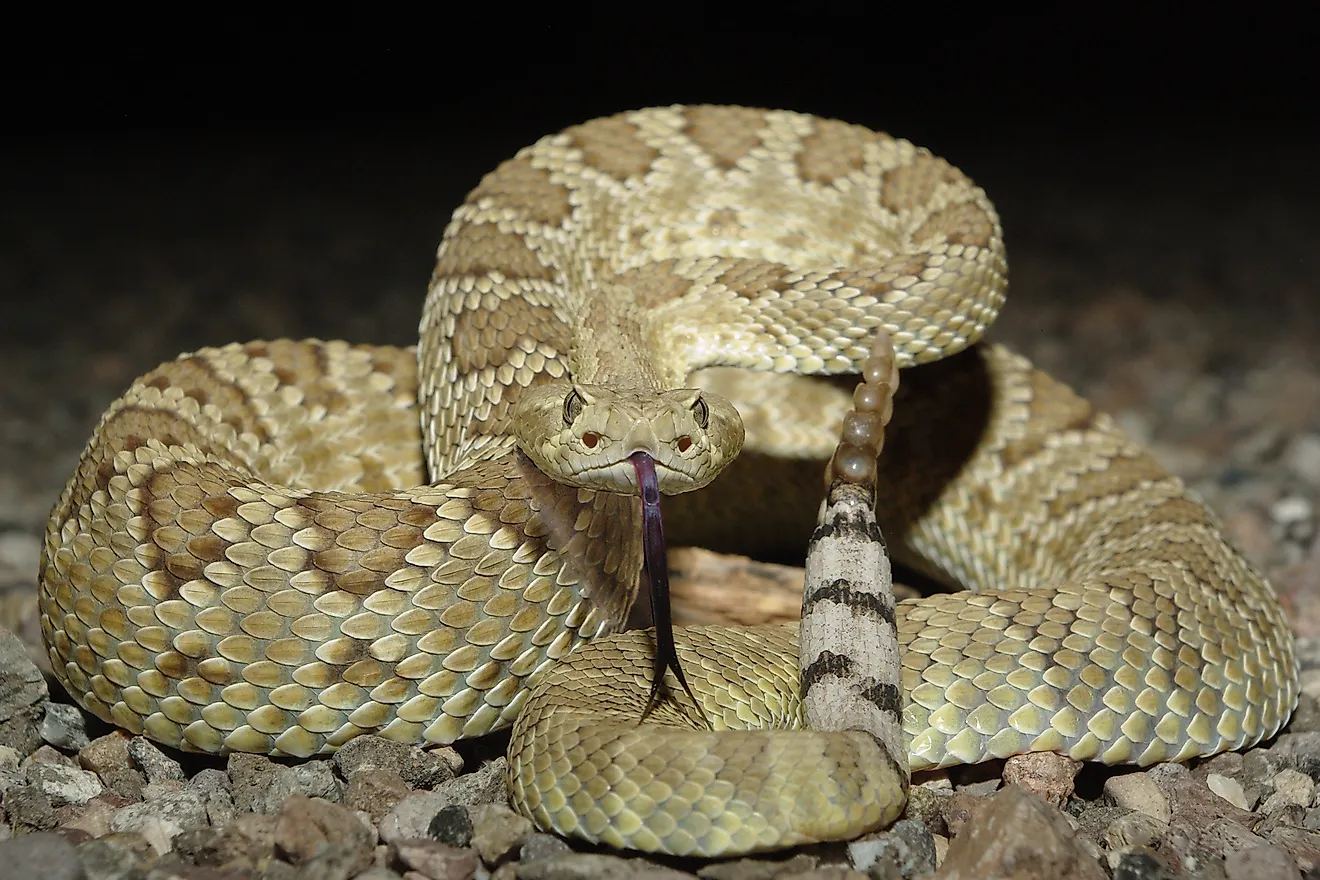
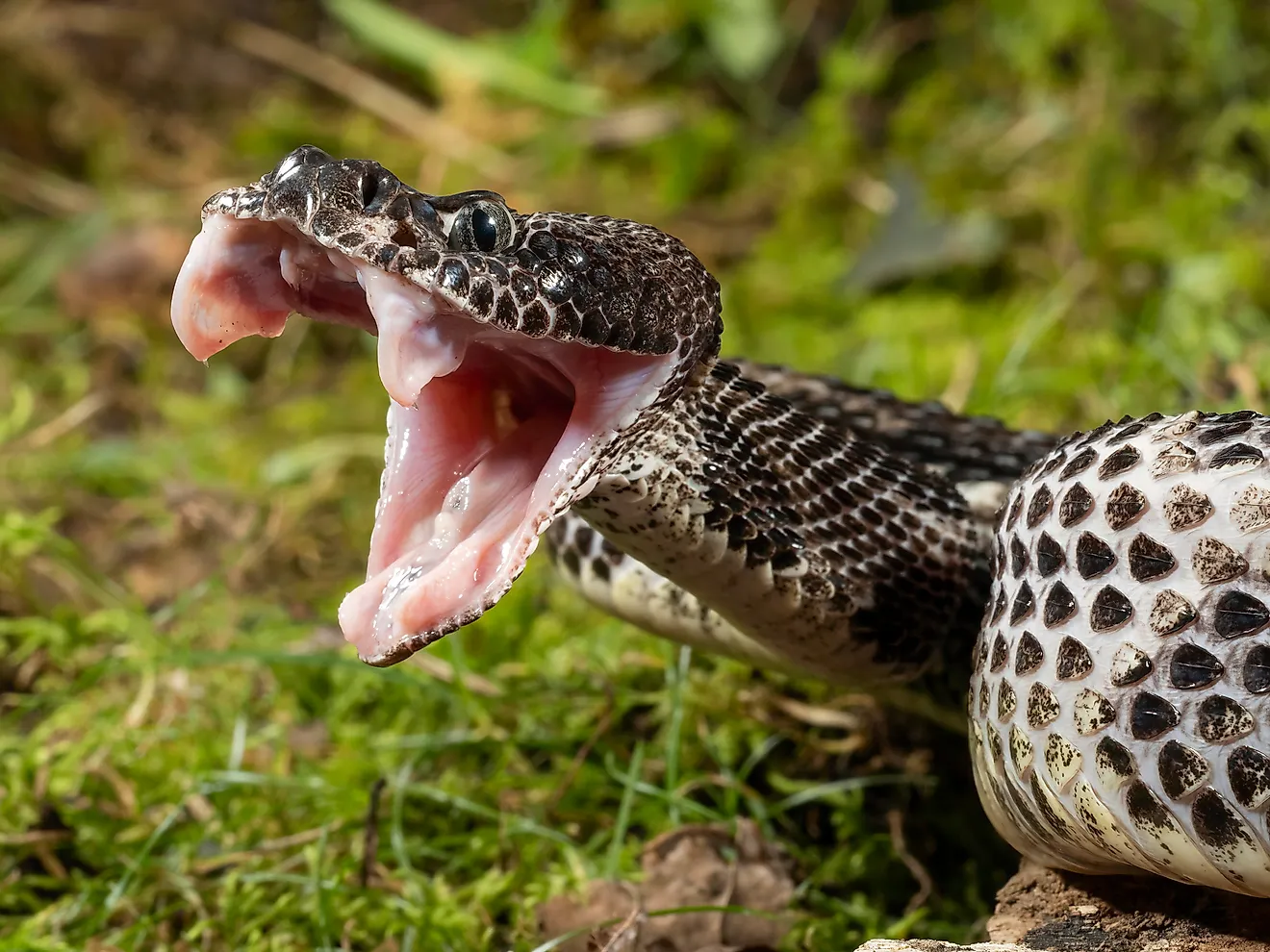
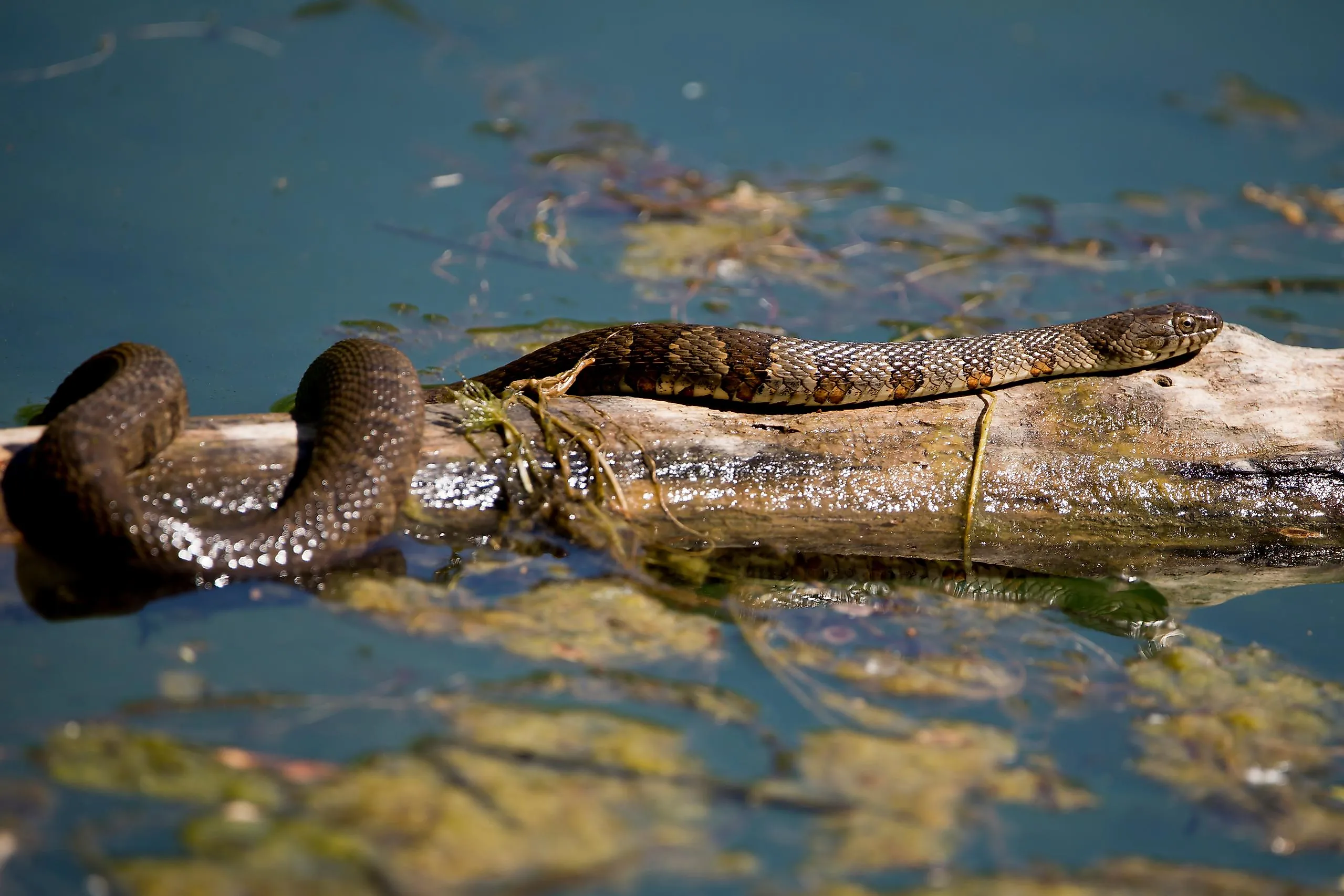
Massachusetts is home to a surprisingly diverse snake fauna. Fourteen native species inhabit its forests, wetlands, and shorelines. Most are nonvenomous, which is reassuring for people who spend time near these bodies of water. The northern water snake and common garter snake are the species most often seen, since they thrive in moist, water-adjacent habitats. Only two native species, the timber rattlesnake and northern copperhead, are venomous, and both are endangered and rare in most of the state. Because snakes can make many people nervous, it helps to understand their habitats before visiting these snake-filled bodies of water.
Quabbin Reservoir

Quabbin Reservoir, surrounded by tens of thousands of acres of protected forest and wetlands, is the state’s largest inland reservoir. Because the surrounding land is protected, it creates an ideal habitat for many of Massachusetts’s snake species, such as the northern water snake and the garter snake.

Many people visit Quabbin Reservoir to fish, boat, bike, or run, and snakes use the extensive shoreline and abundant sources of prey, including rodents and amphibians. In 2017, there was a plan to introduce and breed timber rattlesnakes, a venomous species that is endangered in Massachusetts, in Quabbin Reservoir. The idea was halted when residents opposed it due to safety concerns for people who use the reservoir for recreation.
Wachusett Reservoir

Wachusett Reservoir, about 50 miles west of Boston, is a large body of water with an extensive shoreline and protected watershed lands. Visitors commonly encounter water snakes here, along with other wetland reptiles.

Common garter snakes, red-bellied snakes, Dekay’s brownsnake, common water snakes, ring-necked snakes, and eastern milk snakes inhabit the shores and sometimes swim through the water. Although not all areas of the reservoir are open to the public to protect water quality, visitors who come across a snake should leave it undisturbed, regardless of whether it is a venomous species.
Spot Pond

Spot Pond, part of a chain of ponds in the Middlesex Fells Reservation, has a mix of rocks, sunning sites, and shallow edges that water snakes and garter snakes use throughout the year. Although the word pond usually refers to a smaller body of water, the name can be misleading. Spot Pond is large enough for boating and contains multiple islands, including Bold Point and Great Island.

A variety of native snake species thrive here year-round, using the trees, brush, logs, and other sheltered areas during colder months. Stone Zoo is next to the pond for visitors who prefer to view snakes in an enclosure.
Assabet River

Northern water snakes inhabit the Assabet River’s marshes, backwaters, and refuges. The river runs through the Assabet River National Wildlife Refuge, one of the Eastern Massachusetts National Wildlife Refuge Complexes, and supports a wide range of plants and animals. Snakes use the river’s many sunbathing sites throughout the warmer months.

Swimming is allowed in parts of the river, but swimmers may encounter a snake in the water. The species is usually nonvenomous, such as the common water snake. People who are uncomfortable swimming near snakes may choose to stay on a boat or on the shore.
Great Meadows National Wildlife Refuge

Great Meadows is primarily a freshwater wetland and an ideal setting for aquatic reptiles. It lies about 25 miles outside Boston. The refuge’s marshes and the banks of the Concord River, which runs through this federally protected area, are natural places to find water snakes and other wetland species.

Northern water snakes are believed to be the most common in the refuge, and red-bellied snakes also occur here, although Great Meadows is known for its biodiversity. Many species of snakes, along with other reptiles, amphibians, and mammals, live here. In the summer, snakes often bask on rocks to warm themselves, and in the winter, they hibernate underground or in other protected areas.
Walden Pond

Visitors of Walden Pond, made famous by American writer Henry David Thoreau, often encounter northern water snakes while exploring the area. The pond lies just outside the city of Concord and draws hundreds of thousands of visitors each year.

Local nature observers confirm that northern water snakes patrol the pond’s perimeter. Even though this species is nonvenomous, it is still helpful to watch for these snakes and respect their habitats. Other nonvenomous species, such as common garter snakes and eastern milk snakes, also make their home along the edges of Walden Pond.
Safety and Awareness Near Massachusetts Waters
The presence of snakes should not prevent people from hiking, paddling, or fishing near Massachusetts shores. These bodies of water and their surrounding areas are biodiverse places that visitors can appreciate. Maintaining a respectful distance from snakes is an important part of entering their habitats. If a snake appears in one of these reservoirs, lakes, or ponds, there is no need to panic. Most snake species in Massachusetts simply move through the water, rest in the sun, or hunt small animals.