7 Small Towns in Florida with the Best Downtowns
In Florida, the best downtowns grew from railway stops and shipping ports, not planning committees. Spanish land grants laid out town squares and public plazas centuries before anyone discussed walkability scores. Railway lines determined where hotels would rise, and natural harbors dictated which streets would fill with warehouses storing supplies near the water. Whether you're sitting by the Gulf in Apalachicola or climbing the rare hills of Mount Dora, these seven small-town downtowns took shape around the needs of their community. Let's explore these great downtowns in Florida and discover what makes them so special.
Mount Dora

This Lake County town sits on a hill (a genuine rarity in Florida), and its sloping streets lead down to Lake Dora. The town started in the 1880s when homesteaders arrived and named it after an early settler whose family owned land near the lake. With its cobblestone streets and historic brick buildings, the downtown runs out from Donnelly Park, a central green space that hosts community events throughout the year.
The Modernism Museum sits south of the square in a former Royellou Museum building, now dedicated to mid-century design and architecture. Stop at Cody's on 4th, a multiple winner of Mount Dora Buzz Awards, including best breakfast spot, best cup of coffee, and best desserts. Their carrot cake alone is worth the visit. For lunch or dinner, Goblin Market Restaurant and Lounge serves eclectic fare in three book-lined dining rooms and an exquisite lounge. If you're visiting on a weekend, the Mount Dora Farmers Market takes over a parking lot near the waterfront. Vendors set up before dawn, selling everything from local produce to fresh-caught seafood.
Apalachicola

In the Panhandle fishing town of Apalachicola, the working port sits right on the main drag. The town started as a cotton shipping hub in the 1830s. By the mid-1800s, Apalachicola had become the third-busiest port on the Gulf Coast, behind only New Orleans and Mobile. Steamboats carried cotton down from Georgia and Alabama, and the waterfront filled with brick warehouses that still stand today.
Water Street runs parallel to the Apalachicola River, lined with restaurants serving the day's catch. Up the Creek Raw Bar serves oysters pulled from the bay that morning at picnic tables on a deck overlooking the water. On Avenue D (just a block in from the water), Owl Cafe offers upscale dining in a historic 1900 building with shrimp and grits, fried oysters, and fresh amberjack specials.
Grady Market is a quaint shop packed with clothing, gifts, and unique items that reflect the town's maritime character. Throughout downtown, there are multiple art galleries featuring local artists working in everything from photography to pottery. The Apalachicola Center for History, Culture & Art occupies the old post office building on Avenue E, where the original marble floors and brass fixtures remain intact.
Fernandina Beach

Fernandina Beach on Amelia Island grew during the phosphate and lumber boom of the 1880s. Centre Street runs from the waterfront straight into 50 blocks of historic Victorian-era buildings. Most of the architecture is in the Queen Anne and Italianate styles, and the buildings now house numerous restaurants, shops, and galleries. At the foot of Centre Street, the Florida House Inn has operated since 1857, making it the state's oldest continuously-running hotel. Ulysses S. Grant stayed there, along with various railroad magnates and phosphate barons.
The Amelia Island Museum of History occupies the old Nassau County jail, a brick building from 1938, where walking tours cover the town's eight flags (it's the only American municipality to have been under that many different governments), from French and Spanish to Confederate and back to American. The Palace Saloon, founded in 1903, is Florida's oldest continuously operating bar, serving signature cocktails, live music, and pool tables. If you prefer something more modern for dinner, Wicked Bao is a pleasant diversion, serving Asian street food including Taiwanese buns, pork ramen, and kimchi fried rice in a trendy space just off Centre Street.
Dunedin

Scottish merchants fashioned this Gulf Coast town and gave it a Gaelic name (Dunedin means "Edinburgh"). They built the downtown along railroad tracks that connected citrus groves to northern markets. Main Street runs perpendicular to those tracks (now the Fred Marquis Pinellas Trail, a 47-mile paved path that cuts through the center of town). A great place to start an exploration of downtown Dunedin is the Dunedin History Museum, located in the old railroad station, with exhibits on the Scottish founders and the town's brief period as a major citrus hub.
Today, there's renewed interest in the citrus heritage, spurred by a working brewery district. Dunedin Brewery is the oldest microbrewery in the state, and Woodwright Brewing Company is an award-winning local brewery. For food, Crown & Bull offers modern American fare, including Florida grass-fed steaks and locally sourced seafood, and has been a Dunedin landmark for nearly 30 years, with unique indoor and outdoor seating. If you have a chance, walk or bike along the Fred Marquis Pinellas Trail that runs from St. Petersburg north to Tarpon Springs.
Winter Park

This Orlando suburb grew around a chain of lakes in the 1880s, when New England snowbirds arrived to escape the cold of harsh winters. Park Avenue runs through the center, a brick-paved boulevard lined with live oaks and bordered by Central Park, a green space that hosts year-round art festivals and weekend gatherings. The street stretches eight blocks with local storefronts housed in buildings from the 1920s and 30s.
The Charles Hosmer Morse Museum of American Art sits just off Park Avenue. This museum features the world's most comprehensive collection of works by Louis Comfort Tiffany, including the chapel he designed for the 1893 Chicago World's Fair.
For food, The Chapman serves contemporary American cuisine in a warm, art-filled space designed and inspired by Chef Cliff Pleau, who created Season's 52 and Walt Disney World's California Grill. Boca specializes in farm-to-table cuisine made with local ingredients, with a menu that changes with what's fresh and seasonal. Stop at Peterbrooke Chocolatier for European-style chocolates made in-house from ethically sourced cocoa beans, plus eighteen flavors of gelato.
Sanford

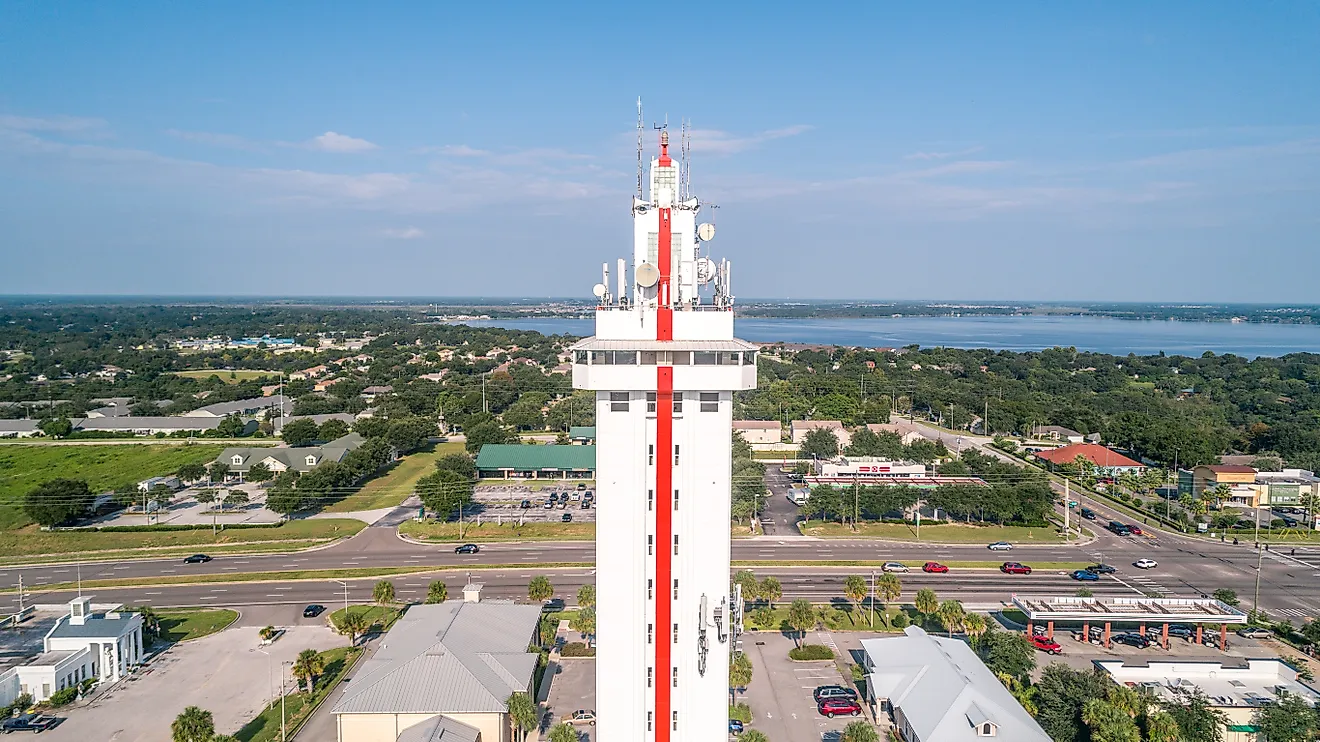
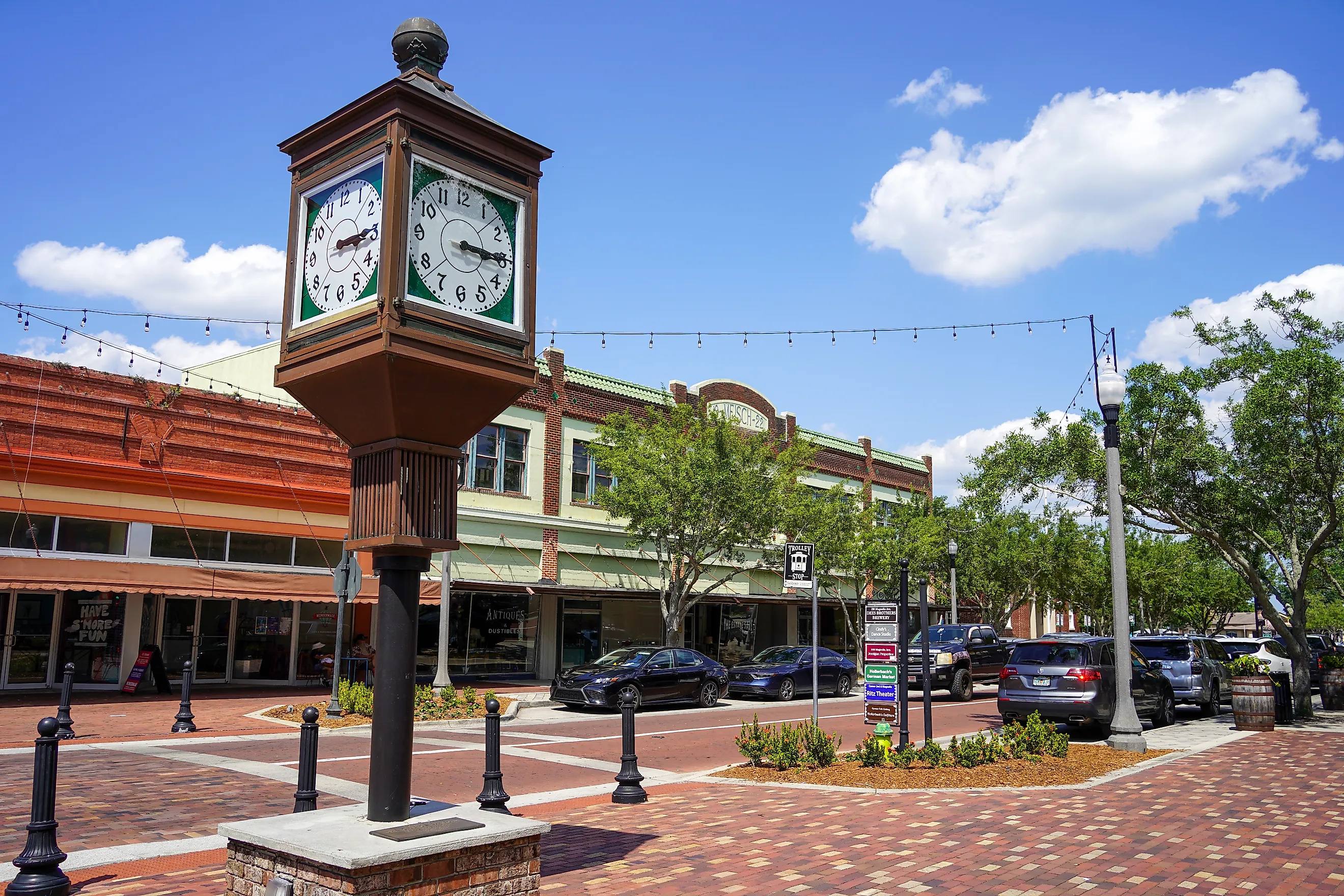
This small Florida town on Lake Monroe developed as a steamboat port when river travel was a primary mode of transportation. First Street runs parallel to the lakefront, lined with Victorian brick buildings from the 1880s and 90s that once housed hotels, warehouses, and trading companies. In recent years, Sanford has become a Central Florida culinary destination, with award-winning chefs opening restaurants in the historic downtown.
Hollerbach's Willow Tree Café is known for German food and biergarten-style events in a building that started as a pharmacy in the 1930s (if you love authentic schnitzel and sauerkraut, you won't be disappointed). Ace Cafe Sanford opened in October 2025, bringing the world-famous British motor-diner concept to downtown with smashburgers, fish and chips, two full-service bars, and live music every Friday and Saturday. The Breezeway Restaurant & Bar occupies a unique courtyard between two historic buildings, serving surf and turf with live music ranging from jazz to country. After you have dined, walk the Sanford Riverwalk that extends along the lakefront from the marina past Fort Mellon Park. You can still walk the shoreline where soldiers once patrolled, though these days it's just joggers and people fishing off the seawall.
DeLand

Called the "Athens of Florida" by its founder, Henry DeLand, this Central Florida town was built around Stetson University, the state's oldest private college, founded in 1883. Downtown stretches along Woodland Boulevard, lined with red-brick buildings and live oaks planted in the 1880s. The Athens Theatre, opened in 1922 with Italian Renaissance architecture, still hosts live performances and films in its restored Art Deco interior.
Persimmon Hollow Brewing Company operates on West Georgia Avenue, serving craft beers in a welcoming taproom that draws both students and locals. For food, Cress Restaurant offers upscale farm-to-table dining, with seasonal menus built around local ingredients. The Museum of Art DeLand is located at N. Woodland, right in the town center, with rotating exhibitions and works by local artists. For an authentic feel of downtown, be sure to walk Artisan Alley off Georgia Avenue, where local artists maintain studios and boutiques, and where a Friday night farmers market fills the narrow passage with vendors and live music.
Visit These Seven Best Downtowns In Florida
These seven downtowns prove that Florida's small towns developed their own identities long before chain stores and planning committees. Whether you love Mount Dora's hillside streets, Apalachicola's working waterfront, or Winter Park's brick-paved boulevards, each offers something you won't find replicated elsewhere. The best part? They're all within a few hours' drive of each other, making them perfect for a weekend of exploring. So, take a break from the theme parks and beaches and pick a downtown district to explore; you might find your new favorite place.