6 Underrated Louisiana Towns Worth the Drive in 2026
Louisiana’s character reveals itself most clearly in its smaller towns, where lakefront paths wind beneath live oaks, jazz still echoes inside century-old halls, and fishing boats return at dusk with the day’s catch. In towns like Mandeville and St. Francisville, you can trace Creole history through preserved cottages and plantation homes, or wander quiet streets where local markets and music nights set the rhythm of the week. On Grand Isle, life revolves around the Gulf and the rhythm of the tides, while in Abita Springs, artesian water and quirky folk art give the town its distinct personality. These six underrated communities offer a deeper look at the food, stories, and traditions that continue to shape life across the state.
Abita Springs

A small town on the North Shore, Abita Springs is a one-hour drive from New Orleans. The town is perhaps best known for its artesian springs, originating from a deep, naturally alkaline aquifer. Known for its healing properties, the springs attracted visitors seeking the water as a curative, and by the late 1800s, the town was prospering as a health destination. Today, Abita Brewing Company says it brews with water from artesian wells, a point of pride that connects the brand to the area’s spring-water history.
Downtown Abita Springs is a quirky, historic district with an artistic vibe. The town is also a stop on the Tammany Trace, a 31-mile paved multi-use rail-trail connecting the towns of Abita Springs, Mandeville, Lacombe, and Slidell. The flat trail is open to cycling, walking, and rollerblading, and provides access to several parks, natural areas, breweries, and Fontainebleau State Park.
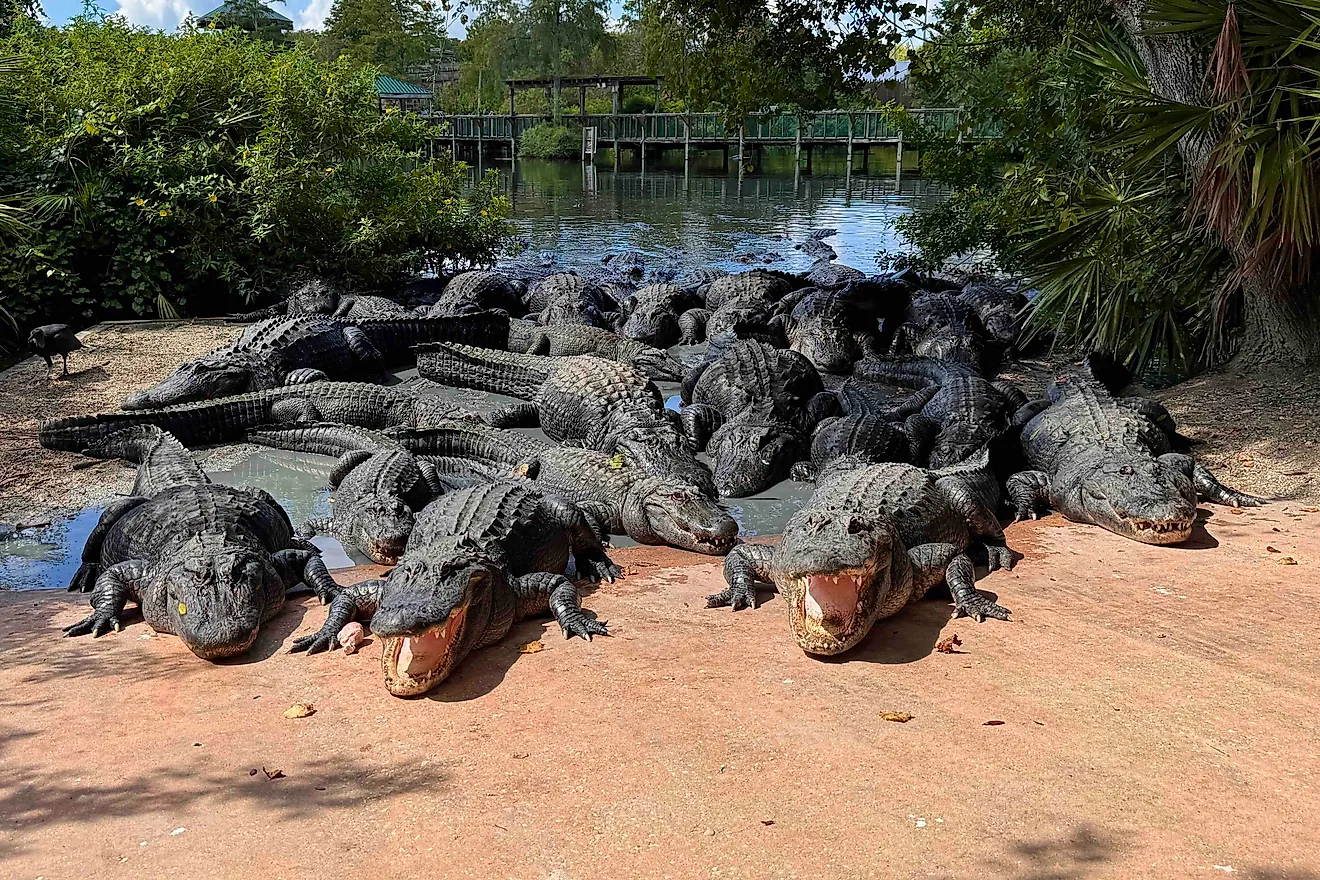
Abita Brewery is a big part of Abita Springs’ culture and identity. In downtown Abita Springs, Abita Brew Pub is a rustic spot for classic Louisiana food. For more Southern comfort food, Abita Springs Cafe serves breakfast and lunch. Abita Springs Trailhead & Park is the central hub for community events, with farmers' markets and access to the Tammany Trace. For something different just outside of town, Insta-Gator Ranch & Hatchery offers tours and education on the Louisiana alligator industry, and includes an opportunity to hold a baby alligator. An eclectic roadside attraction, Abita Mystery House features folk art, found object dioramas, and odd inventions, all housed in a former gas station.
Mandeville

Mandeville is a historic town on the north shore of Lake Pontchartrain. The town is well-known for its lakefront, giant oak trees, and its close-knit, vibrant community. Mandeville is part of the Tammany Trace, a trail that connects to several towns, including Abita Springs. By car, the two towns are 15 minutes apart, while New Orleans is 45 minutes from Mandeville. The Mandeville lakefront serves as the town’s central hub for community events and recreation. There is a paved walking path along Lakeshore Drive, with several waterfront eateries. Downtown Mandeville, often called Old Mandeville, is a historic district on the north shore of the lake, with a walkable grid of streets, giant oaks, and scenic views. Girod Street is the main commercial artery, home to many locally owned businesses, boutiques, restaurants, antique shops, and galleries.
Mandeville Trailhead is on Lafitte St., featuring a restored train depot and an amphitheater for live music. The Trailhead Market takes place weekly, featuring over 80 vendors, selling crafts, food, and produce. Dew Drop Jazz & Social Hall was founded in 1895 and is one of the world's oldest unaltered jazz halls. It still hosts regular live performances over 130 years later. Jean Baptiste Lang House is a Creole cottage that is now a museum and visitor center offering maps for self-guided tours of Creole history in the area. Mandeville is also famed for the Seven Sisters Oak, a massive live oak located near the lakefront along Lakeshore Drive, which is the largest registered live oak in Louisiana.
Grand Isle

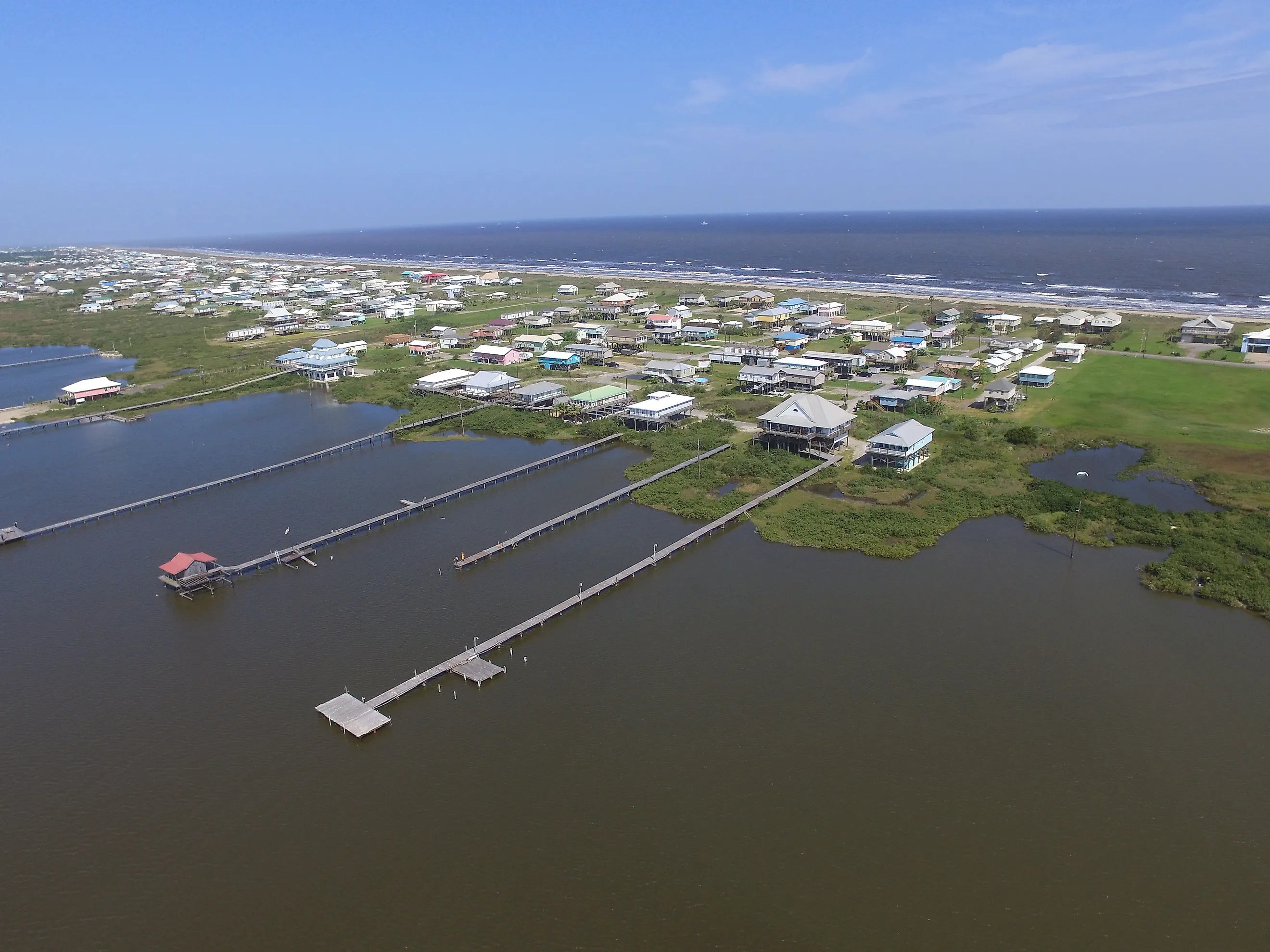
Louisiana's barrier islands are the coastal defenses protecting inland marshes and communities from Gulf storms. These islands are also essential habitats for nesting birds. Grand Isle is Louisiana's only inhabited barrier island, and it has a laid-back and relaxed atmosphere. Grand Isle is a two-hour drive from New Orleans and 1.5 hours from Louis Armstrong New Orleans International Airport. There is no downtown in the traditional sense, as there is no dense grid of streets or high-rise buildings. Instead, community life centers around Hwy 1, along with the island’s connections to seafood and the Gulf of Mexico. Most structures on the island are built on stilts to survive the frequent tropical storms, including hurricanes. To get there from the mainland, Grand Isle sits at the end of Louisiana Highway 1, with a causeway bridge through mangroves and marshland.
Fishing is the main occupation for residents and the main draw for visitors. There are over 280 species of fish in the waters around the island, and fishing is possible pretty much anywhere on the island, even right on the beach. There are two piers, dozens of charter fishing companies, kayak rentals for fishing, and other fishing-related businesses. Grand Isle State Park is on the east end of the island and features nature trails and beach camping. There are many small places to eat on Hwy 1 and at the marinas, where you can get fresh seafood.
Vacherie

Located about an hour’s drive from New Orleans, Vacherie is a town with a deep history in the pre-Civil War South. The town has many large plantation homes and lacks a traditional downtown district, although there are numerous places to eat and shop. Located on the Mississippi River, Vacherie is a great base for exploring sites such as Oak Alley Plantation, Laura Plantation, and St. Joseph Plantation. Oak Alley Plantation is famous for its 300-year-old oaks and Greek Revival architecture. The plantation’s famed 800-foot-long canopy path features 28 evenly spaced oak trees. These trees are over 250 years old and were grown using enslaved labor. Over 220 enslaved men, women, and children worked the plantation, and today the Oak Alley Plantation tells their stories through exhibits, reminding visitors of that dark past.
The area is rich in Creole history, and much of what you will see reflects that cultural heritage, along with the area's plantations. Evergreen Plantation has one of the best-preserved plantation complexes in the South, with 37 historic buildings, including 22 original slave cabins. Laura Plantation is a Creole heritage site providing a detailed look at the family and slave history, with a focus on personal stories. The site offers in-depth tours exploring West African, French, and Spanish influences on local Creole culture.
Henderson

Henderson is situated between Baton Rouge and Lafayette, with a 45-minute drive from the capital and a 20-minute drive from Lafayette. Here, you find yourself deep within Cajun country, and will be well-situated to explore the culture and food of the Cajuns. Henderson is the gateway to the Atchafalaya Basin, a swamp and river delta where the Atchafalaya River meets the Gulf of Mexico. Key activities to look into include Atchafalaya swamp tours. McGee's Louisiana Swamp & Airboat Tours gives you a chance to see the swamp up close. In addition to their swamp tour boats and airboat rides, they also feature guided photography tours and, for the more daring, canoe rentals for self-guided exploration. With its location along the levee in St. Martin Parish, Henderson is an ideal spot for birding and for fishing, particularly for bass and crappie. The community developed in the 1930s, and it remains close-knit but friendly.
Apart from the swamp and outdoor activities, the biggest draw for Henderson is the Cajun cuisine. CT-USA Restaurant & Market features Cajun and Creole dishes, and is famous for their boiled crawfish and seafood platters. Pat's Fisherman's Wharf Restaurant has been around since 1952, and is celebrated for its crab cakes and oysters. Chicken On The Bayou & Boudin Shop is a roadside kitchen and general store, specializing in po’ boys and Cajun seafood dishes. If you are looking to take some Cajun specialities with you, Poche's Market & Restaurant is a meat market famous for its Cajun sausages, located just outside of town.
St. Francisville

Located 60 minutes from Baton Rouge, St. Francisville is a town located on a Mississippi River bluff, known for the 19th-century architecture of its historic district. This downtown core centers around Ferdinand and Commerce Streets, and is a walkable area that serves as the heart of West Feliciana Parish. Here you will find locally-owned shops, cafes, restaurants, and galleries. St. Francisville also serves as an excellent base for touring nearby plantation homes. Downtown is home to a high concentration of preserved buildings, including the West Feliciana Historical Society and Museum, housed in Weydert's Old Hardware Store, which dates back to the early 1800s and was formerly a blacksmith shop. There are also many historic 19th-century churches.
Myrtles Plantation is known as one of America's most haunted homes. The 1796 estate is open to tours, including evening mystery tours with ghost stories and legends. Rosedown Plantation has maintained much of its original look, with the house largely preserved. Afton Villa Gardens are the ruins of a 19th-century mansion, set in 20 acres of seasonal gardens and azaleas. For Civil War history, the Port Hudson State Historic Site preserves the fortifications and battle area of the longest siege in American history. A National Historic Landmark since 1974, the site is significant as the first place where African American soldiers fought for the Union Army under African American field leadership.
Day Trips Off The Beaten Path
There are many ways to experience Louisiana, to take in the food, music, and history of Creole and Cajun cultures, of the cultural melting pot that is the Pelican State. Beyond the cities, you find parts of Louisiana that give evidence of the rich cultural mix that defines the state, from Native American, West African, and Caribbean influences to various European influences, and more. Seeing these towns firsthand will give you a deeper understanding of what makes Louisiana the most unique state in the USA.