7 Small Towns in Utah with the Best Downtowns
Utah is defined by its red rock deserts and historic downtowns shaped by pioneers and railroad workers. Brigham City stands out in northern Utah with a historic district listed on the National Register of Historic Places, where sites like the Brigham City Museum of Art and History preserve the town’s pioneer story. In the Wasatch Range, Park City blends its silver mining heritage with a lively Main Street Historic District featuring the ornate Egyptian Theatre. Farther south, Cedar City pairs historic architecture with a thriving arts scene, where the Utah Shakespeare Festival and Frontier Homestead State Park Museum bring history and culture together in the heart of downtown.
Brigham City

Starting in Northern Utah, Brigham City maintains an eye-catching downtown. Listed on the National Register of Historic Places, the greater downtown historic district is featured on the Brigham City Museum of Art and History walking tour. At least nine of the historic sites are located downtown including the bright red Old City Hall/Fire Station, now the Chamber of Commerce, and the old yellow brick Box Elder County Courthouse which is now the Box Elder County Offices.
Next to the museum itself, visitors stroll through Brigham Young Historic Park. Previously land owned by the famous second president of the church, the park also displays the mid-19th century William Knudsen Log Cabin. Visitors envision pioneer life at the museum. Displays preserve clothing such as leather boots and simple wooden furniture from a bygone era as well as promoting more current local art exhibitions.
Park City

In the Wasatch Mountain Range, 90 miles south of Brigham City, Park City preserves a silver mining history while maintaining a thriving outdoor industry. Listed on the National Register of Historic Places, the Main Street Historic District entertains visitors for blocks. In the heart of downtown, the Park City Museum showcases interactive exhibits including mining equipment, a recreated railcar, the original territorial jail in the basement of historic City Hall, and a Skier Subway railcar.
Only a block away from the museum, the historic Egyptian Theatre hosts concerts, theatre, comedy, special events and community functions. Once known as the Dewey Theatre in the late 19th century, the theatre underwent at least three renovations over the years, preserving the building for generations. Now visitors still enjoy the lotus leaf motifs, scarabs, hieroglyphics and symbols influenced by the discovery of King Tut’s tomb over 100 years ago while watching live performances on the stage. Also unique to the area, the Town Lift runs from the downtown area up to the mountain for skiing in the winter and hiking in the summer. The abandoned Silver King Mine still sits near the top of the chairlift so visitors can view the exterior of it during their outdoors activities.
Midway

Less than 20 miles away from Park City, the Swiss-inspired small town of Midway delights visitors year-round. The annual Swiss Days Festival, on the Friday and Saturday before Labor Day, draws the community and visitors into the downtown area. The festival honors the history of the first Swiss settlers with highlights of the festival including a 10K race, parade, live entertainment on the main stage, performances inside the historic Midway Townhall and hundreds of vendors set up in the Midway Town Square. During the summer months from June through August, Midway features the Music on the Square summer concert series which celebrates live local music every Wednesday evening. During the winter, the Midway Ice Rink Committee operates the public ice rink next to the town hall.
Vernal

In the northeastern corner of the state, Vernal claims Utah’s dinosaur capital with the large pink Dinah the Dine-A-Ville Dinosaur, listed on the National Register of Historic Places. On Main Street, the Utah Field House of Natural History State Park Museum greets visitors in the rotunda with a towering Diplodocus skeleton. Visitors can try hands-on activities that demonstrate how paleontologists distinguish fossils from surrounding rock in the museum’s fossil lab. A gallery displays three large dinosaur skeletons. Exhibits also showcase fossils found in each of the four main time periods of Earth's history.
Just across the street, the Museum of Uintah County preserves and displays artifacts from the people that came well after the dinosaurs. The museum features the First Peoples Exhibit, Local History Exhibits as well as an art gallery. Kiddy corner to the museum, Vernal Theatre: LIVE maintains the old movie theater built in the late 1940’s and celebrates the present performing arts. Not only does the theatre entertain locals and visitors with regular live performances, but they also foster acting opportunities in the community.
Helper

In Eastern Utah, the town of Helper preserves their coal mining and railroad heritage. Listed on the National Register of Historic Places, the Helper Historic District downtown offers visitors a glimpse into their storied past. Starting at the Helper Museum on Main Street, visitors walk through a mock-up coal mine, visit the jail, smithy and old themed hotel rooms. After perusing the museum, visitors can walk around the oval Helper Mining Display track located across the street. The display exhibits old mining and railroad equipment while visitors enjoy a little exercise and fresh air outdoors. Just down the block, the Rio Theatre hosts live music and events. Since 1994, they’ve also hosted the annual Helper Arts, Music, and Film Festival in mid-August where the town shuts the entire street down for the anticipated event.
Moab

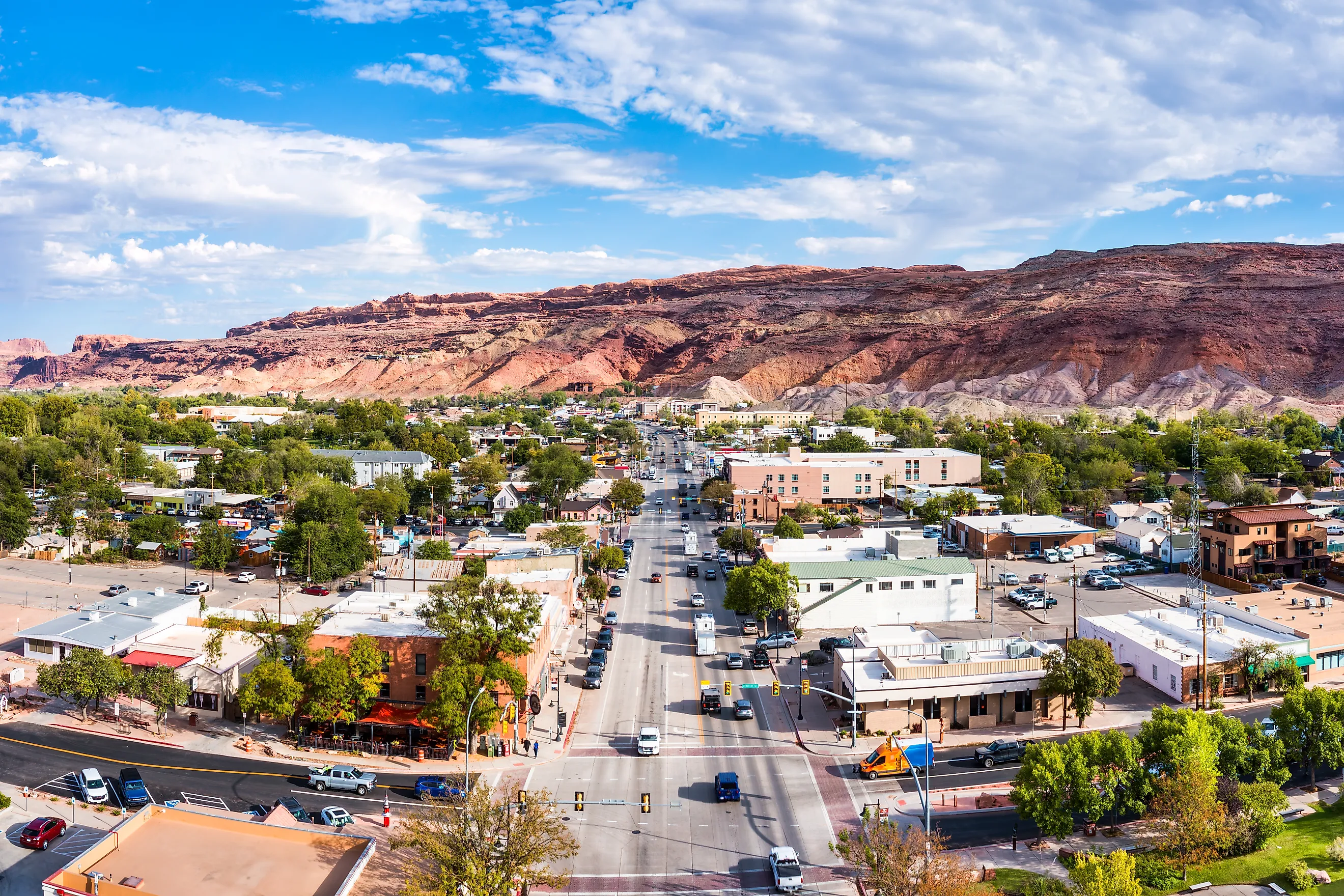
In Southeastern Utah, Moab is a historic uranium mining town turned mountain bike destination. The exhibits and displays at the Moab Museum in the heart of town reflect both. The brightly lit open concept museum takes visitors through histories of ancient geology to the first inhabitants of the valley and the cowboy/ranching culture to modern mountain biking. Just a block away from Main Street, the Mill Creek Trail runs through Bullick Cross Park. Locals and visitors can walk the dirt path along the creek to receive some much-needed green space. Listed on the National Register of Historic Places, Moab’s Star Hall still entertains visitors today. After two renovations, the hall in the center of town is now used for films, plays, concerts and festivals. From the end of August through the end of September, the Moab Music Festival highlights the arts in the desert town.
Cedar City

In Southwestern Utah, Southern Utah University influences Cedar City. Listed on the National Register of Historic Places, the Cedar City Historic District is bound by College Avenue. Also bound by College Avenue, which turns into Shakespeare Lane, are the Utah Shakespeare Festival and the Southern Utah Museum of Art. From the end of June through the end of September, the theatre company entertains guests in the open-air space symbolic home of the festival.
Located on the same block, the museum of art features the artwork of regional artists as well as faculty and student artists. On Main Street, Frontier Homestead State Park maintains a decent outdoor collection of early wagons, horse-drawn farm equipment, Cedar City’s oldest remaining home and the fifth-oldest structure still standing in Utah. Visitors can envision what life must’ve been like almost 200 years ago when Utah was settled by pioneers.
These seven downtown areas in Utah were shaped by the surrounding landscape. Brigham City preserves their pioneer heritage while Park City celebrates their old silver mining turned ski town. Midway’s historic buildings show off their Swiss influence while Vernal claims Utah’s dinosaur capital. Helper is a decently preserved railroad and coal mining town; Moab is a desert town while Cedar City is a college town. Take a road trip through these visually distinct downtowns in the state of Utah.