12 Overlooked Towns In Michigan Worth Visiting
Michigan holds more freshwater shoreline than any other state, and most of it has nothing built on it. That leaves a lot of room for towns that never made anybody's must-see list: copper company towns in the Keweenaw that peaked in 1900 and then emptied out, Lake Huron harbors where the fishing fleet gave way to a theater company, river villages in the middle of the Lower Peninsula that most people only know as a highway sign. Some of these places were once considerably more important than they are now, and a few still have the architecture to prove it. Others were never important at all and are simply pleasant, which is its own recommendation. Here are a dozen worth the detour, running from the top of the Upper Peninsula down to the Indiana line.
Houghton

Houghton calls itself the Gateway to the Keweenaw, and the description is literal. The Portage Lake Lift Bridge is the only road link between the lower Keweenaw and everything north of it, which means every visitor to Copper Harbor and the upper peninsula tip passes through this town of around 8,000 people. It is also a college town, home to Michigan Technological University, which keeps the downtown busier year-round than most places this far north manage.

The A.E. Seaman Mineral Museum is the reason many people stop, holding a collection of Great Lakes region minerals that serious collectors travel a long way to see. Keweenaw Boat Tours runs sightseeing trips along the Lake Superior shoreline in summer, and Kestner Waterfront Park gives you five acres of grass and a view of Portage Lake if you would rather stay on land.
Calumet

Twenty minutes up the road from Houghton is a village that was once the richest square mile in the Upper Peninsula and now has fewer than 1,000 residents. Calumet was called Red Jacket until 1929. At the 1900 census it held just under 5,000 people, with more than 25,000 more in the surrounding township. All of it was built on copper that the Calumet and Hecla Mining Company pulled out of the ground between the 1860s and 1968. The red sandstone buildings downtown are the physical leftovers of that money.

The Calumet Theatre opened on March 20, 1900 and is the oldest municipally built and owned opera house in the country, which tells you something about how confident this town was about its future. It still runs as many as 60 events a year. The Keweenaw National Historical Park visitor center sits in the middle of downtown, is free to enter, and covers a park that mostly consists of 21 privately owned heritage sites scattered across four counties rather than any fenced-off area. Next door to the theater is Shute's Saloon, reckoned to be the oldest bar in Michigan.
Mackinac Island

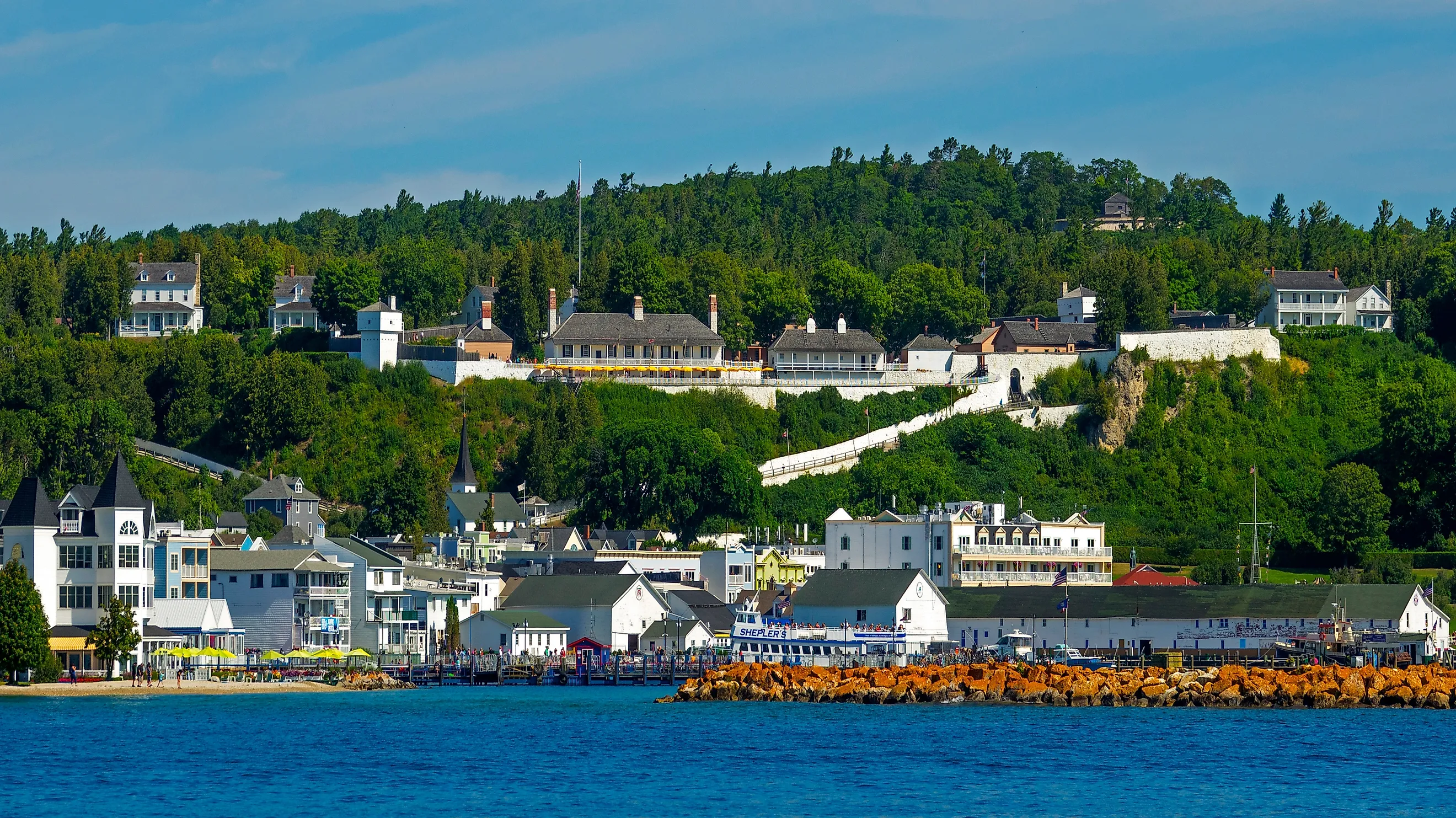
Nobody would call Mackinac Island undiscovered in July. Go in October and the difference is dramatic. The day-trippers have gone, the rates drop, and a place that handles enormous summer crowds turns back into a village of a few hundred year-round residents. Cars have been banned here since 1898, so transport is horse-drawn carriage, bicycle or your own feet, and the Grand Hotel Stables runs carriage tours for anyone who wants the full experience.

Fort Mackinac dates to the 1780s and holds a substantial collection of military artifacts across its surviving buildings. Most of the island is state park, and the walk up to Arch Rock, a limestone arch standing nearly 150 feet above the water, is the single best view on Lake Huron. The fudge shops will still be open.
Alpena

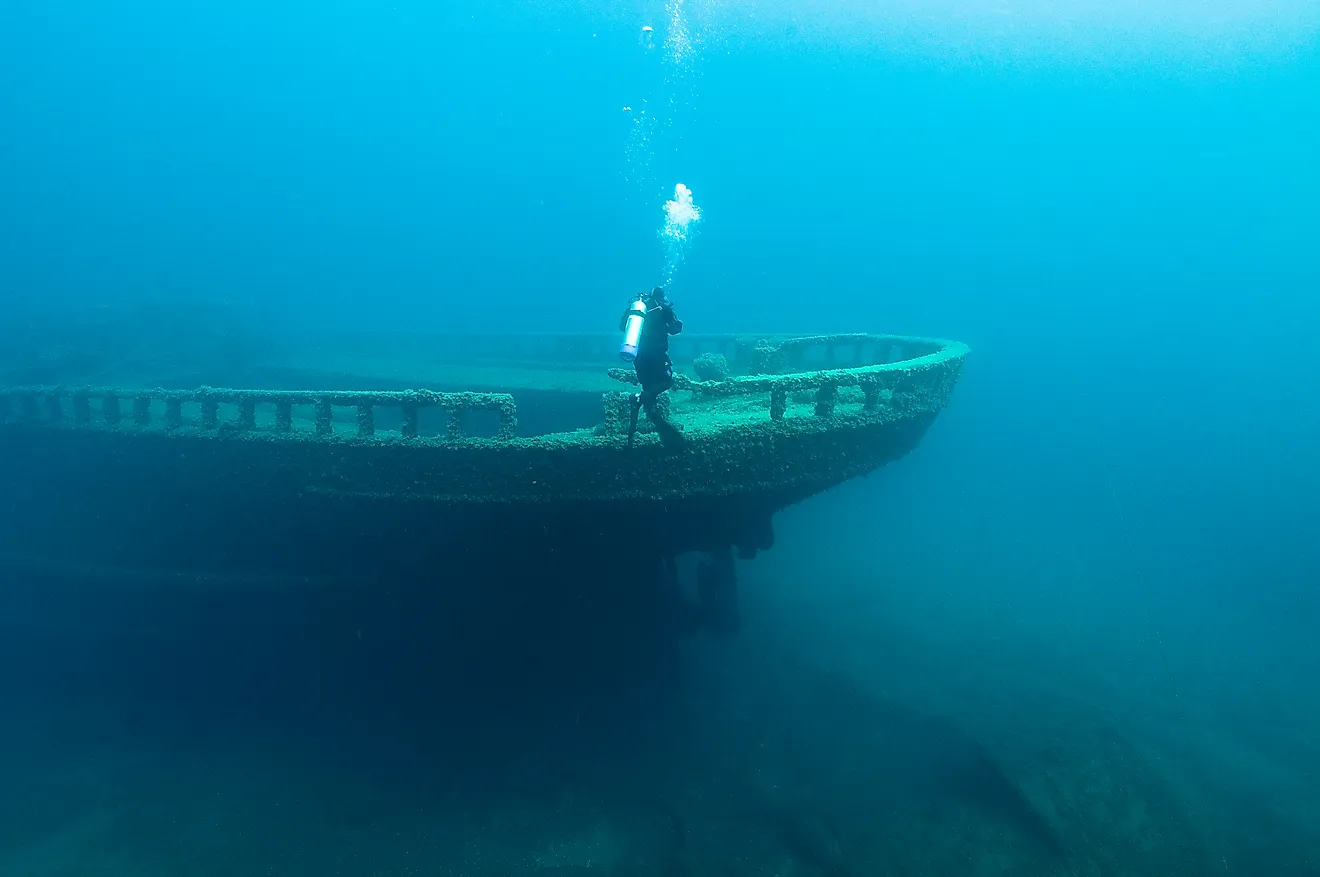
Alpena sits on Thunder Bay on the Lake Huron coast, and the bay is the reason to come. Thunder Bay National Marine Sanctuary protects roughly 100 shipwrecks in water clear and shallow enough that some are visible from a kayak, which makes this one of the few places in the country where you can see a nineteenth-century schooner without diving equipment. The Great Lakes Maritime Heritage Center on the waterfront explains what happened to all of them.

The downtown has more going on than a town of 10,000 usually supports. The Alpena Civic Theatre stages live productions through the year, and the Thunder Bay Arts Council gallery shows work by artists from the northeastern Lower Peninsula. Bay View Park is the place to sit and look at the water when you have had enough of shipwrecks.
Lexington

Lexington is the first real town on the Lake Huron shore heading north out of Port Huron, and it works as a weekend stop for anyone driving the Thumb. The harbor is the center of things, with a breakwall you can walk out onto and a marina that fills with sailboats through the summer. It is a small place, around 1,200 people, and the scale is part of the appeal.
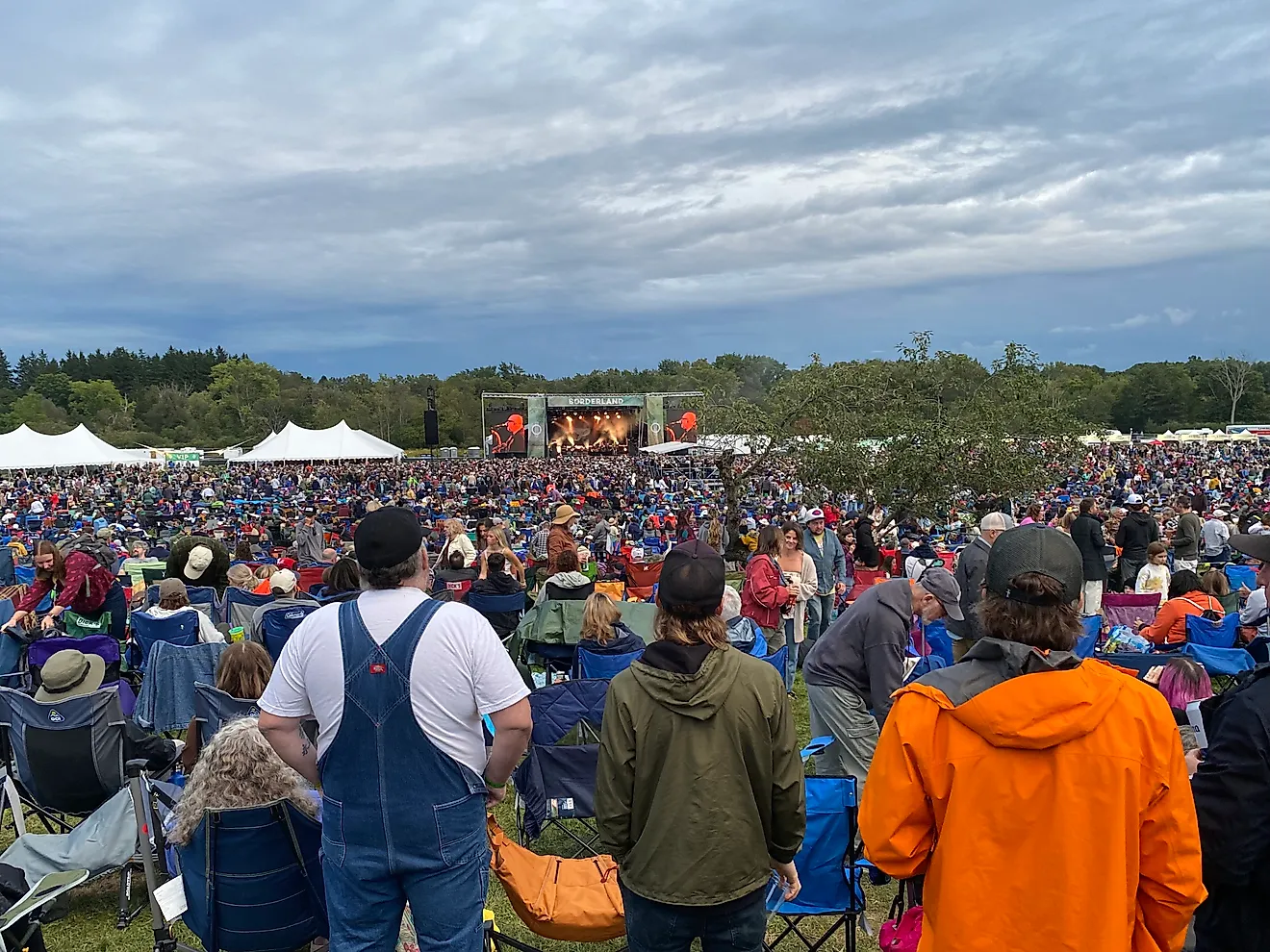
The Lexington Village Theatre is an intimate Victorian venue that still books touring music and comedy acts, which is unusual for a town this size. Thumbfest, a free traditional and acoustic music festival held each September, brings musicians in from across the region and fills the streets. The Village Pub and a handful of other places along Main Street handle the evenings.
Frankfort

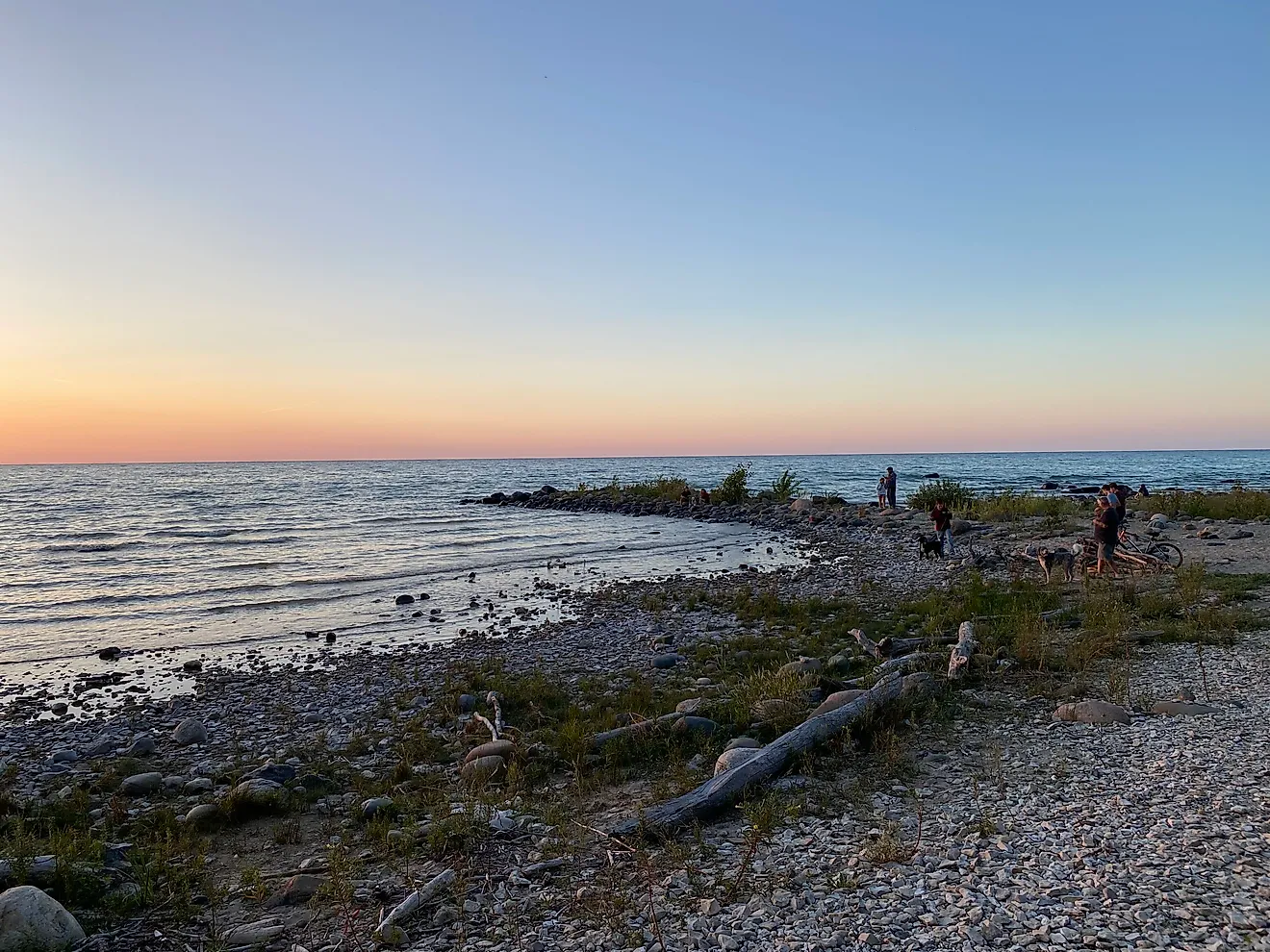
Crossing to the Lake Michigan side, Frankfort sits at the bottom end of the Sleeping Bear Dunes country with a beach that faces directly west. That orientation is the whole point, because the sunsets here are the reason people come back, and the pier at Frankfort Beach is where everyone watches them from. Point Betsie Lighthouse, a few miles north, went into service in 1858 and is one of the most photographed lights on the lake.

The town has a working art scene for its size. The Elizabeth Lane Oliver Center for the Arts runs performing, literary and culinary programs out of a building on the water, and Stormcloud Brewing Company was the first Michigan brewery to focus on Belgian-style beers. Both sit within a short walk of the beach.
Owosso

There is a castle on the bank of the Shiawassee River in the middle of Michigan farm country, and the story behind it is better than the building. James Oliver Curwood was one of the highest-paid authors in America in the 1920s, writing adventure novels set in the Canadian north, and he built Curwood Castle in 1922 as a writing studio. It is now a museum, and it looks exactly as odd in Owosso as it sounds.
The town was a railroad hub, which explains a downtown with more nineteenth-century commercial architecture than the current population of 15,000 would have built. The Lebowsky Center for the Performing Arts handles touring shows and local productions, the Shiawassee Arts Center exhibits regional artists, and the DeVries Nature Conservancy has more than four miles of trail across 136 acres of forest, farmland and prairie on the edge of town.
Greenville

Greenville was a Danish immigrant town and then a refrigerator town, home to a major appliance plant for decades, and the Flat River Historical Museum covers both chapters with a collection of documents, photographs and artifacts that is considerably better than most county museums manage. The Danish heritage still shows up in the town's festivals and a few surviving buildings.
Tower Riverside Park runs along the Flat River through the middle of town and is where everyone ends up on a warm afternoon. The Flat River Community Players stage theatrical productions using local casts, and El Jalapeno has a reputation across Montcalm County that extends well beyond its size.
Rockford

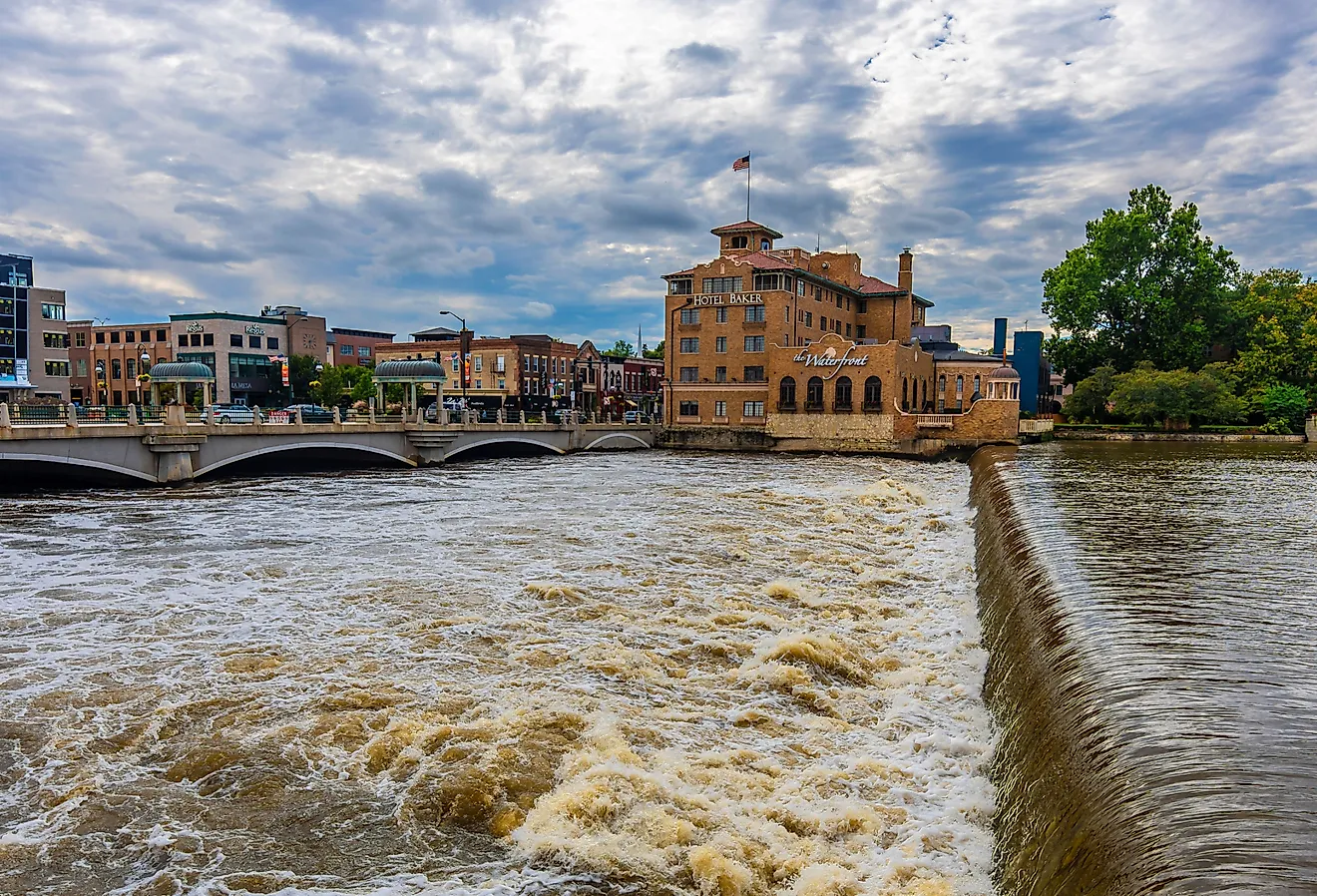
Rockford is close enough to Grand Rapids to be a commuter town and far enough out to have kept its own downtown, which sits on the Rogue River with a dam and a millpond at the center of it. The Rogue River Nature Trail runs eight miles along the water and is the main reason people come out here with boots on.
Saul Lake Bog Nature Preserve covers more than 120 acres of a genuinely uncommon habitat, a bog and wetland system supporting native plants, insects and birds that do not turn up in the surrounding farmland. The Rockford Area Museum handles the town's history, and the Rogue River Blues Series brings live music through the warmer months.
Zeeland

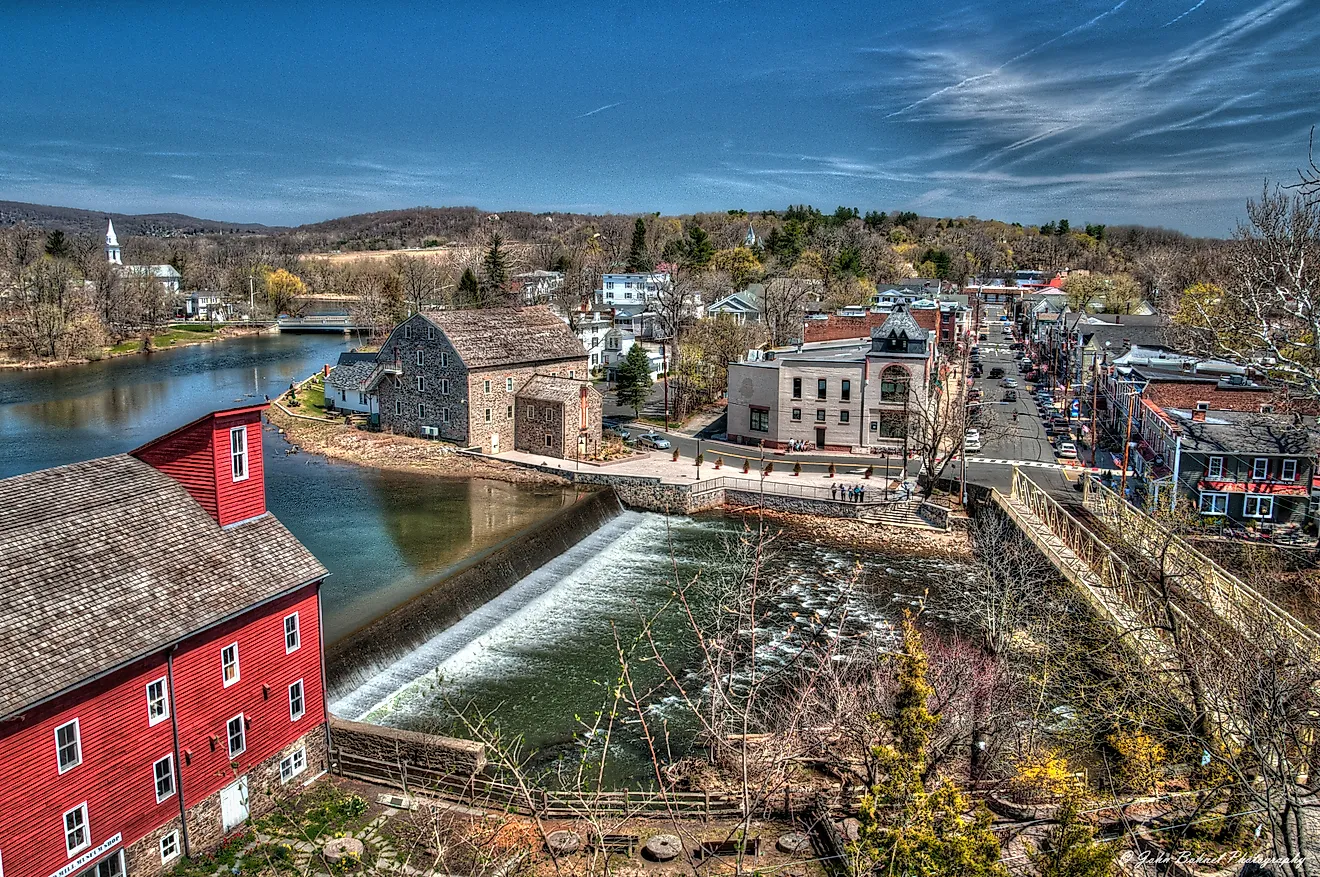
Zeeland was founded by Dutch settlers in 1847 and has never stopped being a Dutch town, which the Dekker Huis Museum documents from a house built in 1876. The exhibits cover what life actually looked like for the first arrivals, which involved considerably more swamp-draining than the tulip festivals downstate suggest.
The Upper Macatawa Natural Area covers 612 acres along the Macatawa River with hiking, biking and birding across forest, wetland and grassland. Pumpkinfest each autumn celebrates the agricultural side of the town, and if you want to understand how tight-knit this community is, go to a Friday night football game at Zeeland Stadium and watch the size of the crowd.
Saint Joseph

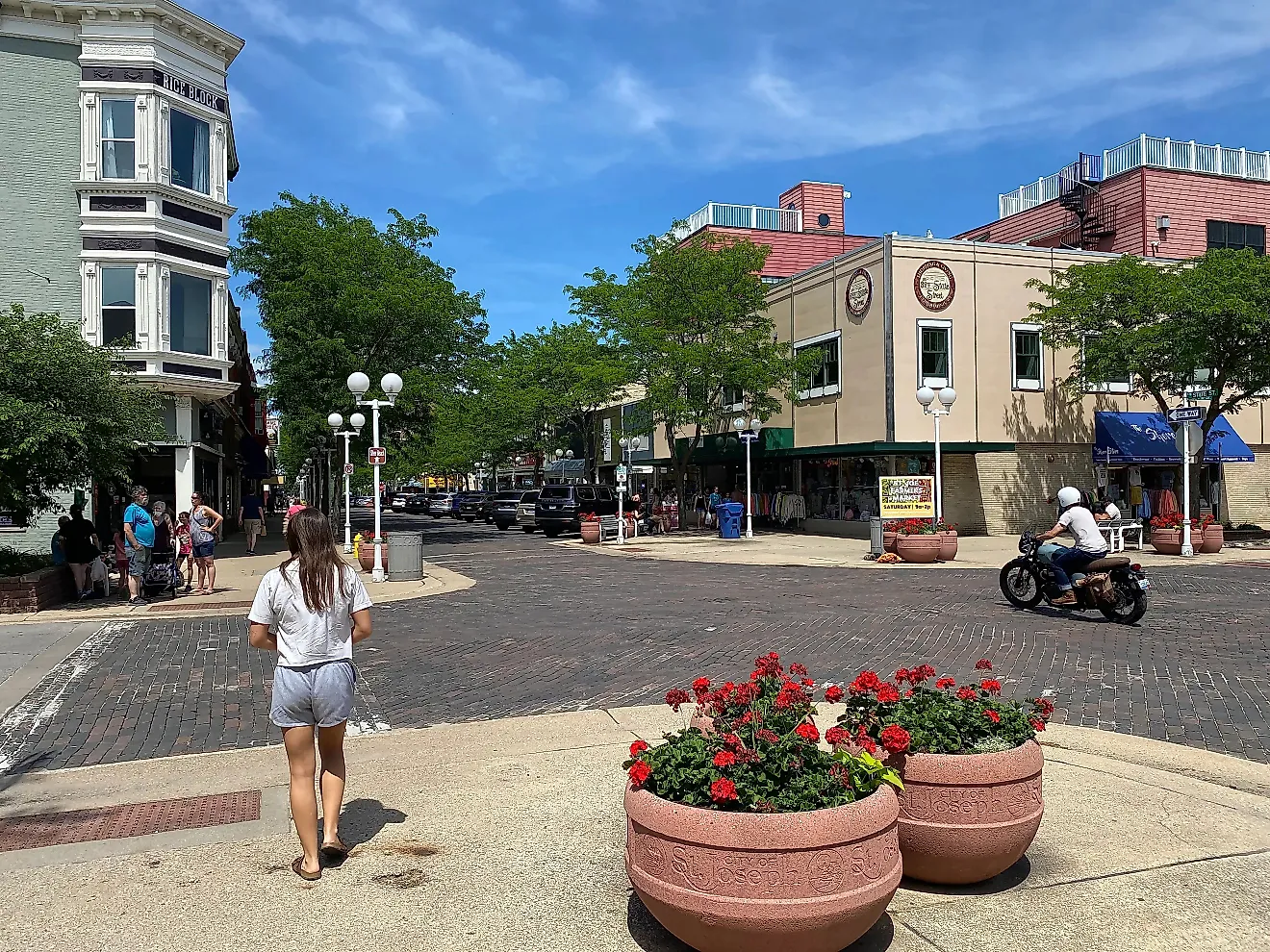
Saint Joseph sits on a bluff above Lake Michigan where the St. Joseph River comes in, which gives the downtown a view most beach towns would pay for. Two lighthouses stand at the end of the north pier connected by an elevated catwalk, and the pair are among the most recognizable structures on the Michigan shoreline.
Silver Beach County Park is the main swimming beach, and the Silver Beach Carousel next to it has been restored to its early-1900s form with hand-carved horses. The Box Factory for the Arts is exactly what the name suggests, a former pallet factory converted into studios and performance space, and it anchors an arts scene that runs well beyond the summer season.
Marshall

Marshall has one of the largest National Historic Landmark districts in the country for a town its size, with more than 850 buildings covering nineteenth and early twentieth-century architecture in a concentration that is genuinely unusual. The reason is a failure: Marshall expected to be named state capital in 1847, built accordingly, lost the vote to Lansing by a single ballot, and then stopped growing. The buildings stayed.
The Honolulu House is the standout, built in 1860 by a former US consul to Hawaii who wanted a Michigan version of his Pacific residence and produced something no other American town has. The American Museum of Magic holds one of the largest collections of magic memorabilia open to the public anywhere, the Franke Center for the Arts runs community theater, and the Marshall Riverwalk follows the Kalamazoo River out of the middle of town.
Worth The Detour
What these twelve have in common is that something happened in each of them and then stopped. Copper ran out under Calumet, the capital went to Lansing instead of Marshall, the appliance plant closed in Greenville, and the shipping traffic that built Alpena moved elsewhere. The buildings and the institutions outlasted the industries, which is why a village of 1,000 has an opera house and a town of 7,000 has 850 landmark structures. That is the whole appeal, and it is considerably more interesting than the parts of Michigan that everyone already knows about.