The Massachusetts Harbor Town That Calls Itself The Birthplace Of The American Navy
On September 5, 1775, a small armed schooner named Hannah sailed from Beverly Harbor, Massachusetts, on a mission to intercept British supply ships. The vessel belonged to John Glover of nearby Marblehead, and its crew was drawn from his regiment of local seamen. Two days later, the Hannah captured the British supply sloop Unity, helping establish what would become George Washington's first armed fleet. The United States Navy had not yet been formally established, but this early operation gave Marblehead a lasting claim to one of the most disputed titles in American maritime history: the Birthplace of the American Navy. Today, the coastal town preserves its Revolutionary War heritage through colonial mansions, historic fortifications, and narrow streets leading down to a harbor that remains central to community life.
Historic Marblehead

Marblehead's sheltered harbor and productive fishing grounds made it one of colonial New England's most important maritime communities. By the 18th century, the town had developed a prosperous economy based on fishing, shipbuilding, and international commerce. Its merchants transported dried cod to European and Caribbean markets, returning with imported goods that helped finance some of Marblehead's grandest residences. The town's maritime wealth, along with its proximity to Boston, would also make it an important center of Revolutionary activity.
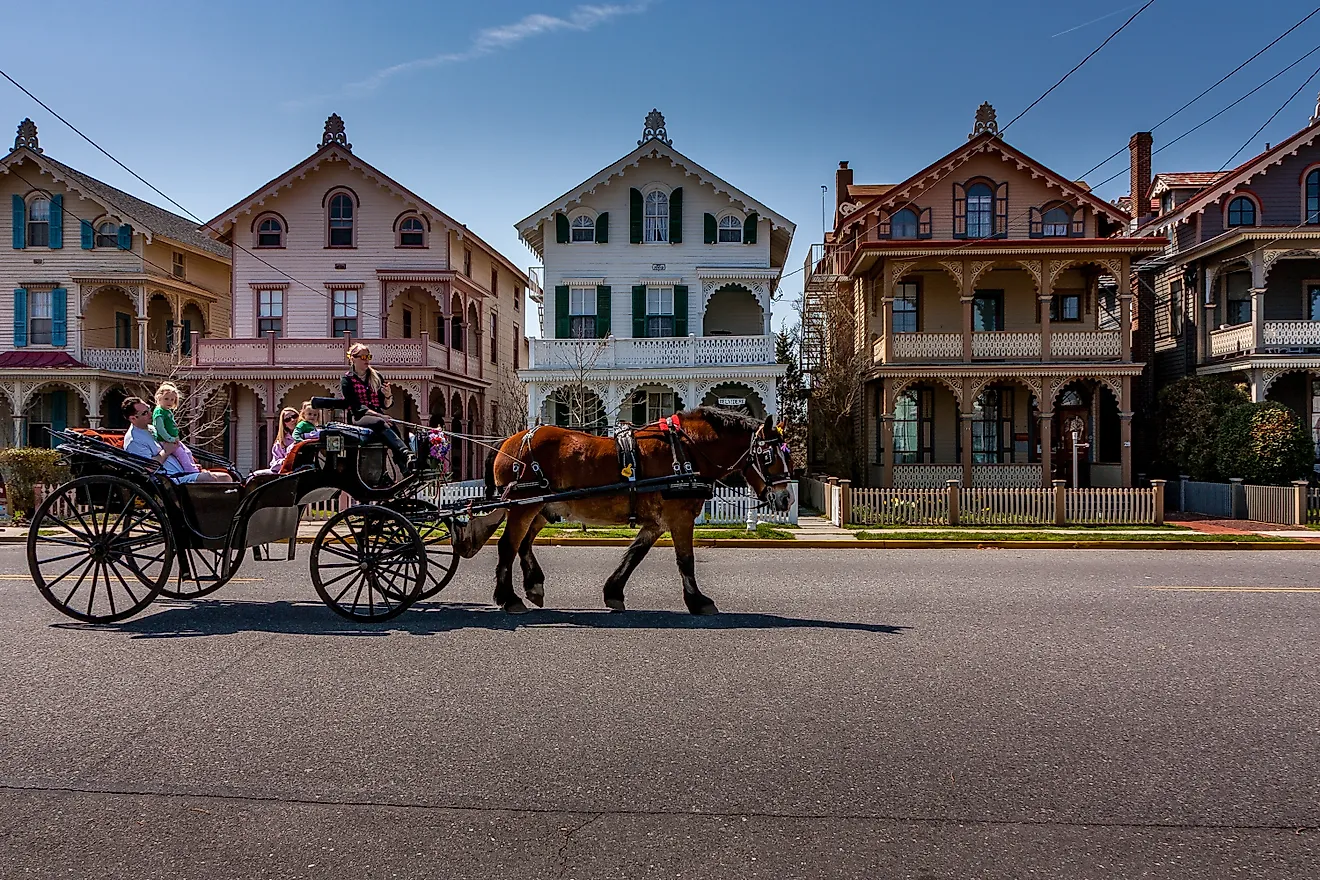
Much of this history remains visible in the Marblehead Historic District, which is listed on the National Register of Historic Places. Narrow, winding streets pass centuries-old homes with colorful doors, wooden clapboard siding, and Georgian architectural details.
Places Of Interest

Among the most impressive buildings is the Jeremiah Lee Mansion, completed in 1768 for one of colonial Massachusetts' wealthiest merchants. The three-story mansion features elaborate woodwork and original hand-painted English wallpaper, reflecting the international trade that made Marblehead prosperous.
The Old Town House, constructed in 1727, stands in Market Square and served as a gathering place for colonial political activity. Sometimes called Marblehead's Cradle of Liberty, the building now houses the Grand Army of the Republic Civil War Museum. Nearby, Fort Sewall occupies a commanding position at the mouth of Marblehead Harbor. Originally established as an earthwork fortification in 1644, it later defended the harbor during several conflicts. On April 3, 1814, the fort helped protect the USS Constitution as the American frigate escaped two pursuing British warships. Today, the former military installation is a public park with views across the harbor.
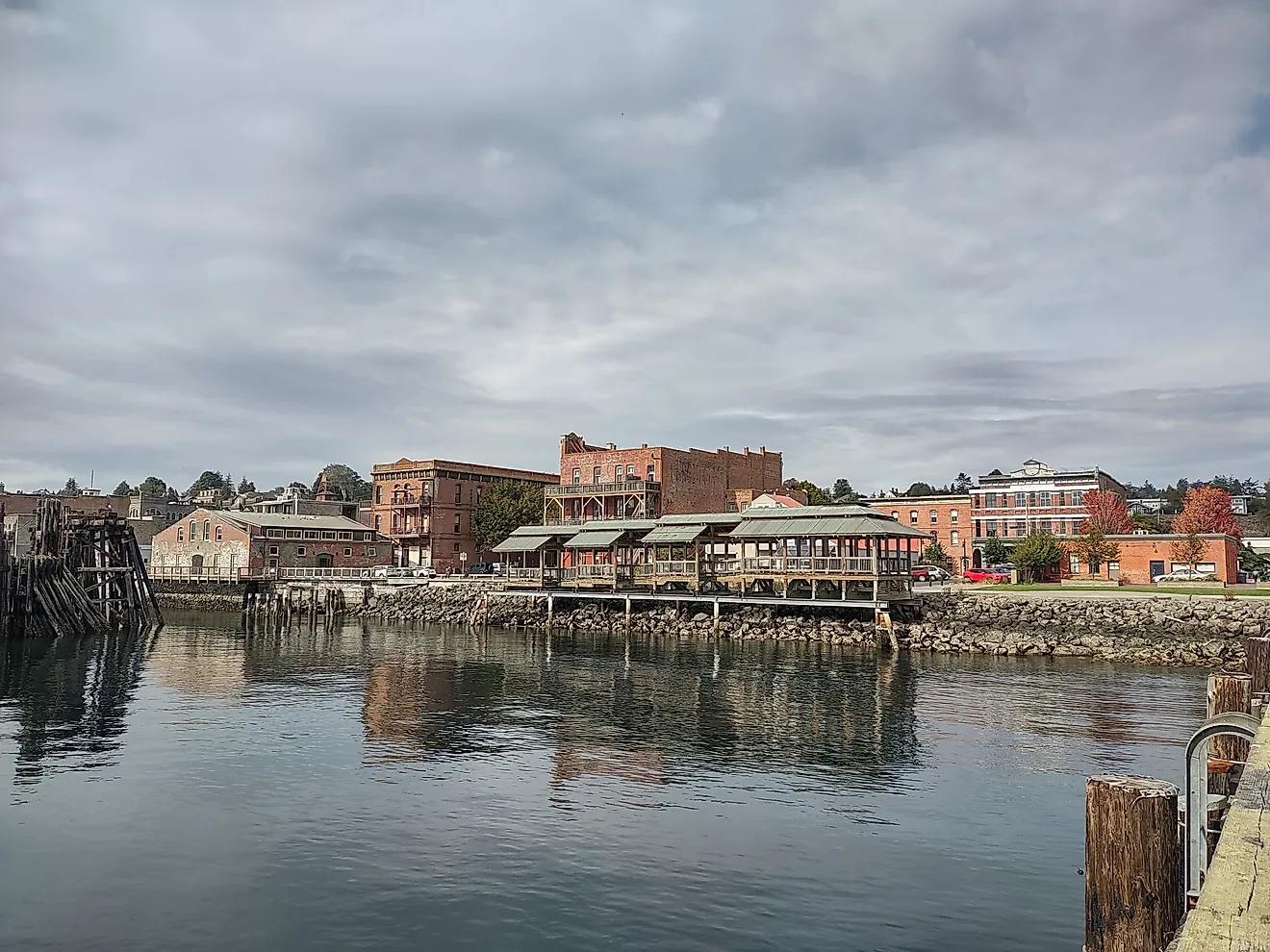
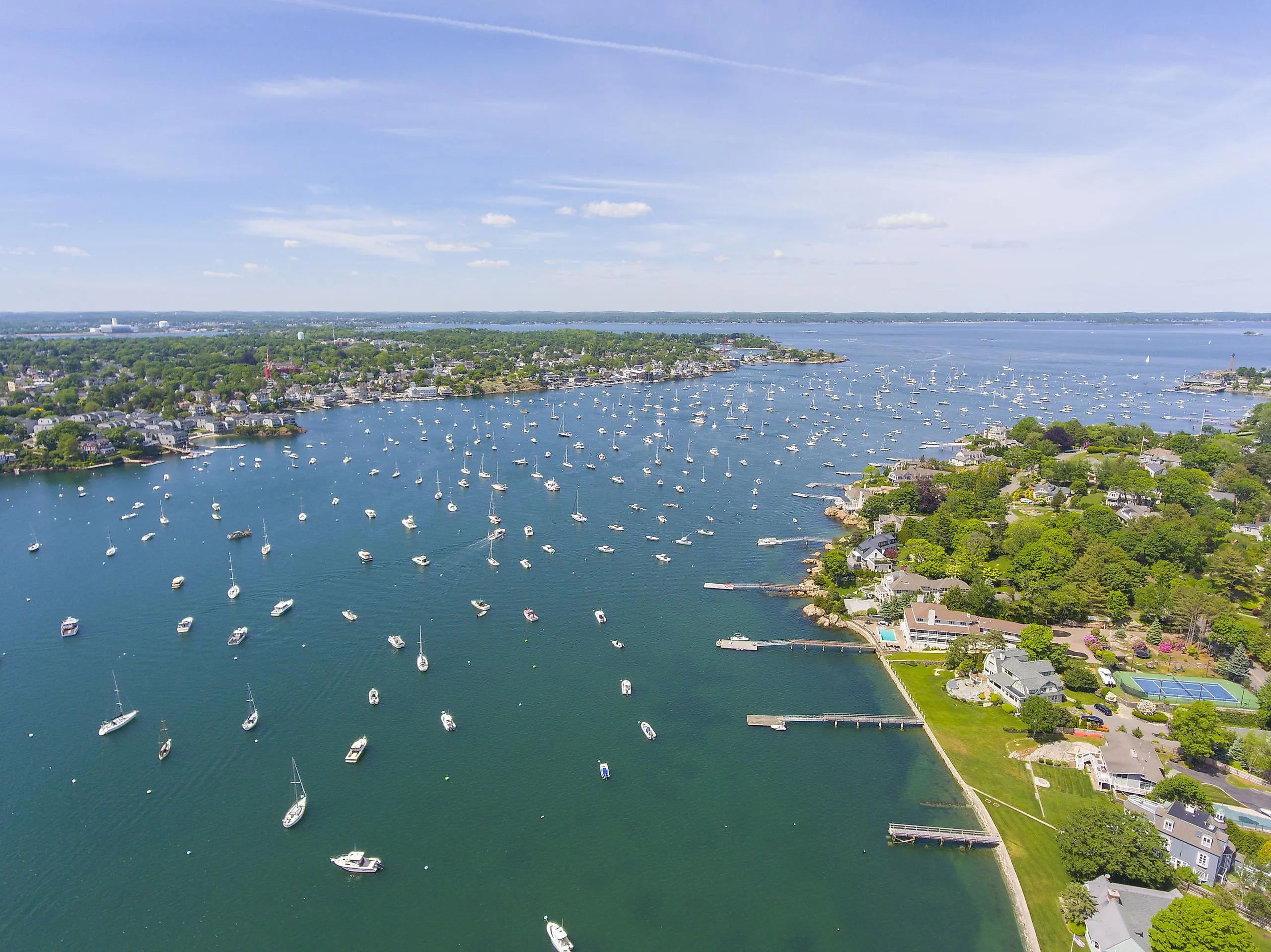
Visitors can also explore Crocker Park, another waterfront public space with views of Marblehead's moored sailboats and historic shoreline. A plaque in the park commemorates the town's contributions to the founding of the American Navy, connecting its present-day harbor to the events of 1775.
Marblehead's Claim

Marblehead's claim to being the birthplace of the American Navy rests primarily on the schooner Hannah and the actions of John Glover, a local merchant and Revolutionary War military leader. According to the US Navy's Dictionary of American Naval Fighting Ships, the Hannah was the first armed vessel to sail under Continental pay and control. Originally owned by Glover, the schooner became the first ship in a small fleet assembled by George Washington in 1775 to intercept British supplies entering Boston.
Glover had organized Marblehead's militia and received command of the 21st Massachusetts Regiment in June 1775. His soldiers included experienced sailors and fishermen whose maritime skills became particularly valuable to Washington. With British troops occupying Boston, Washington needed to interrupt the flow of supplies arriving by sea. Glover helped secure vessels for this purpose, and the Hannah was fitted with four small cannons before beginning its service.
The schooner was placed under the command of Nicholson Broughton, an Army captain whose crew was recruited from Glover's regiment. On September 5, 1775, the Hannah departed Beverly Harbor to pursue British shipping. Its capture of the Unity two days later demonstrated the potential of Washington's improvised naval force. Although the Hannah's service was relatively brief, ending after an October encounter with a British warship near Beverly, it established a precedent for the armed American vessels that followed.
1776 And Onward

Glover subsequently helped organize additional vessels for Washington's fleet, drawing on the sailing expertise of Marblehead residents. His military contributions extended beyond naval operations. In December 1776, Glover's regiment played an important role in transporting Washington's troops across the Delaware River before the American victory at Trenton.
For Marblehead, the Hannah represents the beginning of an American naval tradition. The schooner was not commissioned into the Continental Navy, which had not yet been created when it first sailed. Nevertheless, the town supplied the ship's owner, commander, and sailors, and its seafaring community helped Washington conduct some of the earliest American naval operations of the Revolutionary War.
Other Claims

A friendly rivalry exists between Marblehead and nearby Beverly. The latter town is a little over six and a half miles from Marblehead, and Beverly claims its own history with the Hannah. The vessel was fitted in Beverly, and the town emphasized that Beverly Harbor was the operating base for Washington’s armed fleet. Both towns have traditionally laid claim to the title of the navy’s birthplace, and this rivalry extended itself into other intertown rivalries, such as school athletics. However, Beverly has stepped back from its initial claims, going as far as changing the town’s welcoming road signs from “Birthplace of the American Navy” to “Washington’s Naval Base 1775-1776”.
Other claimants include Machias, Maine, where local colonists captured the British schooner Margaretta on June 12, 1775, before the Hannah first sailed. This was an example of colonial resistance to the British, rather than a formal armed fleet. Philadelphia makes the claim based on being the location of the October 13, 1775, Continental Congress that authorized arming naval vessels. The city was also the location of the first vessels to be acquired and fitted under the banner of a Continental Navy, rather than the Continental Army. Providence, Rhode Island, on the other hand, made a claim for its delegates advocating the creation and equipping of an American armed fleet. This was a political initiative prior to the Congress’s formal resolution. Whitehall, New York, was the location of the construction of vessels for the American fleet on Lake Champlain in 1776, under the command of Benedict Arnold. In 1965, the US Congress recognized Whitehall as the birthplace of the navy.
Is There One Birthplace Of The American Navy?
The US Navy recognizes October 13, 1775, as its official birthday, but does not designate any single community as its exclusive birthplace. The distinction depends on whether the beginning of the Navy is measured by the first armed maritime engagement, the first vessel operating under Continental authority, or the formal establishment of a naval force by Congress.
Marblehead's position is particularly strong because of its direct involvement in Washington's first armed fleet. The Hannah was built and owned in Marblehead, commanded by a local officer, and crewed by men recruited from John Glover's regiment. Beverly provided the harbor and facilities from which the schooner began its service, making both towns important to the same chapter of naval history. Whether or not Marblehead can claim the title exclusively, its contribution to the earliest days of American naval history remains an important part of the town's identity.