Why Some State Parks Have No Large Predators
There are thousands of state parks in the United States, but each state park is different when it comes to large predators. Early settlers hunted and removed large carnivores from most local regions long before modern state parks were established. There are state parks in all fifty states in America, and each has a different way of doing things. For example, state parks in the Midwest tend to lack large predators. The reason for this is that the state park is too small, or too many humans are nearby, but location also matters.
State Park is Too Small
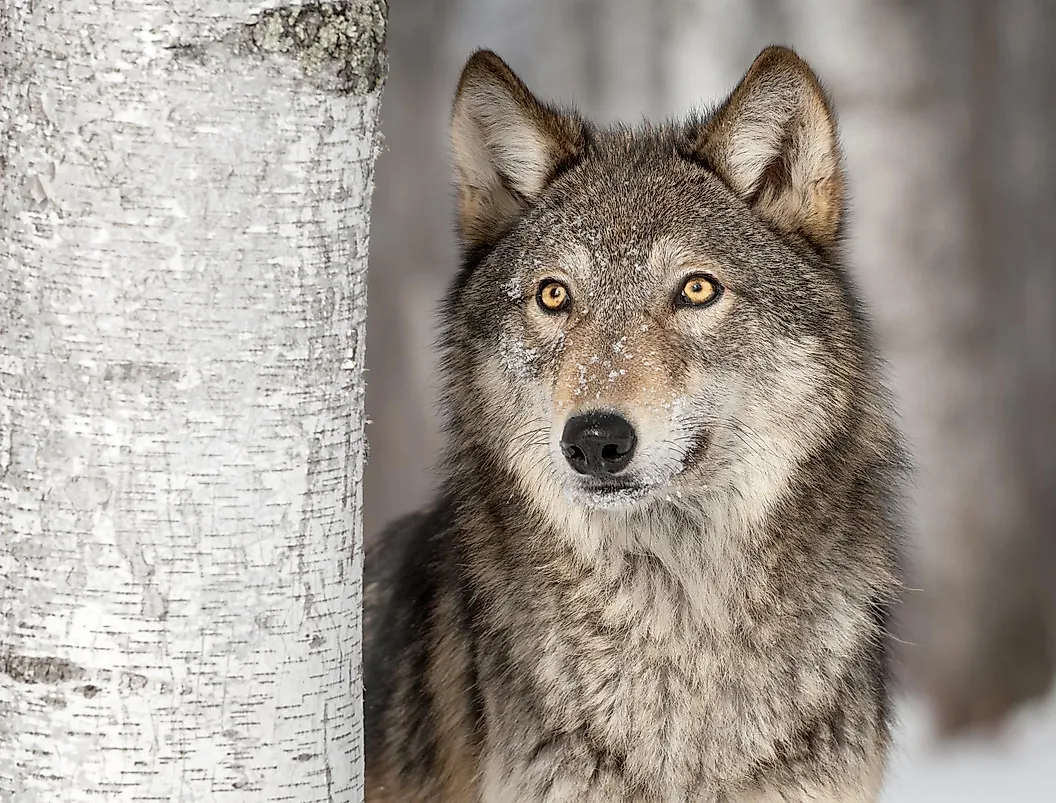
Some state parks are too small for large predators. State parks are usually smaller than national parks and cannot offer the space to spread out that apex large predators need. Research conducted at Southern Illinois University indicates that less than 15 percent of Illinois contains habitat that would support a small population of bears, wolves, or mountain lions. There is not enough wild space left to feed a steady pack of large wolves or bears. State parks are too small for large predators to move around comfortably.
Humans Are Too Close

State parks with high visitor traffic, camping, and nearby residential areas offer no safe space for dangerous wildlife. These parks sit right next to roads, houses, and farms, so problems with human beings could happen fast, and even if large predators visited a state park, they would not return.
Location

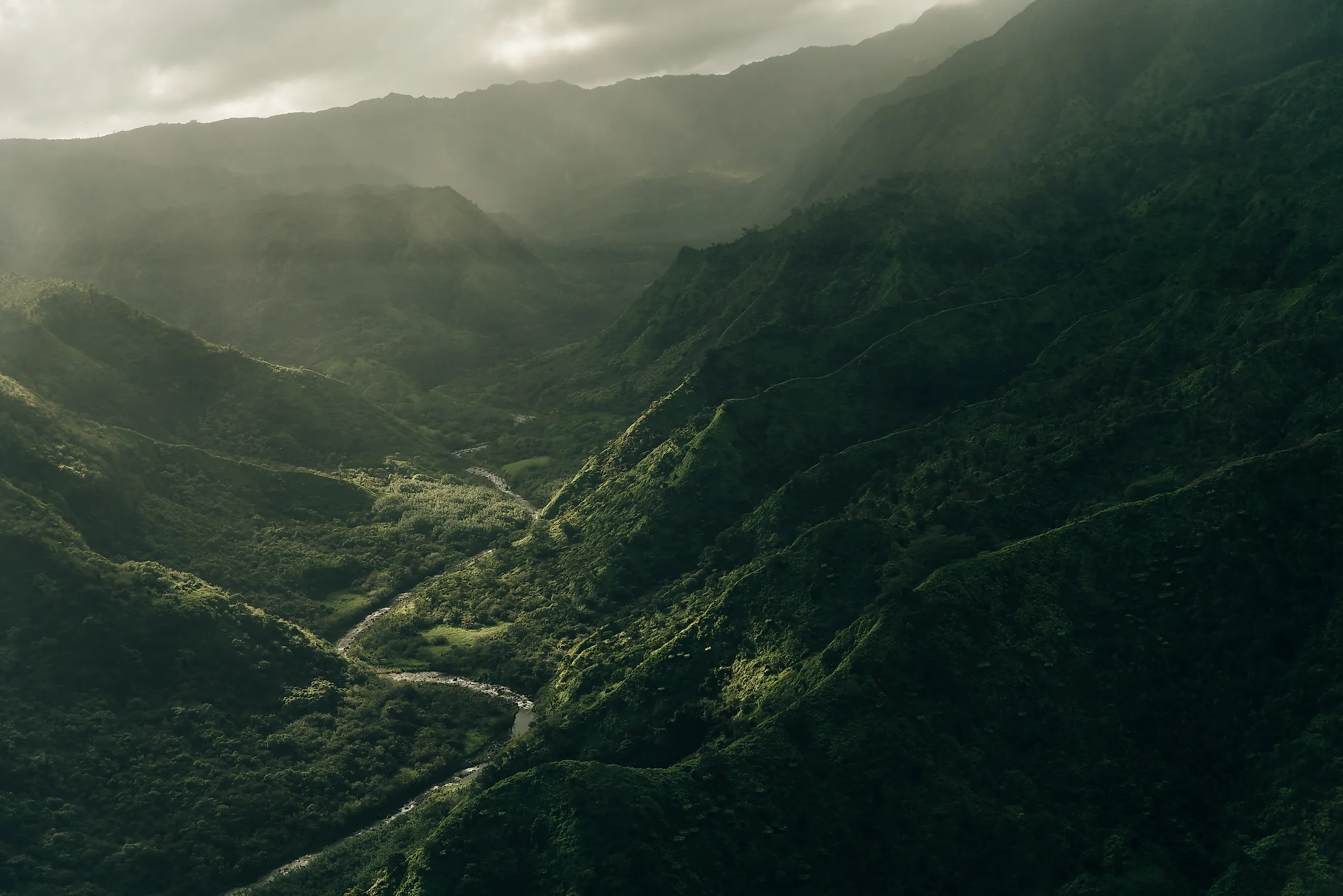
State parks in Hawaii like Na Pali Coast State Wilderness Park or Waimea Canyon State Park completely lack large native land predators like bears, wolves, or mountain lions. Most state parks in Midwestern and plains states like Illinois, Iowa, or Kansas also have no resident populations of large apex predators, though occasionally transient coyotes may be present. Iowa State parks are free of bears, wolves, and cougars. Kansas State Parks like Eisenhower State Park or Cedar Bluff State Park are full of small-to-medium wildlife like coyotes and deer rather than large apex predators. In addition, Nebraska generally does not have large predatory mammals like bears, wolves, or mountain lions. Top predators are absent or only extremely rare, transient wanderers in these flatland and agricultural regions.
Humans Made the Difference in State Parks
Humans became a factor and the reason why some state parks lack large predators. Most state parks in the Midwest lack large predators like wolves or grizzly bears because humans hunted them down and cleared their forests for farms and towns in the 1800s and 1900s. From heavy hunting and human settlement, large predators were gotten rid of. In such state parks in Kansas and Iowa you can expect to see mostly white-tailed deer, wild turkeys, foxes, and raccoons but large predators are missing.