The State Parks Built Around Waterfalls
The land around Niagara Falls was once privately owned. This made it hard for the public to see the falls. Luckily, a 19th-century conservation campaign led to the creation of Niagara Falls State Park. The movement sparked a national trend, inspiring other states to protect their cascades from privatization. Today, some of the country's best state parks are built around waterfalls for the public to enjoy on hiking trails, bridges, and overlooks.
Watkins Glen State Park, New York
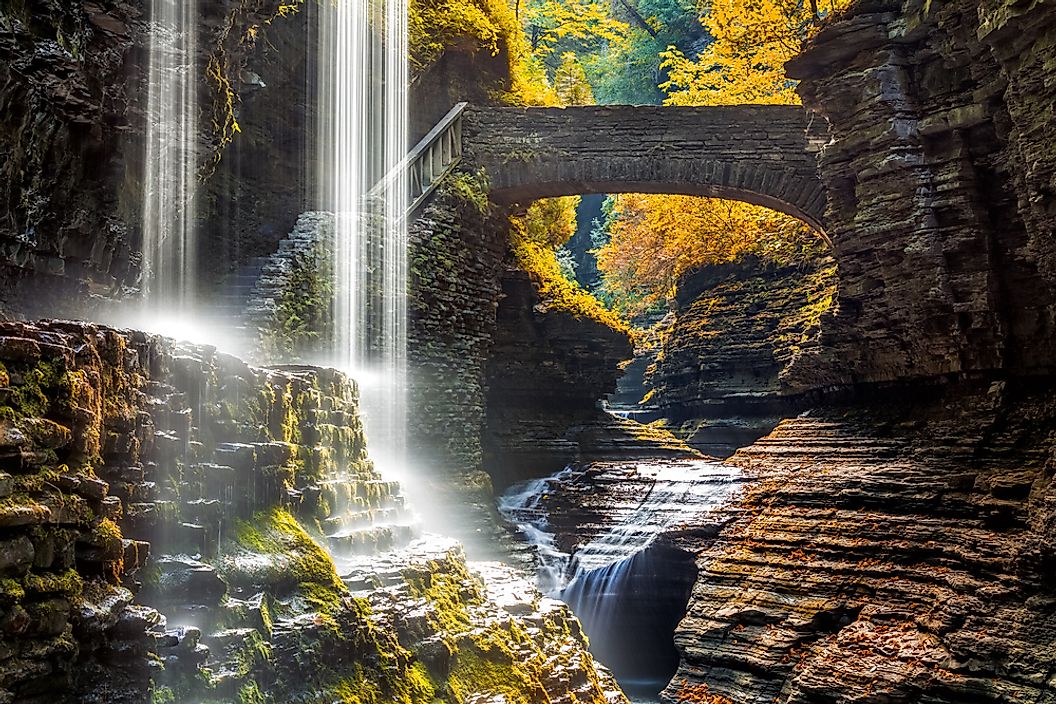
Located in New York's Finger Lakes region, Watkins Glen State Park features 19 waterfalls in under 2 miles. The Gorge Trail is a centerpiece hike that passes all the waterfalls in a single stretch. Spring is a recommended time to take this hike for lower visitor traffic and increased water flow. The trail is typically open from mid-May to mid-October and passes through 200-foot cliffs. More than 800 stone steps are also carved into its sidehills, winding up and down the gorge.
The Cavern Cascade is a highlight of the Gorge Trail. This section lets hikers walk behind a cascade through a hand-cut Spiral Tunnel. Further into the hike, the Central Cascade plunges over 60 feet, making it the highest waterfall in the gorge. Meanwhile, Rainbow Falls is best visited on sunny days to see its misty beams of color. High above the Gorge Trail, the North and South Rim trails connect via a suspension bridge built in 1870. Parkgoers can take these routes for a bird's-eye view of Glen Creek and the canyon floor.
Niagara Falls State Park, New York

Niagara Falls State Park is the oldest state park in the country, preserving its waterfalls since 1885. About 2,832 tonnes of water flow over Niagara Falls every second, split between Bridal Veil, American, and Horseshoe falls. Since the New York wonder flows year-round, the park is open 365 days a year. It welcomes more than 9 million annual visitors, and entry is free on foot.
Hiking trails are a popular way to see the falls from different angles. Goat Island features several paved paths and viewpoints, including Stedman's Bluff and Terrapin Point. A bridge also connects it to Luna Island, an outcrop where parkgoers can see American and Bridal Veil Falls up close. For a different perspective, the ticketed Maid of the Mist journeys past the misty falls in the Niagara River. Alternatively, the ticketed Cave of the Winds experience includes an elevator ride to the base of Bridal Veil Falls.
Palouse Falls State Park, Washington

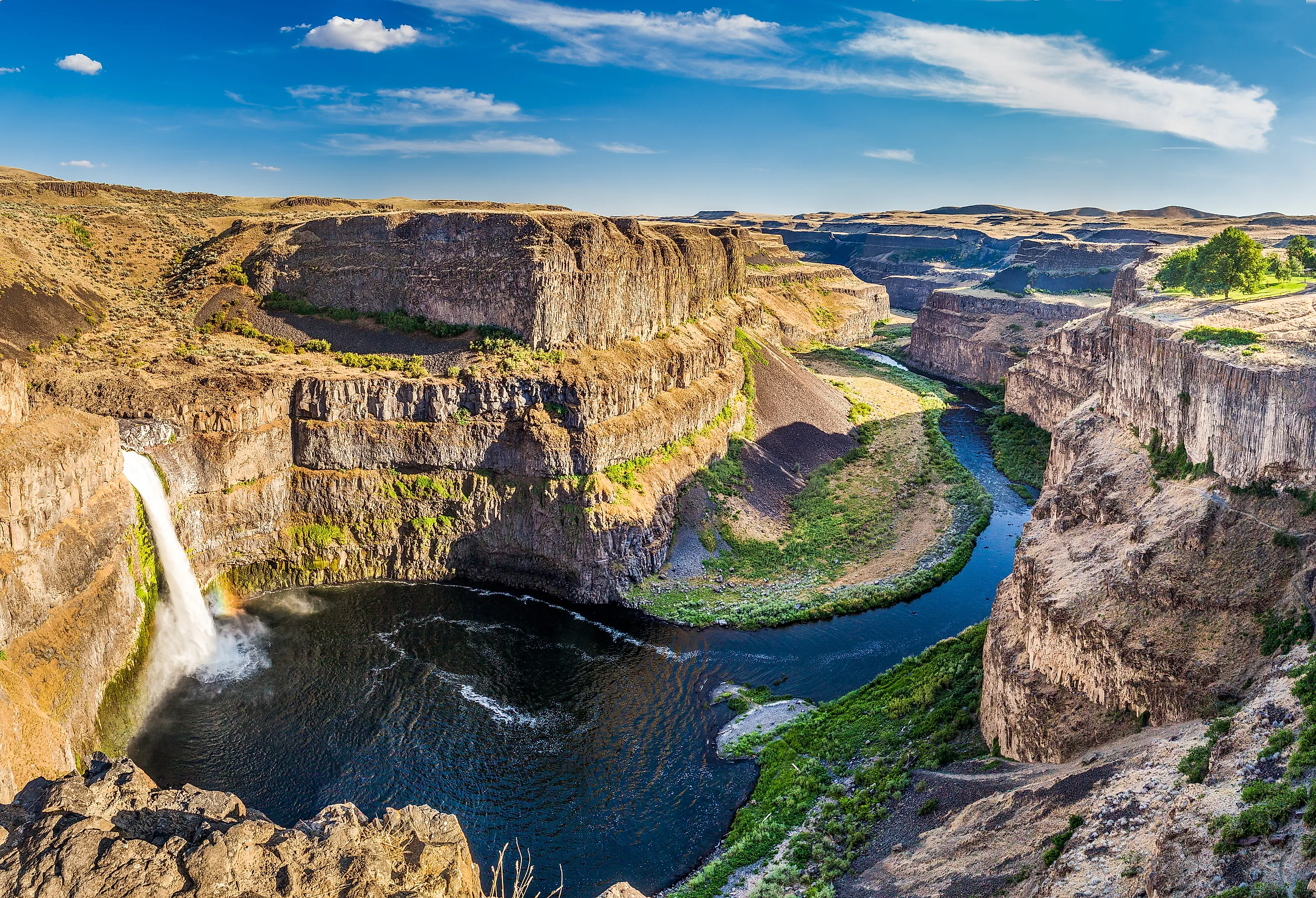
Palouse Falls State Park is more remote, offering waterfall views with fewer crowds. The 105-acre park sits in eastern Washington, about 60 to 70 miles from the nearest Tri-Cities. With limited amenities and no phone service, the canyon park lets guests completely disconnect from the outside world. Palouse Falls is its anchoring cataract, plunging 200 feet into a waterhole. The canyon surrounding it is 377 feet deep, formed by Ice Age floods over 13,000 years ago.
There are 3 main ways to see Palouse Falls, which flows year-round. The lower viewpoint can be reached using steps near the main parking lot for a head-on view of the falls. Alternatively, a paved interpretive path can be walked for views atop the canyon rim. This route is lined with historical panels to learn more about the waterfall's history and geology. Near the end, this trail connects to the Fryxell Overlook, which links to a secondary parking lot. As the park's highest viewpoint, the overlook features sweeping views of the waterfall and Palouse River Canyon.
Silver Falls State Park, Oregon

Silver Falls State Park covers over 9,000 acres in the lower slopes of the Cascade Mountains. In addition to being Oregon's largest state park, the site stands out for its dramatic cliffs and waterfalls. The Trail of Ten Falls leads past all the main spills on a moderate 7.2-mile loop. Hikers can encounter all the park's waterfalls on this route, rising and falling through the forested canyon floor and Rim Trail. Most of the waterfalls here flow year-round, apart from Winter Falls. True to its name, the seasonal cascade dries in the summer and peaks in the winter.
For a shorter hike, the South Falls Out and Back is just 1 mile long, leading to the park's top-visited cascade. South Falls drops 177 feet over a basalt cliff, with a hollowed-out back that hikers can walk behind. The curtain of water is even more powerful up close, making this a favorite experience. For a similar encounter, the North Falls Viewpoint Out and Back is another short hike with a waterfall you can walk behind. The 1.2-mile stretch leads to North Falls, a 136-foot waterfall with a natural grotto. Inside its rocky recess, volcanic layers show the cliff's geologic timeline.
Ricketts Glen State Park, Pennsylvania

Ricketts Glen State Park is even larger, spanning 13,193 acres over 3 counties. The Pennsylvania park has 22 named waterfalls, not including the smaller cascades often seen spilling along Kitchen Creek. Ganoga Falls is the tallest, tumbling 94 feet over tiered stone steps. To reach its side, the Ganoga View Trail is just 1.8 miles long, out-and-back. Rain and snowmelt make spring the best time to see this tall waterfall at peak flow.
The waterfall trails in Ricketts Glen also bloom with wildflowers in the spring. Marsh marigold and bluets are some of the species commonly spotted. The full Falls Trail System can be hiked in 7.2 miles, looping through cliffs and forest floors. Alternatively, the Highland Trail can be combined with the Ganoga Glen and Glen Leigh side of the Falls Trails to see 18 waterfalls in total. This 3.2-mile loop leads to notable spills like F.L. Ricketts Falls, a steep cascade with a 38-foot drop down bedrock stairs.
Fall Creek Falls State Park, Tennessee

Tennessee's highest waterfall is the centerpiece of Fall Creek Falls State Park. Covering close to 30,000 acres on the rugged Cumberland Plateau, the park spotlights gorges, hardwood forests, and waterfalls. Fall Creek Falls is the tallest, spilling 256 feet over a sandstone cliff. Although it flows year-round, rainfall increases the volume of water in the spring. The Fall Creek Overlook is an easy way to see the cascade, while some adventurers prefer to hike the Base Of The Falls Trail. The hike requires a steep incline to return, but the challenge is worth its epic views.
Cane Creek Falls is another must-see spill. An easy 0.4-mile trail leads to the 85-foot plunge near the Betty Dunn Nature Center. Nearby, the park's suspension bridge lets hikers marvel at the falls and its surrounding gorge walls. It also highlights Cane Creek Cascades, a wide, tiered waterfall. For a different point of view, experienced hikers can trek the 0.10-mile Cable Trail. The difficult route leads to the gorge floor, showcasing the base of Cane Creek Falls.
Amicalola Falls State Park, Georgia

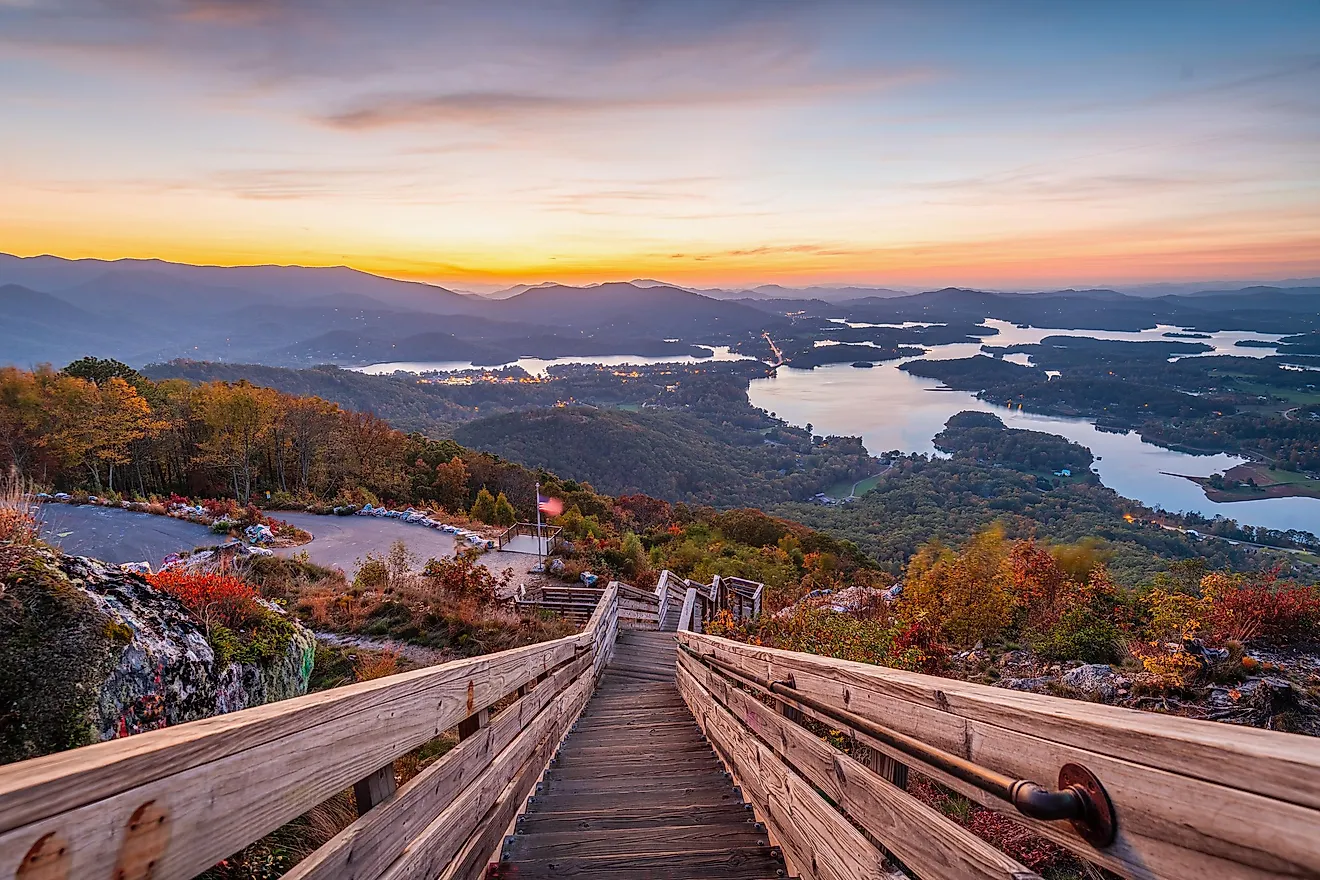
Centered in Chattahoochee National Forest, Amicalola Falls State Park has Georgia's highest waterfall. Amicalola Falls is a tiered horsetail cascade, plummeting in tiers from Little Amicalola Creek. At its highest point, the waterfall falls 729 feet down the eastern slopes of Amicalola Mountain. Due to its dramatic size and beauty, Amicalola Falls is widely recognized as one of the "Seven Natural Wonders of Georgia."
On select days, the state park offers guided waterfall hikes. Beginning at the Visitor Center, an informed interpreter then leads participants on a 1.5-mile hike along Little Amicalola Creek. Solo journeys can follow a similar route, ending at the majestic cascade. A 600-step climb links the base of the falls to the top, with waterfall viewing decks along the way. Spring is a great time to visit for peak waterfall flow. However, fall is the more popular time to see the forest frame the waterfall with seasonal colors.
Visiting America's Best Waterfalls
The United States is home to thousands of waterfalls, and the best are protected in its state parks. Niagara Falls attracts millions each year with its 3 powerful falls. New York is also home to Watkins Glen, where 19 waterfalls can be seen on a single hike. In Silver Falls, parkgoers can walk behind curtain cascades, while Fall Creek Falls State Park has a towering suspension bridge over Cane Creek Cascades. Meanwhile, Amicalola Falls has just one waterfall, but the 729-foot spill is spectacular.