The Colorado River Tributary That No Longer Reaches It
The Colorado River's single largest tributary drains most of Arizona and a big chunk of New Mexico, some 58,000 square miles of the desert Southwest. And yet, for most of the year, its mouth is nothing but dry, cracked sand. The Gila River, which is supposed to pour into the Colorado near Yuma, has not reliably reached it in decades. Here is the strange story of how an entire river went missing.
The Answer: The Gila River

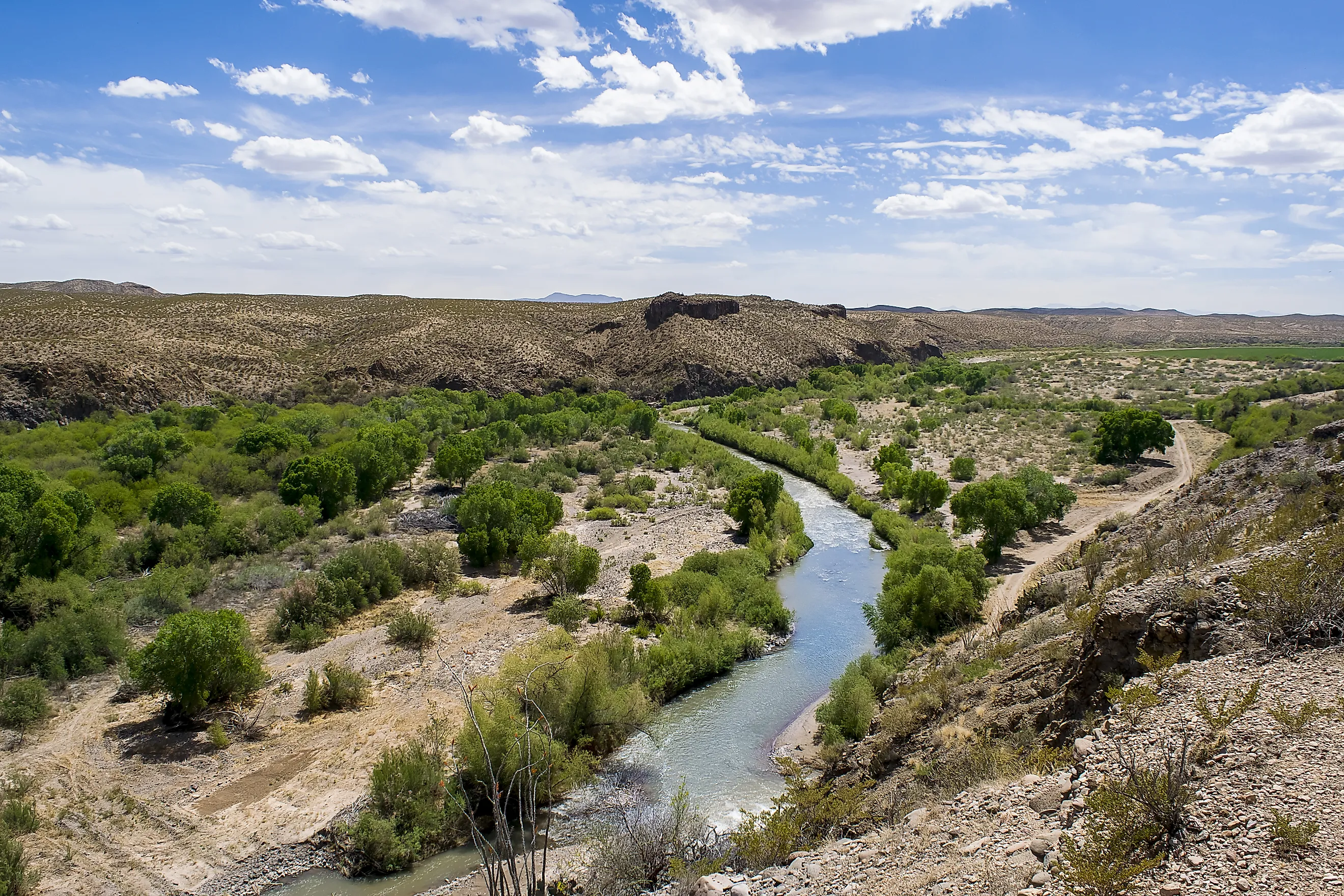
The Gila River is, on paper, the Colorado's biggest tributary. It is a 649-mile waterway that begins high in the Gila Wilderness of New Mexico and runs west and southwest clear across Arizona toward a natural meeting point with the Colorado near Yuma. Up in its headwaters, it still flows clean and lively through rugged canyon country. But somewhere along its long journey toward the sea, the water simply runs out, and the entire lower half of the river is left bone-dry.
How a River Vanishes

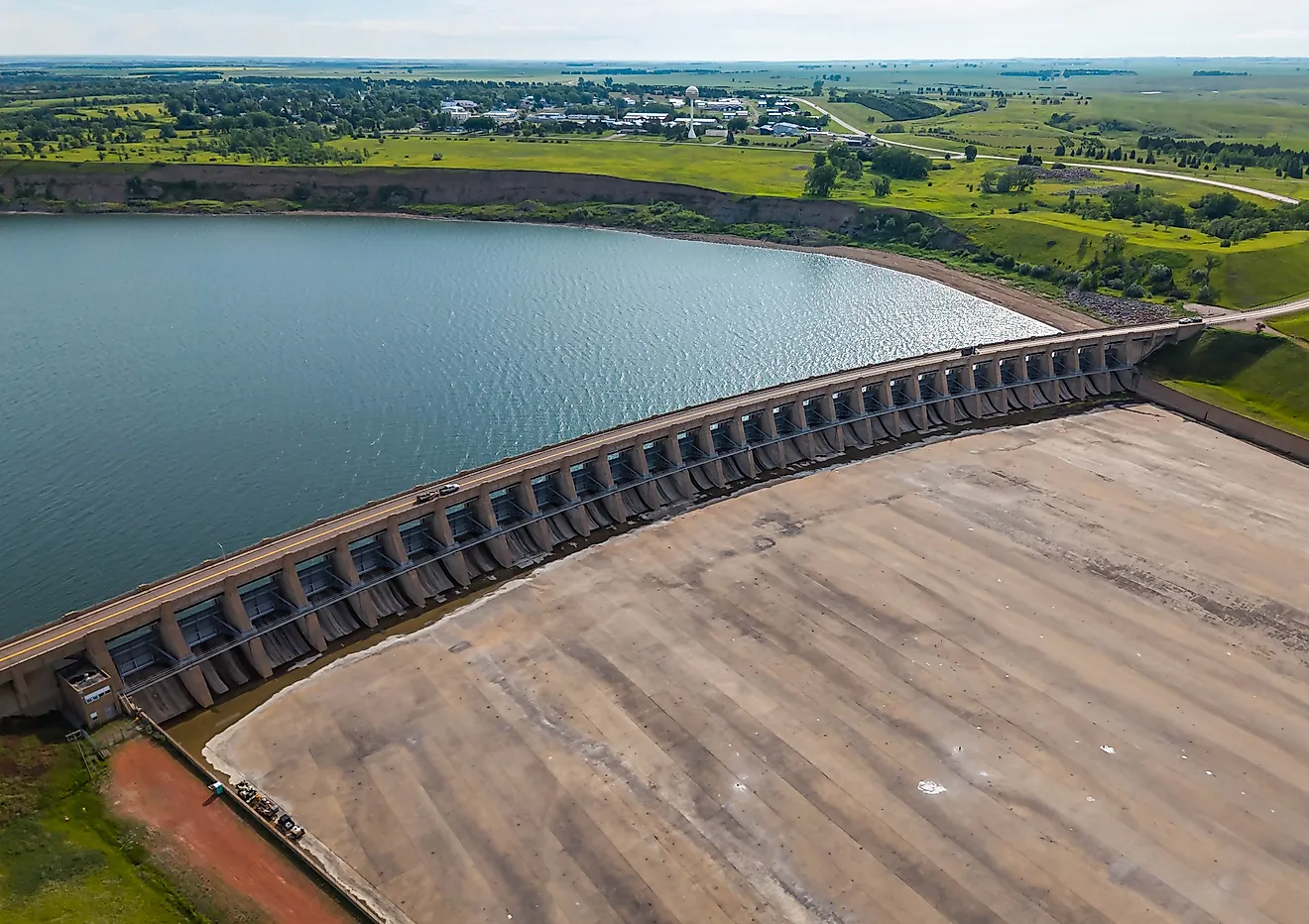
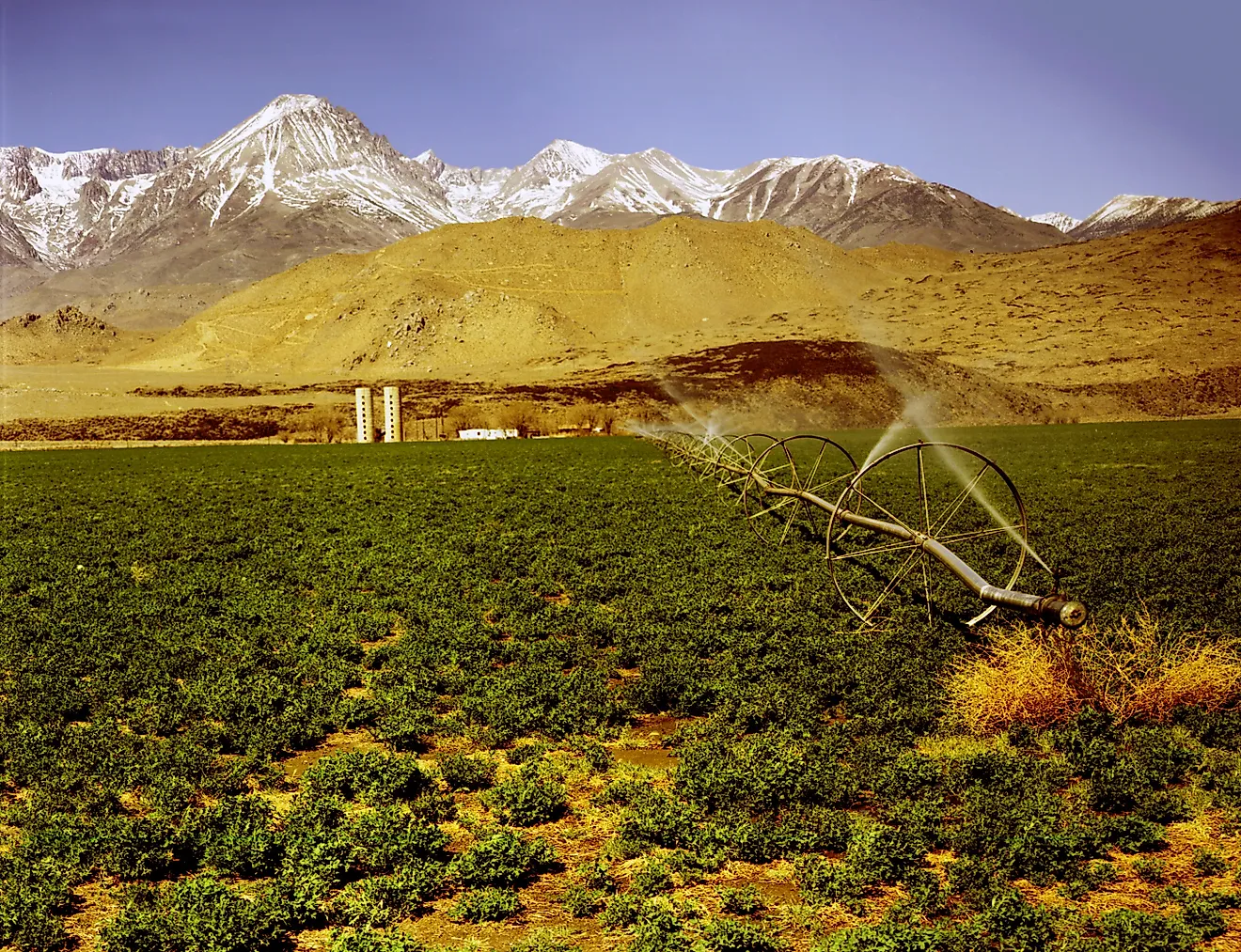
The Gila did not dry up by accident. It was drained on purpose, one dam and canal at a time. Coolidge Dam, completed in 1928, plugs the river to feed farms in the Casa Grande Valley, and just downstream the Ashurst-Hayden Diversion Dam siphons off essentially the entire remaining flow for irrigation. Its biggest tributary, the Salt River, is itself dammed and diverted to quench the thirst of metropolitan Phoenix. By the time whatever is left trickles toward the desert near Yuma, there is simply nothing to deliver. The Gila's natural flow has collapsed from roughly 1,900 cubic feet per second historically to a comparative dribble.
It Used to Be a Real River

This was once a genuine desert lifeline. The Gila ran year-round, lined with cottonwoods and willows, and it supported human societies for millennia. More than a thousand years ago, the Hohokam people dug a vast, sophisticated network of irrigation canals along it, so well-engineered that modern Phoenix's canals still follow some of the very same routes. Later the Akimel O'odham farmed its banks, and in the 19th century, pioneers, stagecoaches, and the Mormon Battalion all followed the Gila as a natural highway west across the desert. For a very long time, it was one of the single most important rivers in the entire Southwest.
Only in a Flood

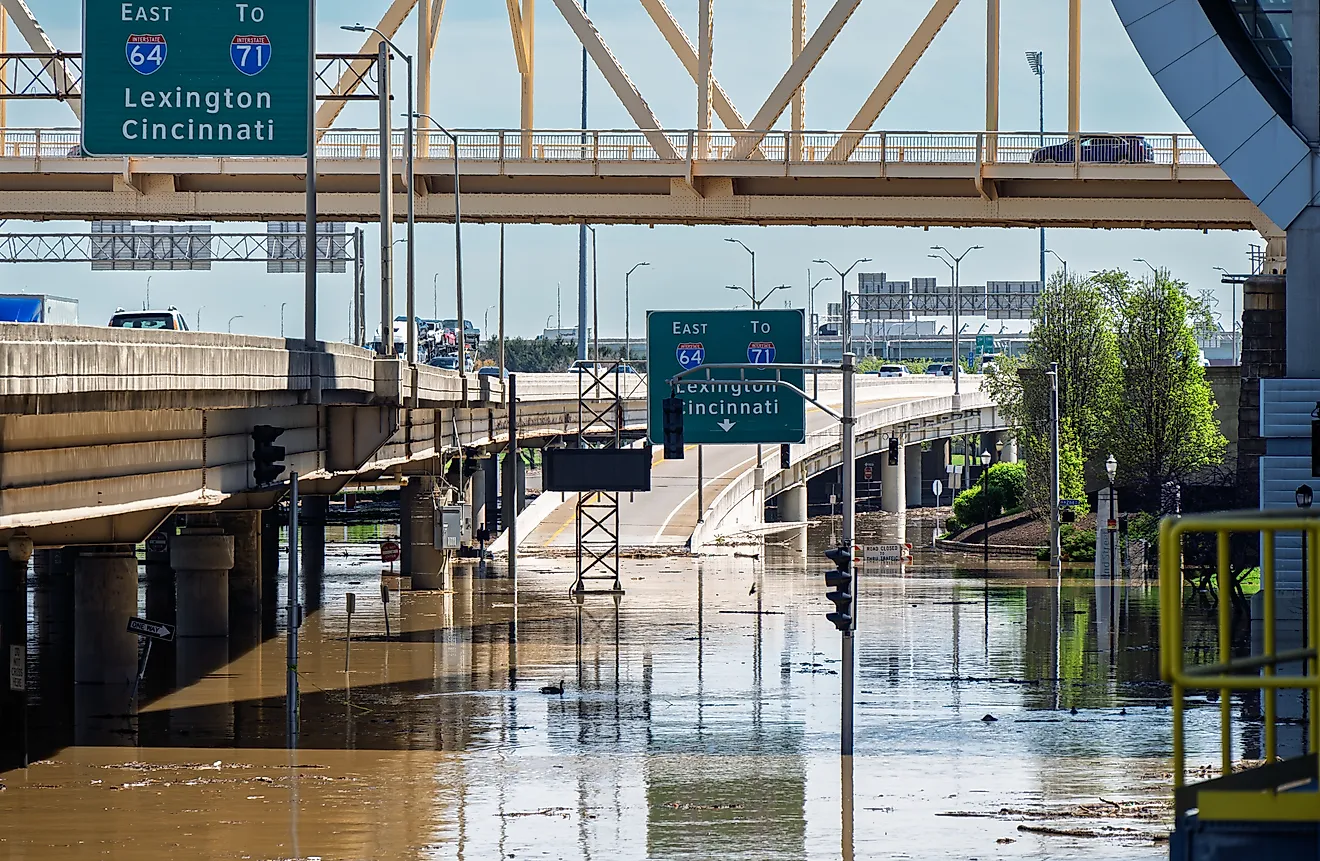
These days, the Gila reconnects with the Colorado only during genuine emergencies. When a huge winter snowmelt or a powerful summer monsoon overwhelms the upstream reservoirs, water managers are forced to release the excess from Painted Rock Dam, and for a brief spell the old river surges back to life and actually reaches the Colorado at Yuma. Then the floodwaters recede, the diversions resume their steady work, and the lower channel settles back into dry sand, a ghost of a river quietly waiting for the next big storm.
A Mirror of the Colorado Itself

There is a poignant symmetry to all of this. The Gila no longer reaches the Colorado in almost exactly the same way that the Colorado itself no longer reaches the sea, its own delta long ago drained dry by dams and diversions. The Southwest's enormous thirst has quietly unplugged an entire branch of the river system. And in the ultimate irony, Arizona now pipes Colorado River water hundreds of miles inland through the Central Arizona Project to supply the very cities and farms that helped drain the Gila in the first place. One river was emptied out to build the modern desert Southwest, and another is now pumped uphill to keep it all running.