Why New England's Fall Colors Beat Europe's
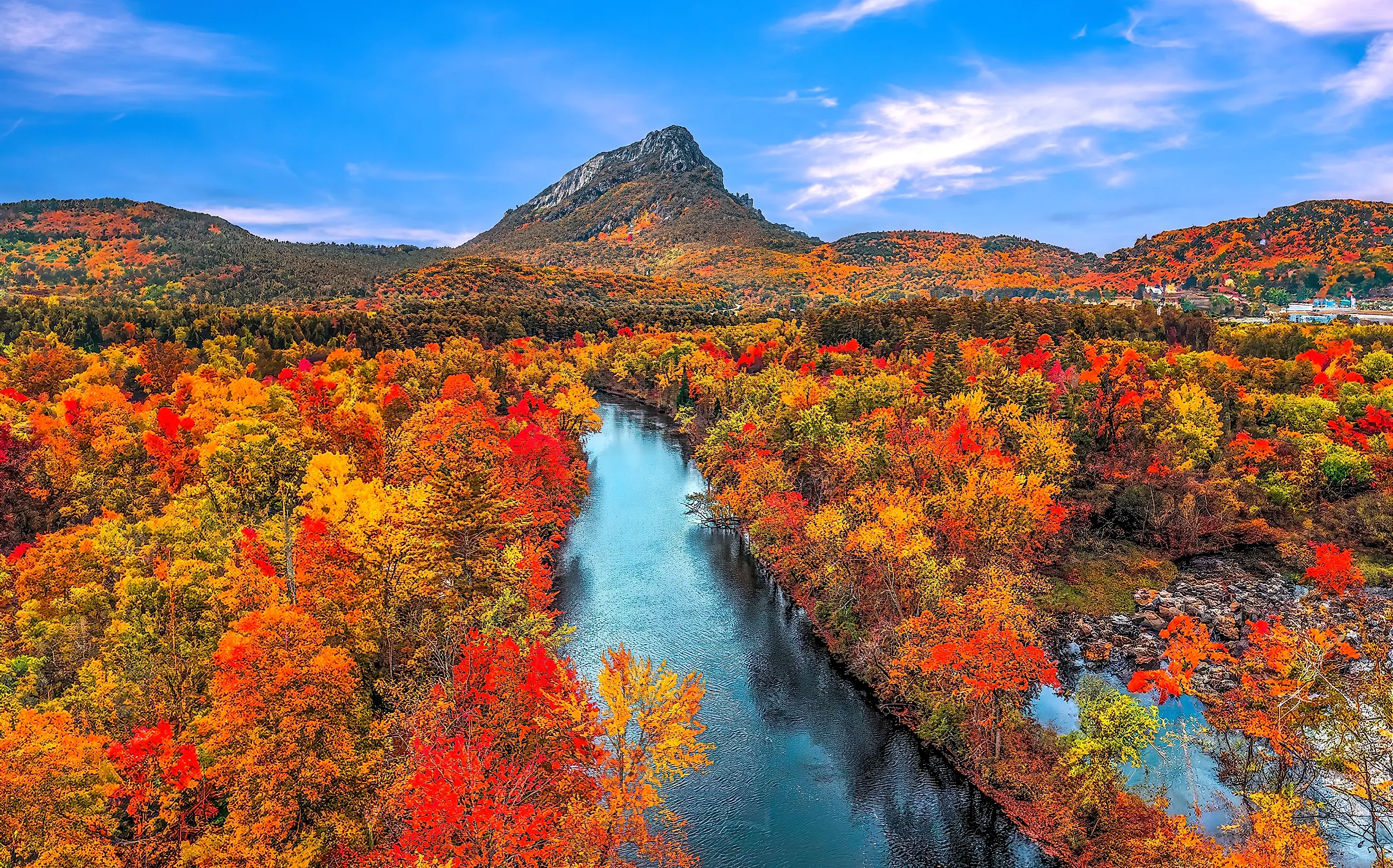
Every autumn, leaf-peepers pour into New England from all over the planet to witness its hillsides erupt into fiery reds, oranges, and golds. Europe's autumn is undeniably beautiful too, but visit a forest in France or Germany in October and you'll notice something: it is overwhelmingly yellow. New England genuinely does put on a more colorful show, and the reason why is one of the great surprises of natural history, stretching all the way back to the ice age. Here is why New England wins the fall color war.
It All Comes Down to Red
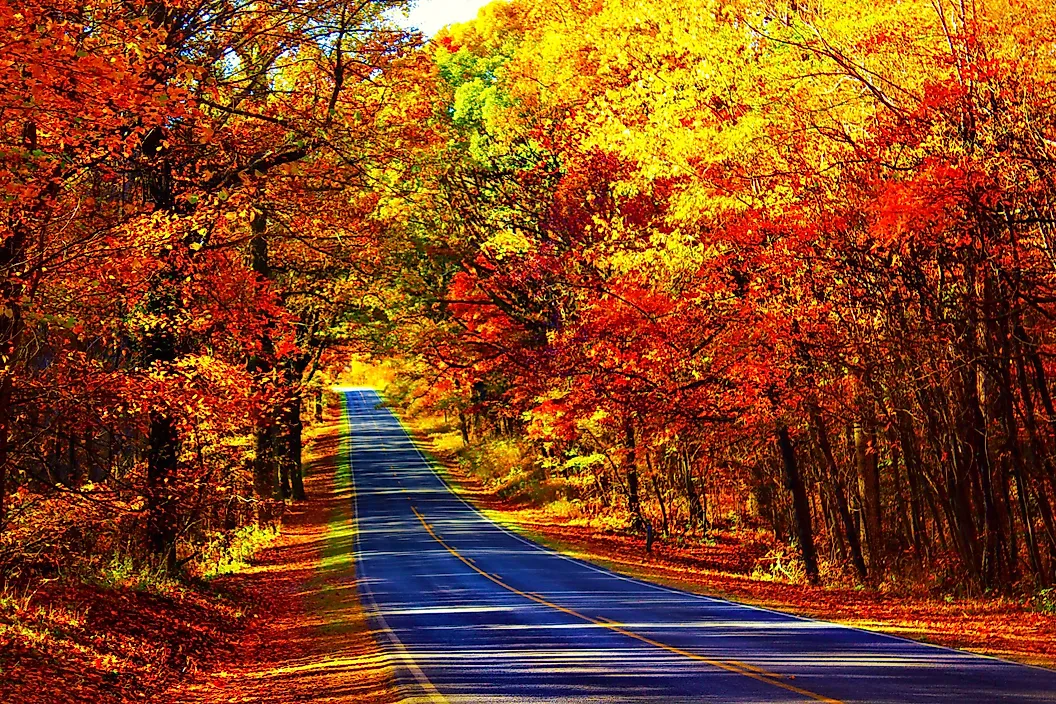
The single biggest difference between the two continents comes down to one color: red. New England forests light up with brilliant scarlet and crimson alongside the yellows and oranges, while European forests turn mostly shades of yellow and gold before browning. The numbers back it up. Only around 24 tree species in Europe produce red autumn leaves, compared to roughly 89 species in North America. That fiery red is precisely what makes a New England hillside look like it's on fire, and it's exactly what Europe is missing.
The Chemistry Behind the Colors

To understand the gap, it helps to know how the colors happen. The yellows and oranges come from pigments called carotenoids, which are present in the leaf all along and simply get revealed as the green chlorophyll fades in autumn. Red is different. Red comes from anthocyanins, pigments the tree actively manufactures fresh in the fall, partly as a kind of sunscreen and antifreeze for the leaf. Producing them costs the tree energy, so a tree only bothers if it has good reason to. New England's maples pump out anthocyanins by the bucketload; most of Europe's trees no longer make them at all. Which raises the obvious question: why not?
The Ice Age Did It

Here is the astonishing part. During the repeated ice ages, the answer came down to which way the mountains happened to run. In North America, and in East Asia, the great mountain chains like the Appalachians run north to south, so as the glaciers advanced, tree species could simply migrate south to warmer refuges, then march back north when the ice retreated. In Europe, the Alps and their offshoots run east to west, forming a wall that trapped fleeing trees against the cold. Enormous numbers of species, including many of the colorful red-turning ones, were wiped out entirely. The insects that had driven trees to evolve red "warning" leaves in the first place died out too. So Europe emerged from the ice ages with a permanently impoverished, mostly-yellow palette, while New England kept its riotous reds. It was, essentially, a stroke of geographic luck.
The Sugar Maple Superstar

If New England's foliage had a mascot, it would be the sugar maple. This one tree is the region's true superstar, capable of turning a single leaf through glowing yellow, pumpkin orange, and deep scarlet all at once. Sugar maples are wonderfully abundant across New England, and especially in Vermont, and there's a neat little reason for that: even when settlers were clear-cutting the forests, they tended to spare the sugar maples because the trees were so valuable for maple syrup. As a result, some New England forests may hold an even higher share of brilliant sugar maples today than they did centuries ago. Europe, meanwhile, lost most of its equivalent colorful maples to the ice.
New England's Perfect Autumn Weather

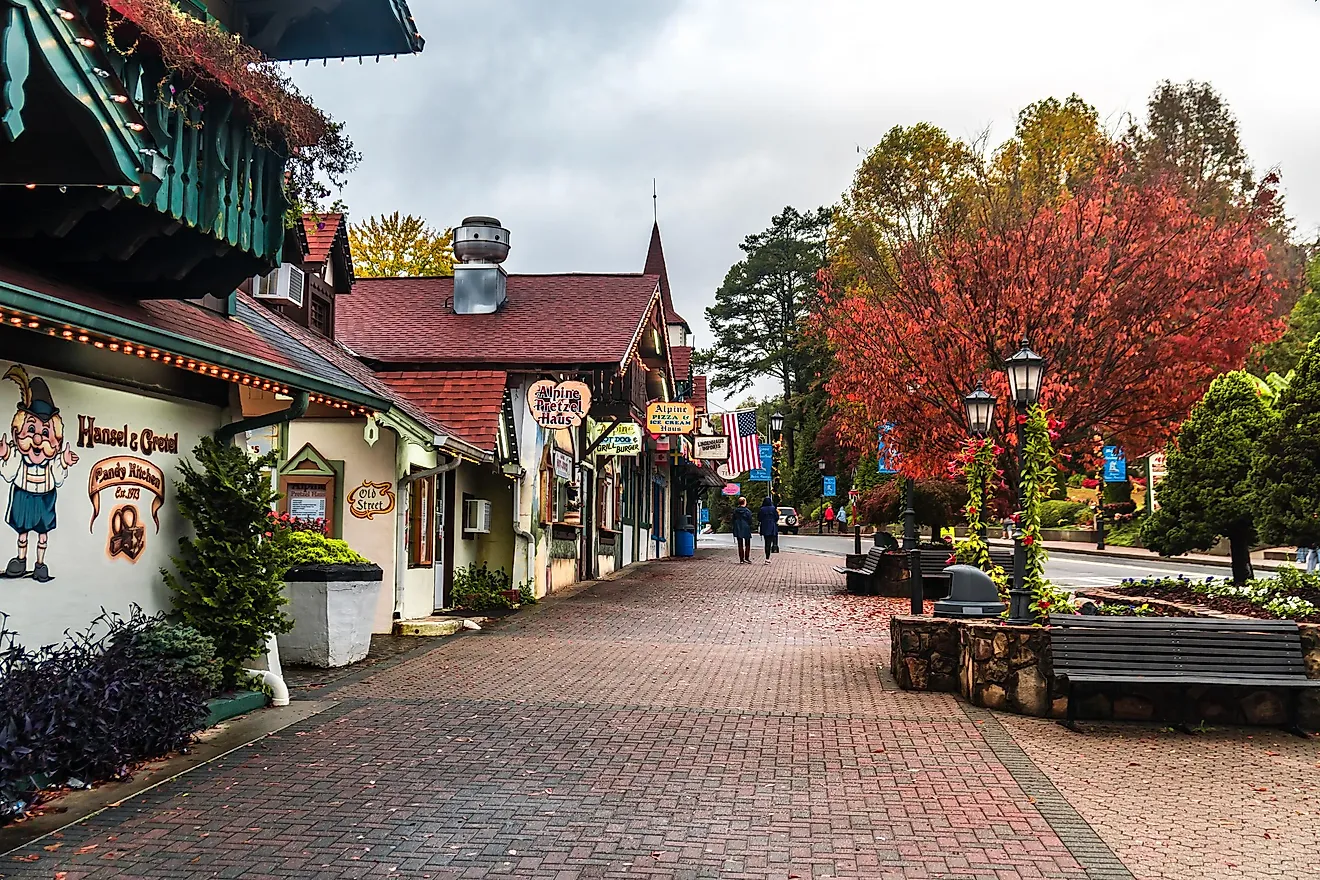
Geography and genetics set the stage, but New England's autumn weather delivers the knockout blow. The most vivid reds appear when bright, sunny days let the leaves keep producing sugars, and cool nights, crisp but not yet freezing, trap those sugars inside the leaf, fueling a burst of anthocyanin production. New England's fall climate hits that rhythm almost perfectly year after year. Add in the region's vast, unbroken hardwood forests draped across scenic mountains like Vermont's Greens and New Hampshire's Whites, and you get those postcard vistas of entire valleys glowing at once.
In Fairness to Europe

None of this means Europe's autumn isn't worth seeing. Golden beech and birch forests, amber vineyards, and the honeyed light of a European October have their own quiet, understated appeal, and plenty of people prefer them. It's also a gap Europe is slowly closing on purpose, planting colorful North American imports like red oak and sweetgum to spice up the palette. But for sheer, jaw-dropping intensity, for whole mountainsides ablaze in red and orange, New England still holds the crown, thanks to a lucky quirk of ancient geography that Europe simply never got. If red is the color of a truly great autumn, New England won that contest around ten thousand years ago.