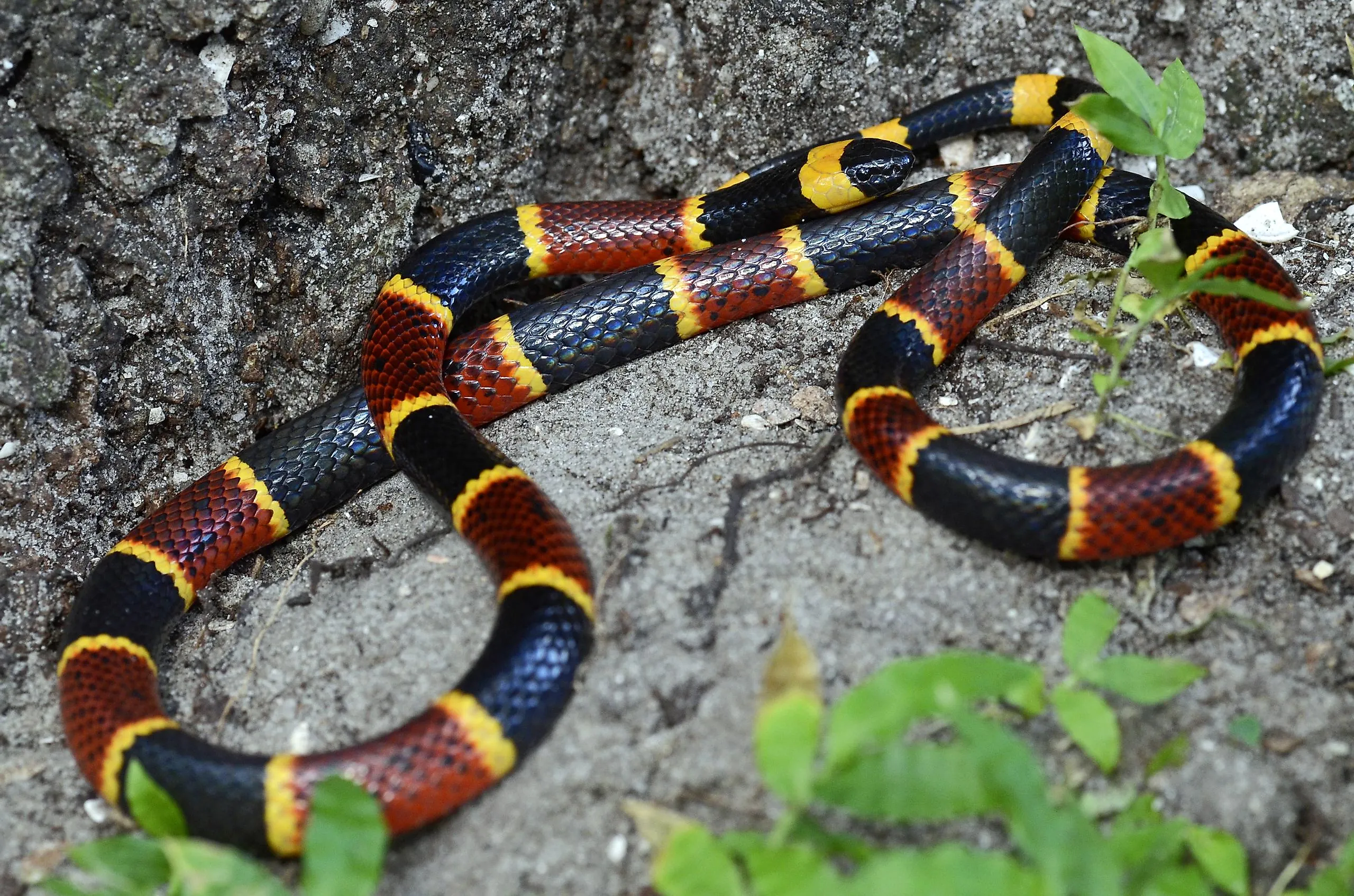
The Temperature Where Snake Season Officially Ends
The number most often quoted is 60 degrees Fahrenheit, and it is roughly right and quietly misleading. Snakes become sluggish below about 60, and effectively shut down once ground temperatures hold near 50. But the threshold that matters is sustained rather than momentary, it is measured in the soil rather than the air, and a warm afternoon in January will undo it. Snake season does not end at a temperature so much as go quiet at one. That is a different thing to plan around, and the difference is where people get caught out.
Sixty Is The Switch

If a single figure is wanted, this is the one with the most agreement behind it. As a general rule, snakes begin and end brumation at 60 degrees Fahrenheit, or about 15 Celsius. In the northern states, as the weather cools to 60, a snake starts looking for somewhere to spend the winter, and it comes back out when the weather passes 60 again in spring.
Below that line metabolic rate drops by a third to a half. Digestion slows, strike reflexes dull, and movement becomes expensive in a way it was not the week before.
Fifty Is The Floor

A second threshold sits ten degrees lower, and that is the one that actually stops things. Snakes effectively shut down once ground temperatures hold near 50 degrees Fahrenheit, which is 10 Celsius. Between 50 and 60 an animal can still move if it has to, slowly and badly. Below 50 the chemistry it depends on simply stops delivering.
So the honest answer to the headline is a band rather than a point. Sixty is where the season fades, fifty is where it closes.
Measure The Ground, Not The Air

This is the part that makes an air-temperature forecast a poor guide, and it explains a lot of surprising encounters.
The relevant figure is ground temperature, which lags air temperature by weeks. Soil holds heat accumulated through summer and releases it slowly, so the earth stays warmer than the air well into autumn and colder than the air well into spring.
A 55-degree morning in October sits on ground that is still considerably warmer. The same reading in March sits on ground that is still frozen. Identical forecast, opposite snake behavior.
Sustained Matters More Than Low

One cold night ends nothing, which is the most common misreading of the whole question.
The trigger is sustained days below 50 to 60 degrees rather than a single reading. A snake responds to a trend, because committing to a den is a decision it cannot easily reverse and the cost of getting it wrong is a winter spent somewhere unsuitable.
Equally, a sustained warm spell reverses the decision. Southwestern snakes are documented brumating only intermittently, surfacing during any warm stretch rather than staying down for a fixed season.
Peak Activity Is Seventy To Ninety

Knowing where the season ends is more useful set against where it peaks. Snakes function best between 70 and 90 degrees Fahrenheit, with full activity possible across roughly 68 to 95. Above 95 they stop again and go looking for shade, because overheating kills an ectotherm considerably faster than cold does.
That upper limit is why midsummer afternoons produce fewer sightings than people expect, and why activity shifts to dawn, dusk and night in July.
Rattlesnakes Quit Earlier

Species differ enough that one number flattens something worth knowing. Rattlesnakes are rarely active below 65 degrees Fahrenheit and very rarely below 55. In Oklahoma, snake activity broadly stops around 56. Those are higher thresholds than the general 50 to 60 band.
Body size matters too. A large-bodied snake holds heat longer and can stay out in conditions that would immobilize a small one, which is part of why juveniles disappear from the record before adults do.
Altitude Moves The Line

The same date produces different answers at different heights, and the rate is predictable enough to use.
Temperature drops roughly 3.5 degrees Fahrenheit per 1,000 feet of elevation. A valley floor and a ridge 3,000 feet above it differ by about 10 degrees, which is the entire width of the shutdown band.
So in mountain country the season can be over on the ridge and still running in the valley, on the same afternoon, within sight of each other.
In The South It Never Really Ends
The premise of the question only holds above a certain latitude, which is worth saying plainly.
Brumation lasts three to five months in the northern United States, roughly October through March. In the moderate parts of the country it is much shorter, and in the warm south and southwest snakes may have no need to brumate at all.
Where daytime highs hold above 65 even in winter, snakes bask, hunt and regulate their temperature more or less continuously. There is no season to end.
Warm Days Reopen It

This is the practical consequence of everything above and the reason the word officially does not belong in the question.
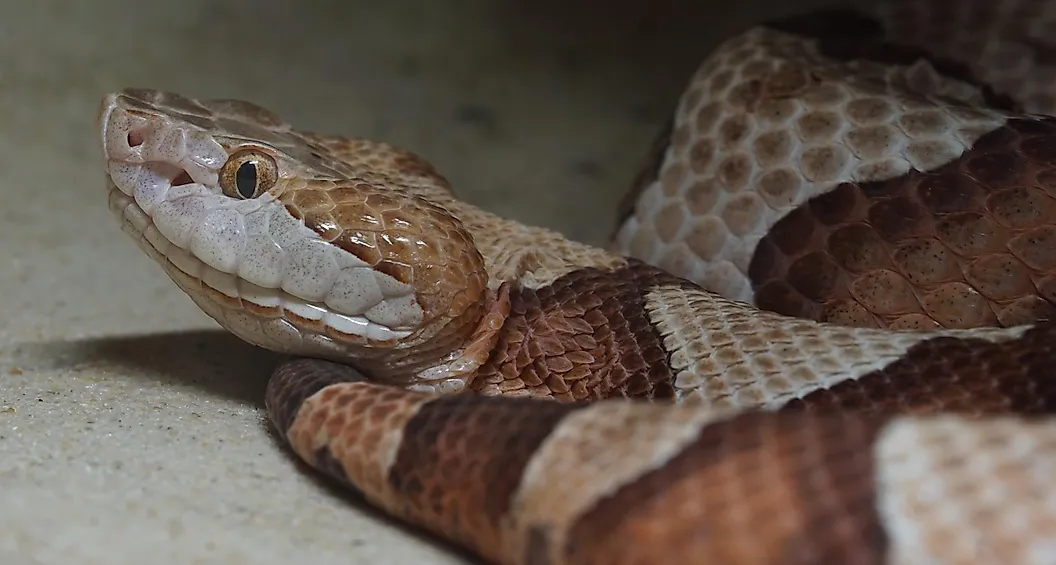
Brumating snakes are lethargic rather than asleep. They remain aware, they still drink, and they will move to the mouth of a den and bask when a mild afternoon arrives. Copperheads have been recorded basking in December and January.
A 65-degree day in February in copperhead country is not a safe day because the calendar says winter. It is a day when the snakes that are there come out.
The Short Answer

Snake season fades at a sustained 60 degrees Fahrenheit and closes at a sustained 50, measured at ground level rather than in the air, with rattlesnakes quitting nearer 65 and large snakes outlasting small ones. Altitude moves the line about 3.5 degrees per thousand feet, and in the southern states it never moves at all.
The word officially is the problem. There is no date and no single reading, only a band the weather can cross in either direction, and the snakes come back out every time it does.