The Counties That Sit In Two Time Zones
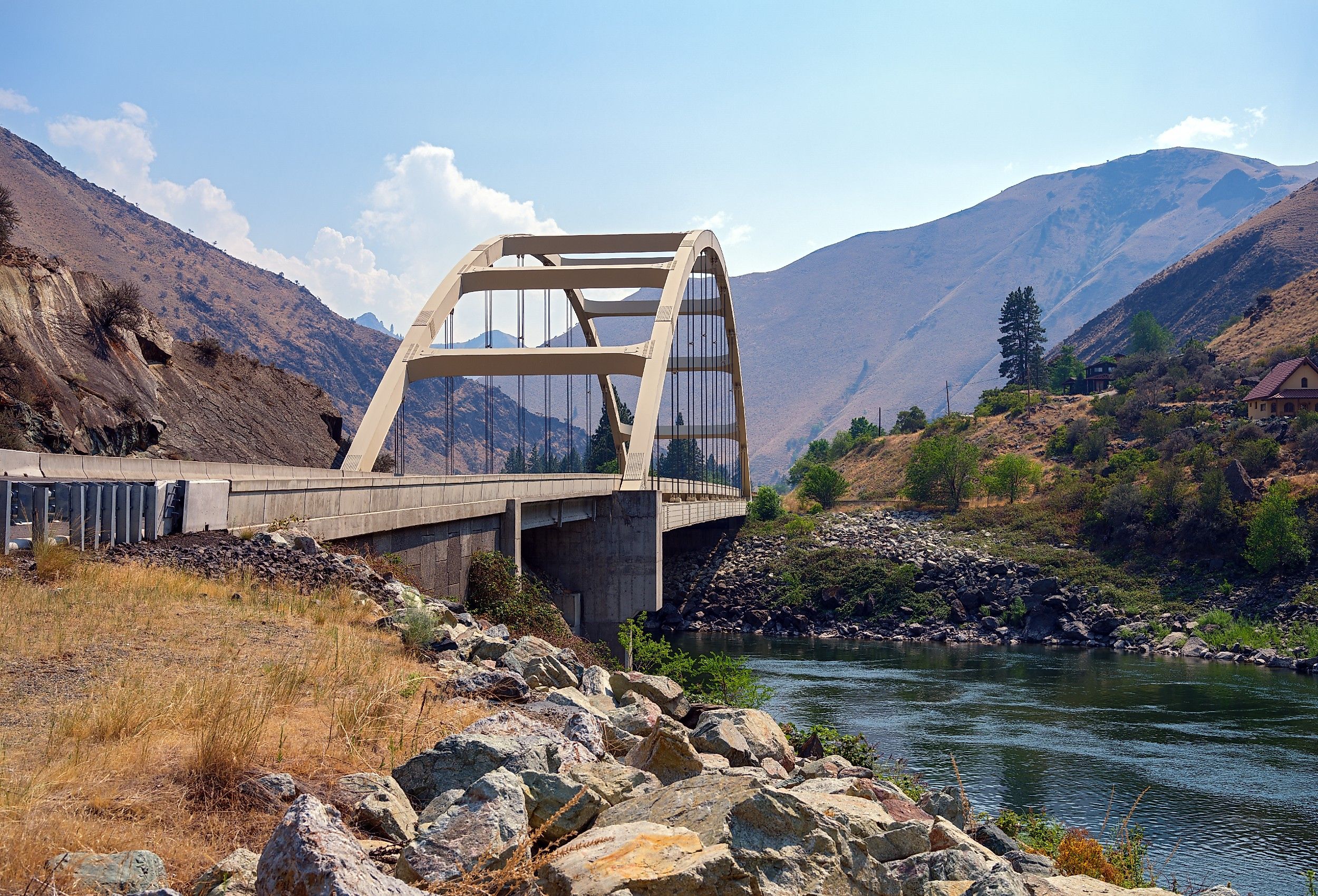
At the Time Zone Bridge near Riggins, Idaho, drivers entering Pacific Time set their clocks back one hour, while those entering Mountain Time move them forward. The county is divided between Pacific Time and Mountain Time, with the boundary running along the Salmon River. Time-zone boundaries appear as lines on maps, but they are usually invisible on the ground. However, in some American counties, those lines split up areas that function as one connected community. Idaho County is an unusual example, but it is far from alone. Gulf County in Florida, Cherry County in Nebraska, and Malheur County in Oregon face a similar reality.
Idaho County, Idaho

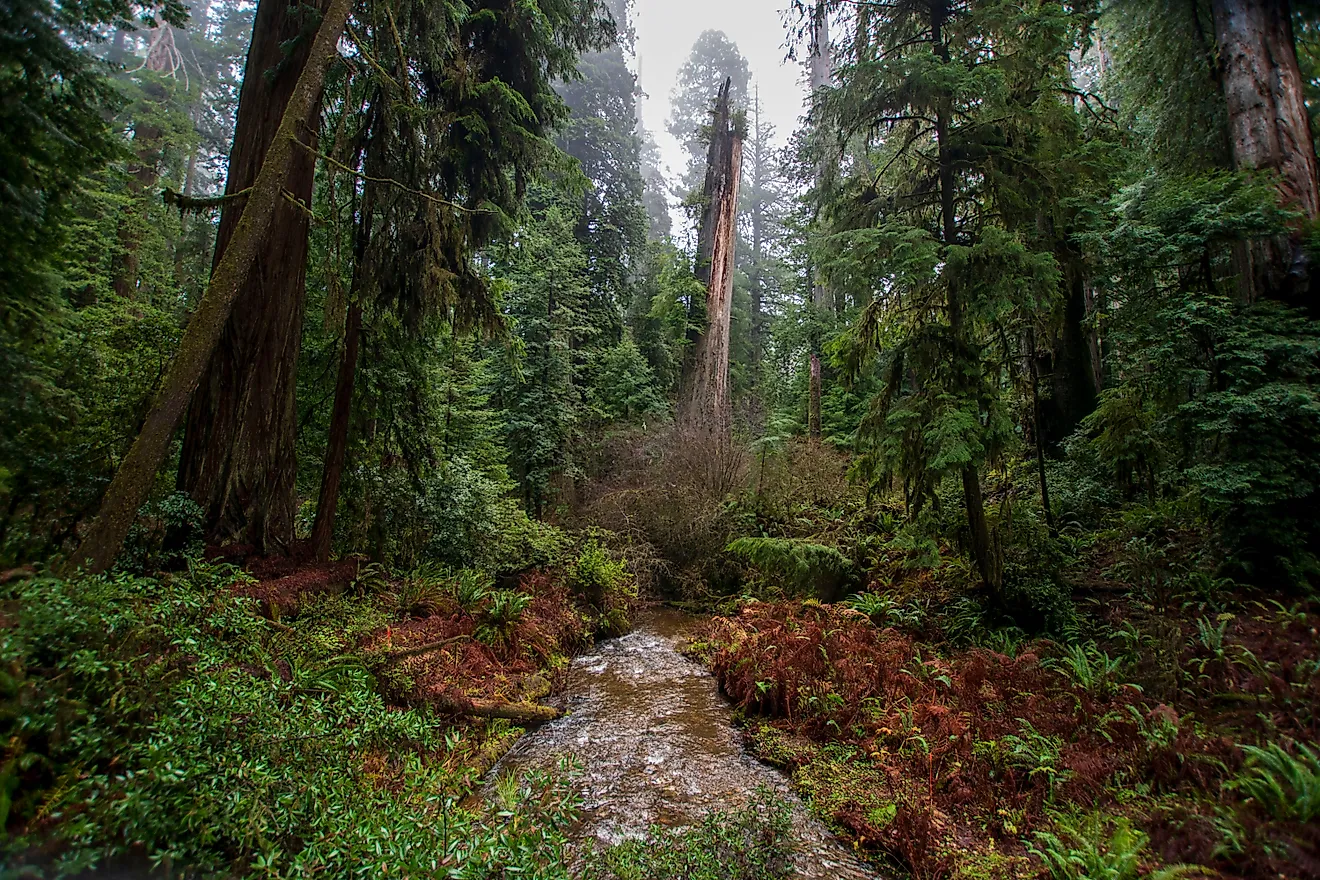
In Idaho County, the clock follows the Salmon River, which marks the boundary between time zones. The northern portion of the county is in the Pacific Time Zone, while the southern portion is in the Mountain Time Zone. The boundary isn't a simple line across the county; rather, federal regulations follow the Salmon River to mark the divide between the two time zones. Communities north of the boundary follow Pacific Time, while those to the south observe Mountain Time. Riggins observes Mountain Time, while US Route 95 enters Pacific Time at Goff Bridge, also known as the Time Zone Bridge, just north of the city.

US Route 95 crosses the Salmon River at a spot known as the Time Zone Bridge, an unusual landmark because drivers can cross from one time zone to another simply by crossing the bridge. The Idaho Department of Fish and Game, which regulates, monitors, and enforces fishing seasons along the Salmon River, even uses the Time Zone Bridge as a reference point when describing this section of the river.
Gulf County, Florida

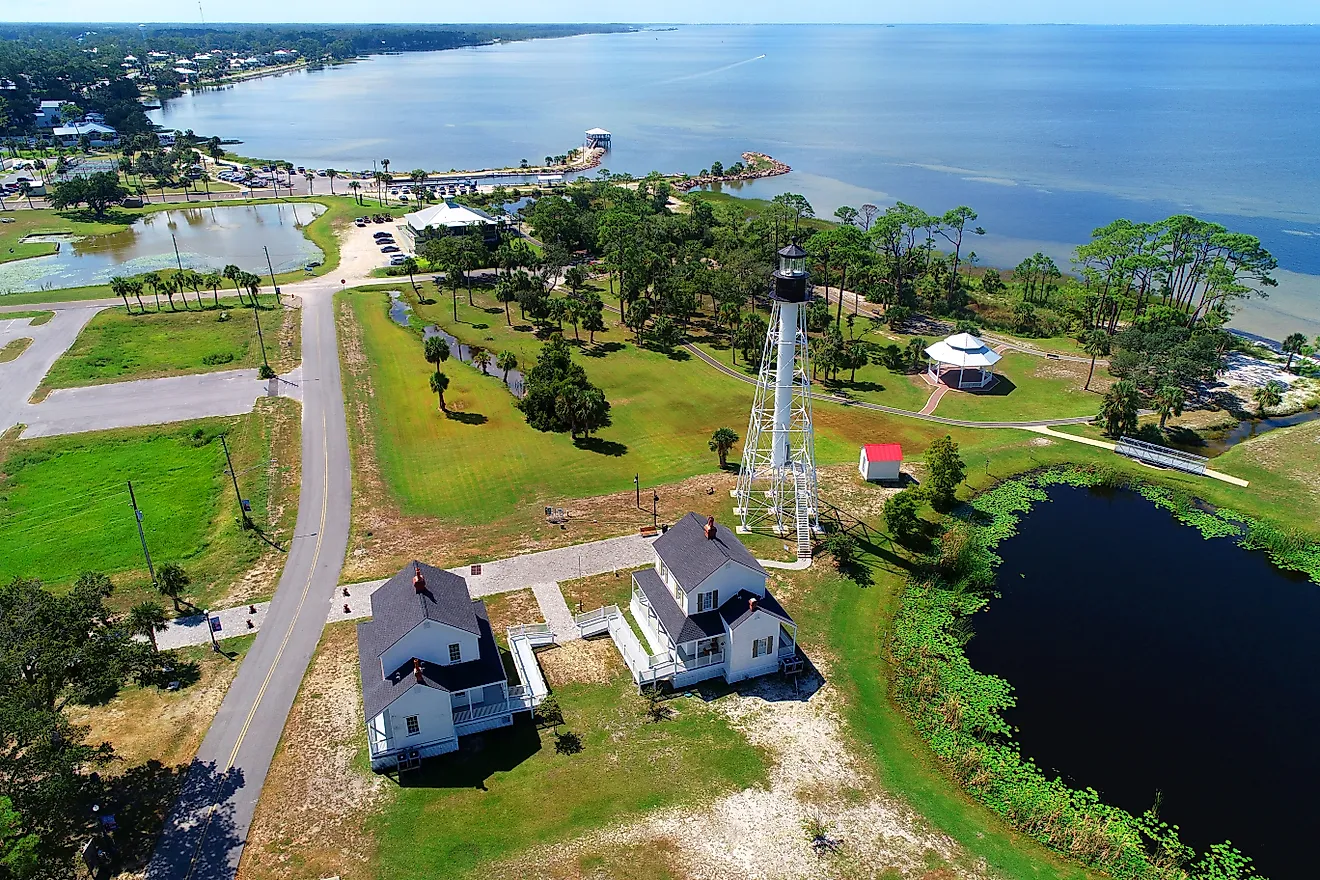
Thousands of miles away in Florida, Gulf County is divided between Eastern and Central Time. The southern portion, including Port St. Joe, uses Eastern Time, while the northern portion around Wewahitchka uses Central Time. Gulf County's split is particularly interesting because Florida's time zone boundary follows waterways and transportation patterns. As a result, parts of the western Panhandle follow Central Time while most of the state follows Eastern Time.

It can be challenging for residents in these two communities within the same county because they can have different local times. So if someone in Wewahitchka calls someone in Port St. Joe, they need to remember the clocks are an hour apart.
Cherry County, Nebraska

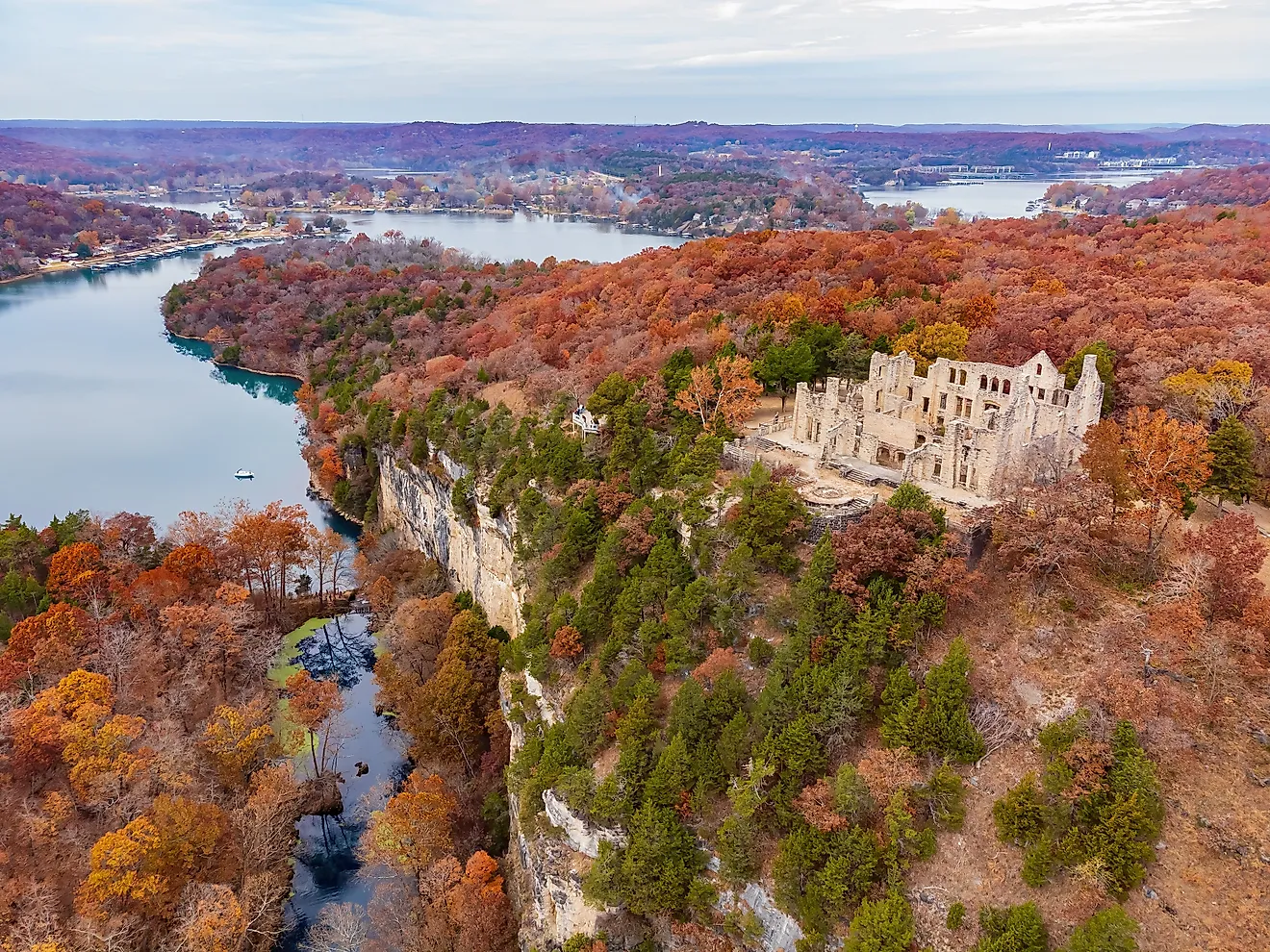
The enormous, rural Cherry County, Nebraska, is split between Central and Mountain Time. The eastern part, including the county seat of Valentine, observes Central Time, while the western portion uses Mountain Time. The county covers roughly 6,000 square miles, making it larger than the states of Delaware and Rhode Island. Its massive size helps explain why a time-zone boundary can exist within a single county without necessarily creating the same kind of urban confusion found in a more densely populated area.
The division also reflects the broader geography of the Great Plains. As you travel westward through Nebraska, you eventually cross into Mountain Time, but in Cherry County, that transition happens before you even leave the county line. For travelers, crossing the change can be easy to miss because the landscape doesn't suddenly change, and there is no physical barrier marking the boundary. The only immediate difference you will see may be the time displayed on your dashboard.
Malheur County, Oregon

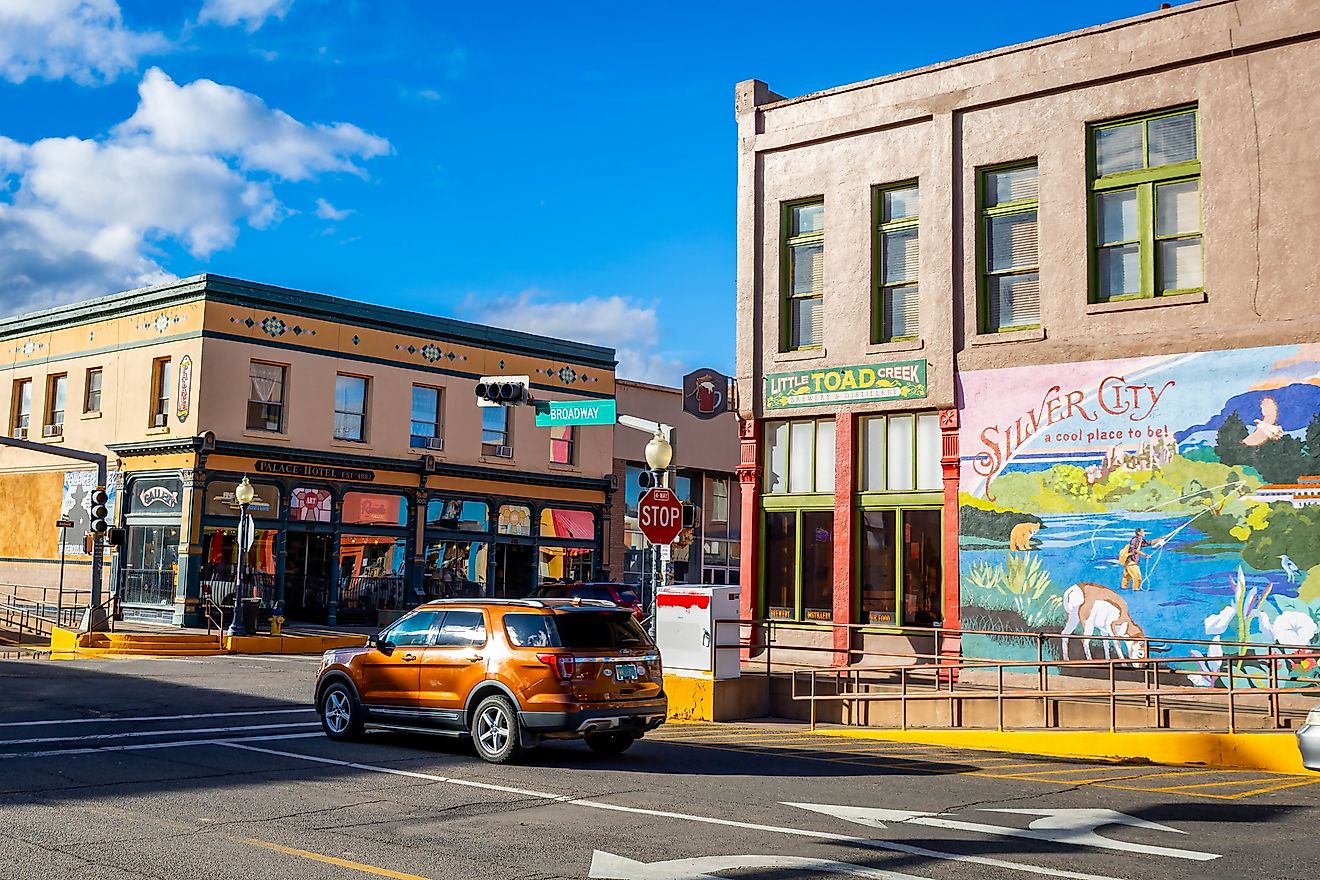
Then there is Malheur County, in the southeastern corner of Oregon. Oregon is overwhelmingly a Pacific Time state, but Malheur County is an exception because most of the county observes Mountain Time due to its close connections with neighboring Idaho. The arrangement reflects Malheur County's strong geographic and economic ties to Idaho's Snake River Valley and the Boise region.
Cities such as Ontario and Vale are located in the Mountain Time portion of Oregon because they are near Boise and the Idaho border. It's strange to think you can be in Oregon and still live on Mountain Time, even though most of the state follows Pacific Time. Malheur and Idaho counties both span Mountain and Pacific time, although their legal boundaries follow very different geographic lines.
Four Counties, Four Stories
Time zones in the United States often appear as neat lines carved on a map, but in counties like Idaho County, Gulf County, Cherry County, and Malheur County, the reality is far more complex and intriguing. In Idaho County, for example, the Salmon River doesn't just flow through the landscape; it also helps define the boundary between time zones. In Gulf County, the division slices through Florida's Panhandle, creating a unique separation between Eastern and Central Time. Meanwhile, in Cherry County, Nebraska, the area is so vast that two time zones coexist across its terrain. In Malheur County, connections with neighboring Idaho help explain why most of the county observes Mountain Time, while a small southern section remains in Pacific Time. What is fascinating is how time can shift even as the surroundings remain the same, with a simple drive transitioning you from one hour to another.