9 Best Attractions To Visit In Pennsylvania
Pennsylvania is one of the oldest states in the Union, having been settled and inhabited long before the country ever even existed. With major cities such as Philadelphia and Pittsburgh, and numerous notable small towns in between, calling it home, there is certainly a lot to see and do here.
Whether you're keen on spending an afternoon in a museum, a weekend hiking the state's vast wildernesses, or whatever else, here are nine of the best attractions you can find here that are an absolute must-visit for any kind of traveler.
Independence National Historical Park

In the heart of Philadelphia sits Independence National Historical Park, a location that contains some of the most significant sites tied to the founding of the United States. Its centerpiece is Independence Hall, where both the Declaration of Independence and the US Constitution were debated and signed.

Adjacent is the Liberty Bell, a lasting symbol of American freedom, displayed in a dedicated pavilion. The park also includes Congress Hall, Old City Hall, and the Benjamin Franklin Museum. Here, you can take guided tours through restored 18th-century buildings and explore exhibits that detail the early struggles of the American republic.
The destination is managed by the National Park Service and remains free to enter, though Independence Hall requires a timed ticket for most of the year, and those are worth booking ahead in summer. Covering roughly 55 acres in Philadelphia's historic Old City district, it is very easy to walk between all the other landmarks and amenities that can be found nearby, too.
Fallingwater

The aptly named Fallingwater is one of architect Frank Lloyd Wright's most acclaimed residential designs and a key example of 20th-century American architecture. Designed in 1935 for the Kaufmann family and completed in 1939, the house is set directly above a waterfall in the Laurel Highlands, about 70 miles southeast of Pittsburgh. The structure's various terraces and seemingly flawless integration with the surrounding forest and rock formations illustrate Wright's philosophy of organic architecture: to design in harmony with nature as much as possible.
Now operated by the Western Pennsylvania Conservancy, Fallingwater is open for guided tours that cover both the interior living spaces and the exterior grounds. Original furnishings, artworks, and Wright's custom designs are preserved throughout the home for you to still appreciate. In addition to architectural interest, the property includes wooded trails and a well-curated visitor center with exhibits about Wright's career.
Fallingwater is a National Historic Landmark and, since 2019, part of a UNESCO World Heritage listing covering eight Wright buildings across the country. Tours sell out well in advance in peak season, so book before you drive out.
Gettysburg National Military Park

Gettysburg National Military Park preserves the site of the largest battle ever fought in North America. Over three days in July 1863, Union and Confederate forces clashed in and around the small Pennsylvania town of Gettysburg, resulting in more than 51,000 casualties.

The battlefield is now a carefully maintained historical landscape with more than 1,300 monuments, markers, and memorials spread across roughly 6,000 acres. Key sites include Little Round Top, Cemetery Ridge, and the ground crossed during Pickett's Charge. There are many ways to delve into the park, as you'll be able to drive, bike, or join a licensed battlefield guide for a narrated tour of the grounds. The museum and visitor center contain extensive exhibits and the restored Cyclorama, a 377-foot painting of Pickett's Charge completed in 1883. Nearby, Soldiers' National Cemetery is where President Abraham Lincoln delivered the Gettysburg Address in November 1863.
Hersheypark

Hersheypark is easily one of Pennsylvania's largest and most visited theme parks, originally established by candy magnate Milton S. Hershey in 1906 as a leisure space for his chocolate factory workers. Today it covers over 121 acres and includes more than 70 rides, among them around 15 roller coasters, a large water park, and various other family-friendly attractions. The adjacent Hershey's Chocolate World provides additional experiences, including factory-themed tours, interactive exhibits, and chocolate-making workshops.

Beyond rides and sweets, Hersheypark Stadium and the nearby Giant Center host concerts and sporting events throughout the year. The entire complex adds up to form a major tourism hub in the center of the state, drawing millions of visitors annually. Also note that the park operates seasonally, with special themed events during Halloween and the winter holidays, so check the calendar before planning a trip outside summer.
Eastern State Penitentiary

Eastern State Penitentiary in Philadelphia operated from 1829 to 1971 and introduced a model of solitary confinement that later influenced prison design worldwide. The penitentiary's design, complete with radial hallways and a central surveillance area, reflected early 19th-century beliefs in reform through isolation and constant overwatch. Charles Dickens visited in 1842 and wrote that the silence amounted to torture, which remains one of the sharpest things ever said about the place.

Located in the Fairmount neighborhood, the facility was among the most expensive public buildings in the country when it was completed, and it housed several notorious inmates, including Al Capone and Willie Sutton. It now serves a slightly less serious function as a historic site and museum, with its extensive cellblocks offering audio-guided tours and rotating exhibits on incarceration and criminal justice.
Be sure to explore the crumbling architecture, original guard towers, and restored cells, including Capone's unusually furnished room. The site also hosts seasonal events, most notably a large-scale Halloween haunted attraction that draws large crowds every year.
Ricketts Glen State Park

Ricketts Glen State Park spans over 13,190 acres across three counties in the northeastern corner of the state and is best known for its waterfall-laden hiking trails. The Falls Trail, the park's signature route, passes 21 named waterfalls ranging from 10 feet to the 94-foot Ganoga Falls, the tallest of them. The trail system follows rocky gorges and old-growth forest, offering one of the most scenic hikes in the region, and one that is especially good in the fall when the foliage turns.

A word of caution on that trail: it is steep, permanently wet, and the rock stays slick year-round, so proper footwear is not optional. The park closes the Falls Trail to hikers in winter unless you are equipped with crampons and ice axes, which is how seriously they take it.
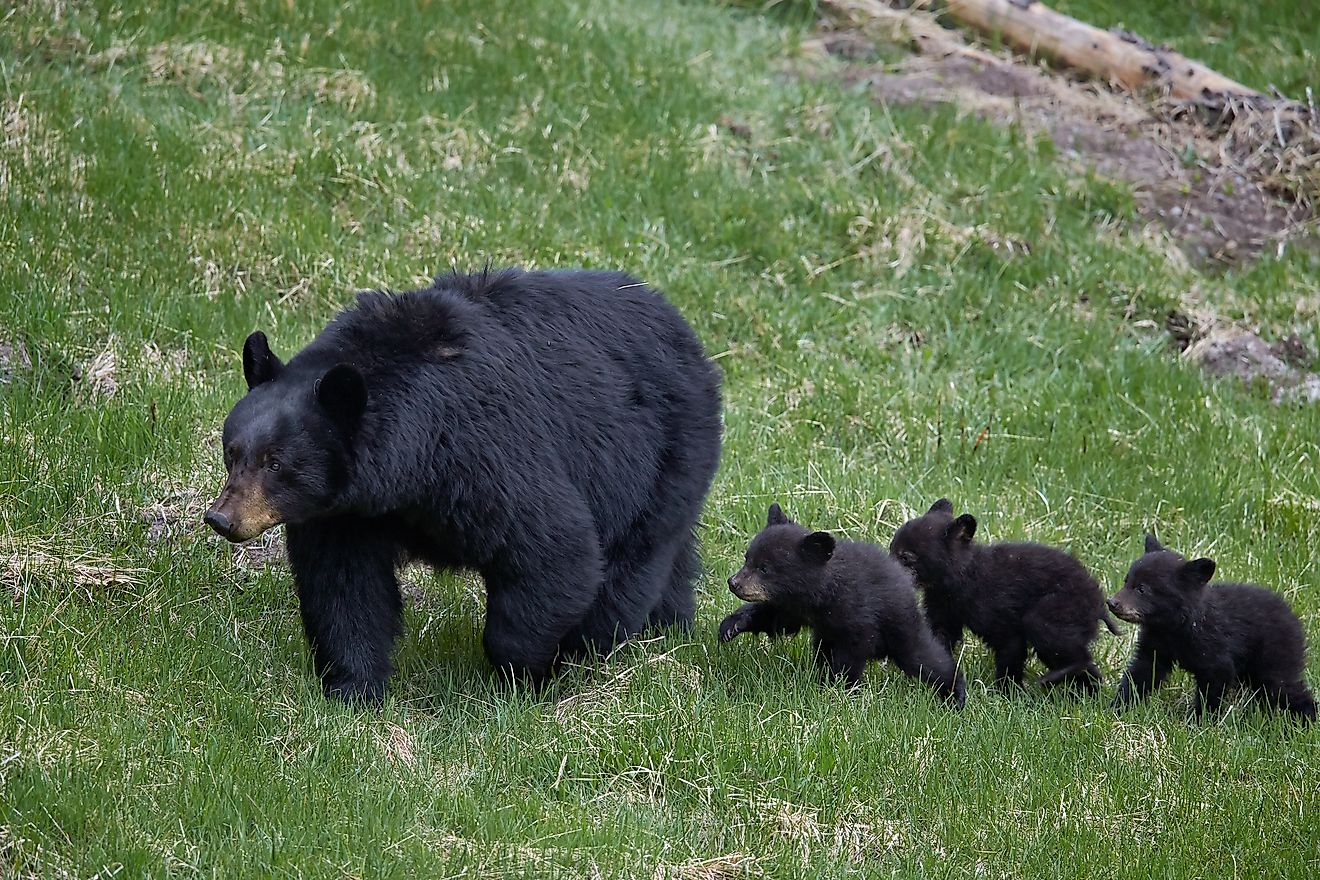
In addition to hiking, the park includes Lake Jean, a popular spot for fishing, swimming, and boating during the warmer months. If you want to stay for a night or two, campsites and rental cabins are available in and around Ricketts Glen. The area is home to black bears, white-tailed deer, and a wide variety of birds, making it a destination for both outdoor recreation and nature observation.
The Pennsylvania State Capitol

Completed in 1906 after four years of construction, the Pennsylvania State Capitol is both the seat of government and one of the state's most architecturally significant buildings. Designed by Joseph Huston, the structure blends a number of old-world styles and features a 272-foot dome modeled after St. Peter's Basilica in Rome. Theodore Roosevelt attended the dedication and called it the handsomest building he had ever seen.
The interior includes extensive murals, stained glass, and decorative art symbolizing Pennsylvania's longstanding history and industries, including a tiled floor set with nearly 400 mosaics of the state's animals, insects, and industries. Guided tours are available daily and cover the House and Senate chambers, the Supreme Court room, and the grand rotunda. The Capitol complex also includes the State Museum of Pennsylvania, which contains archaeological artifacts, natural history exhibits, and rotating displays on different regional subjects. Located in downtown Harrisburg, the Capitol grounds are easily walkable and include numerous other monuments, memorials, and landscaped public spaces for you to see.
As a functioning government building and a National Historic Landmark, this is not just a good attraction but a highly important facet of the state's everyday function, and a place that should be enjoyed respectfully.
Longwood Gardens

Longwood Gardens in Kennett Square is one of the most impressive green spaces in the United States, covering over 1,100 acres, roughly 200 of which are open to visitors. Originally developed by industrialist Pierre S. du Pont from 1906 onward, it features a huge variety of horticultural attractions, including formal gardens, woodlands, meadows, and one of the largest greenhouse conservatories in the country. Its layout balances natural landscapes with visitor-friendly infrastructure, offering walking trails, reflective pools, and shaded pavilions.

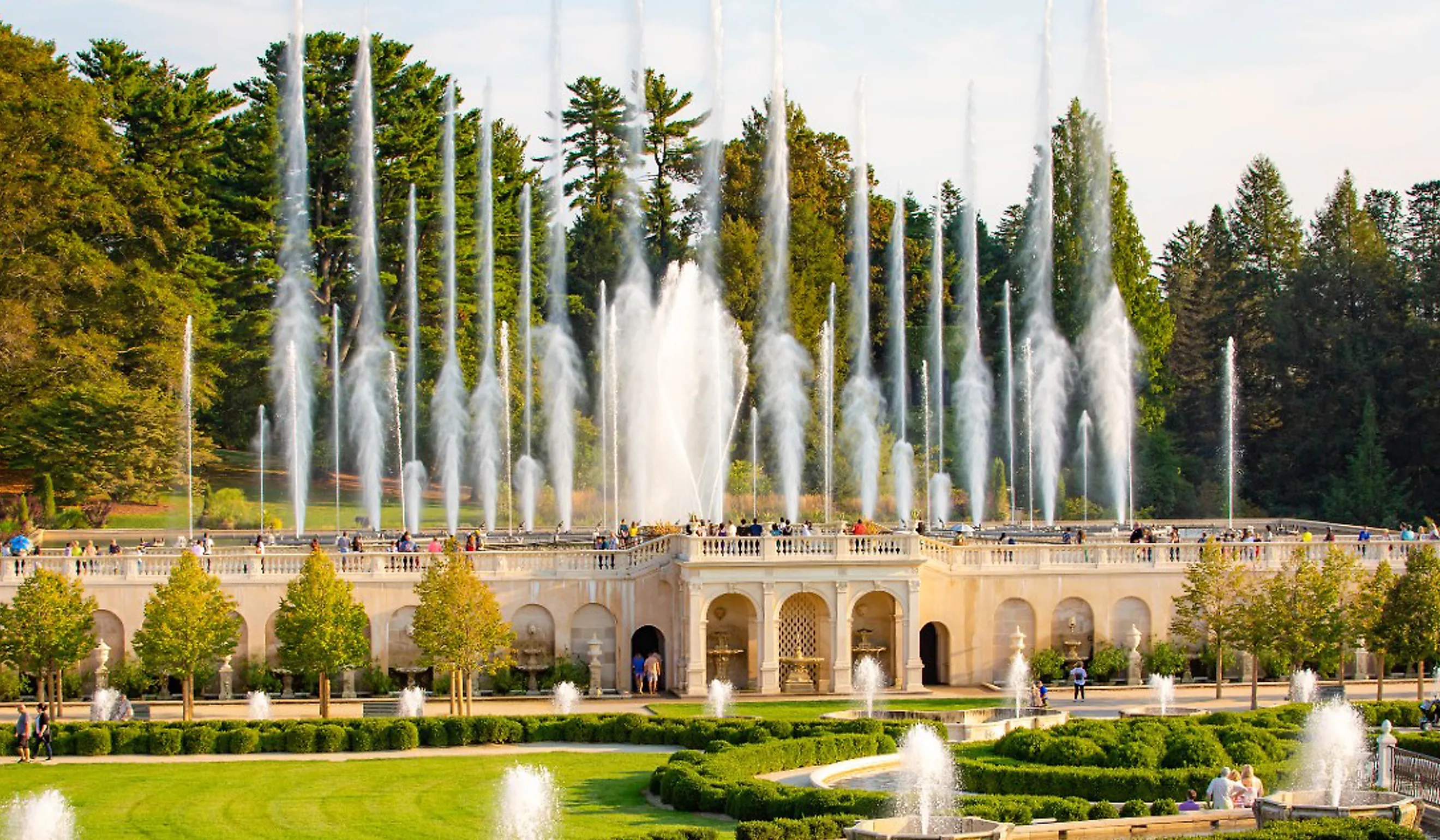
Seasonal displays rotate throughout the year, with highlights including the spring bulb bloom, summer fountains, fall chrysanthemums, and a large-scale holiday light show. The Main Fountain Garden, reopened in 2017 after a major restoration, runs scheduled performances with synchronized water, light, and music, with jets reaching 175 feet. Educational programming, botanical research, and conservatory tours are also part of the experience here. Timed tickets are required and the holiday season sells out early.
Situated in the Brandywine Valley, Longwood attracts casual visitors from nearby cities such as Philadelphia and Wilmington, as well as garden professionals.
The Pocono Mountains

The Pocono Mountains region spans four counties, Monroe, Pike, Wayne, and Carbon, and is one of the most visited outdoor recreation areas near the East Coast. It covers over 2,400 square miles of forest, lakes, rivers, and protected parkland.
Here you can enjoy the great outdoors on scenic hiking trails in places like Delaware Water Gap National Recreation Area and Hickory Run State Park, or paddle on the Lehigh and Delaware Rivers. Hickory Run also holds the Boulder Field, a National Natural Landmark left behind by the last ice age that takes a good twenty minutes to pick your way across. In the winter, the area supports multiple ski resorts, including Camelback, Jack Frost, and Big Boulder.

The Poconos also hold some renowned small historic towns, such as Jim Thorpe, known for its preserved districts dating back to the 19th century and its mountain railways. Various resorts, campgrounds, and vacation rentals are spread throughout the region as well, making it a convenient and comfortable escape year-round.
With a mix of natural features and rural communities, the Poconos function as an excellent quick weekend getaway, far enough from urban centers but easy enough for anyone to access. The area continues to draw outdoor enthusiasts, families, and travelers interested in Pennsylvania's surprisingly varied landscapes, whether they're looking to backcountry camp or kick back beside a lake.
Planning Your Visit
A few of these need booking rather than turning up. Independence Hall, Fallingwater, and Longwood all run on timed tickets, and all three sell out in peak season. Hersheypark and the Falls Trail at Ricketts Glen are seasonal in different ways, the first closing for winter and the second closing to anyone without ice gear. Everything else on the list is open year-round.
Geographically they sort into three clusters. Independence Park, Eastern State, and Longwood sit in the southeast within an hour of each other. Gettysburg, the Capitol, and Hersheypark line up across the center of the state in roughly the same stretch of highway. Fallingwater stands alone in the southwest, and Ricketts Glen and the Poconos anchor the northeast. Pick a corner and you can do three in a weekend without spending the whole time driving.