7 Most Rattlesnake Infested Areas in Northern California
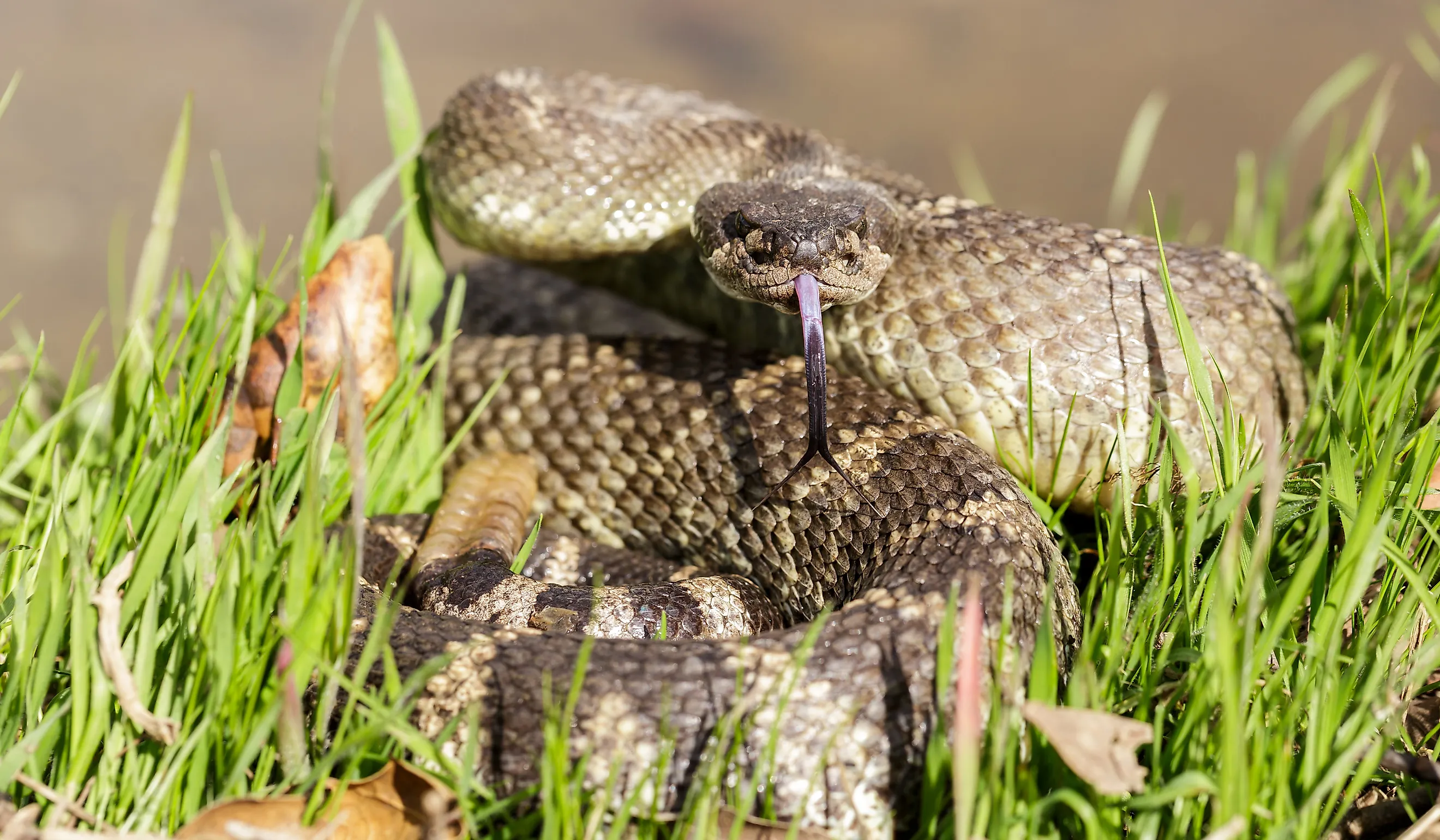
California is home to seven different species of rattlesnake, but luckily, Northern California is only home to one of them: the Northern Pacific rattlesnake (Crotalus oreganus). Luckily, it is a very shy and secretive snake that is only active in California from spring to fall. However, just because it is the only rattlesnake in Northern California doesn’t mean it isn’t prevalent in certain areas. From the foothills of the Sierra Nevada Mountains to the Marin Headlands across the Golden Gate Bridge, these 7 areas in Northern California are more than just tourist hotspots; they are also home to rattlesnakes.
Big Basin Redwoods State Park

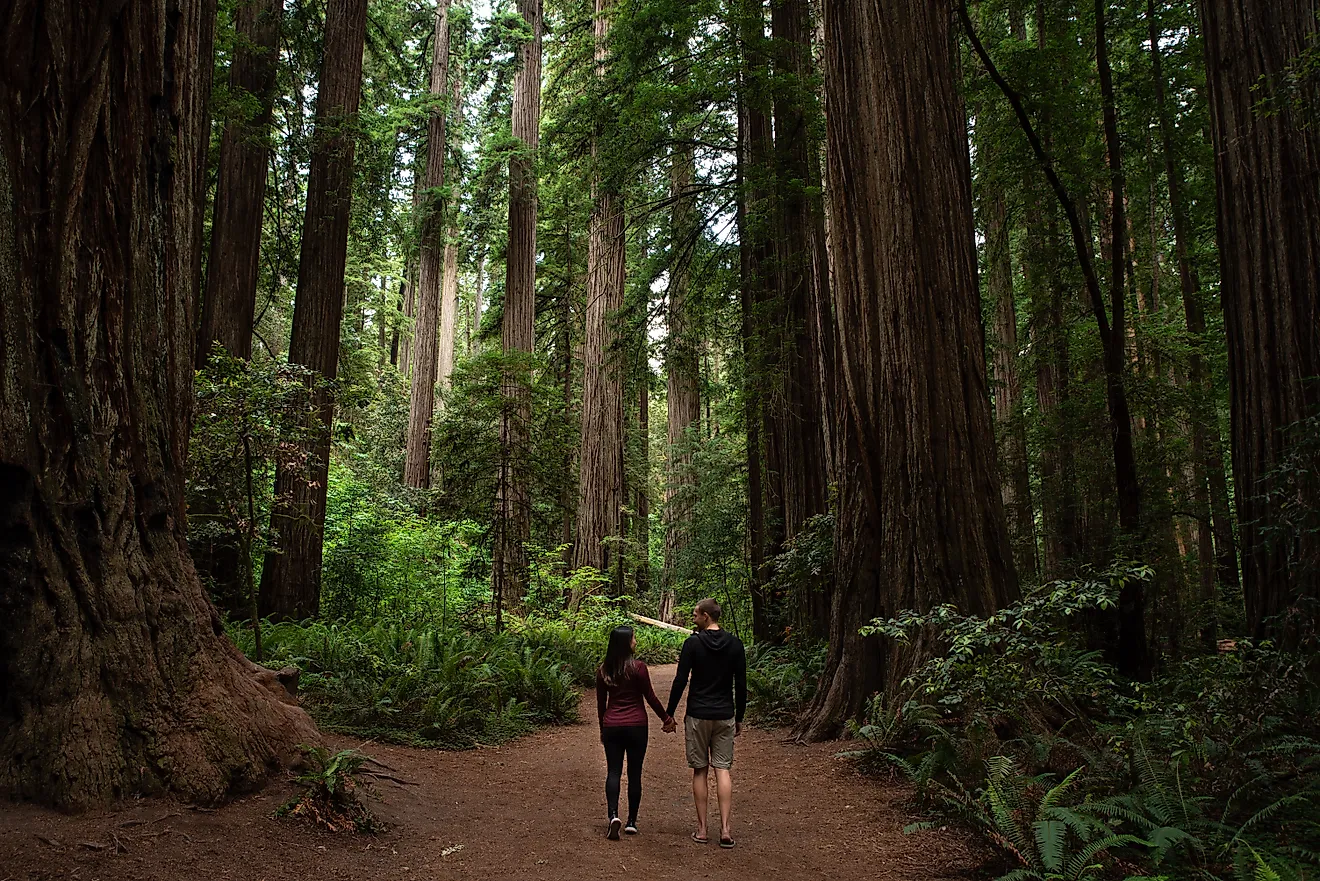
Big Basin Redwoods State Park was established in 1902, making it the oldest state park in California. Despite a devastating wildfire in 2020, the park is still home to the largest continuous stand of ancient coast redwoods south of San Francisco. Some of the trees are wider than 50 feet around, as tall as the Statue of Liberty, and anywhere between 1,000 and 8,000 years old. Vegetation in the park includes mixed conifer, oaks, chaparral, and riparian habitats. While Northern Pacific rattlesnakes are present in the park, it is unlikely that visitors will encounter them when walking the redwood groves, as rattlesnakes prefer the drier chaparral terrain of the park.
Mendocino National Forest

Mendocino National Forest comprises 927,650 acres of mountains, canyons, and foothills stretching between the foothills of the Sacramento Valley to the North Coast Mountains. The forest measures 65 miles long and 35 miles across. It is the only one of California's 18 national forests that is not crossed by a paved road or highway. Due to its remoteness, it creates a unique wilderness experience for anyone interested in camping, hiking, backpacking, boating, fishing, and hunting.

The remoteness is also favored by rattlesnakes, who inhabit the park. Although they are shy, secretive, avoid people, and often remain unseen, appropriate caution should still be exercised when recreating in the forest. It is good practice to be careful when crossing rocky areas or stepping over downed trees, as a rattlesnake could be on the other side.
Yosemite National Park

Yosemite National Park is among the most popular national parks in the United States, drawing in four million visitors per year. It is known for its iconic natural landmarks, including El Capitan, one of the largest granite monoliths, Yosemite Falls, one of the largest waterfalls in North America, and Giant Sequoias, which are believed to be over 3,000 years old. Rattlesnakes are part of the natural environment in Yosemite, preying mostly on ground squirrels, with smaller rattlesnakes eating smaller mammals. Rattlesnakes are found up to around 9,000 feet in elevation, where there is ample coverage from debris such as rocks, logs, and woodpiles.
Golden Gate National Recreation Area

The Golden Gate National Recreation Area is an extremely varied park, comprised of 37 different natural and historic sites and laced with over 130 miles of hiking trails leading to superb views of the Golden Gate Bridge. The park supports 19 different ecosystems that are home to over 2,000 different plant and animal species, including rattlesnakes. They are commonly seen on popular hiking trails in the springtime when the weather gets hotter. As rattlesnakes are ectothermic, they rely on external sources, such as the heat from the sun, to regulate their body temperatures. As they are present on the trails, it is important to hike on clear paths and not be overly reliant on hearing a rattlesnake’s rattle, as babies do not possess one, and adults can break theirs off.
Sierra National Forest

The Sierra National Forest sprawls 1.3 million acres across the western slopes of the Sierra Nevada Mountains. The forest rises from foothills at 900 feet in elevation to the alpine and granite peaks of the High Sierra at 13,986 feet. Endless opportunities for recreation are available for hikers, bikers, and horseback riders, such as short nature walks or challenging backcountry routes.

Several species of snake inhabit the forest, including rattlesnakes. They are not often encountered, although they do frequent rock piles in the warmer summer months. Here, the heat of the sun will heat the rocks and provide snakes with warmth, and, at the same time, provide them with shelter in the crevices if they are startled or threatened.
Folsom Lake

Folsom Lake is situated between the city of Folsom and the base of the Sierra Nevada foothills. The lake and the surrounding area offer opportunities for hiking, biking, running, camping, picnicking, horseback riding, waterskiing, and boating. Rattlesnakes are the most commonly seen dangerous creature in Folsom that is potentially dangerous to humans. Rattlesnakes are most active between April and October when the weather is at its warmest. As Folsom experiences dry, hot summers, wide open space, and an abundance of rats, voles, and other creatures, it makes for an optimal environment for rattlesnakes to call home. They are often seen on trails around the lake and even sometimes make their way into the backyards of Folsom residents.
McCloud River

The McCloud River is a designated wild and scenic river, offering a true wilderness experience. Several developed campgrounds are dotted along the river and have many fishing opportunities, as it is home to one of the most famous strains of rainbow trout in the world. It is divided into two sections: the Upper McCloud River and the Lower McCloud River. McCloud River is also home to the McCloud Falls, a trio of waterfalls.

The Middle Falls of the McCloud River Trail is a generally flat and even trail that ends at a viewpoint near the Middle Falls. From here, hikers are able to scramble over rocks to reach the base of the falls. However, it is possible to encounter rattlesnakes along the trail as they are known to frequent the area.
While rattlesnakes are crucial to the ecosystems in Northern California, encounters with them are still relatively rare. The Northern Pacific rattlesnake tends to avoid humans even though it lives in a lot of places popular among people, like Yosemite National Park or the Golden Gate National Recreation Area. But if you stay aware of your surroundings, remain on marked trails, and give wildlife plenty of space, you can safely explore these regions and may even be lucky enough to observe a wild rattlesnake from a safe distance. Understanding where rattlesnakes are most prevalent not only reduces risk but also highlights their important role in maintaining balanced ecosystems.